

Phyllostachys edulis, commonly known as Moso Bamboo, is a temperate species of giant timber bamboo native to China and Taiwan. It is the largest temperate bamboo on earth and the most economically important bamboo in China.
Different names have been applied to this species in the past, of which the most often used names were Phyllostachys pubescens and Phyllostachys heterocycla.
In Latin ‘edulis’ means ‘edible’, and refers to its edible shoots. ‘Pubescens’ alludes to the presence of soft hairs on the internodes when young. The name Moso was given by the Japanese and is derived from its Chinese name ‘Mao Zhu’, which means ‘Hairy Bamboo‘.
| Attribute | Description |
|---|---|
| Scientific Name | Phyllostachys edulis |
| Synonyms | Phyllostachys pubescens, Phyllostachys heterocycla, Bambusa edulis |
| Common Names | Moso Bamboo |
| Family | Poaceae |
| Tribe | Arundinarieae |
| Genus | Phyllostachys |
| Height | 10 – 23 m |
| Diameter | 8 – 18 cm |
| Growth Habit | Running |
| Climate | Temperate – Subtropical |
| Hardiness | -18°C |
| Edibility | ★★★★☆ (4 of 5) |
| Flowering Cycle | 48-67 years |
| Origin | China, Taiwan |
| Uses | Timber, Fencing, Furniture, Construction, Paper Pulp, Plywood, Flooring, Musical Instruments, Utensils, Rayon, Food, Charcoal, Erosion Control. |
Rhizomes
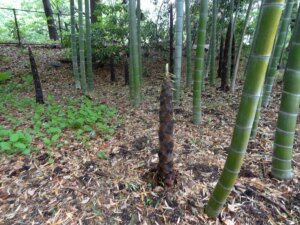
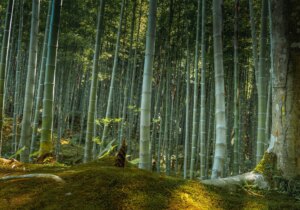
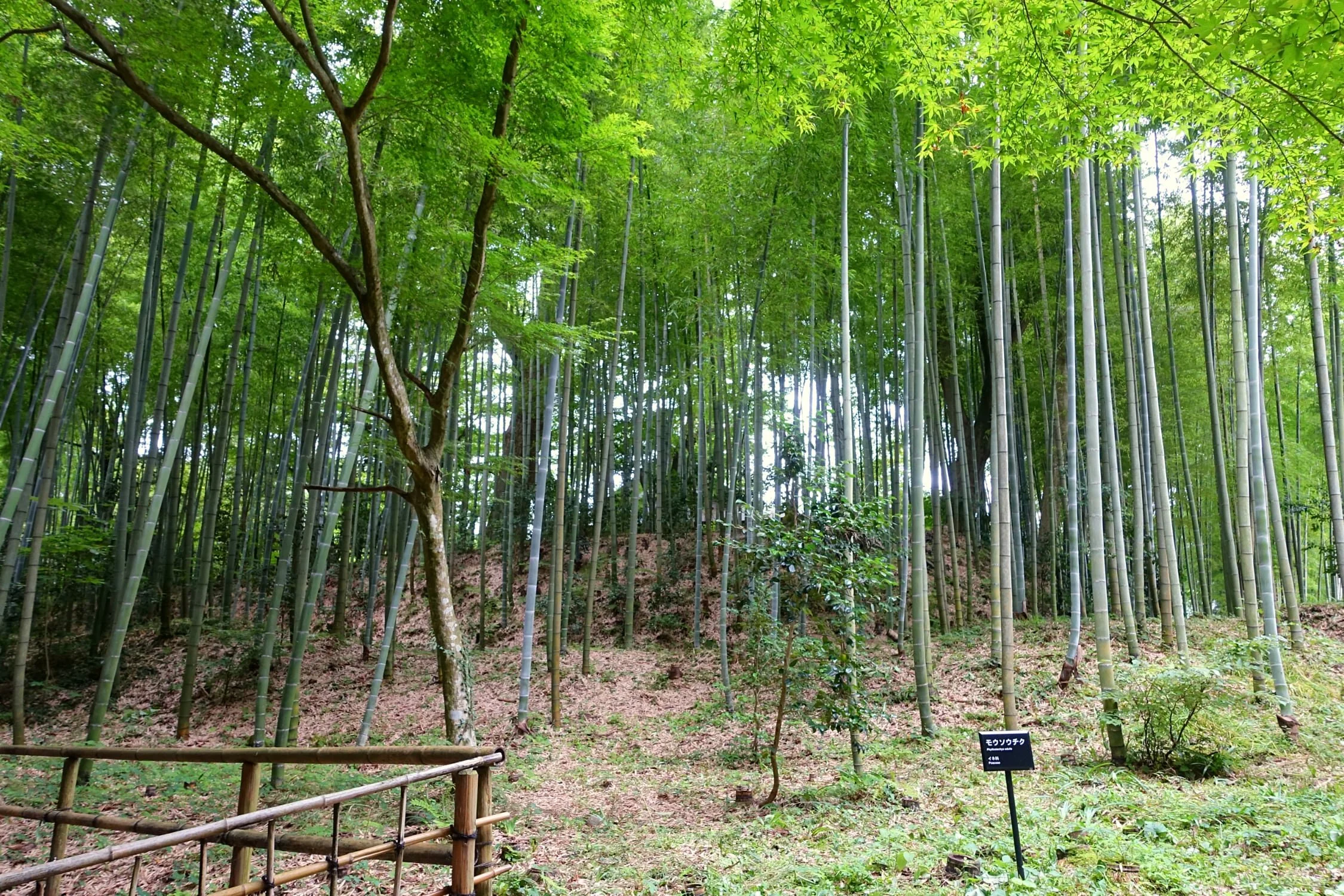
Phyllostachys edulis has thin rhizomes with a monopodial (running) growth habit. Therefore, the culms grow in scattered state and can be invasive as they spread over a large distance.
Shoots
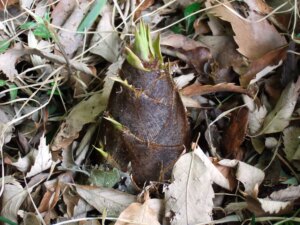
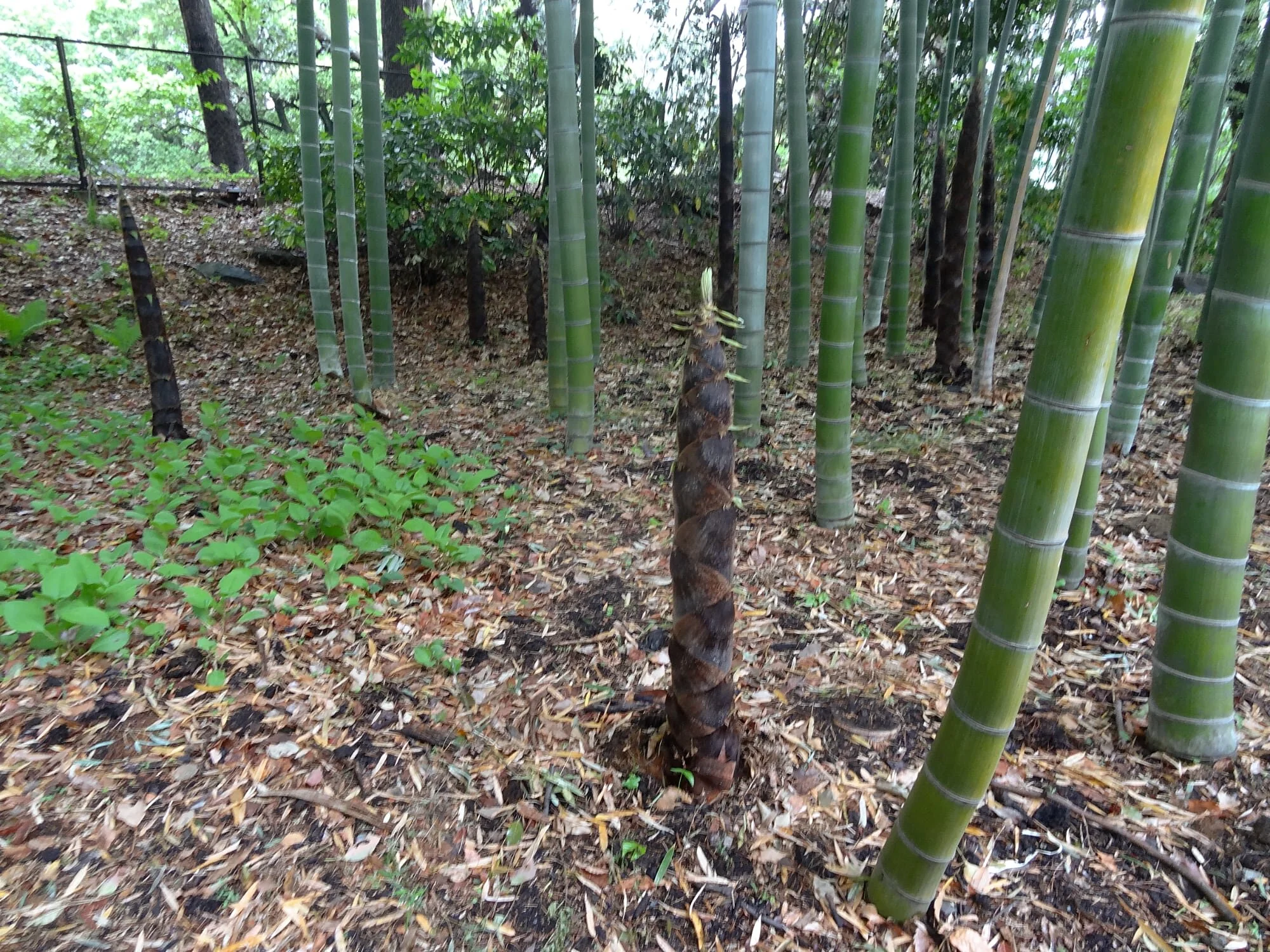
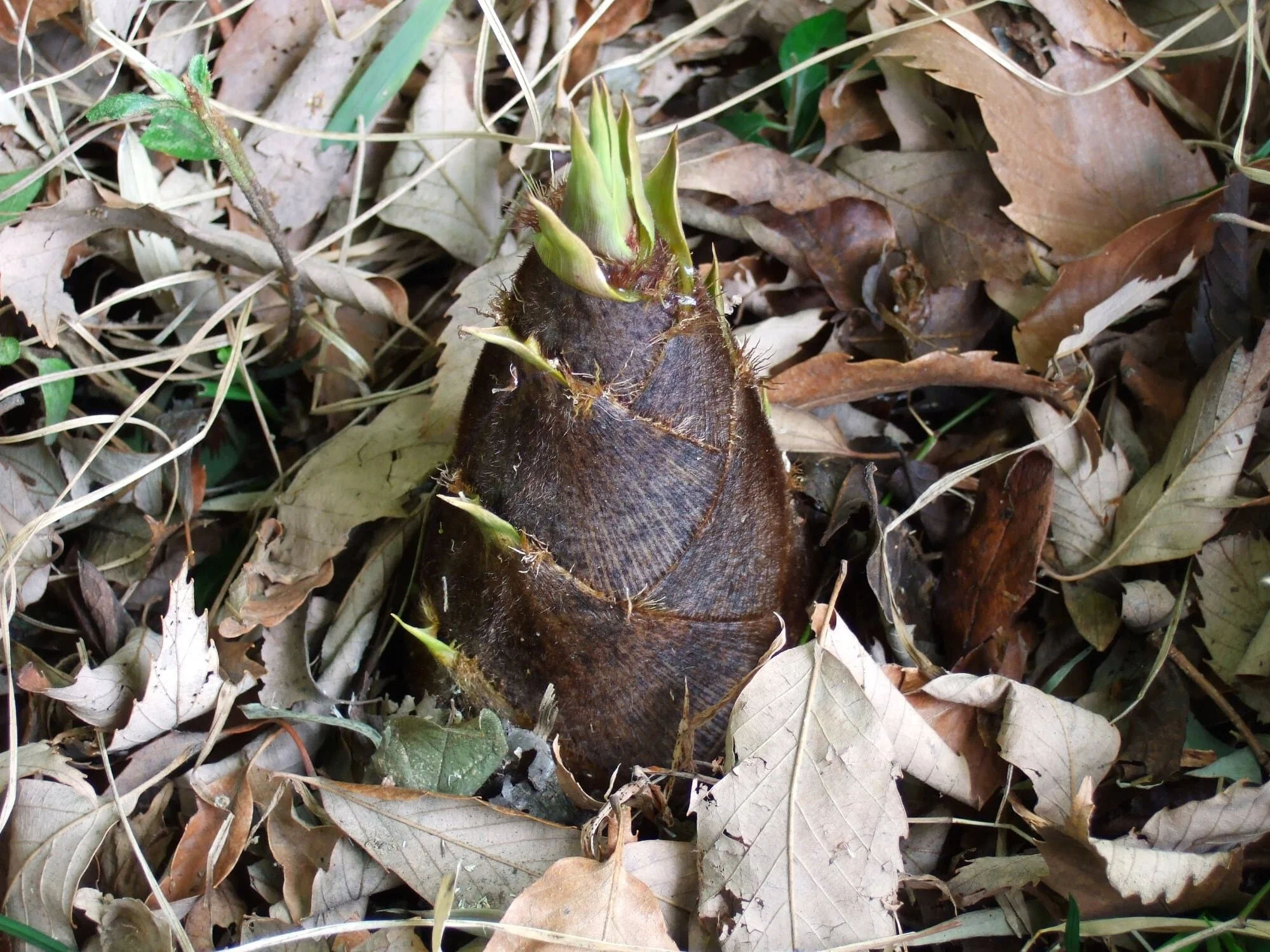
New shoots are very susceptible to frost damage.
Culms
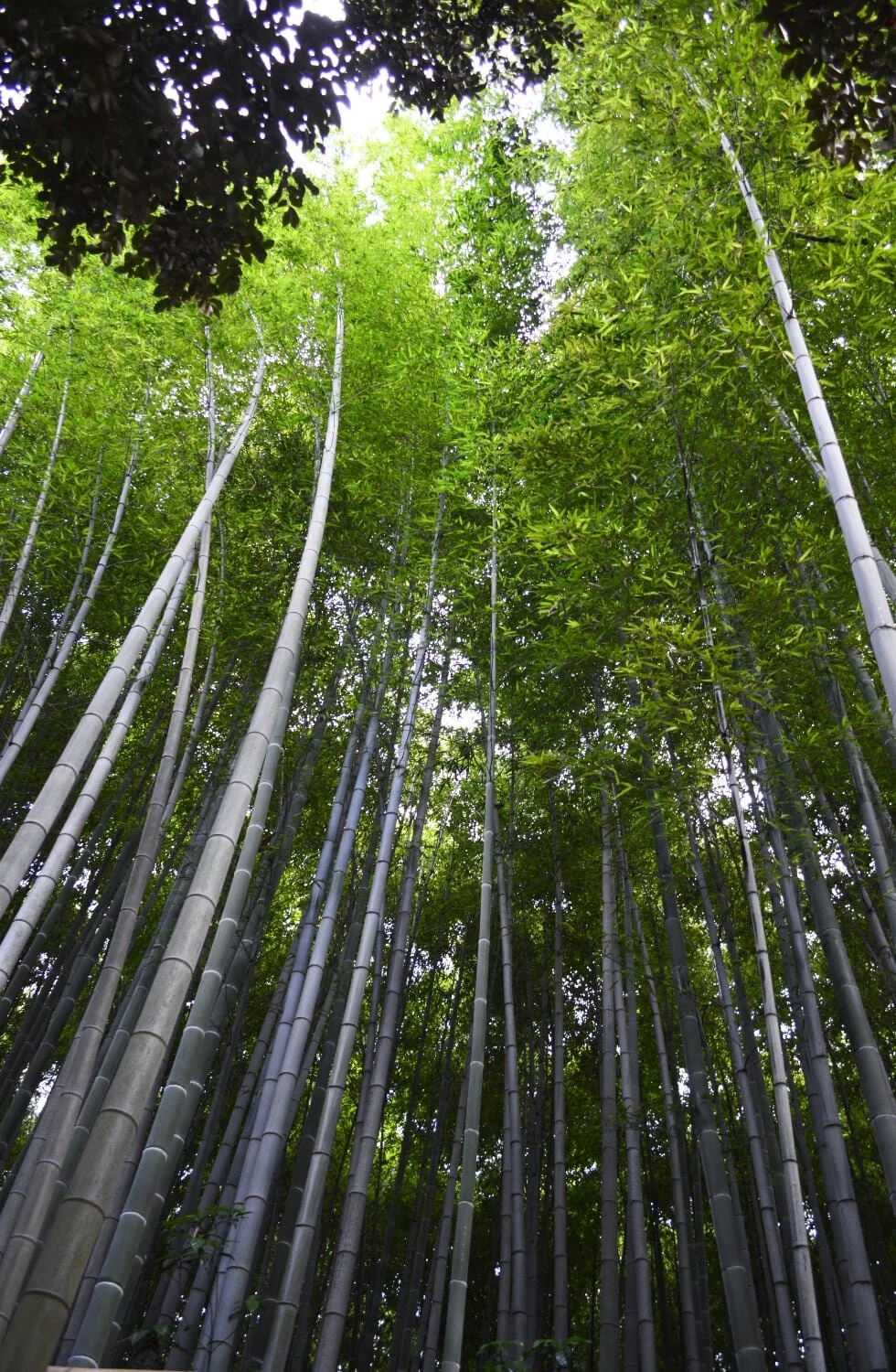
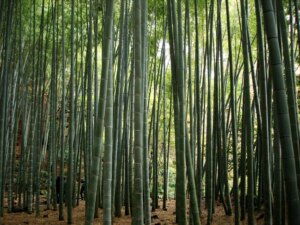
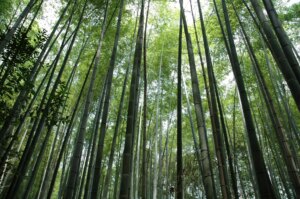
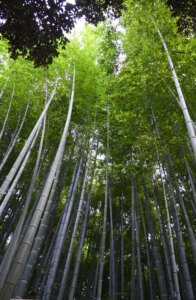
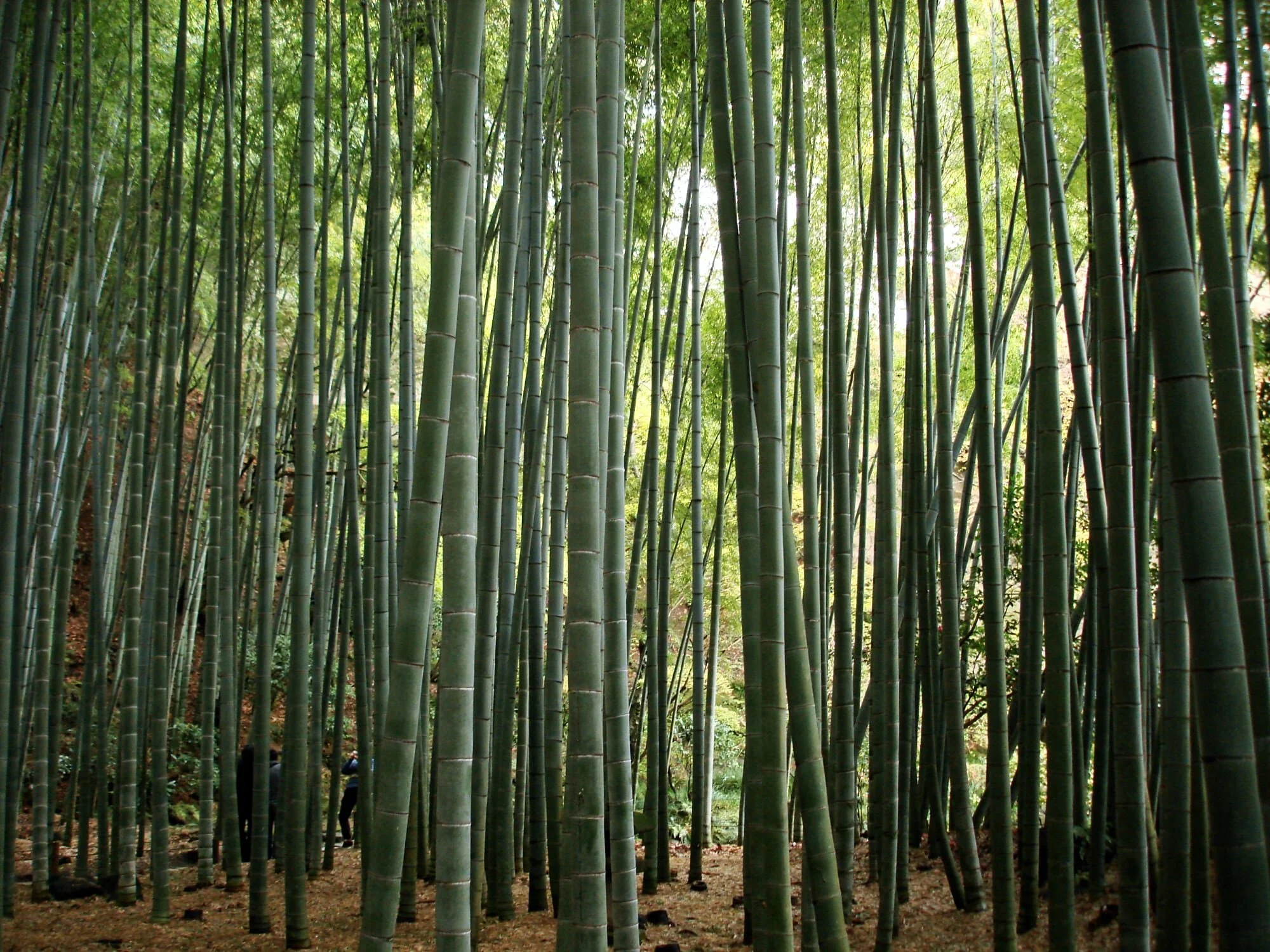
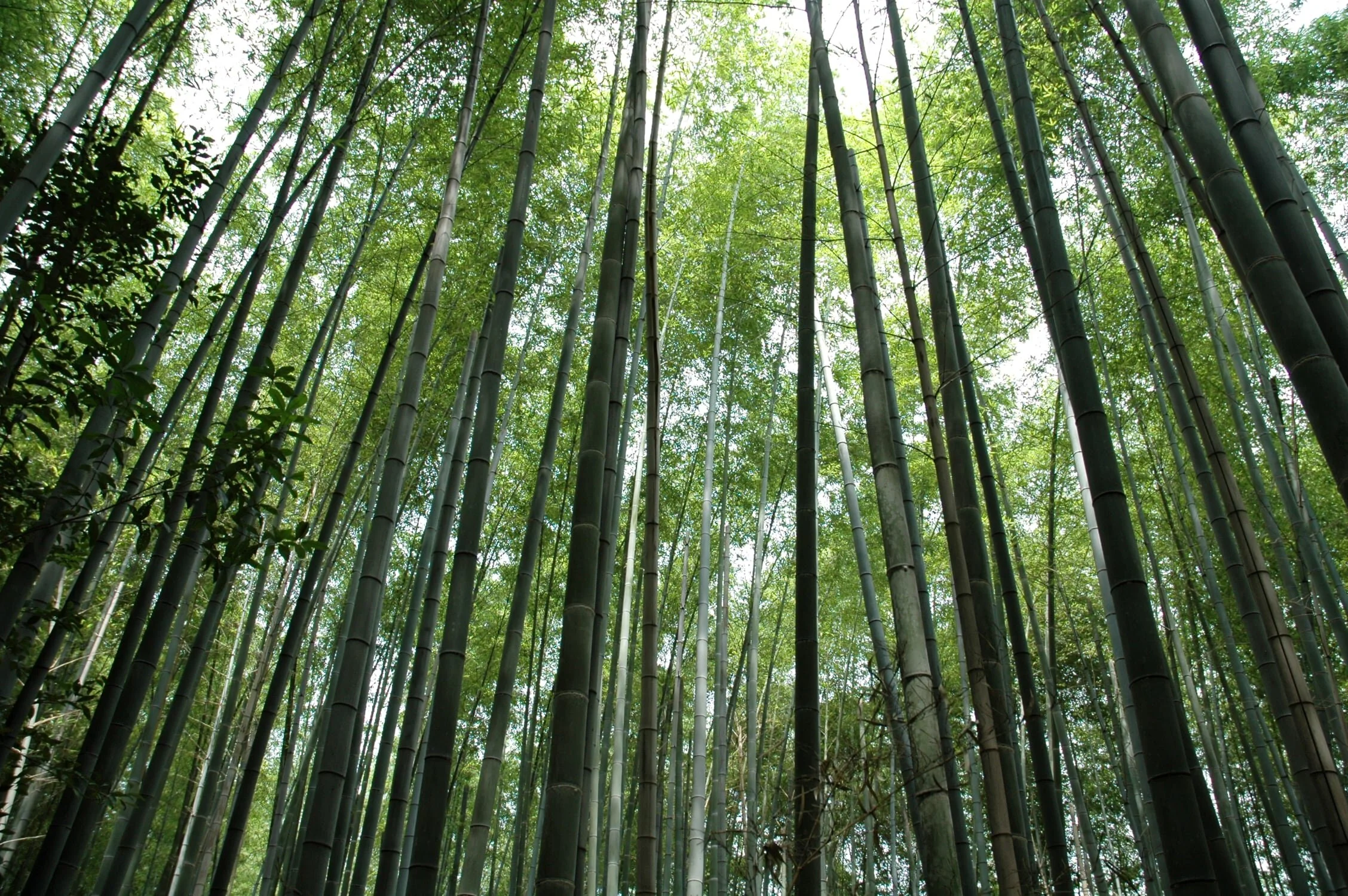
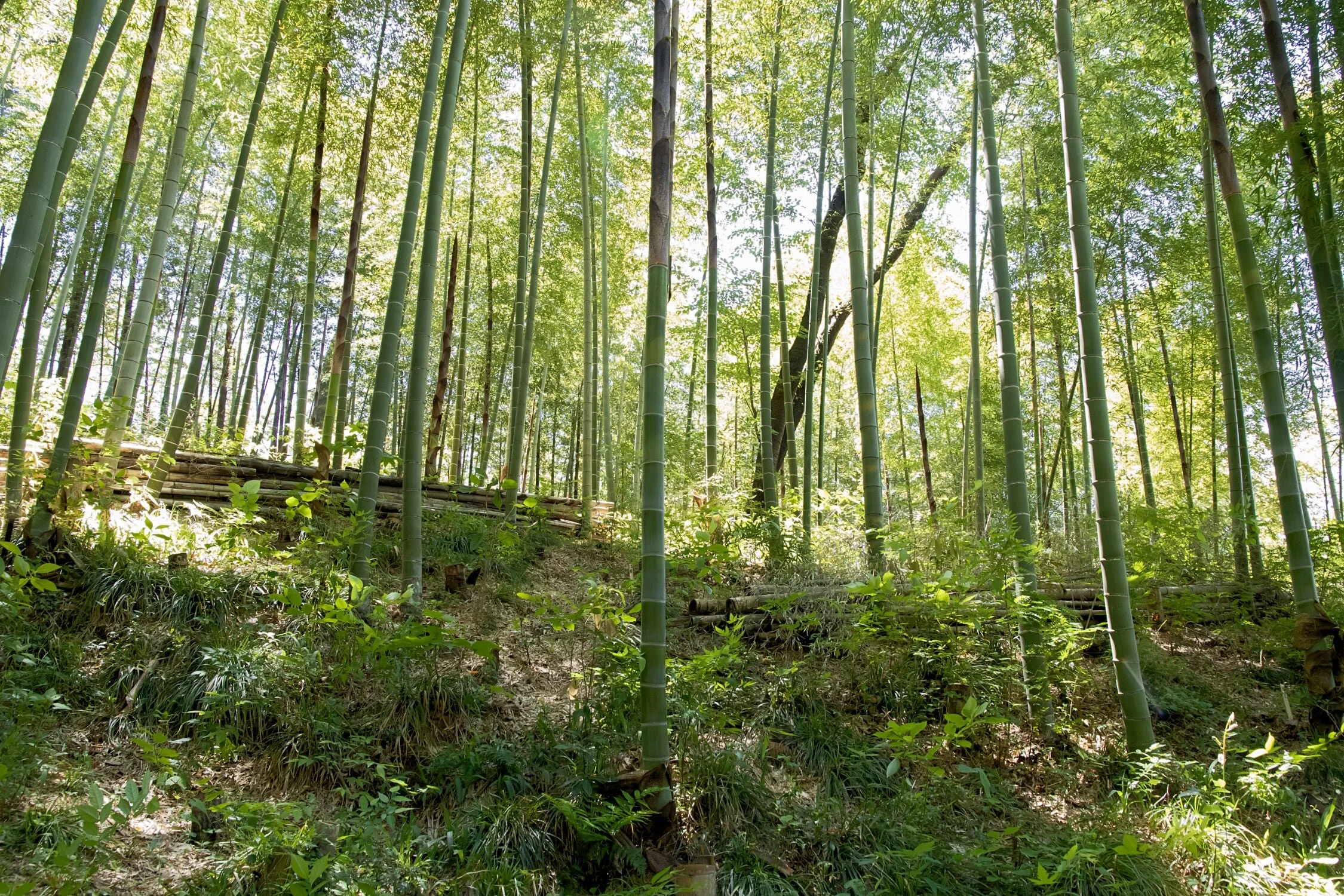
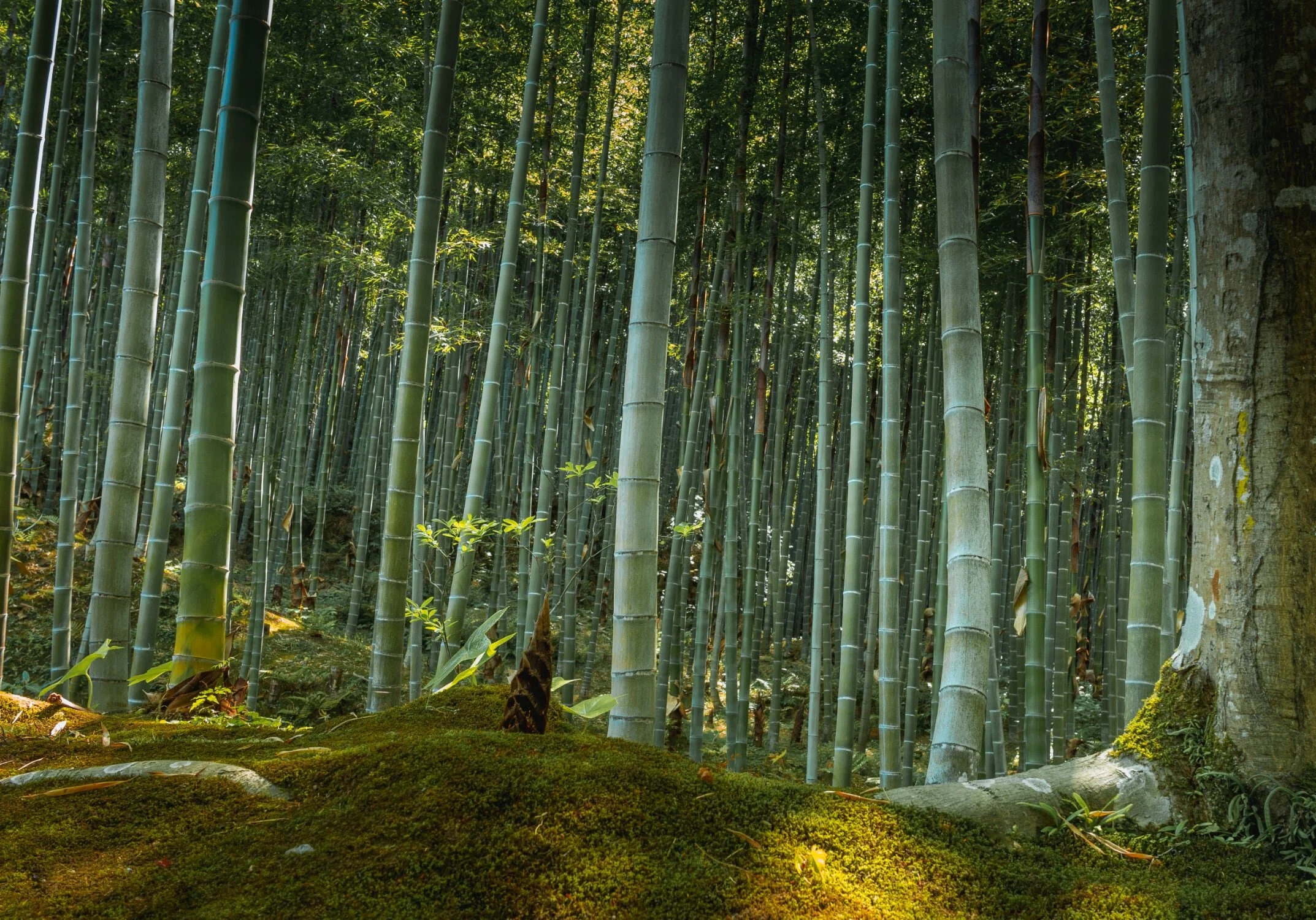
The culms of Phyllostachys edulis are on average 18 m tall and 11 cm in diameter at breast height (DBH), but can grow up to 23 m tall and 18 cm in diameter.
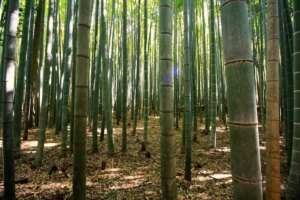
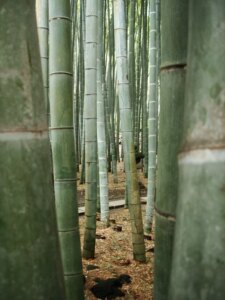
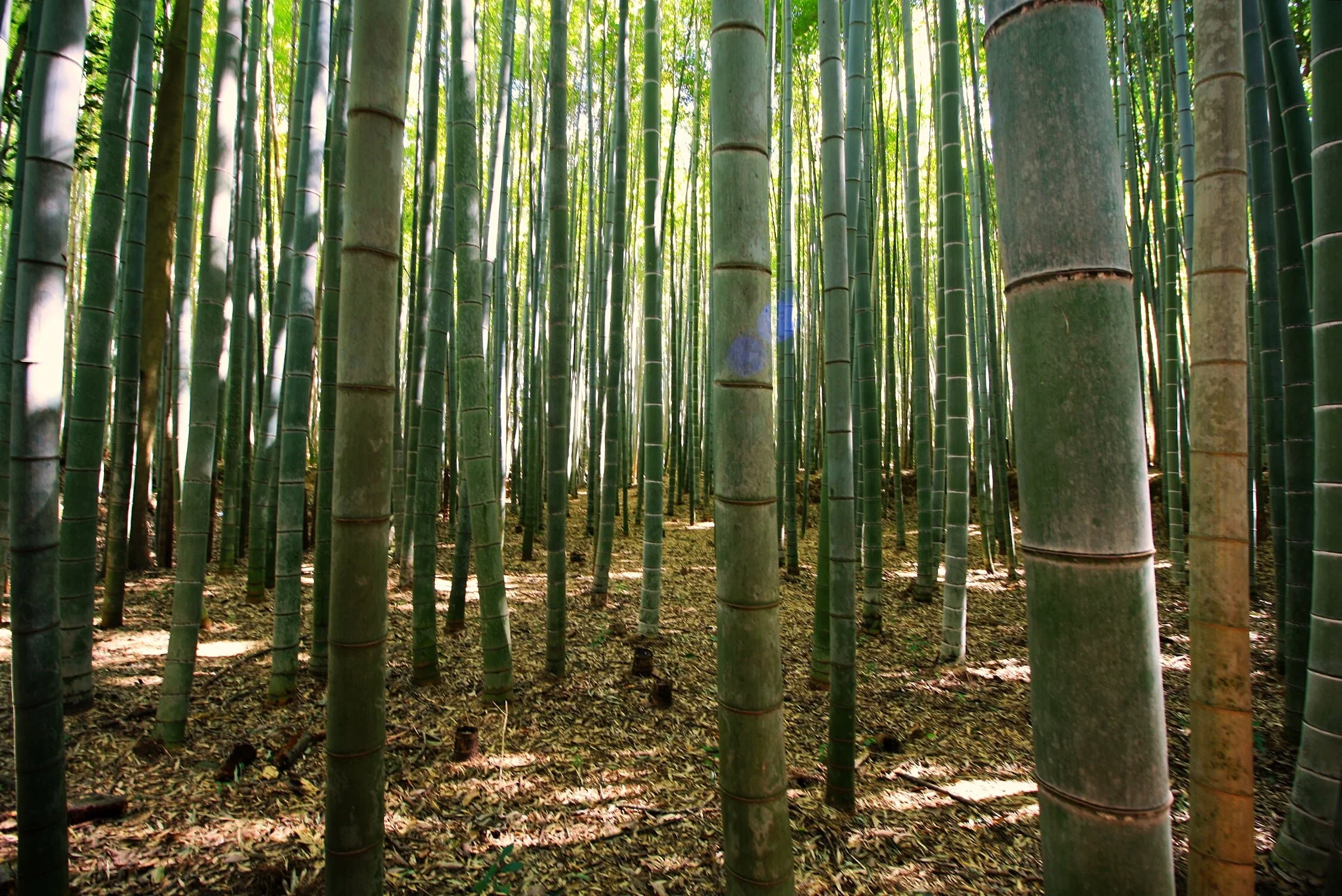
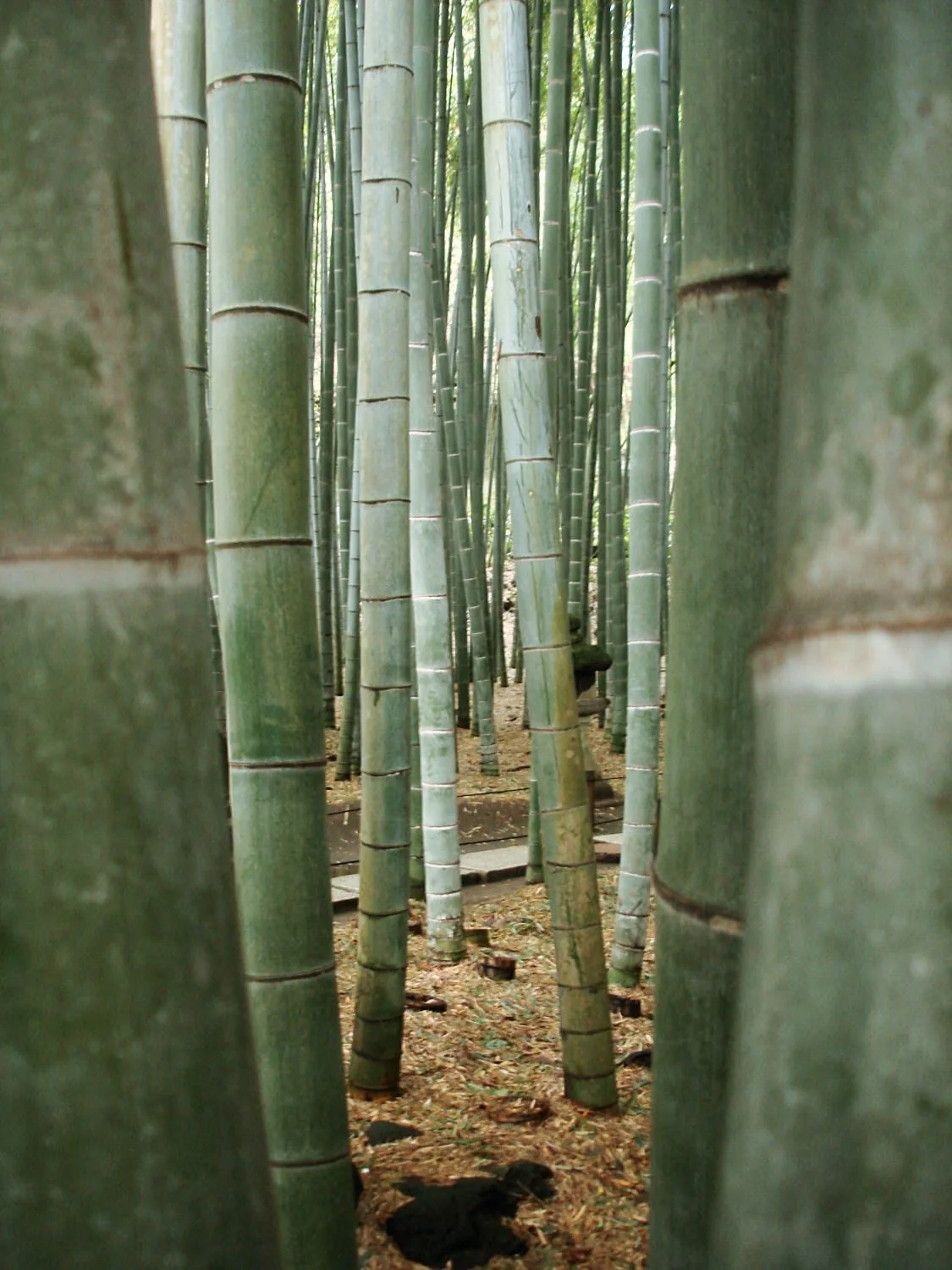
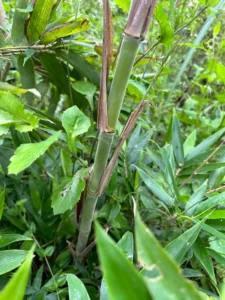
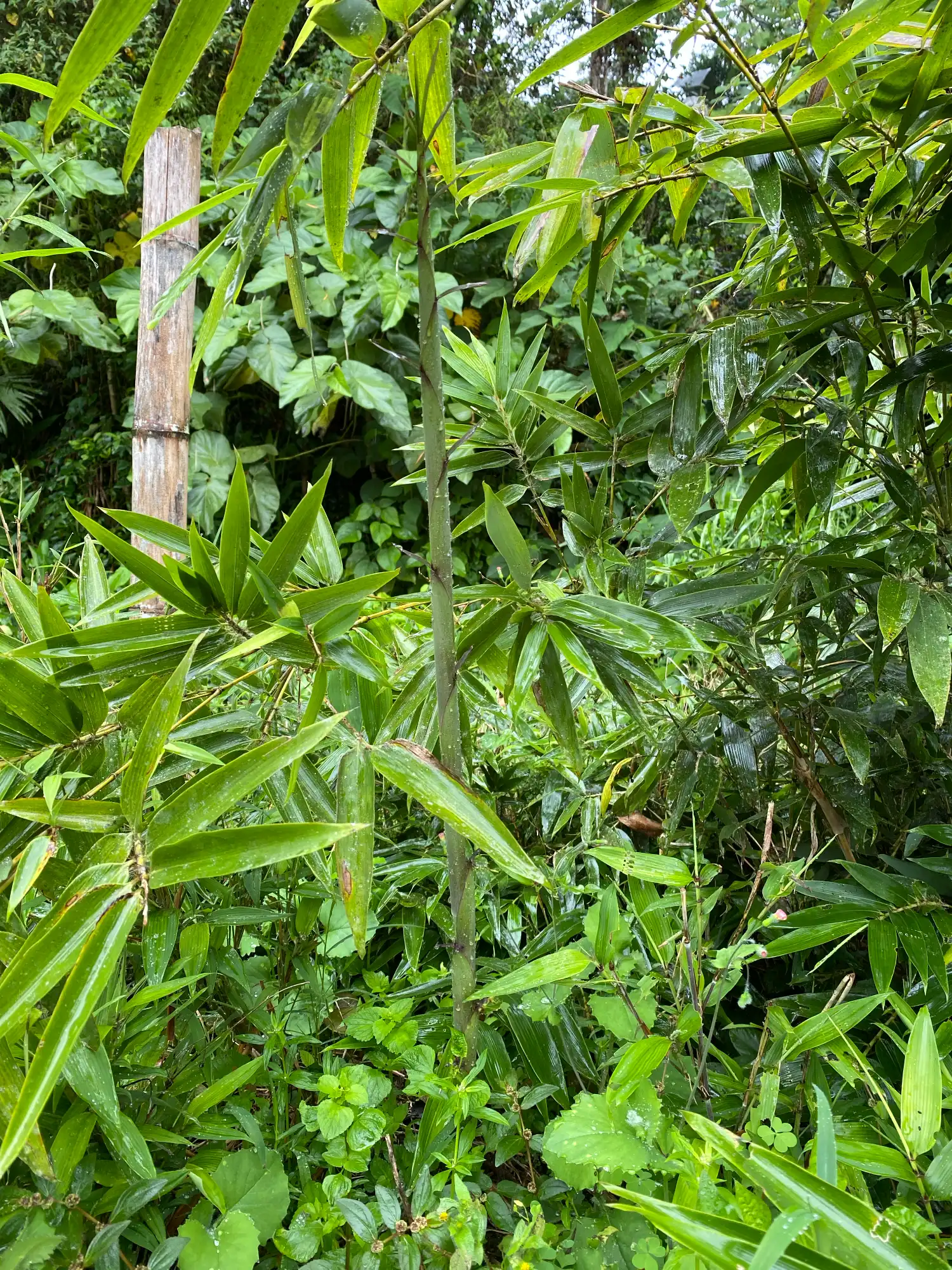
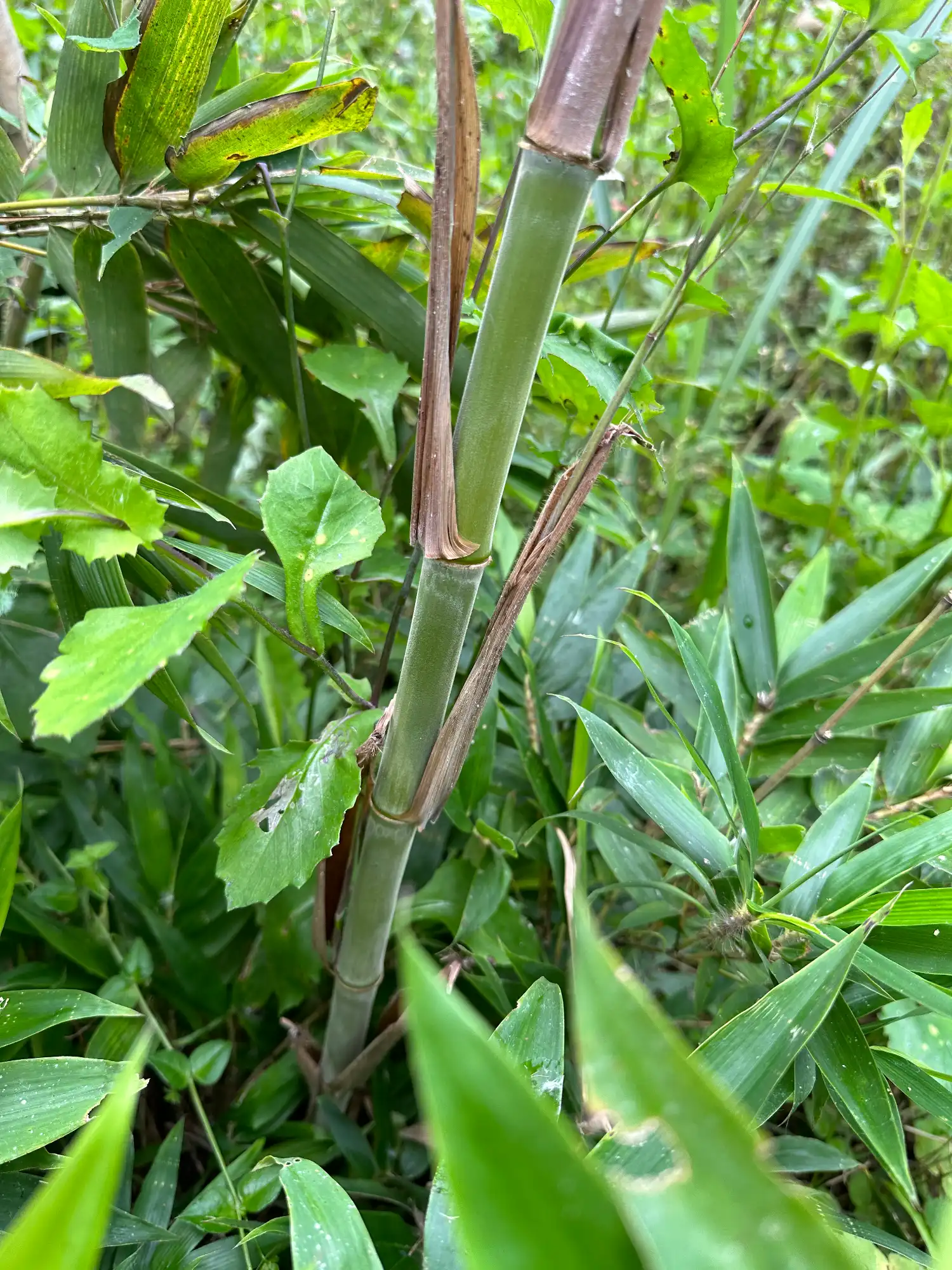
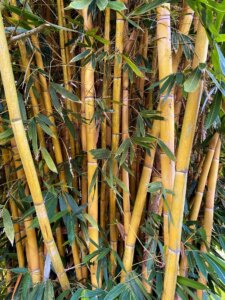
Culms are velvety gray-green when young, becoming deep green and yellow-green to almost orange-green when maturing. The culms are covered with very fine, soft hairs, which provide protection from insect predation.
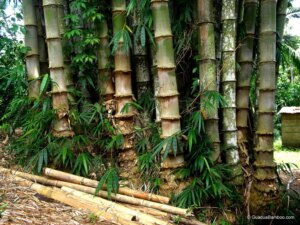
Phyllostachys edulis is distinguished by thickened and relatively short internodes toward the base and strongly tapered culms. The culm internodes are thin-walled, on average between 35-50 cm long, and separated by prominent marked ring-like sheath scars on the nodes.
Culm sheaths of Phyllostachys edulis are yellow-brown or purple-brown with dark brown spots, and covered with densely brown hairs.
Branches
2 branches at the nodes with 1 slightly larger dominant branch.
Leaves
Phyllostachys edulis leaves are quite small when compared to the stature of this bamboo, the short and narrow, paper-thin leaves, are 8-10 cm long and 8-10 mm wide, pale green on their upper surface and matte green beneath.
Flowering
Flowers and seeds appear about once every 67 years. Phyllostachys edulis usually flowers sporadically instead of gregariously (synchronous blooming of all species at the same time).
Most bamboo plants use so much energy in the flowering/fruiting that they die shortly thereafter, however, with Moso bamboo this is not always the case.
Habitat
Moso bamboo grows naturally in a subtropical monsoon climate zone, which means warm and rainy in the summer, and cold and dry in the winter.
The mean annual temperature varies from 15 to 21°C with a mean temperature of the coldest month between 1 to 12°C. Moso bamboo can withstand temperatures of -18°C.
The annual precipitation is between 800 to 1800 mm and a relative humidity of over 80%.
Phyllostachys edulis usually occurs at altitudes between 100 and 700 m and occasionally up to 1,000 m altitude. Suitable soils include well drained acidic, neutral purple, yellow soil, and reddish yellow soil.
Cultivation
Although Phyllostachys edulis is cold-resistant to some degree, its most appropriate environment is a warm humid climate with vague distinction between wet and dry seasons.
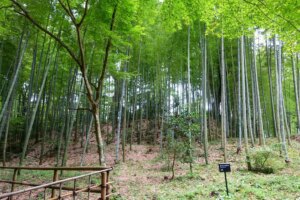
In warm conditions and fertile, humus-rich, moist but well-drained soils, moso bamboo can spread aggressively to the point of being invasive, wheras it remains almost static in cool temperate climates.
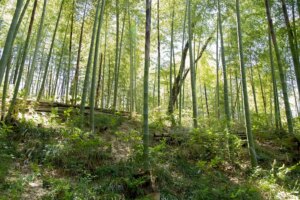
A grove can be formed after about 5 years, but it will take about 10 years to establish a grove with 10 to 12 cm culm diameter from a planted seedling.
A hectare of Moso bamboo forest can produce 6 to 10 t/yr fresh culms, 5 to 8 t/yr bamboo shoots. The optimal density of Moso forest is 4,000 culms/ha for timber production and 2,500 culms/ha for bamboo shoot production. The harvest age depends on its use; 7 years old for timber; 4 years for pulp and paper.
Uses
Moso bamboo is grown in large plantations and harvested for a variety of products including timber, fencing, furniture, construction material, paper pulp, plywood, flooring, musical instruments, utensils and rayon for the textile industry.
It is also the most commonly grown species of bamboo in Asia for harvest of its edible shoots which are eaten locally and/or canned for export.
Several factories are also producing bamboo beer, a beverage made from Moso bamboo juice. Bamboo charcoal is used for food, dyes and medical industries.
Origin
Phyllostachys edulis originates from to deciduous woodlands in China and Taiwan, and was introduced into Japan in 1736, Europe in 1880 and the United States in about 1890. Now, more than 50,000 ha of Moso bamboo forest grows in Japan where it is widely cultivated and distributed south of Hokkaido.
It is the most important bamboo species in China and the third most important plant species for timber production next to Pinus massoniana and Cunninghamia lanceolata (“Chinese Fir”). There are 4.2 million ha of bamboo forest and Moso bamboo alone covers about 3 million ha which is about 2% of the total Chinese forest area. In the past 30 years Moso bamboo forest resource has doubled.
Adopt a Bamboo: From Planting to a Sustainable Forest
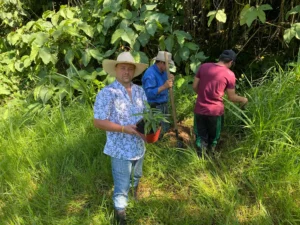
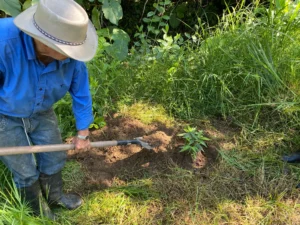
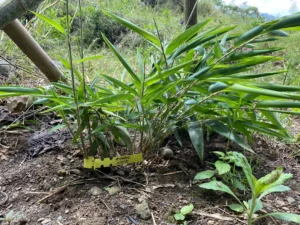
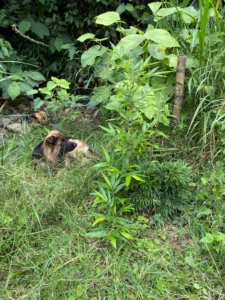
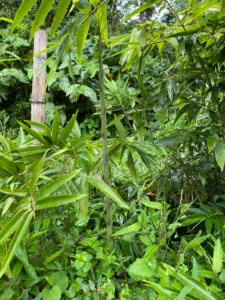
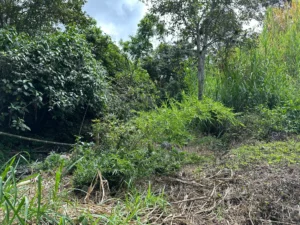
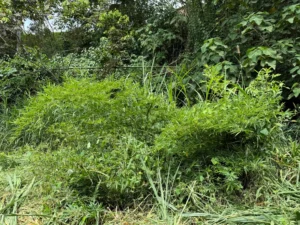
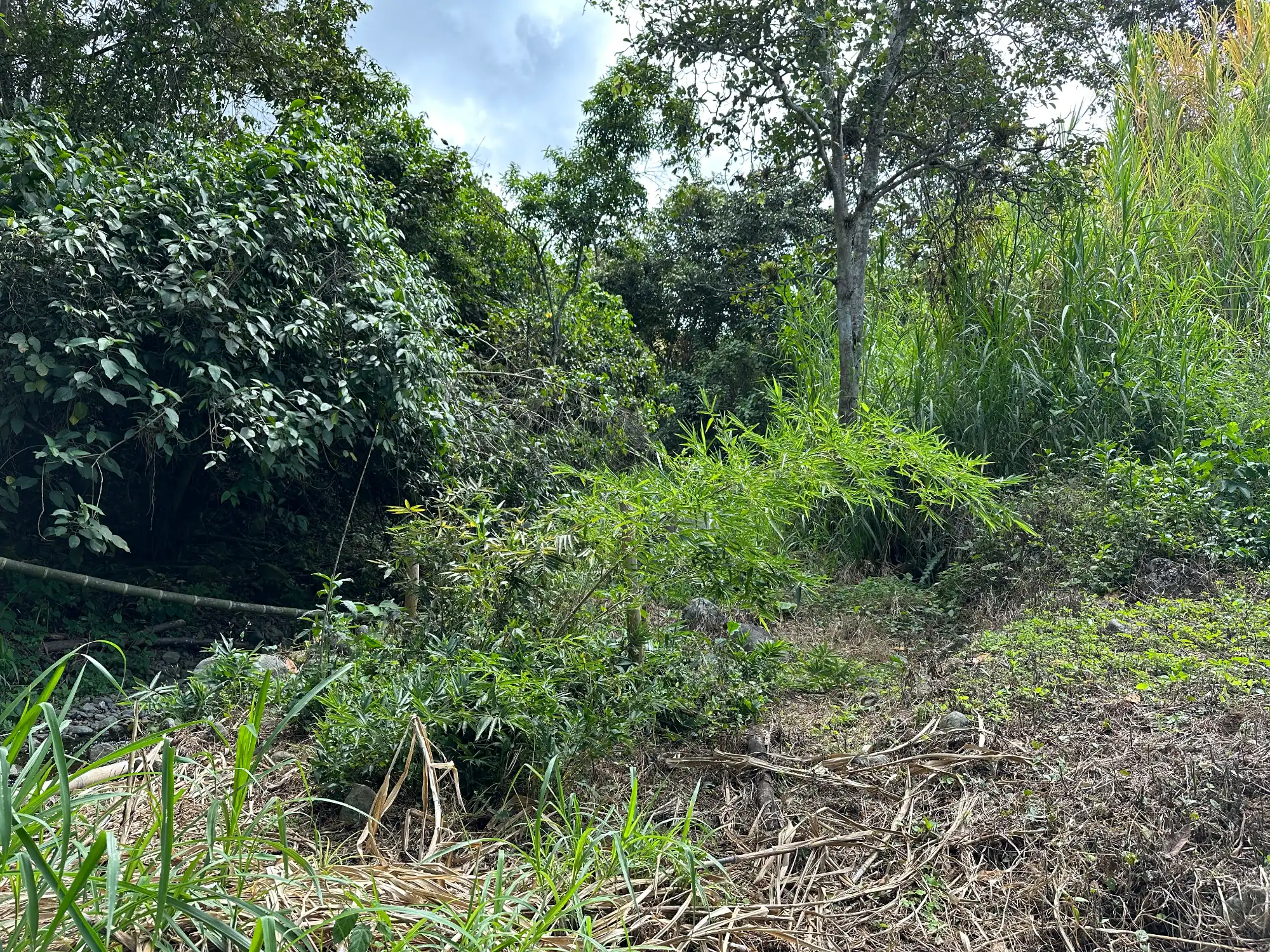
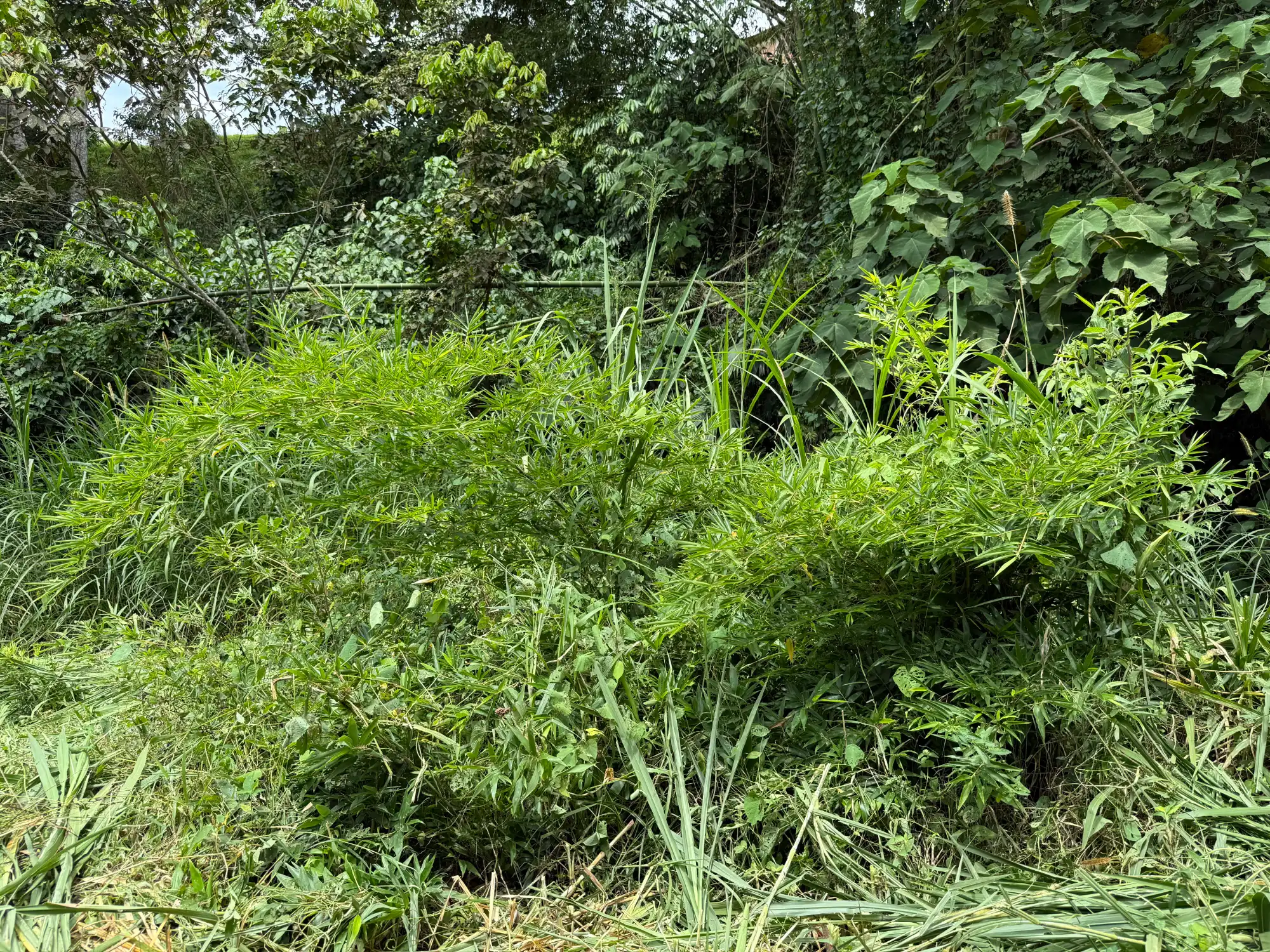
Experience the transformation of our bamboo forest in Colombia. The gallery below documents the real-time evolution of our afforestation efforts, a journey from degraded pasture land to a thriving, biodiverse ecosystem.
Why This Matters: The current carbon credit system is broken; it serves large-scale corporate projects while leaving homestead farmers behind. This systemic gap is why most deforestation is driven by small farmers forced to clear forests for short-term agricultural crops or cattle grazing just to survive.
By adopting a bamboo, you help bridge the critical 7 to 10 year growth gap required to reach a self sustaining ecosystem. Your support finances the essential planting and maintenance period that allows farmers to transition to agroforestry. Instead of clearing land for temporary gains, farmers can now focus on building a permanent living forest. Together, we can prove that a managed ecosystem is a far more valuable asset than a one time harvest.
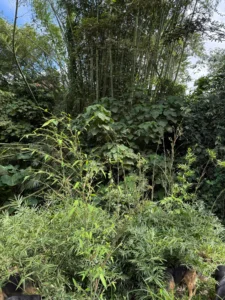
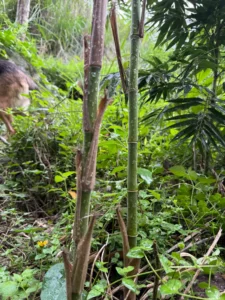
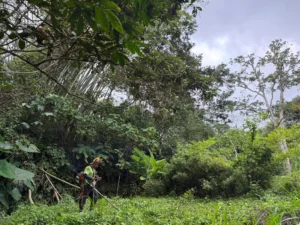
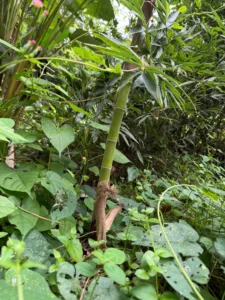
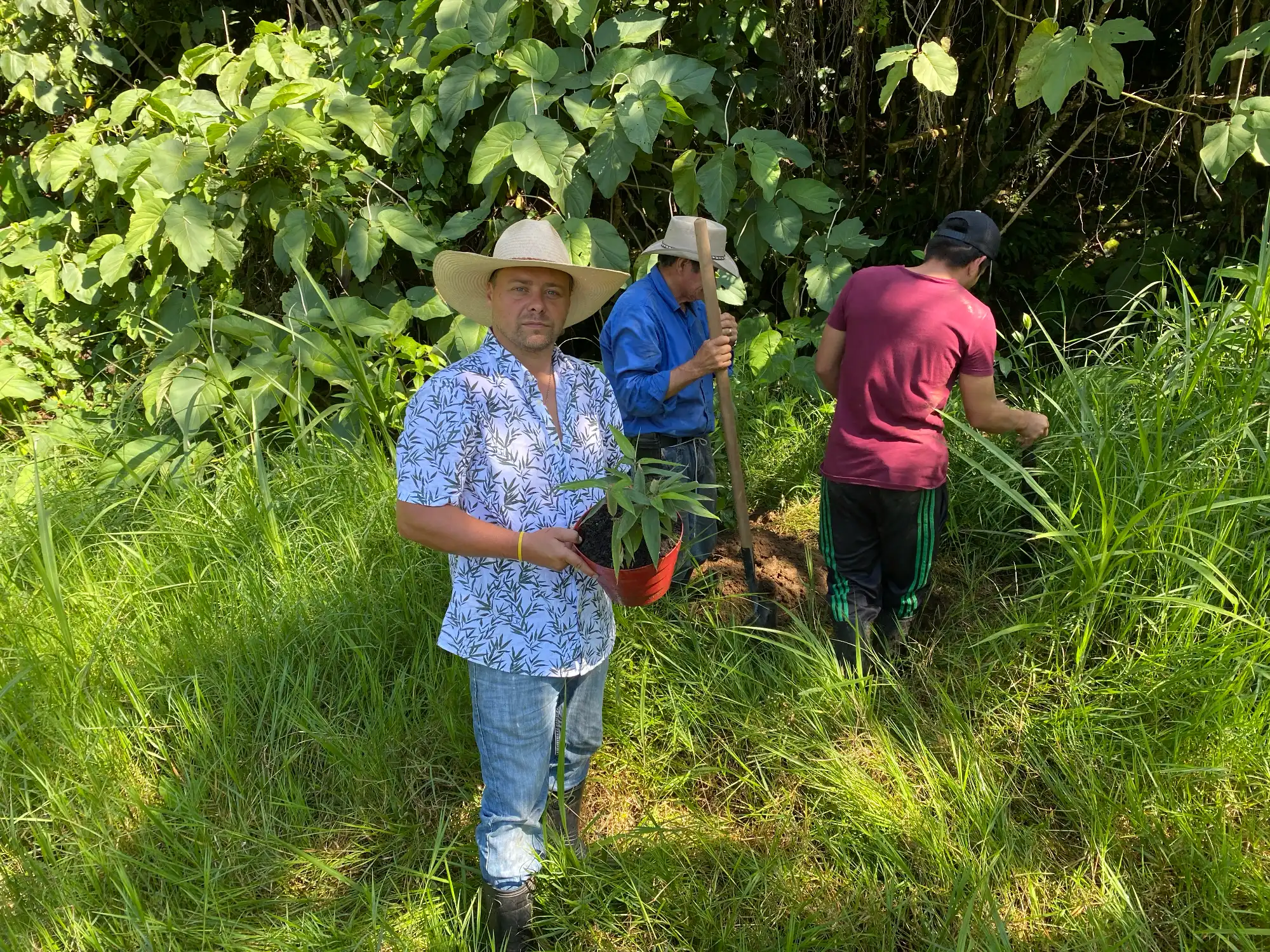
Phyllostachys edulis
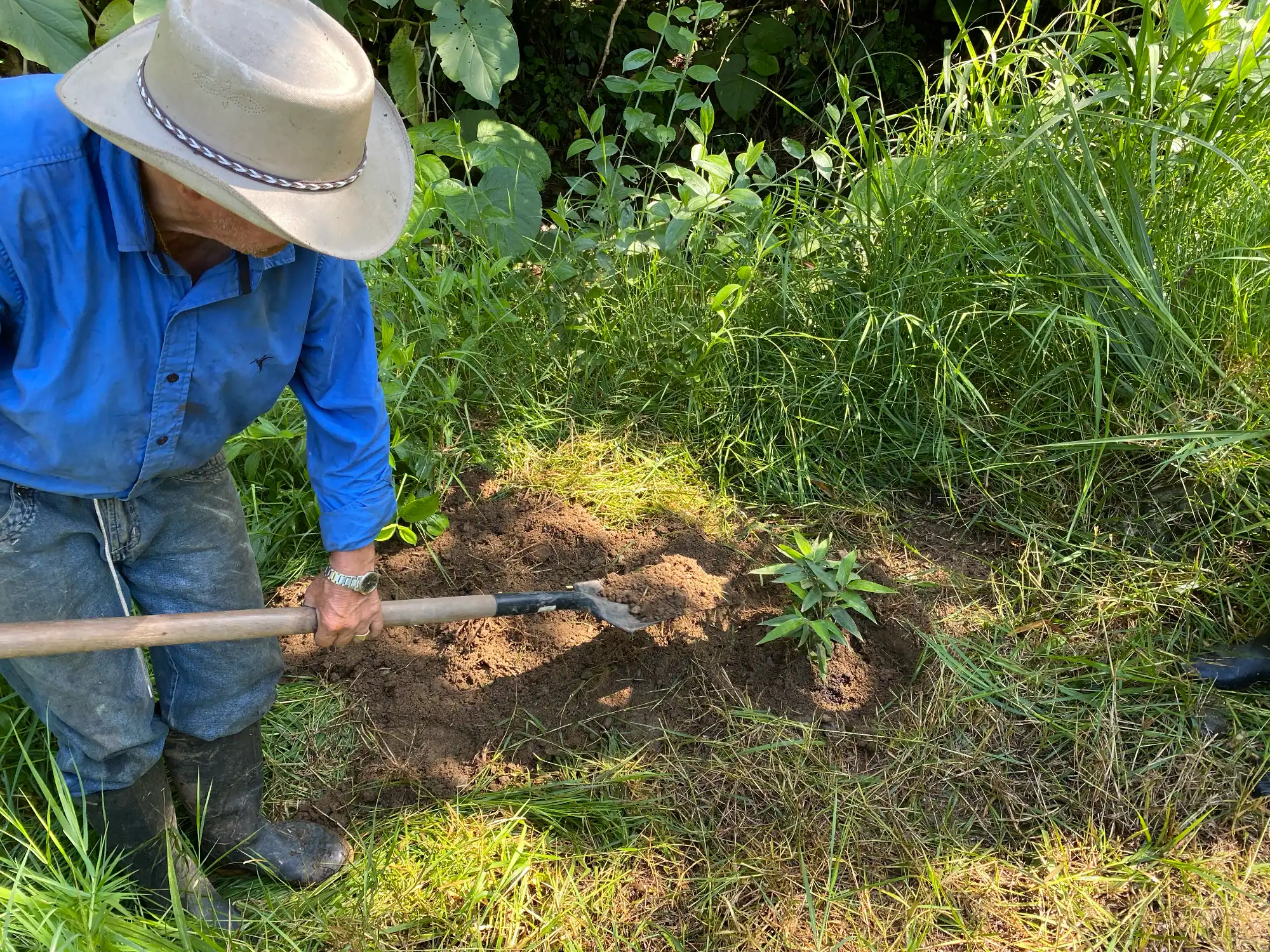
Phyllostachys edulis
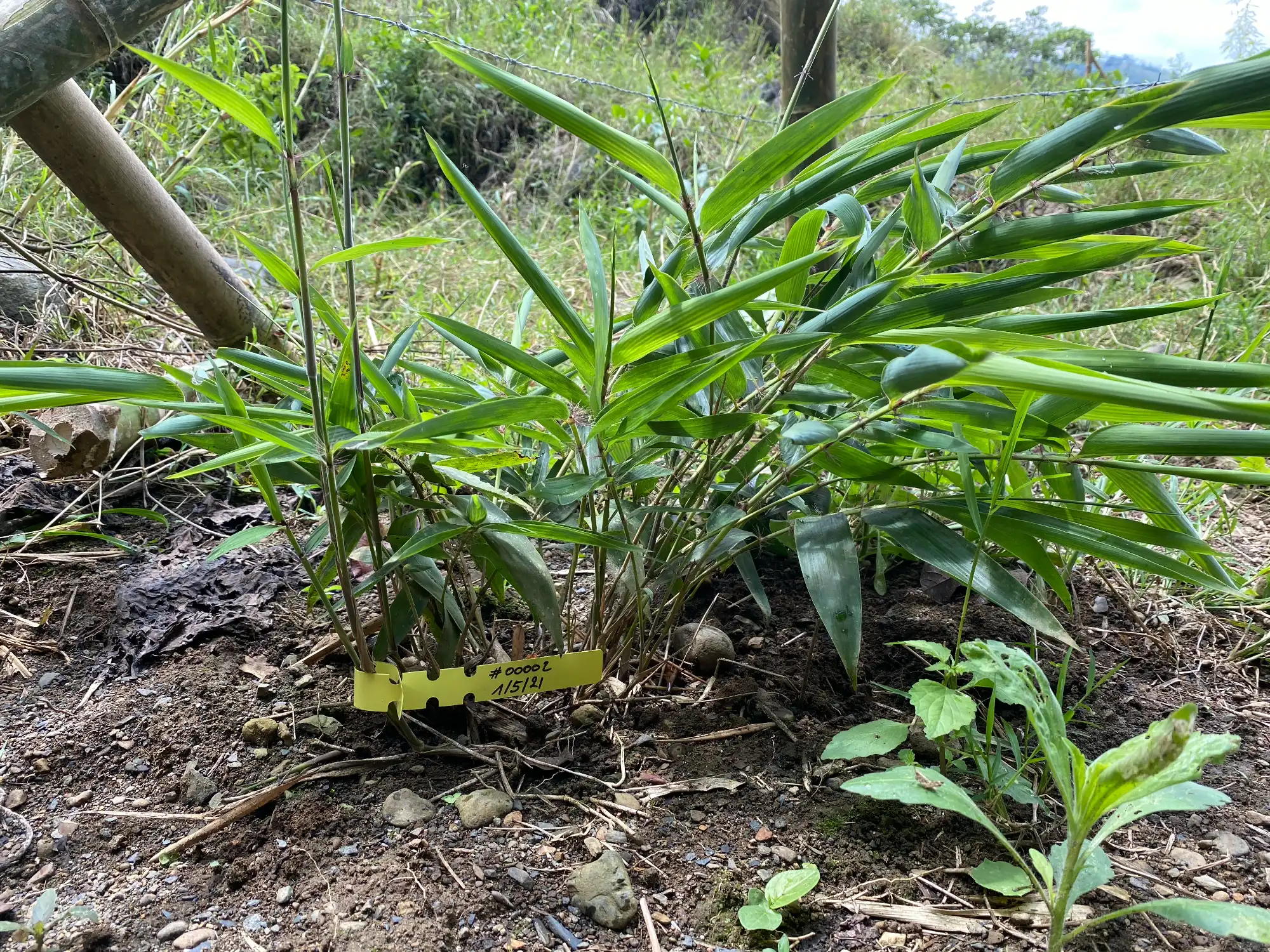
Phyllostachys edulis
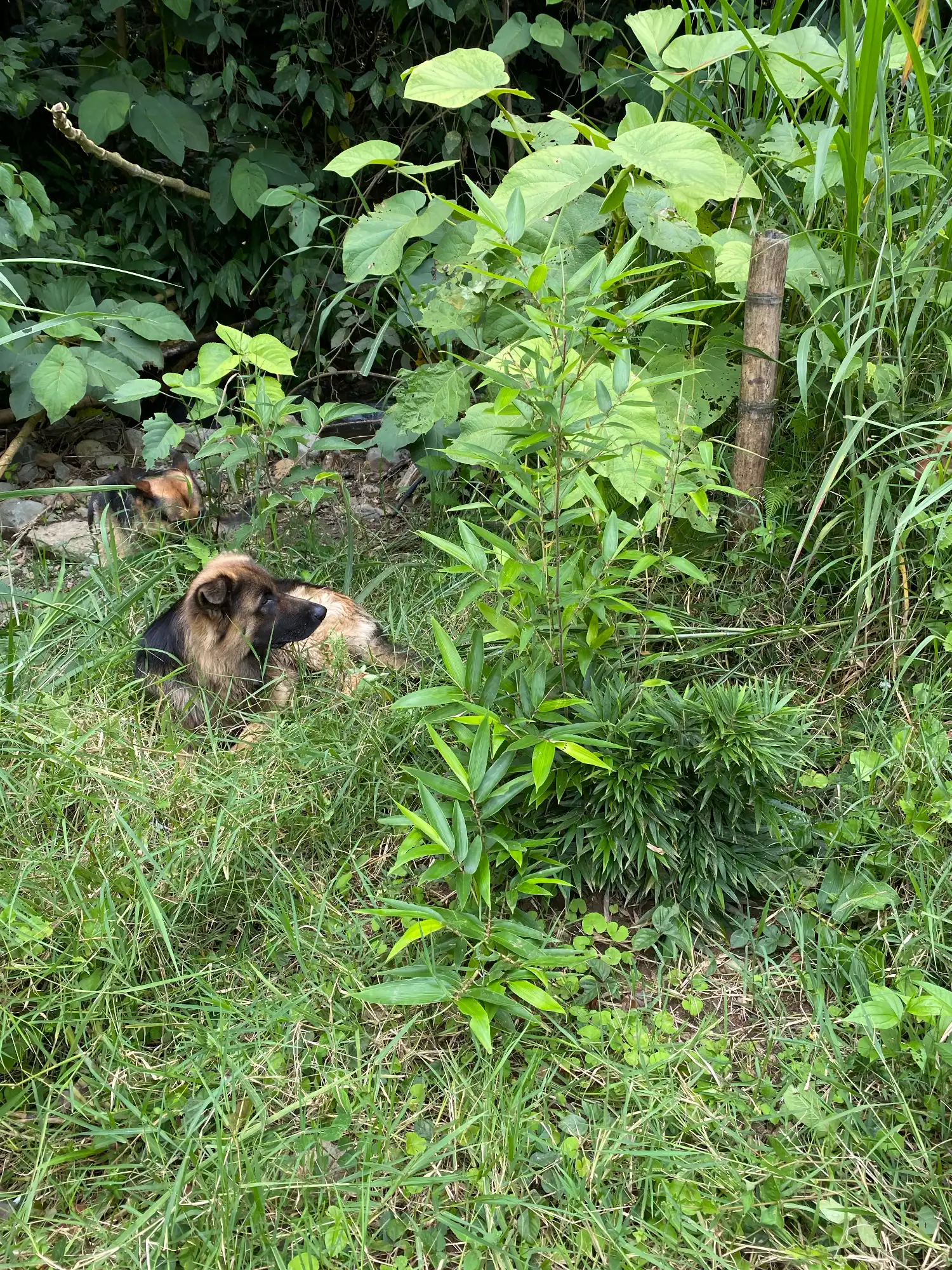
Phyllostachys edulis
Phyllostachys edulis
Phyllostachys edulis
Phyllostachys edulis
Phyllostachys edulis
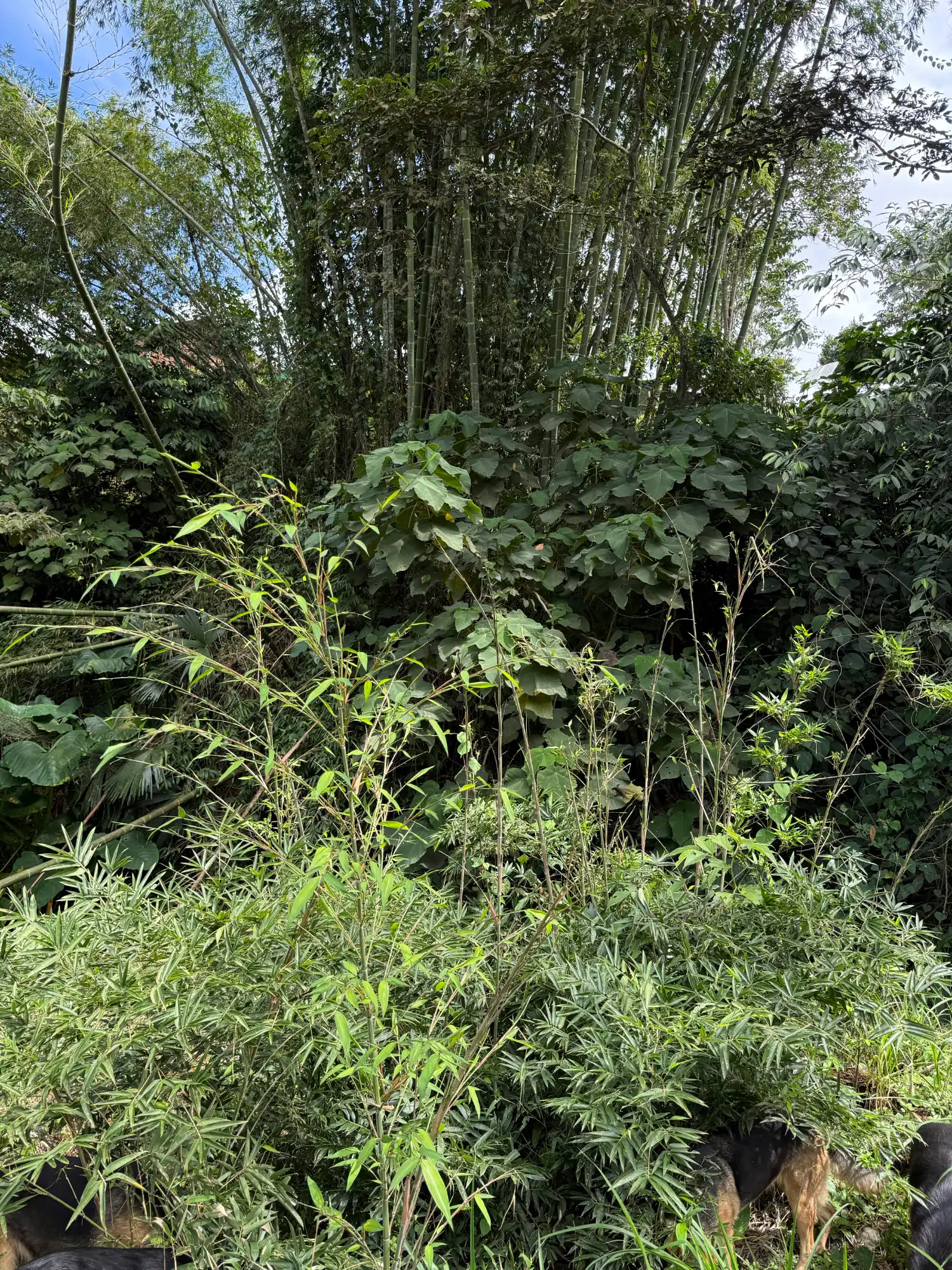
Phyllostachys edulis
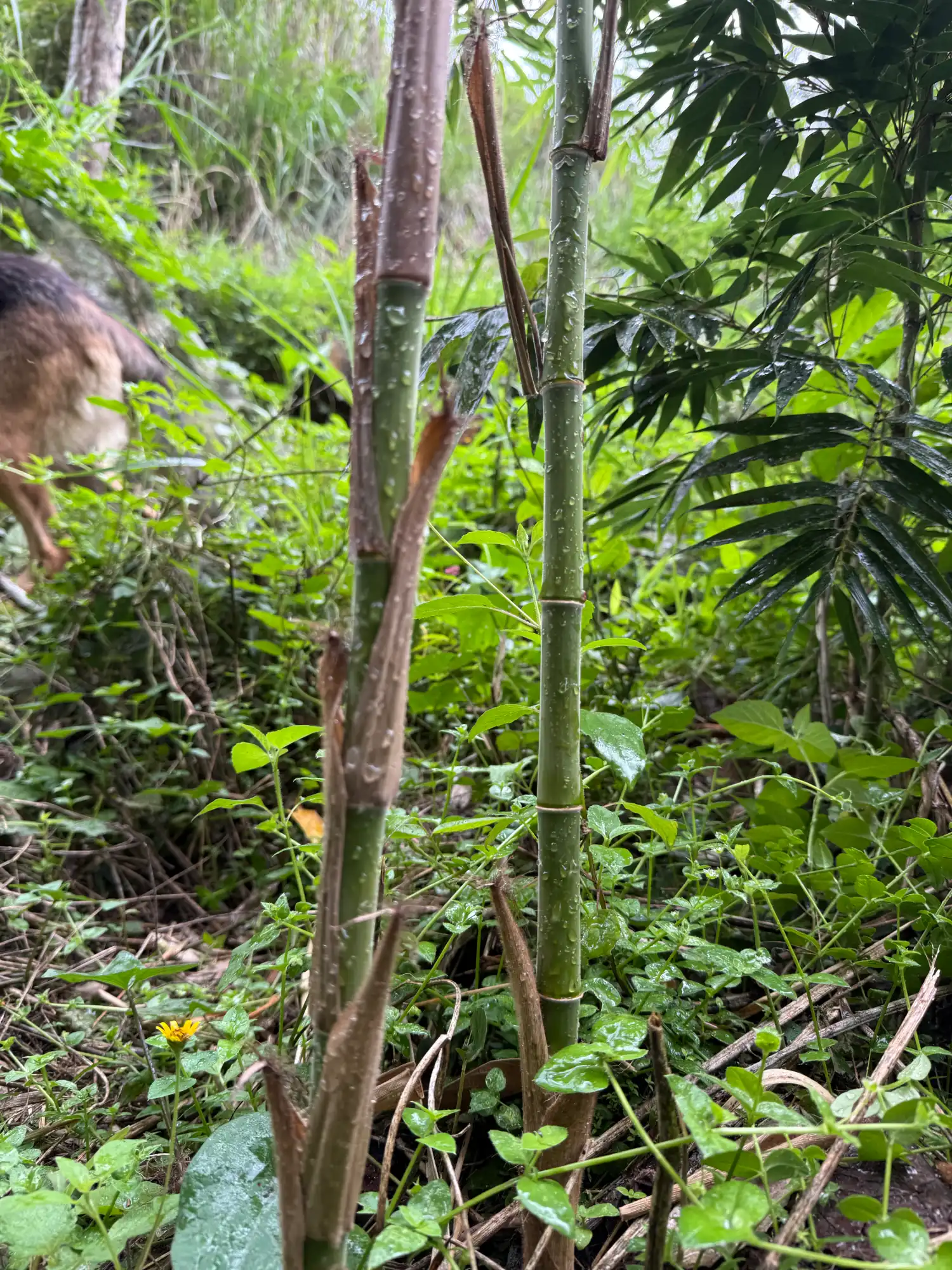
Phyllostachys edulis
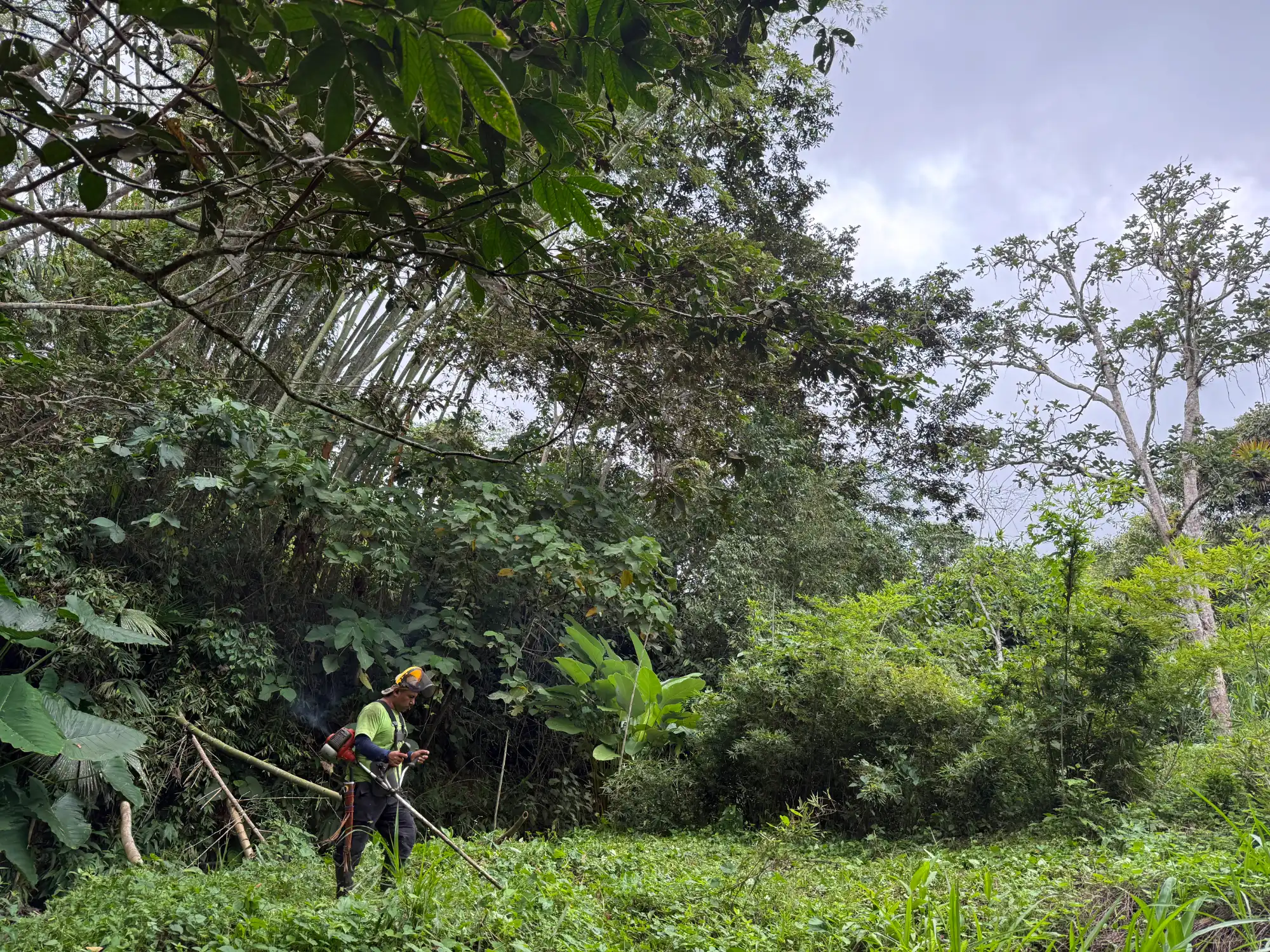
Phyllostachys edulis
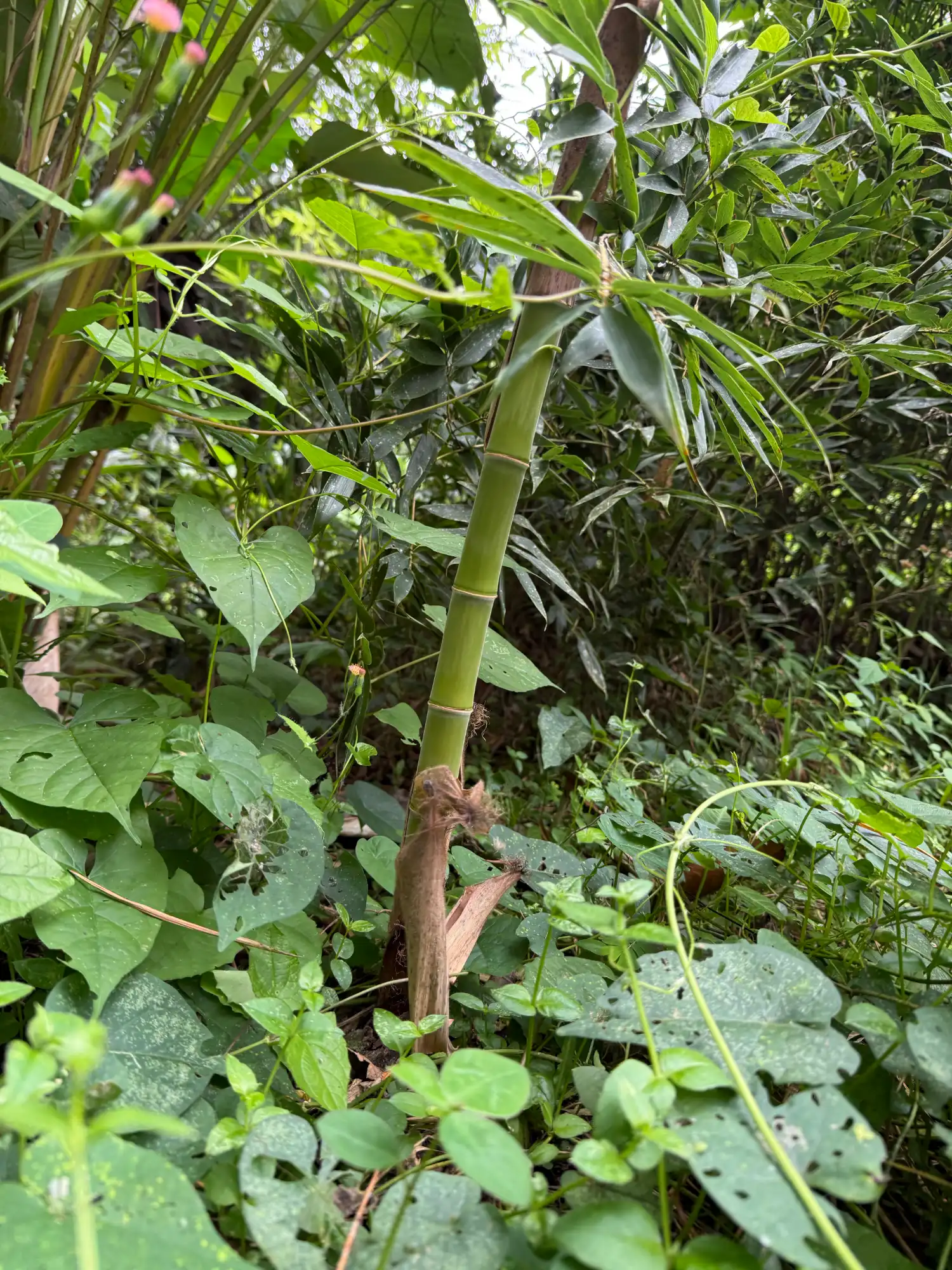
Phyllostachys edulis
Hi, Stéphane!
Thank you very much for the botanical profiles.
They are an excellent source of information about bamboos. I have learned a lot!
The botanical profiles are unique on the internet. No other site has anything similar and so useful to those profiles.
In Appalachian mountains in Pennsylvania zone 5, Moso of the North Phyllostachys edulis has been growing the last 10 years in a loamy site, facing north. It doesn’t worry about competing with grass, propagating without my help. Not sheltered from wind. The culms are narrow diameter so far and without interesting color or texture yet. Transplants easily. I am very happy with it!