

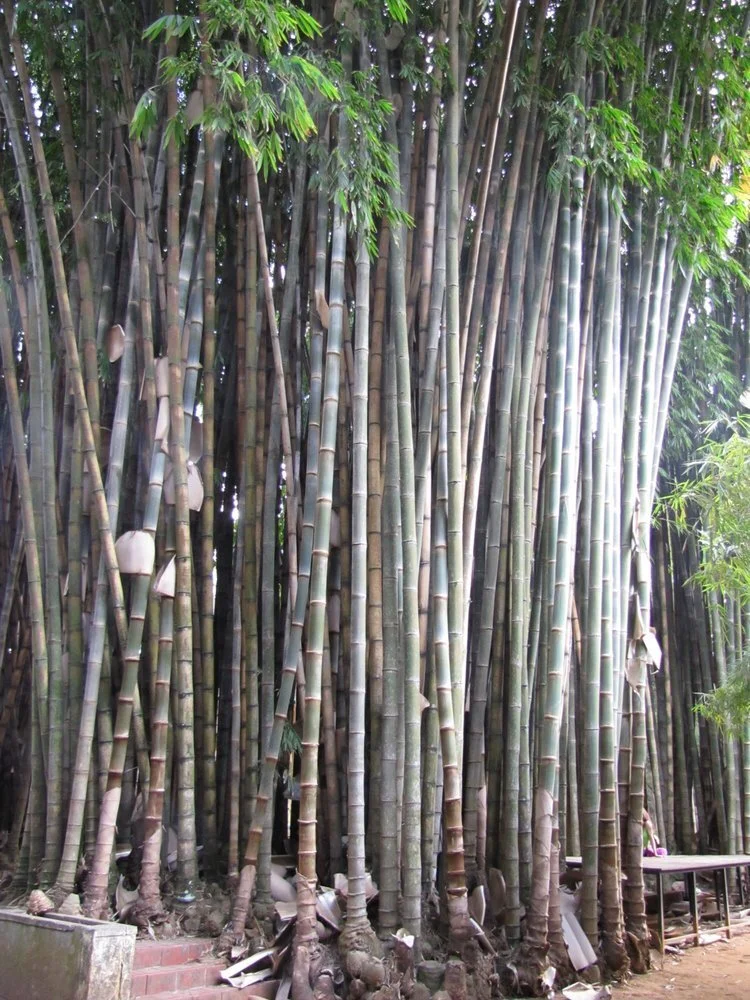
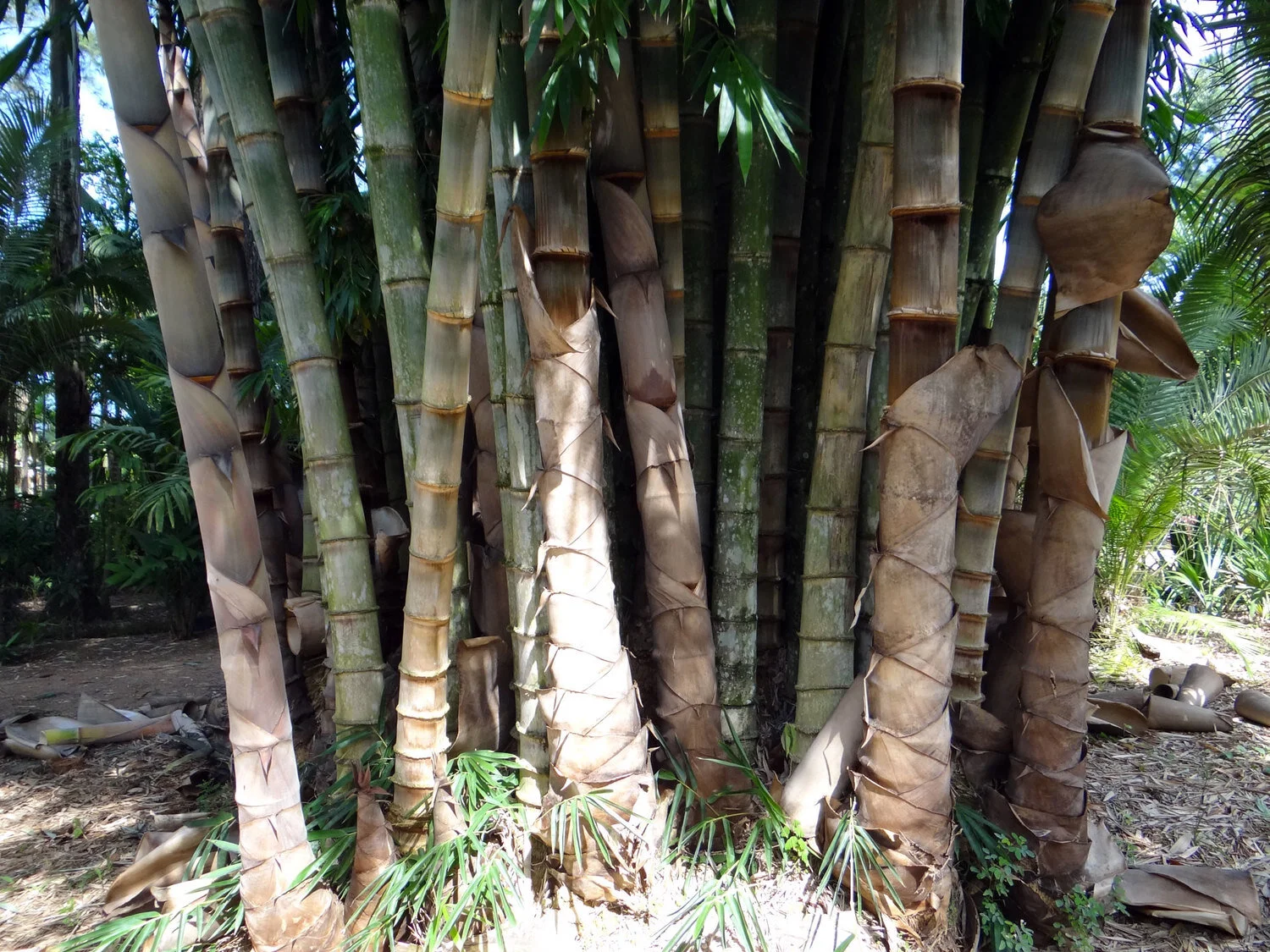
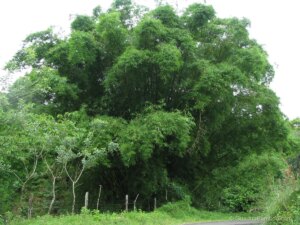
Dendrocalamus giganteus also known as Giant Bamboo or Dragon Bamboo is a giant tropical and subtropical clumping species native to India, China, Laos, and Myanmar. It is considered the second tallest bamboo in the world.
| Attribute | Description |
|---|---|
| Scientific Name | Dendrocalamus giganteus |
| Synonyms | Bambusa gigantea |
| Common Names | Giant Bamboo, Dragon Bamboo |
| Family | Poaceae |
| Tribe | Bambuseae |
| Genus | Dendrocalamus |
| Height | 20 – 30 m |
| Diameter | 20 – 30 cm |
| Growth Habit | Dense Clumping |
| Climate | Tropical – Subtropical |
| Hardiness | -4°C |
| Edibility | ★★★☆☆ (3 of 5) |
| Flowering Cycle | 40-76 years |
| Origin | Bhutan, China, India, Laos, Myanmar, Nepal |
| Uses | Construction, Paper Pulp, Laminated Lumber, Crafts, Furniture. |
Culms
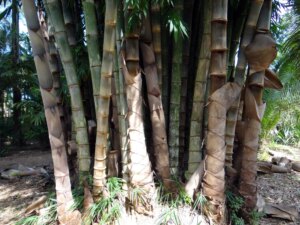
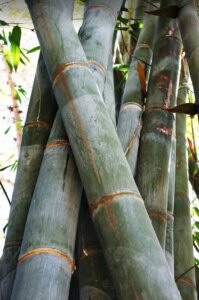
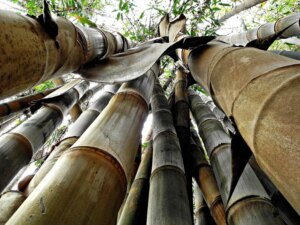
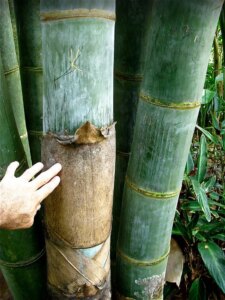
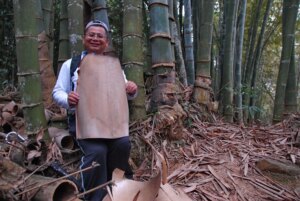
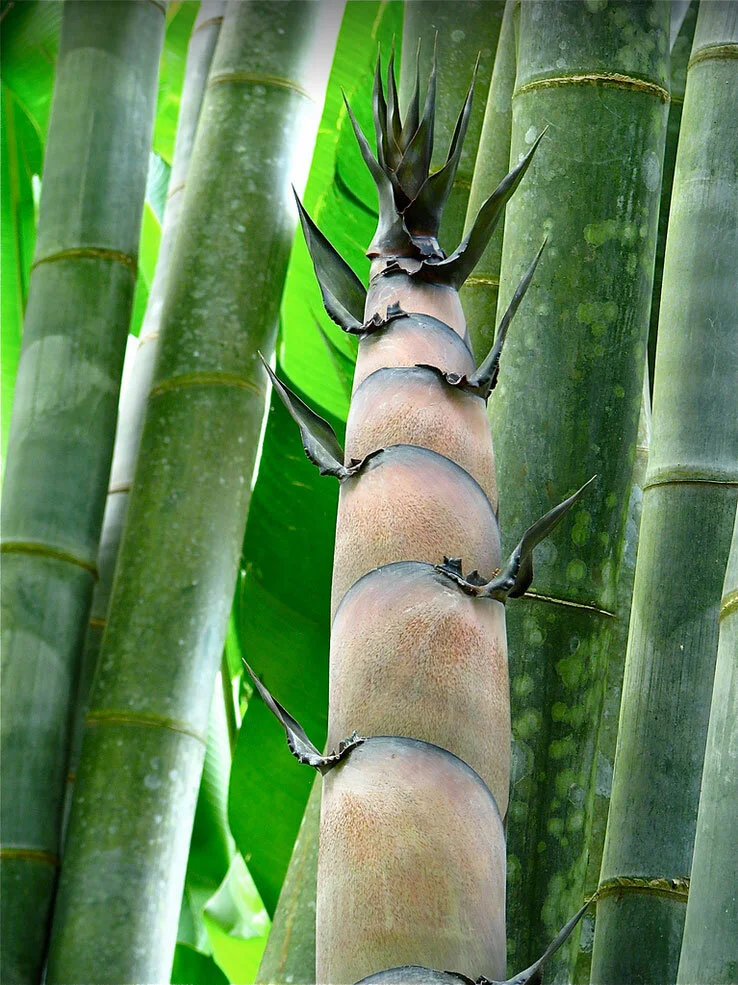
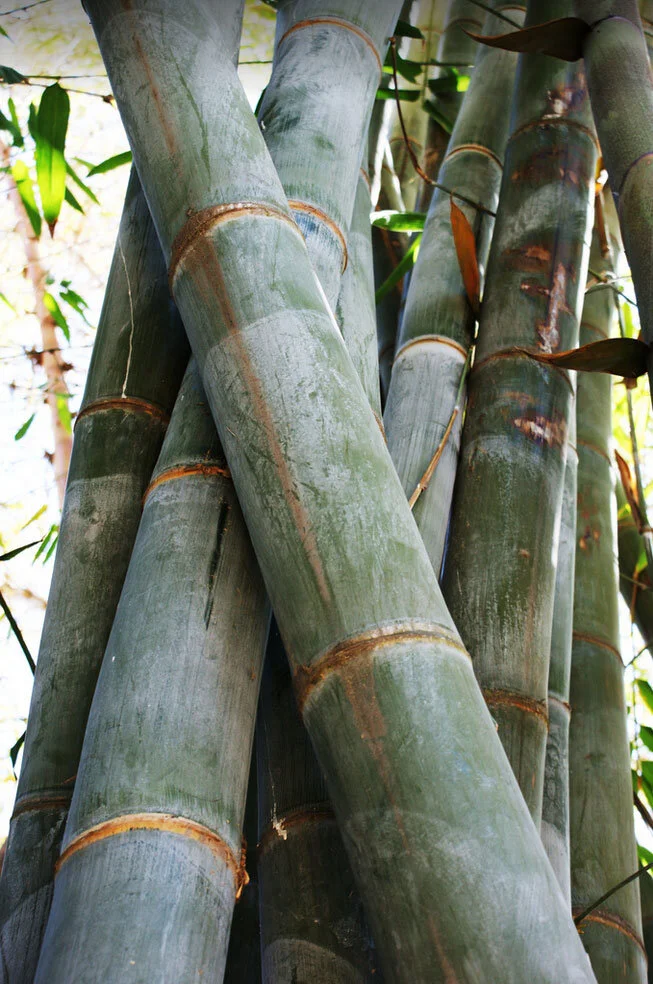
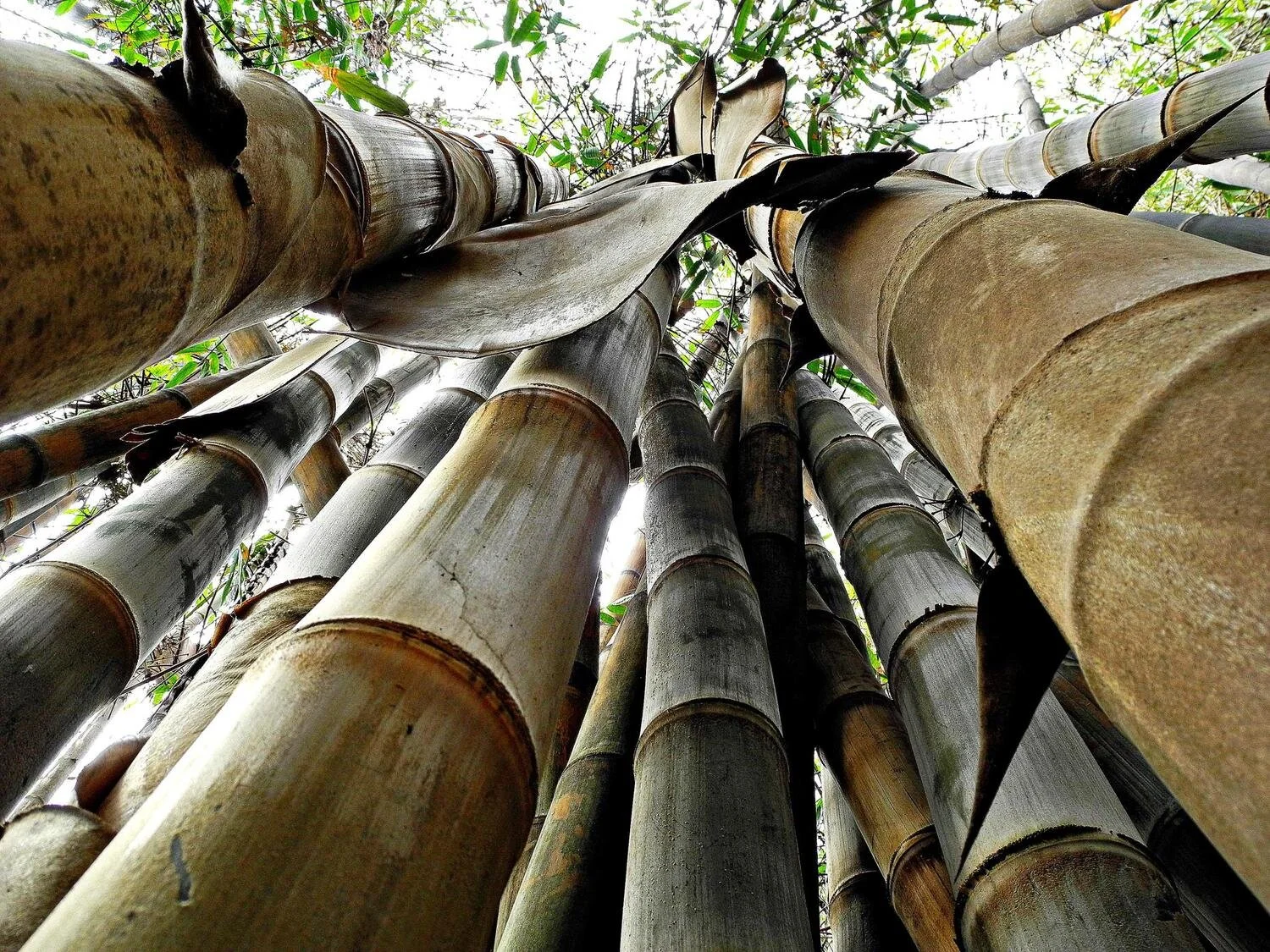
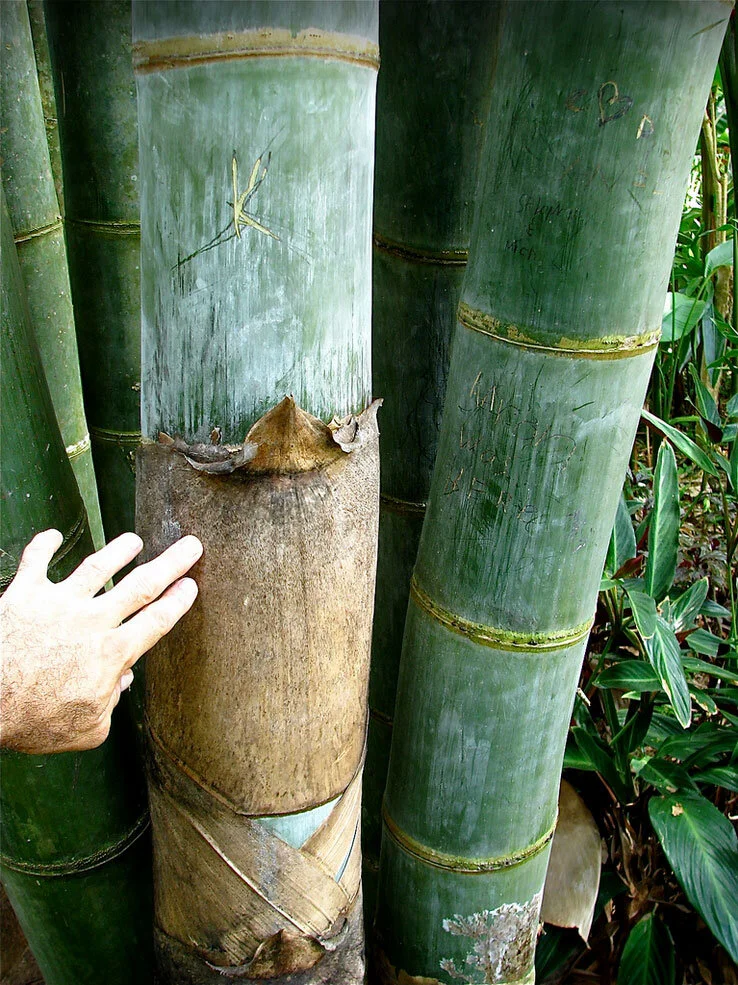
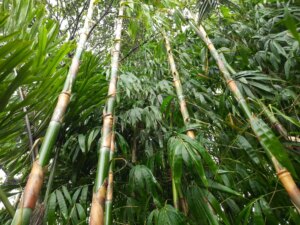
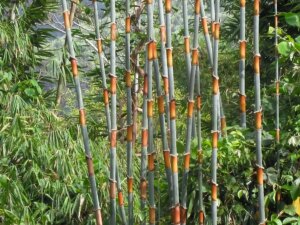
Dendrocalamus giganteus is the second tallest bamboo in the world with gigantic large culms between 20-30 m tall (42 m has been reported under optimal conditions) and 20-30 cm in diameter. Culms are thick-walled (2-2.5 cm), dull green to dark bluish green and covered with a white waxy crust when young. Internodes are usually 35-45 cm long, and with roost scars on the lower nodes.
Branches
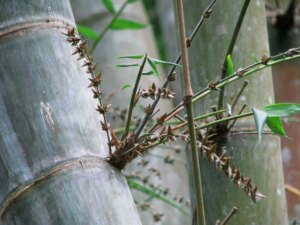
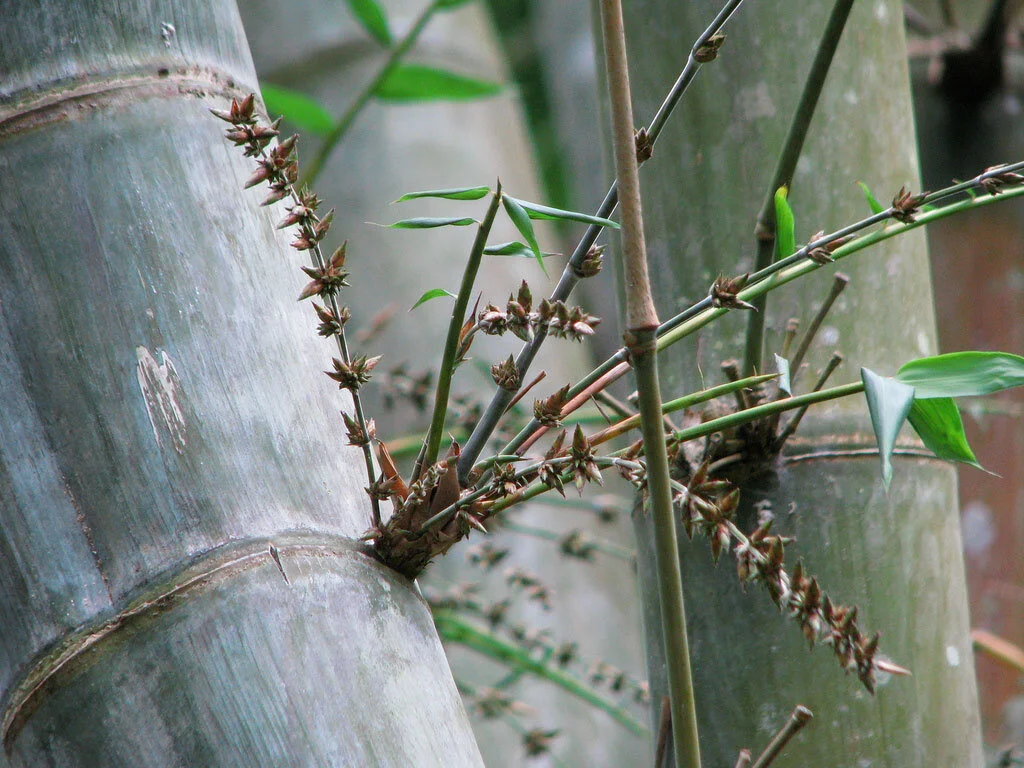
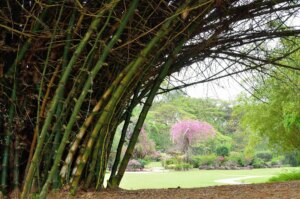
Many clustered branches with 1 larger dominant branch.
Leaves
Leaves are variable in size, but can be from 15-50 cm in length and between 3-10 cm wide.
Flowering
Flowering cycle and seed-setting is reported to be about every 40-76 years for Dendrocalamus giganteus.
Habitat
Giant Bamboo occurs naturally in humid tropical highlands or hill slopes, usually up to 1,200 m altitude. It can be grown successfully in lowlands on rich loam or alluvial soils, where humidity is high.
Uses
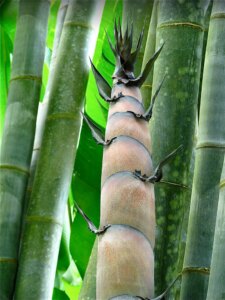
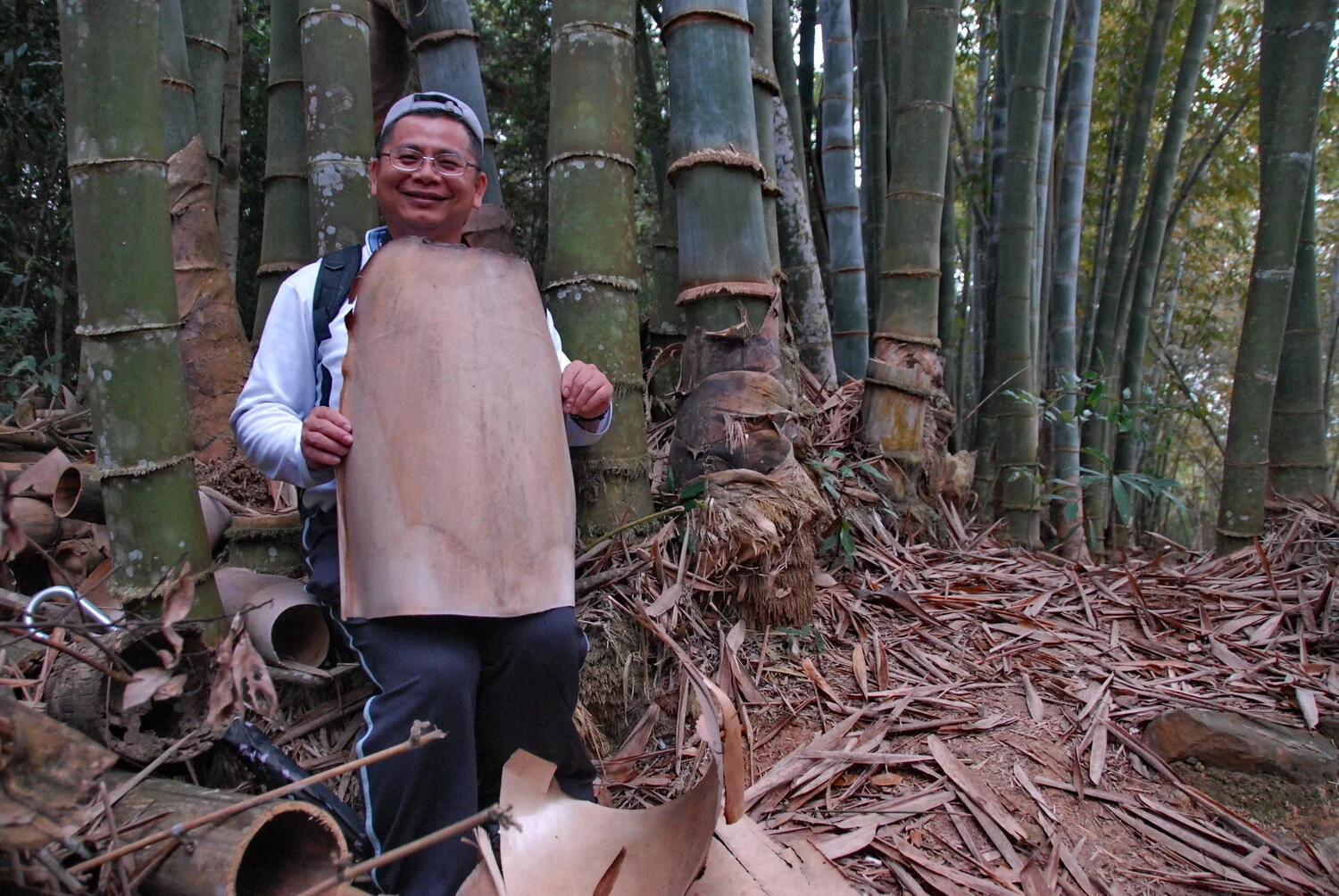
Dendrocalamus giganteus is one among the twelve high yielding bamboos worth raising as a large scale bamboo plantation, as it is very good for construction, paper production and young shoots are good for vegetable products. Culms are also used for scaffolding, boat masts, rural housing, water pipes, vases, buckets, water pitchers, matting, boards and parquet, furniture, water pots. Culm sheaths are used to make hats.
Biomass
This bamboo species produces a large amount of biomass. It can give an annual yield of 20 to 30 t/ha, which is 2.7 times more than that of Dendrocalamus latiflorus.
Origin
Assam, China South-Central, East Himalaya, India, Laos, Myanmar
Hi. where can I get it’s seeds please suggest me
Thank you for the information.
The seed supplier of this species has informed me that the yield can be up to 200tons/ha per annum if there are 400 seeds planted within a hectare plus proper fertilization and water. Is this something achievable?
Even at the yield of 100 ton/ha/annum is already very attractive, however your number say only 20-30tons/ha.
Thank you.
how many liters water does giganteus require to grow to optimal?
where can i Buy it? could not find anywhere in the internet
Would D. giganteus grow in the Azores?
Please share us about MOR and Density of this species.