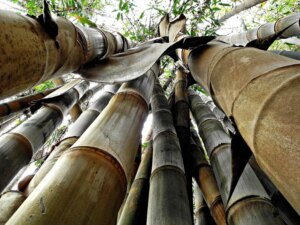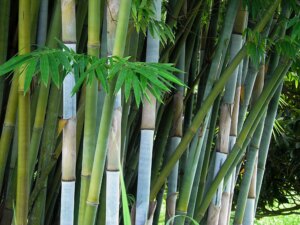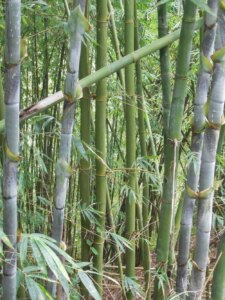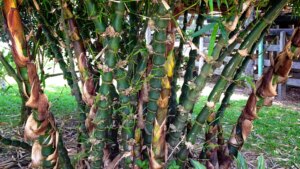

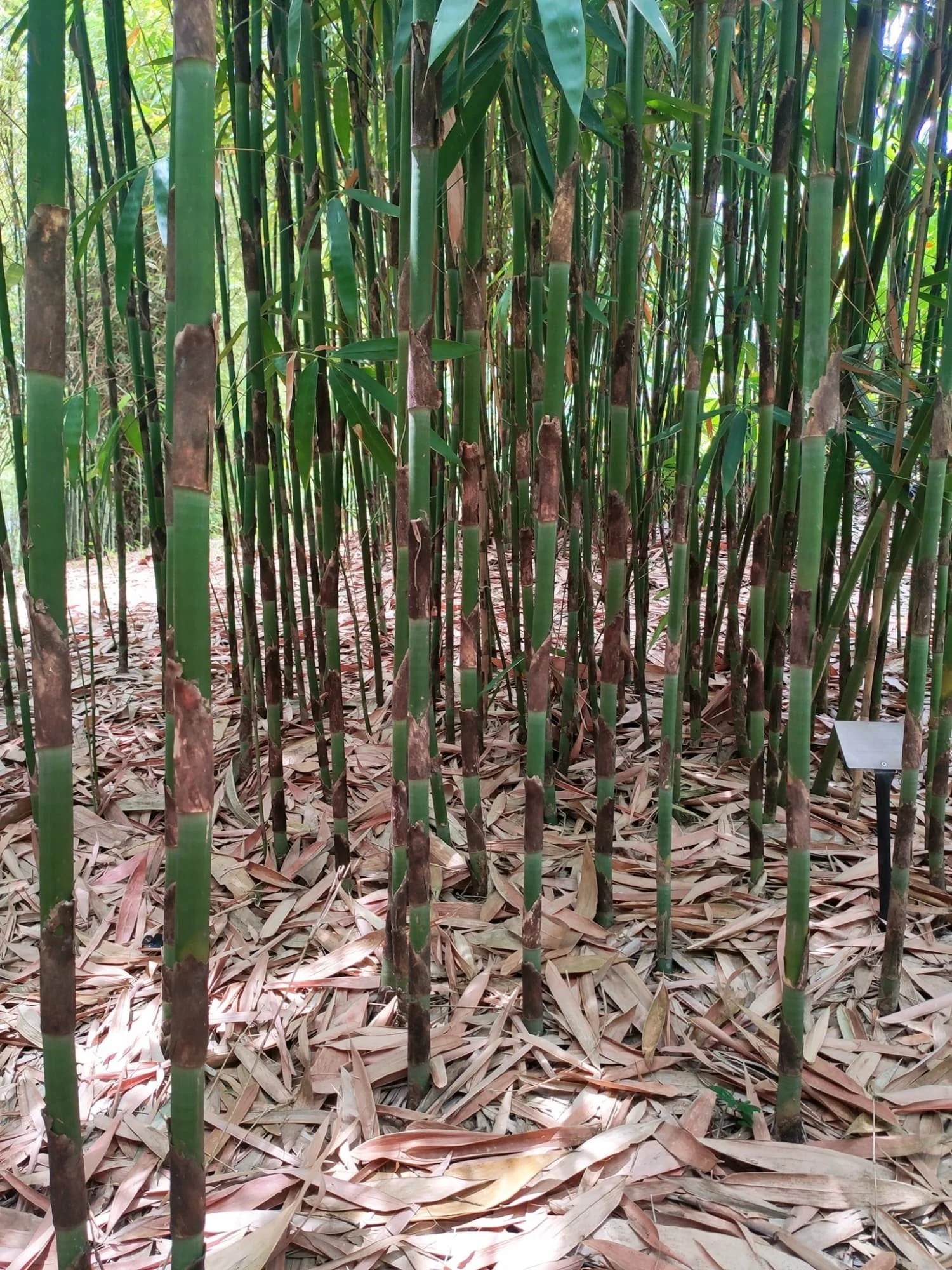
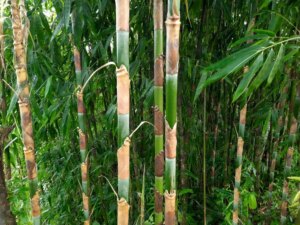
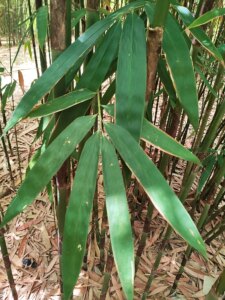
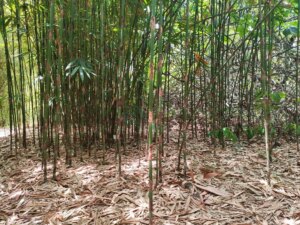
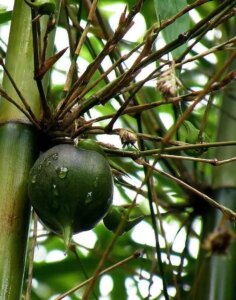
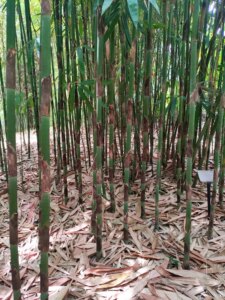
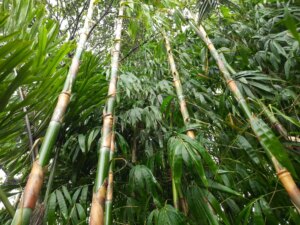
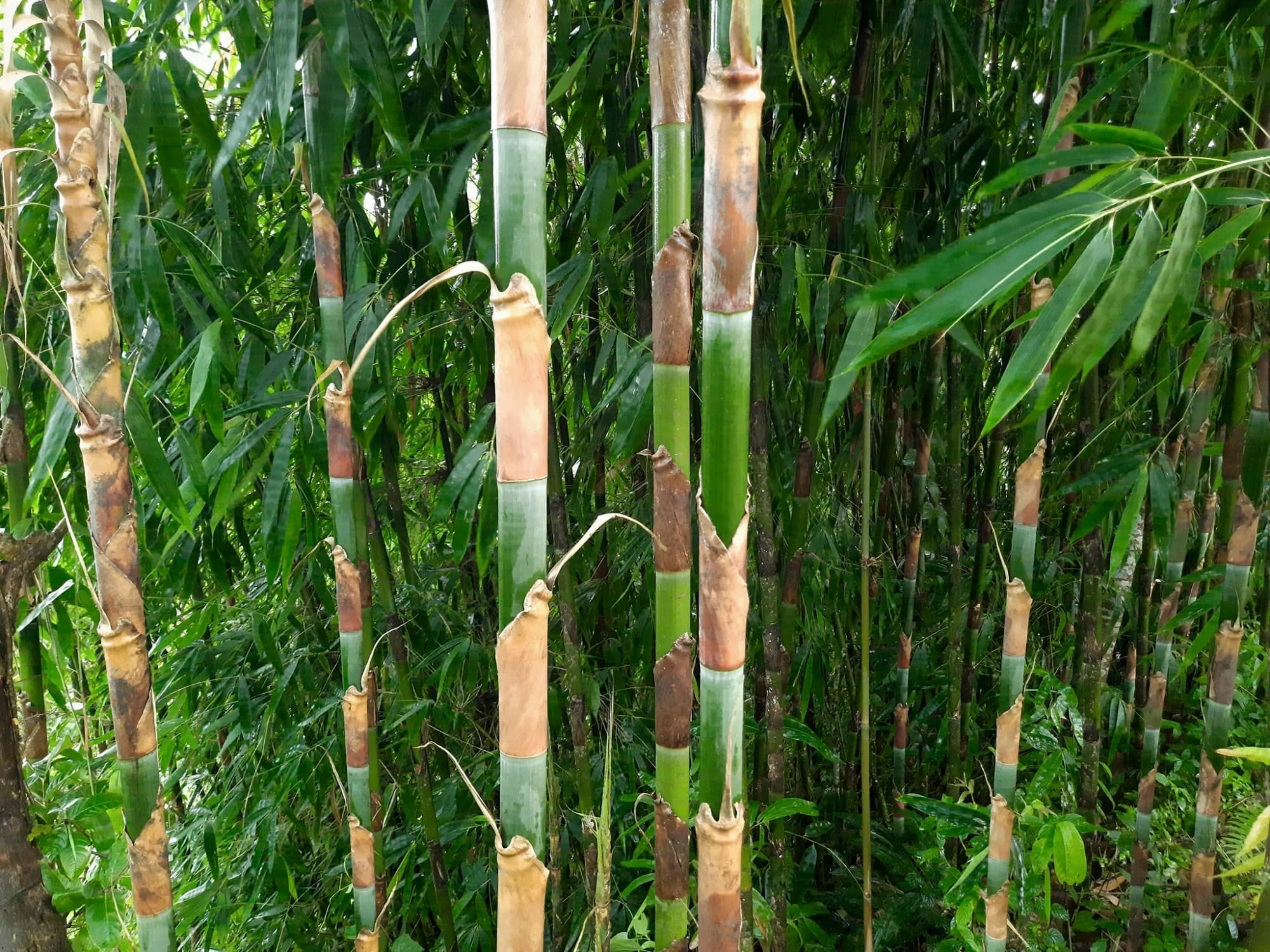
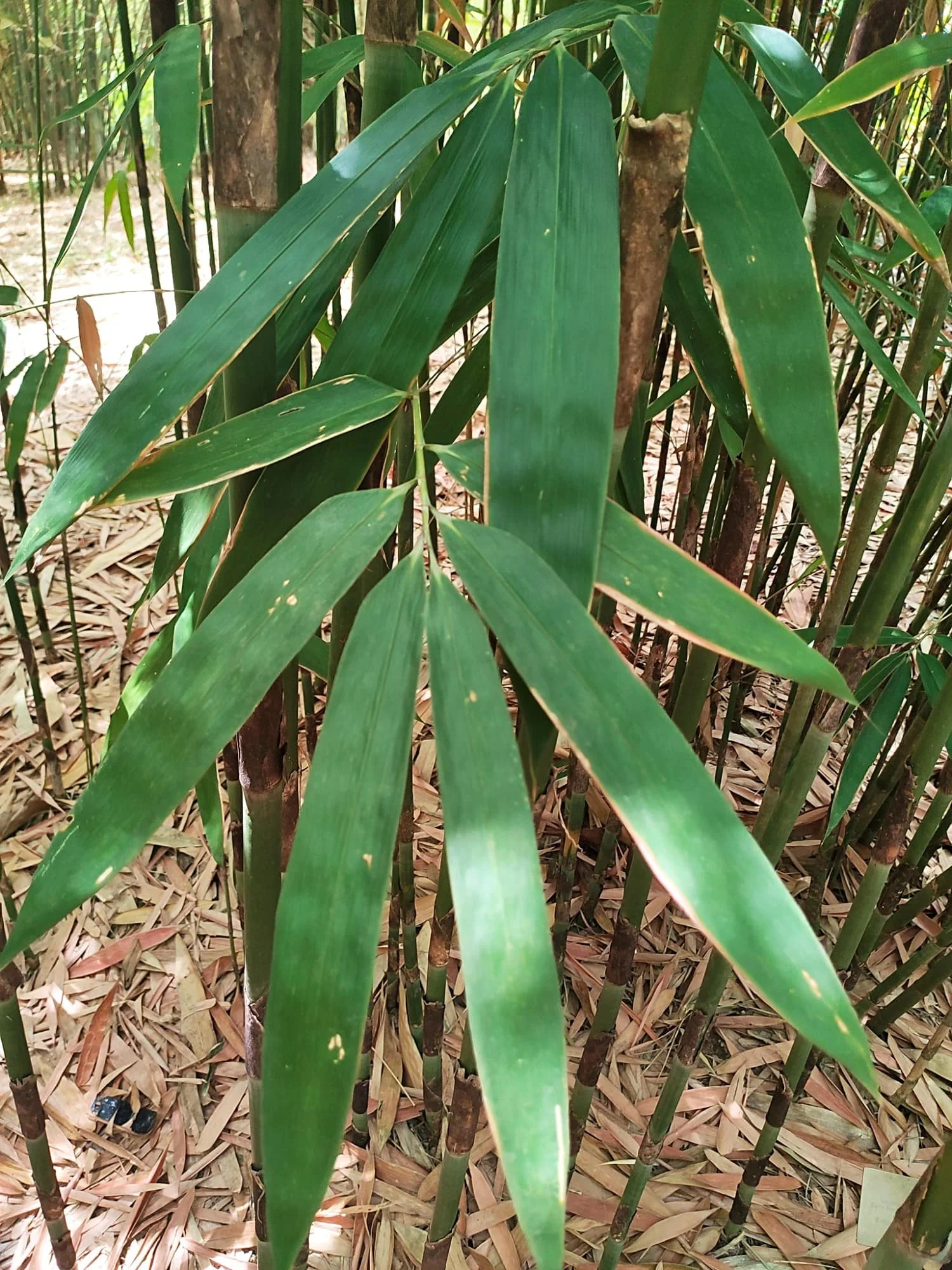
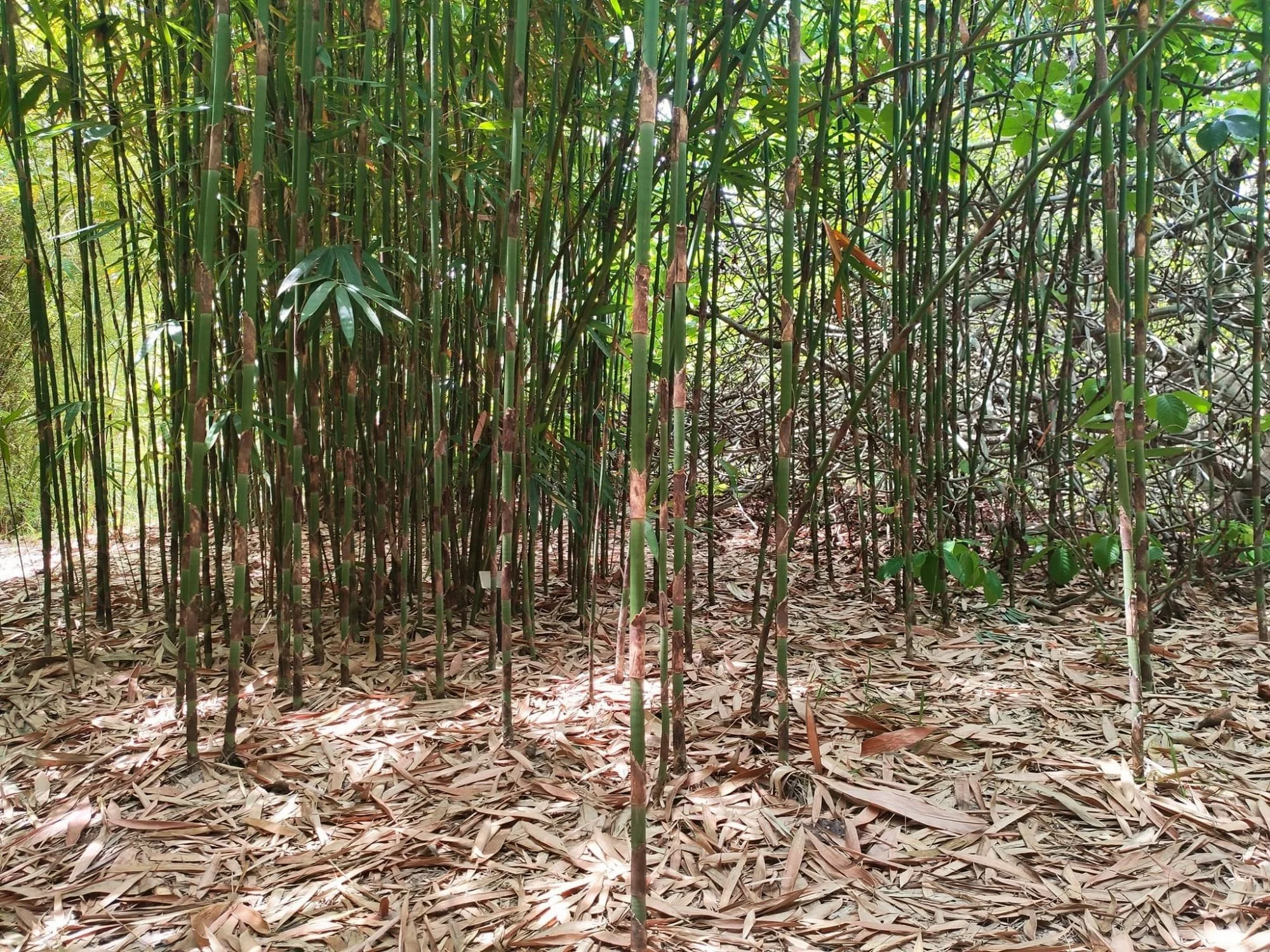
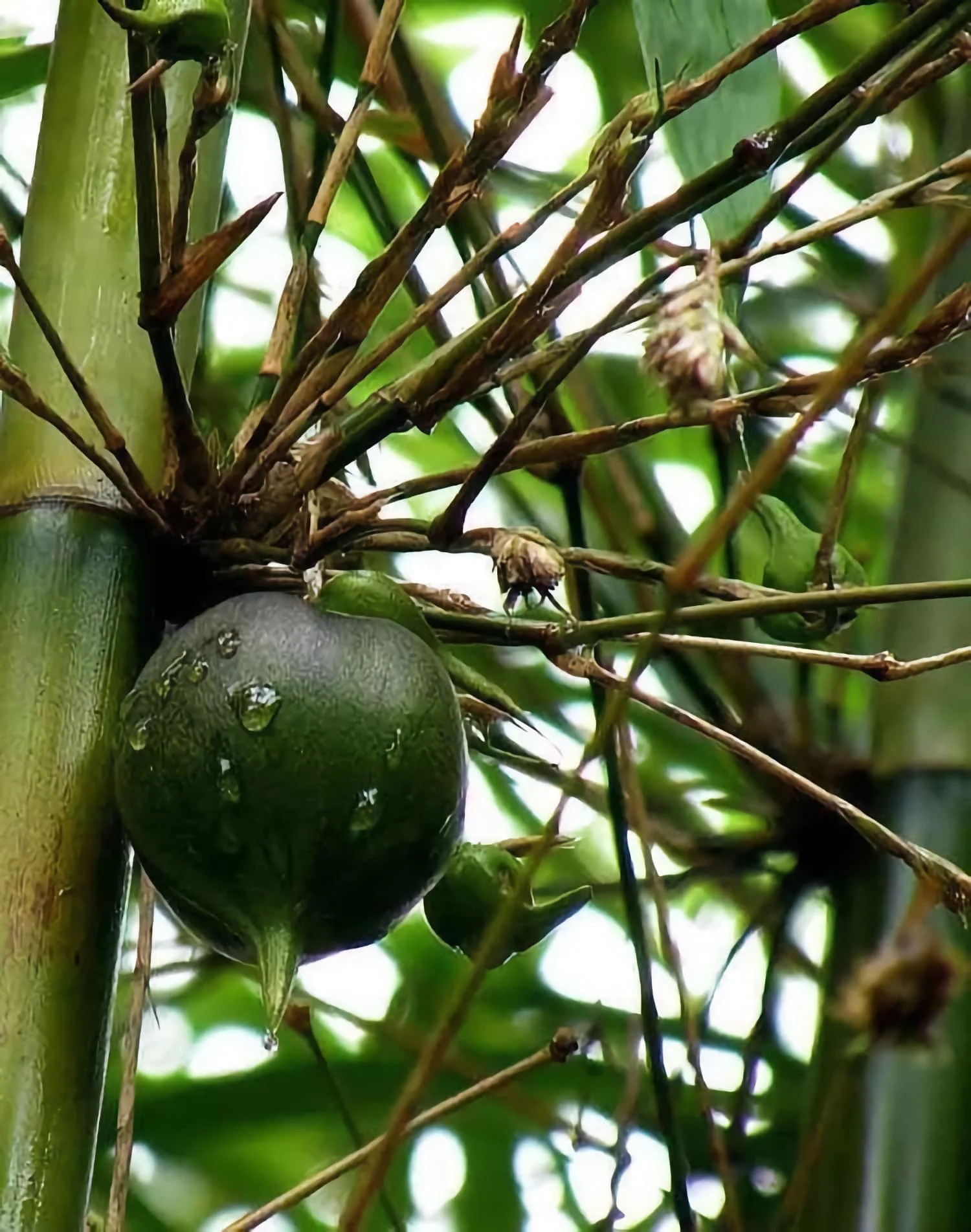
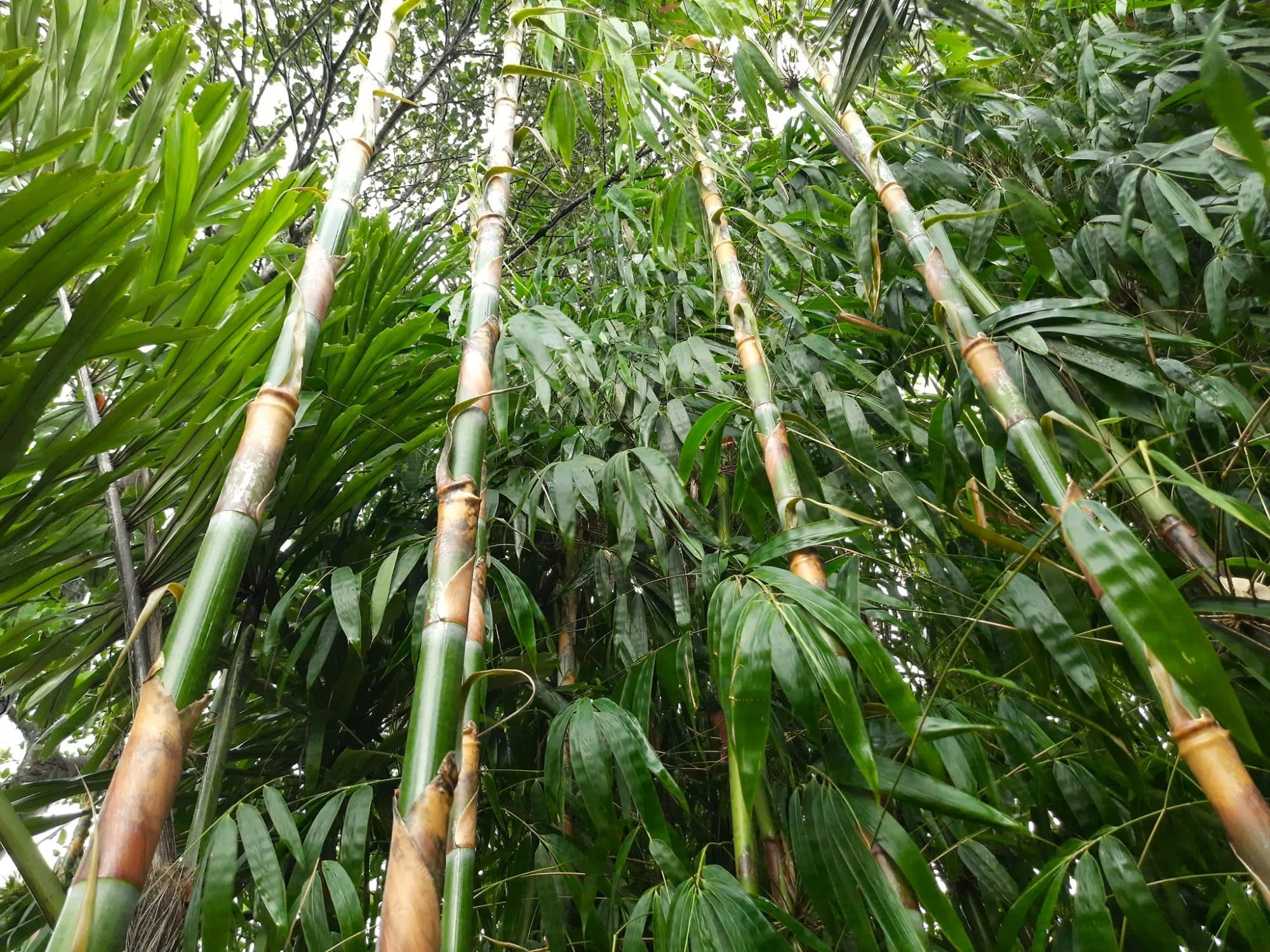
Melocanna baccifera commonly known as “Muli Bamboo” or “Berry Bamboo” is a tropical bamboo native to Bangladesh, Bhutan, India, Myanmar and Nepal. Melocanna baccifera is an invasive species that can occupy large areas due to its long and vigorous rhizomes and, in flowering, for its fruits that are easy to germinate. Fruits have the size and shape of a pear and are edible. Melocanna baccifera is one of the most useful bamboos within its native range, especially in Bangladesh, where stems have a wide range of uses.
No Caption
No Caption
No Caption
No Caption
No Caption
No Caption
1/1
| Attribute | Description |
|---|---|
| Scientific Name | Melocanna baccifera |
| Synonyms | Melocanna bambusoides, Bambusa baccifera |
| Common Names | Muli Bamboo, Berry Bamboo |
| Family | Poaceae |
| Tribe | Bambuseae |
| Genus | Melocanna |
| Height | 10-20 m |
| Diameter | 3-7 cm |
| Growth Habit | Open Clumping |
| Color | Green when young, straw colored when mature. |
| Internodes | 30-60 cm |
| Wall thickness | Thin |
| Branches | Many clustered branches at the nodes. |
| Leaves | 18-42 cm long, 20-90 mm wide. |
| Climate | Tropical – Subtropical |
| Exposure | Full Sun – Partial Sun |
| Hardiness | 0°C |
| Soil | Loam to Sandy Loam – Well drained |
| Water Needs | Average. |
| Planting Distance | • 2 x 2 m for erosion control. • 4 x 4 m for culm production. |
| Edibility | ★☆☆☆☆ (1 of 5) |
| Flowering Cycle | 7-50 years |
| Origin | Bangladesh, Bhutan, China, India, Myanmar, Nepal |
| Uses | Light construction,woven mats, baskets, handicrafts, household utensils, superior paper pulp, tabashir, erosion control. |