
The Early Days
You’ve been in the bamboo business for two decades. How did it all start?
I studied at the Art Academy in Antwerp, worked as a professional welder, and ran a bar in Belgium. Three very different chapters, but somehow they all made sense at the time. After selling the bar, I was done with the nightlife. I wanted to experience the tropics, nature, something completely different from the grey concrete jungle of northern Europe. So at the age of 28, I packed up and moved to Costa Rica in September 2004.
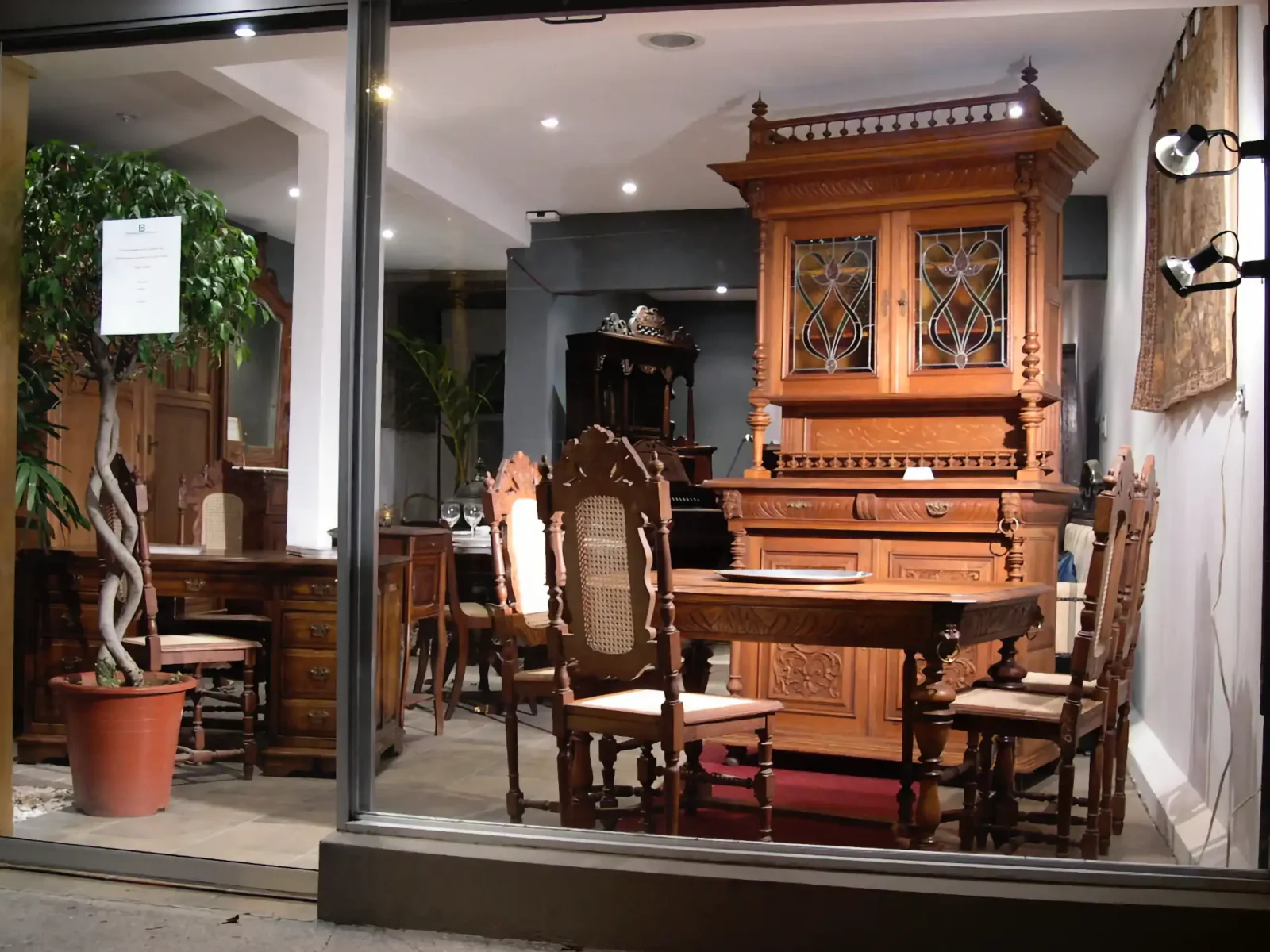
The plan was antique furniture. Costa Rica was in the middle of a foreign investment boom, developers were building high-end condos, luxury hotels, eco-resorts, and they wanted unique European pieces to furnish them. For a few years, it worked well.
Then 2007 happened. The US subprime mortgage crisis hit, and almost overnight the money dried up, the developers vanished, and my market collapsed with them. I had to find a new direction fast.
That’s when my sales rep, a Colombian guy, walked into my office with a Guadua bamboo flower vase. Without much warning, he threw it hard against the concrete floor. He picked it straight back up, not a scratch on it. I just stood there staring at it. I had always pictured bamboo as thin garden sticks. I had no idea it could even grow that big, let alone be that structurally resilient.
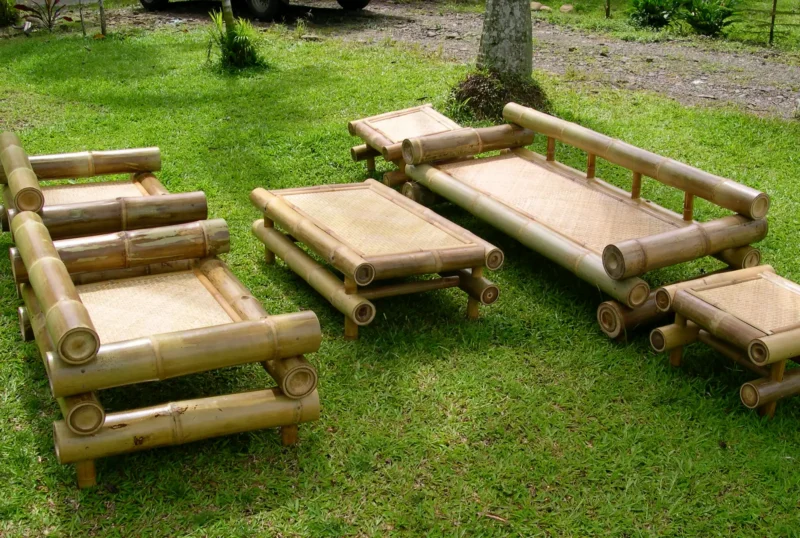
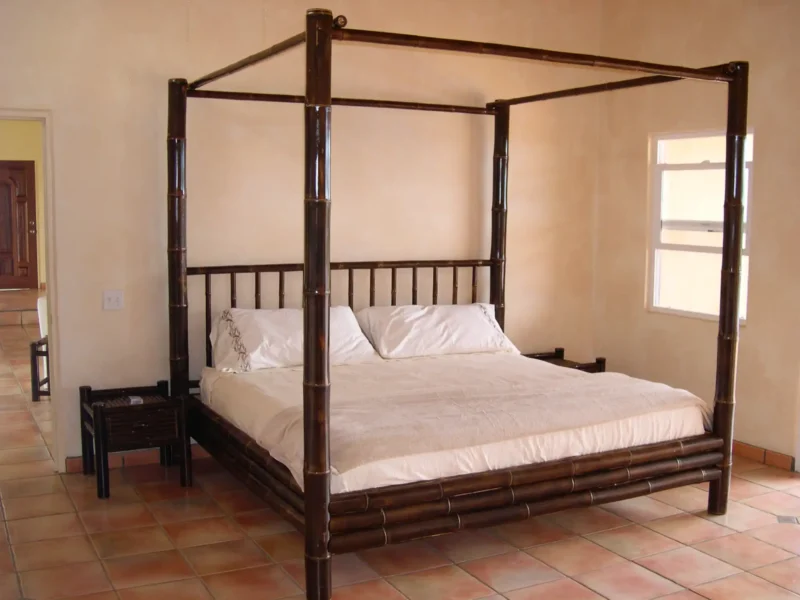
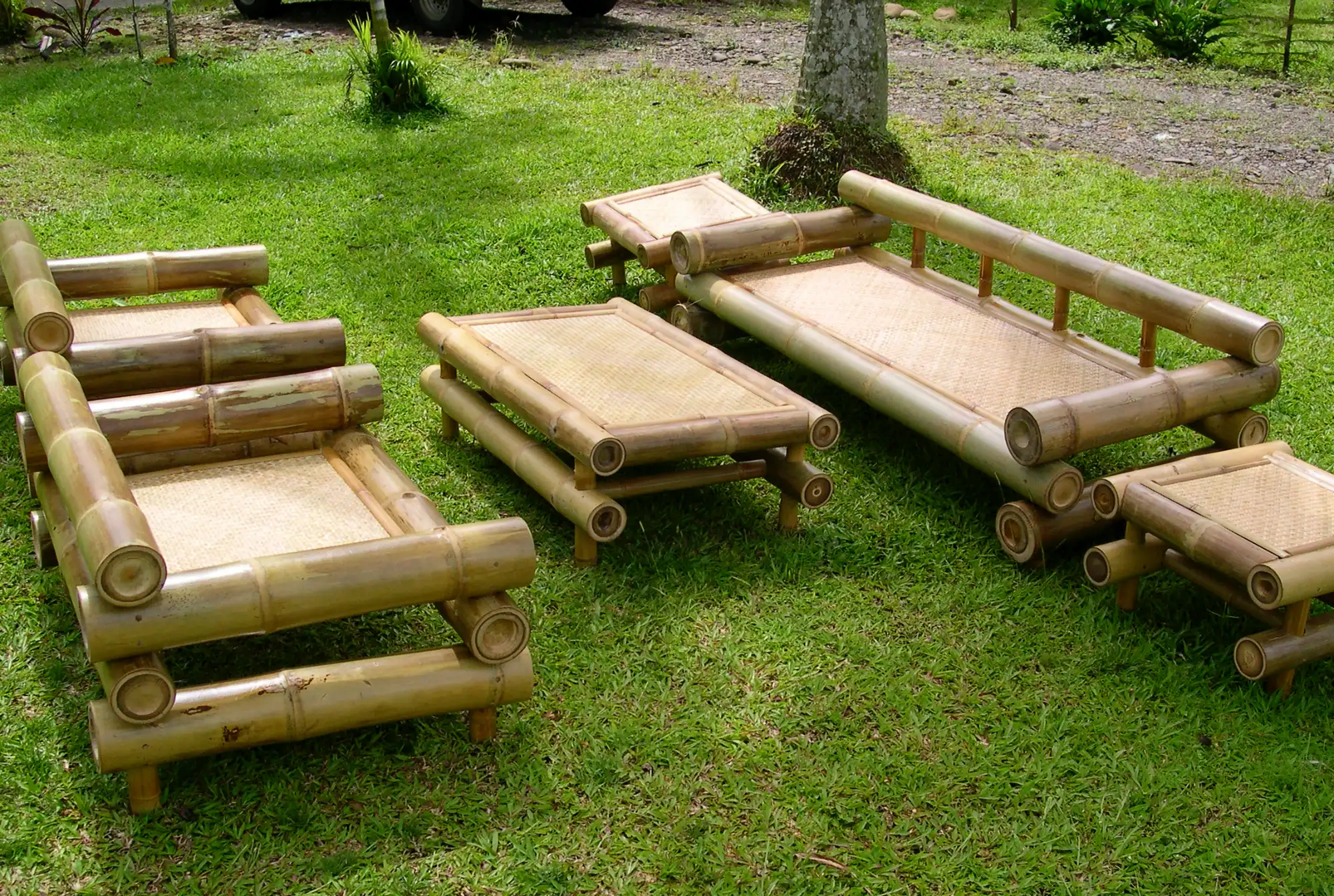
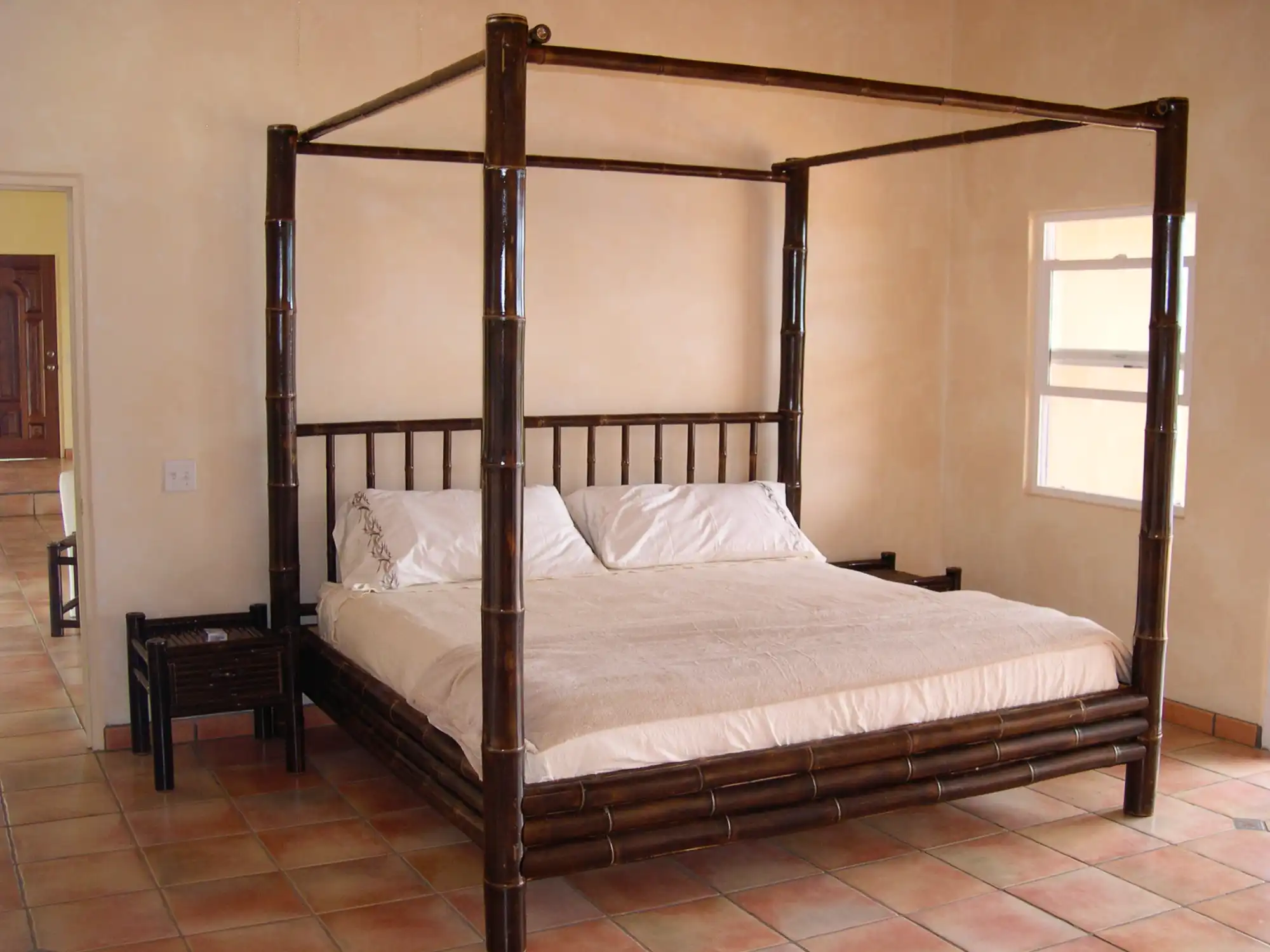
That night I went home, started researching Guadua, and became instantly obsessed. I couldn’t believe this amazing natural resource was hardly known in the Western world at the time. I was on a mission, and by August 2007 I had launched www.guaduabamboo.com. At that point sourcing locally wasn’t yet possible, so to keep the business moving I started importing bamboo furniture from Asia while I figured out the next step.
So importing bamboo furniture from Asia was your first step in the bamboo business?
Yes, but there’s some context there. During the crisis, a client ended up walking away with almost my entire antique furniture inventory without ever paying for it. Long story short, I lost most of my money in one go.
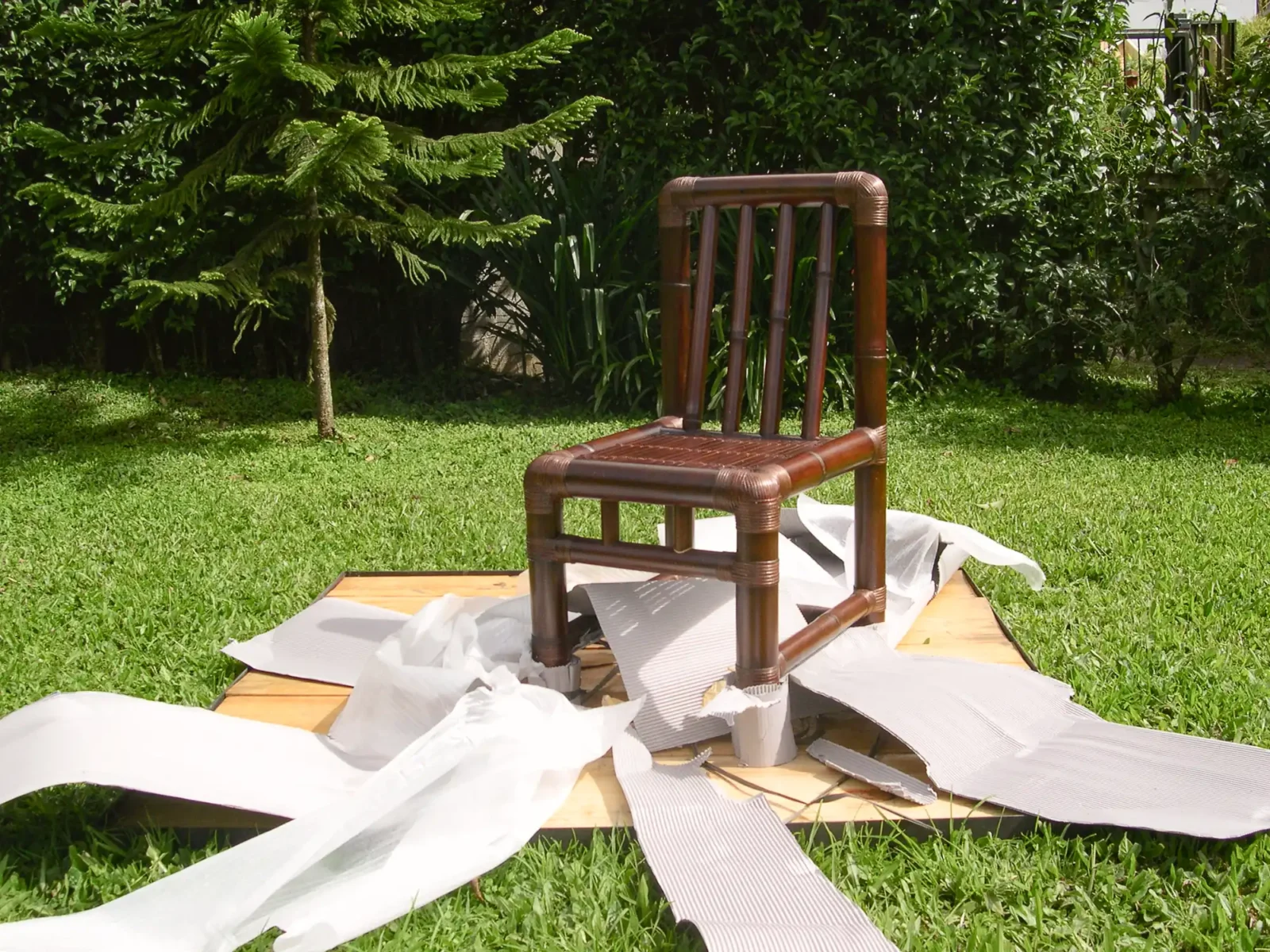
So when I launched the website, I needed a business model that minimized risk. I partnered with an Indonesian manufacturer and offered bamboo furniture to the Costa Rican market on a 50% upfront, 50% on delivery basis. Clients paid before I ordered, so I carried no stock risk. That’s how I got back on my feet within a few months.
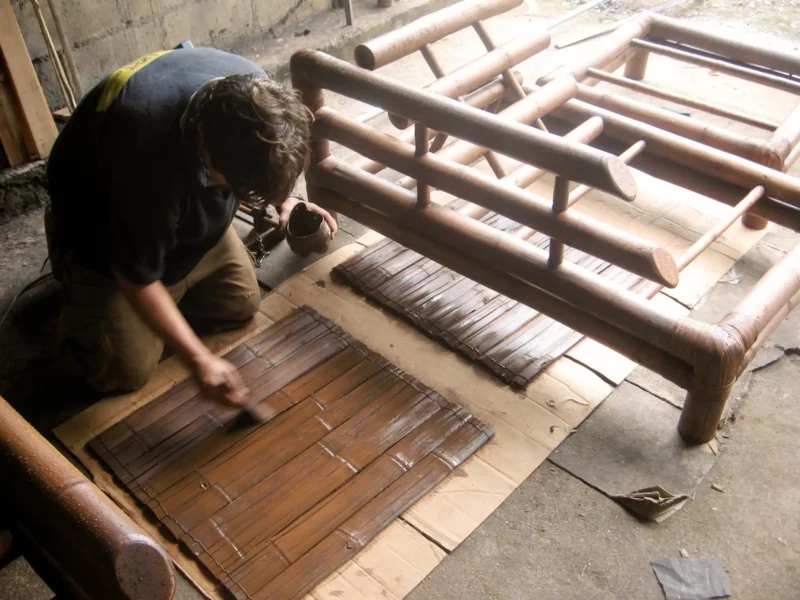
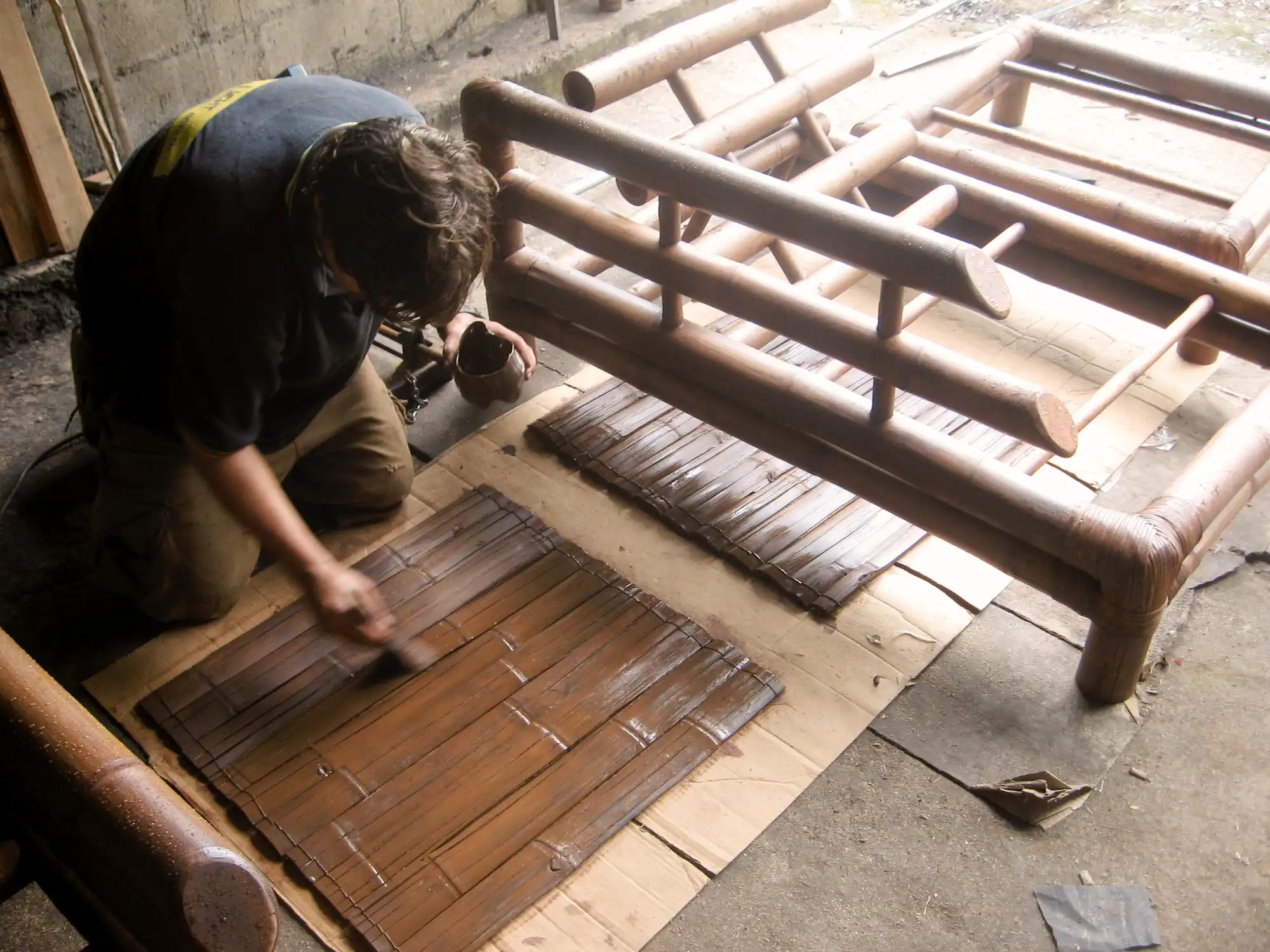
But importing was never the end goal. From day one I wanted to manufacture locally in Central America using local bamboo species. By April 2008 I had made that transition and was selling my own designs made right there in Costa Rica.
How did you go from selling furniture to becoming one of the leading bamboo nurseries in Latin America?
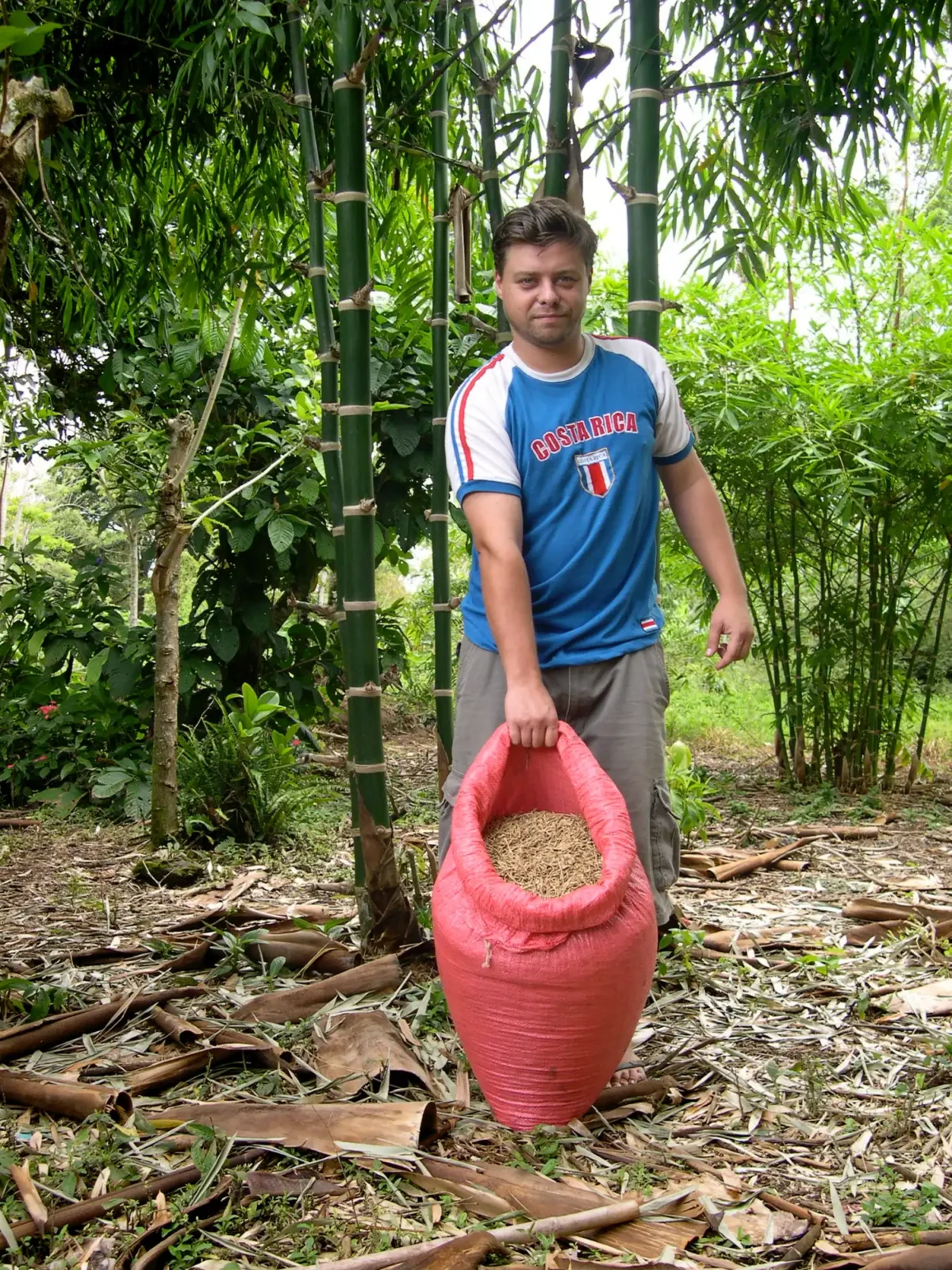
In 2009 I connected with a Belgian bamboo enthusiast in Nicaragua who had made an incredible discovery: native Guadua aculeata was going through a mass seeding event, something that only happens once every hundred years or so. For a bamboo grower, that’s like finding gold.
I started the first seed germination trials from that Nicaraguan stock in August 2009, and once I had proven the germination worked, I brought tens of thousands of seeds back to Costa Rica to build a proper commercial nursery. It opened in April 2010.
At the same time, we were harvesting and processing poles in Nicaragua as well. In March 2010 I shipped my first container of structural bamboo poles to the USA, which was a big moment. And by November that year, our work there contributed to Guadua being officially recognized by the Nicaraguan Ministry of Environment as a high-value sustainable timber resource for export. That was the first time Guadua had received that kind of formal recognition in the country.
You’re now running operations in two countries simultaneously. How did you manage that?
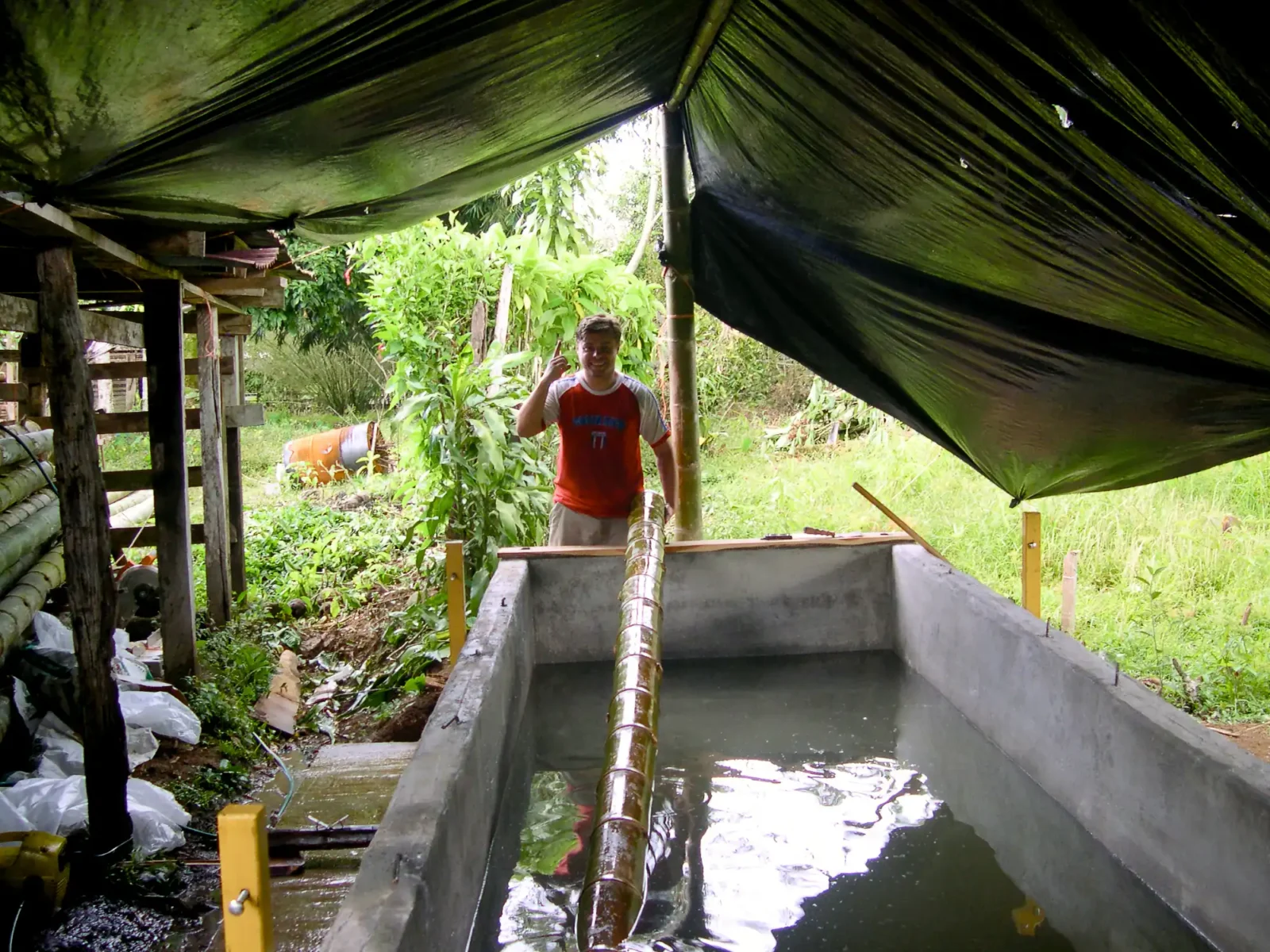
Honestly, it was complicated. Nicaragua had the bamboo, but the logistics and the political situation there were increasingly unstable, so in 2011 I decided to consolidate processing in Costa Rica and built my first bamboo treatment tank there. That gave me full control over preservation quality for the first time, no more improvised setups. A few months later I shipped my second container of treated poles to Mexico, which felt like a real step forward.
But that’s when I ran into a wall I hadn’t fully anticipated. Inquiries were coming in from architects and builders all over the world through the website, but Guadua angustifolia doesn’t grow natively in Costa Rica. The local supply was controlled by a tight monopoly of just one or two small plantations, and the pricing reflected that. Local artisans and contractors were sounding the alarm, and their concerns were completely justified. Without a reliable, affordable supply of high-quality poles, expanding the business in Costa Rica was simply not going to be possible.
From Central America to Colombia
So what was the next move?
Before I could even act on that, things got more complicated. In July 2012 I had to leave Costa Rica due to immigration issues. I had to walk away from the operation and fly back to Belgium. That was a tough few months. You build something for years and then circumstances force you to step back and watch it stall.
But sitting in Belgium gave me time to think clearly. The supply problem in Costa Rica wasn’t solvable from Costa Rica. If I wanted to work with Guadua angustifolia at the scale and quality I had in mind, I had to go to Colombia, the country where it grows natively and abundantly. So in July 2013 I made the move.
Within a few months I had rented space on a farm, set up a new treatment facility, and was already shipping container loads of treated poles to the Netherlands. It came together faster than I expected, honestly.
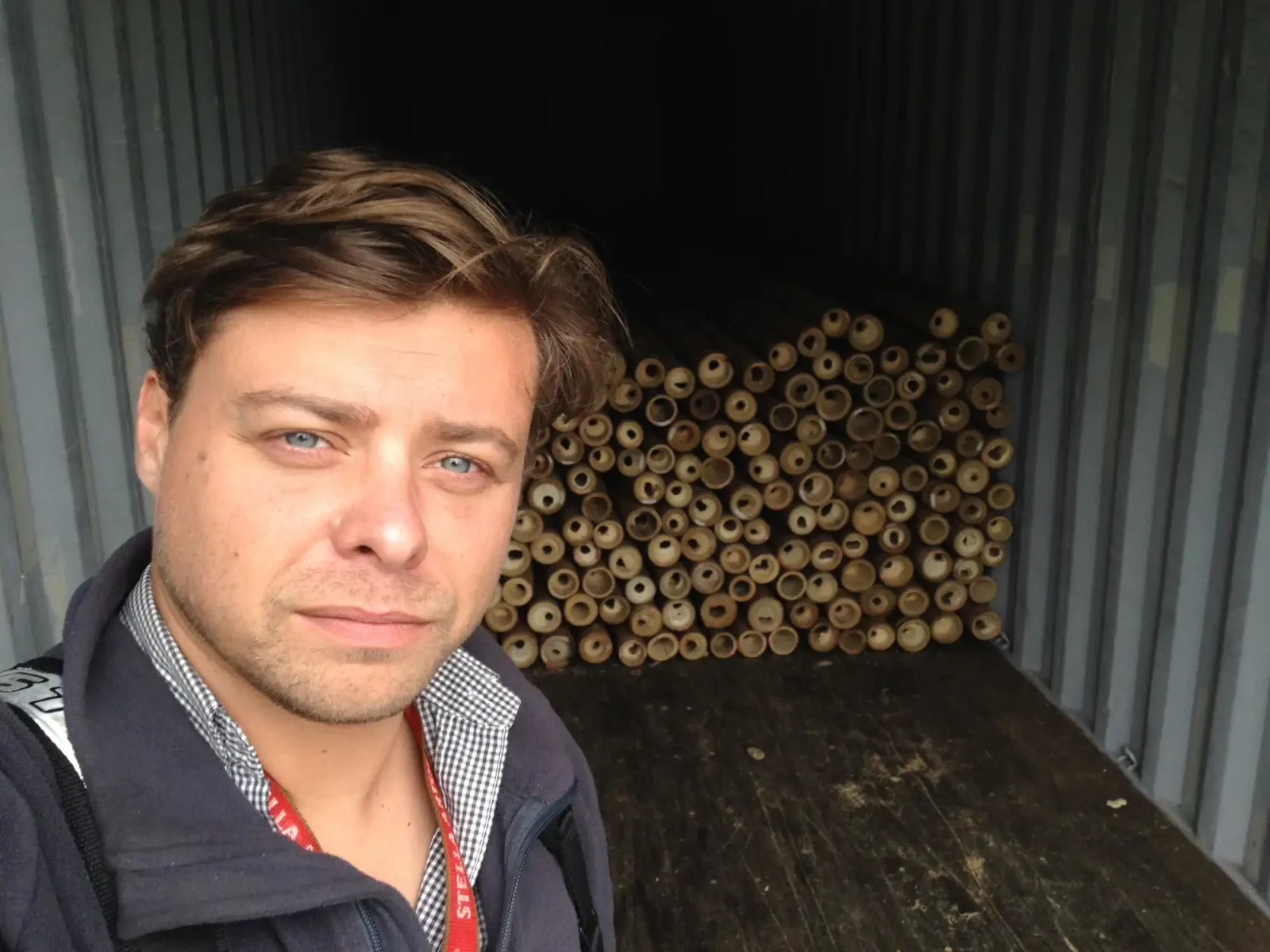
That sounds like things were finally falling into place.
They were, until immigration caught up with me again. I didn’t have formal residency in Colombia yet, which meant I could only stay in the country for three months at a time before having to leave for three months. So effectively I was operating at half capacity.
But one of those forced exits turned into something unexpected. When I left Colombia in October 2014, I traveled to the Netherlands to visit Pim van der Eng, the client who had been ordering containers of my poles to supply two groundbreaking bamboo garage projects in The Hague and Amsterdam. I wanted to see what he had actually built with them. While I was there we started talking about the potential for a dedicated European supply chain and we clicked immediately, both on a personal and business level. Together with his wife Sandra Bonne, the three of us decided to build it from scratch. That’s how Bamboo Import Europe (now: Masters of Bamboo) was born.
I officially joined in February 2015. The model was straightforward: bring premium South American Guadua directly into the European market and manage the full container logistics chain. I traveled back and forth between the Netherlands and Colombia for years, handling sourcing and treatment on the ground while Pim and Sandra managed the European side. Together we built it into the largest importer and distributor of structural bamboo, fencing and decoration materials in Europe.
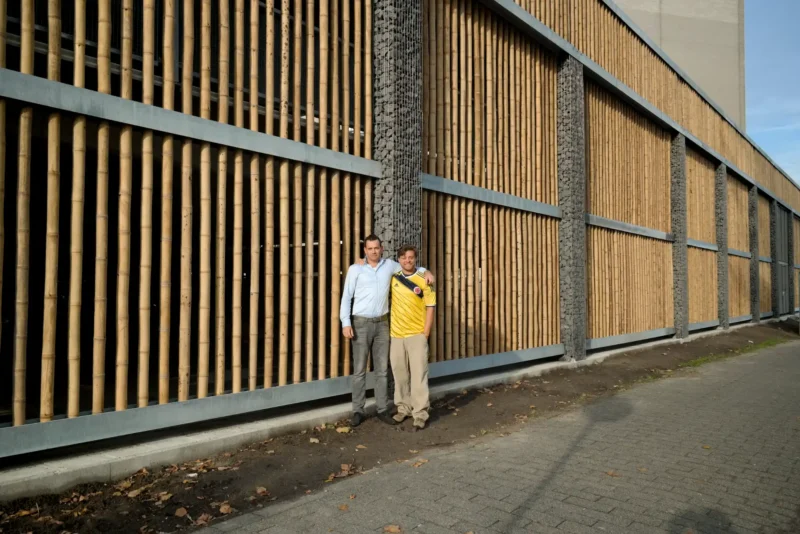
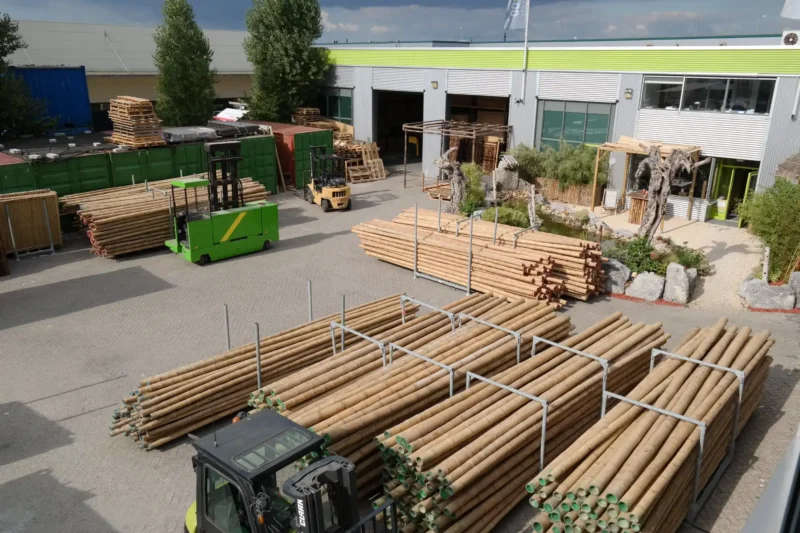
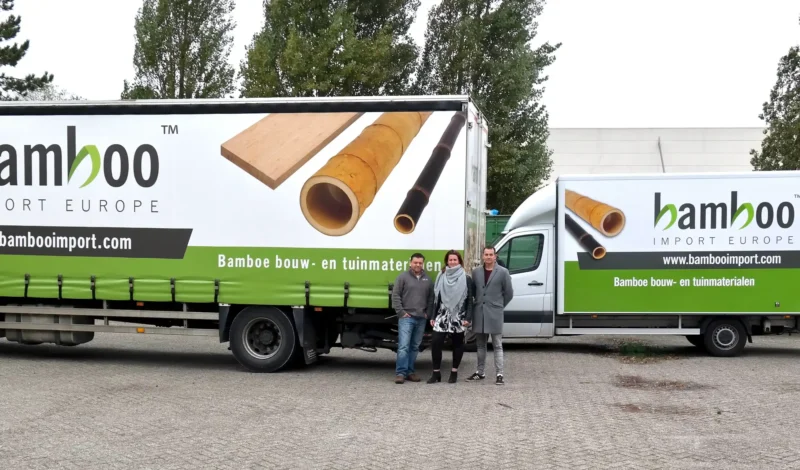
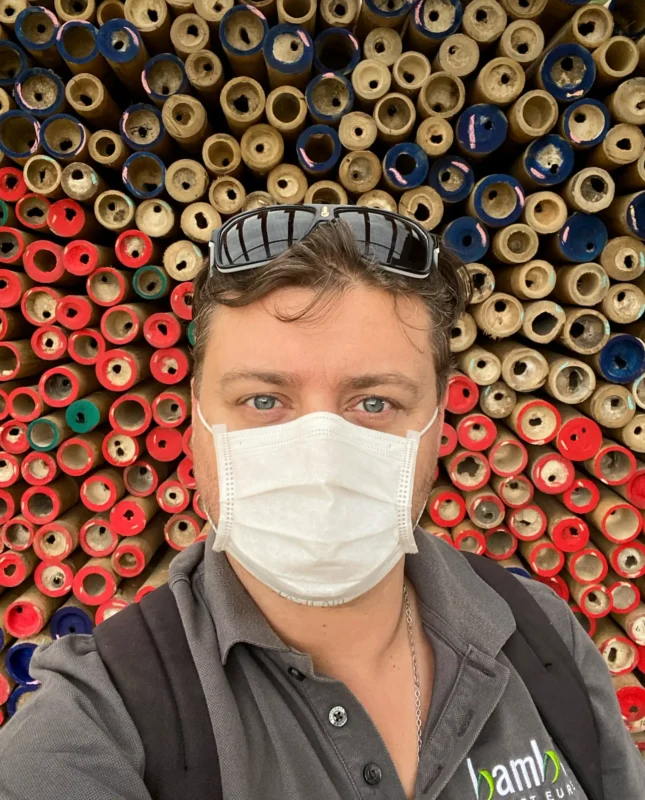
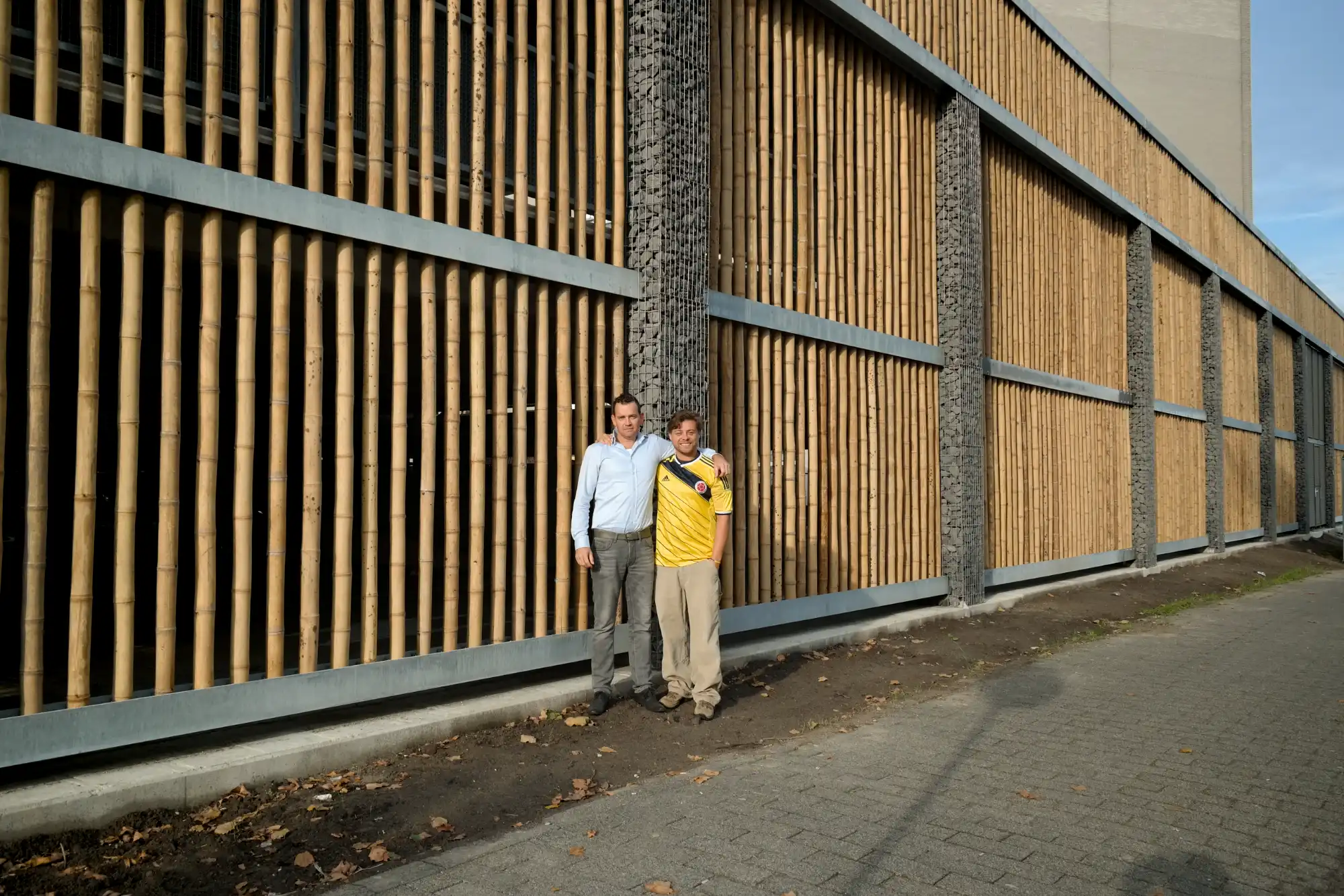
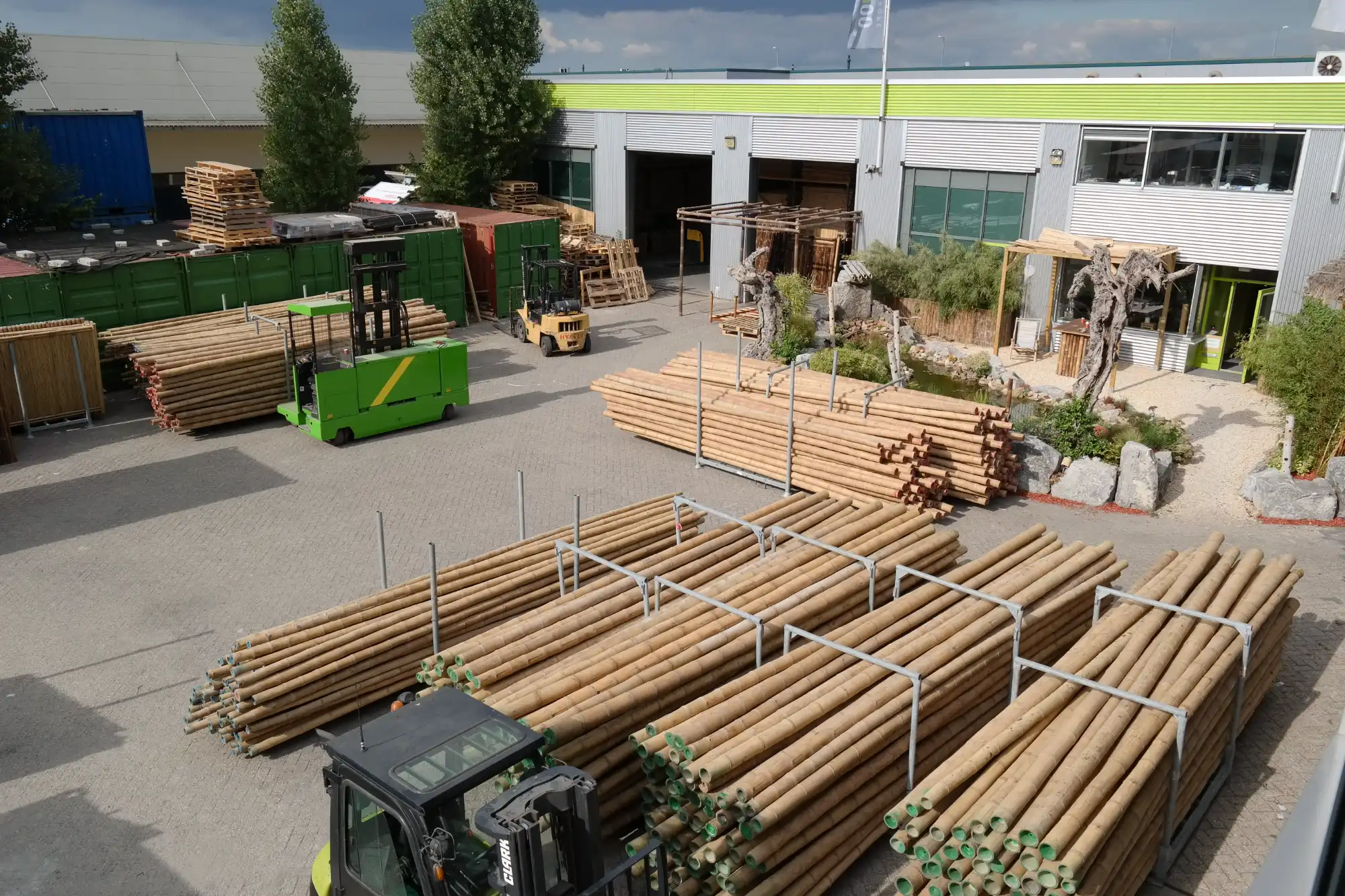
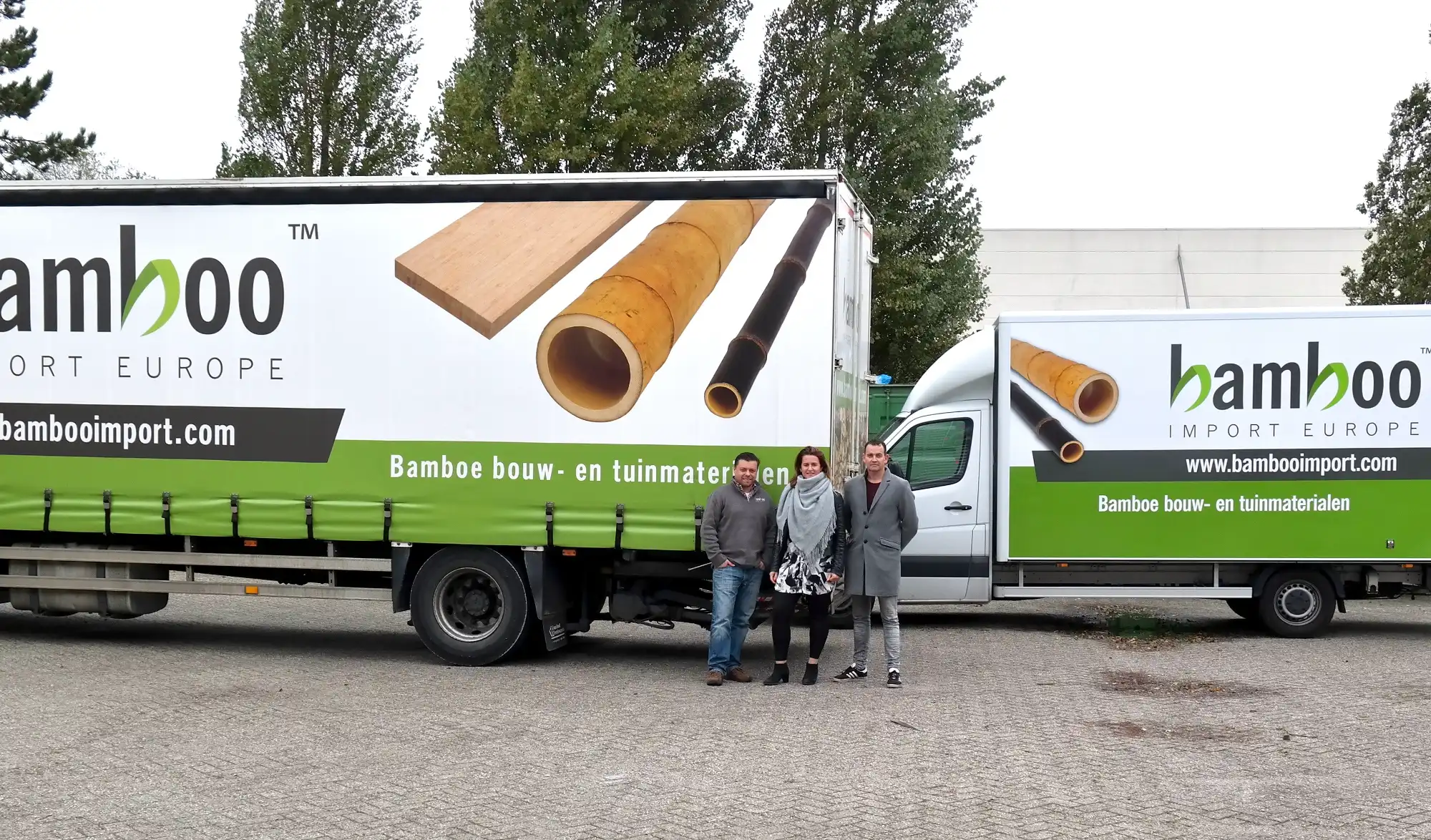
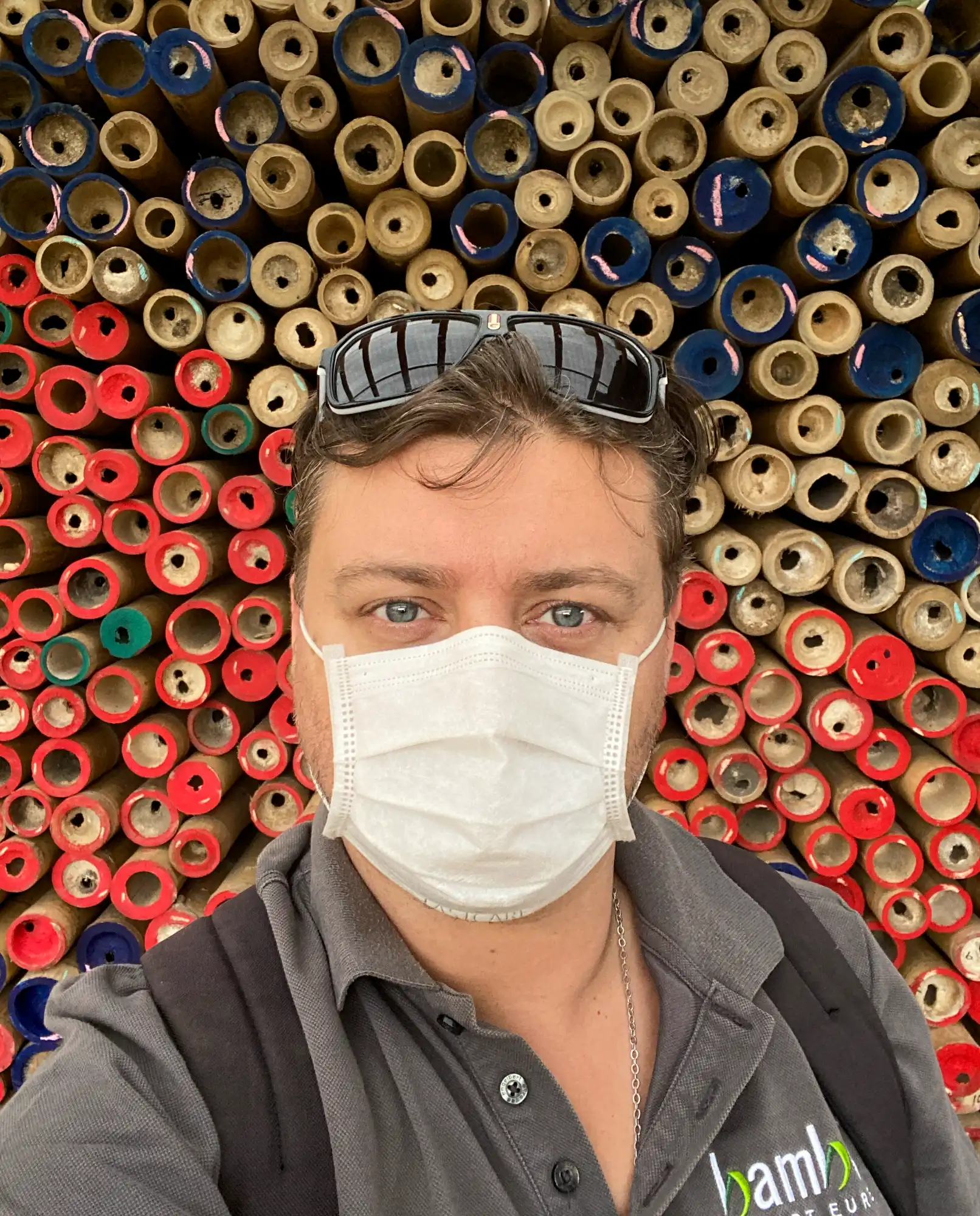
Then COVID hit. And like a lot of people, it forced me to stop and think. I had two paths: stay in Europe and keep working from an office, or go back to where I actually wanted to be. I had spent so many years in Latin America that the gap between that life and sitting between four walls in the Netherlands had become too big to ignore. I missed being outdoors, working with my hands, being around friends, and Latin American culture in general. We agreed that my role in Europe had run its course, and that going forward I would focus entirely on sourcing and production in Colombia. I sold my shares in the company, but we continue working together up to this day. In October 2020 I was on a plane back to Colombia.
Guadua Bamboo Today
So you’re back in Colombia, after helping build Europe’s largest bamboo distributor. What did you actually come back to?
While building Europe’s largest bamboo distributor was an incredible milestone, there’s a limit to what you can control from an office abroad. You cannot truly manage the quality of a structural material without being on the ground where it grows, where it gets harvested and treated. That’s where the real work happens, and honestly, that’s where I belong.
For the first time I was also in a position to do it properly. No more renting space on someone else’s farm, and getting my permanent residency in order. I could buy my own land and build something that combined everything I had learned over fifteen years into one place, from nursery and reforestation to material processing, construction and tourism.
In January 2021 I bought a 32-hectare property close to Calima Lake in the Valle del Cauca. It had been a traditional cattle farm for decades, heavily cleared and degraded. But that was exactly what I was looking for. A clean canvas to build from scratch, the right way.
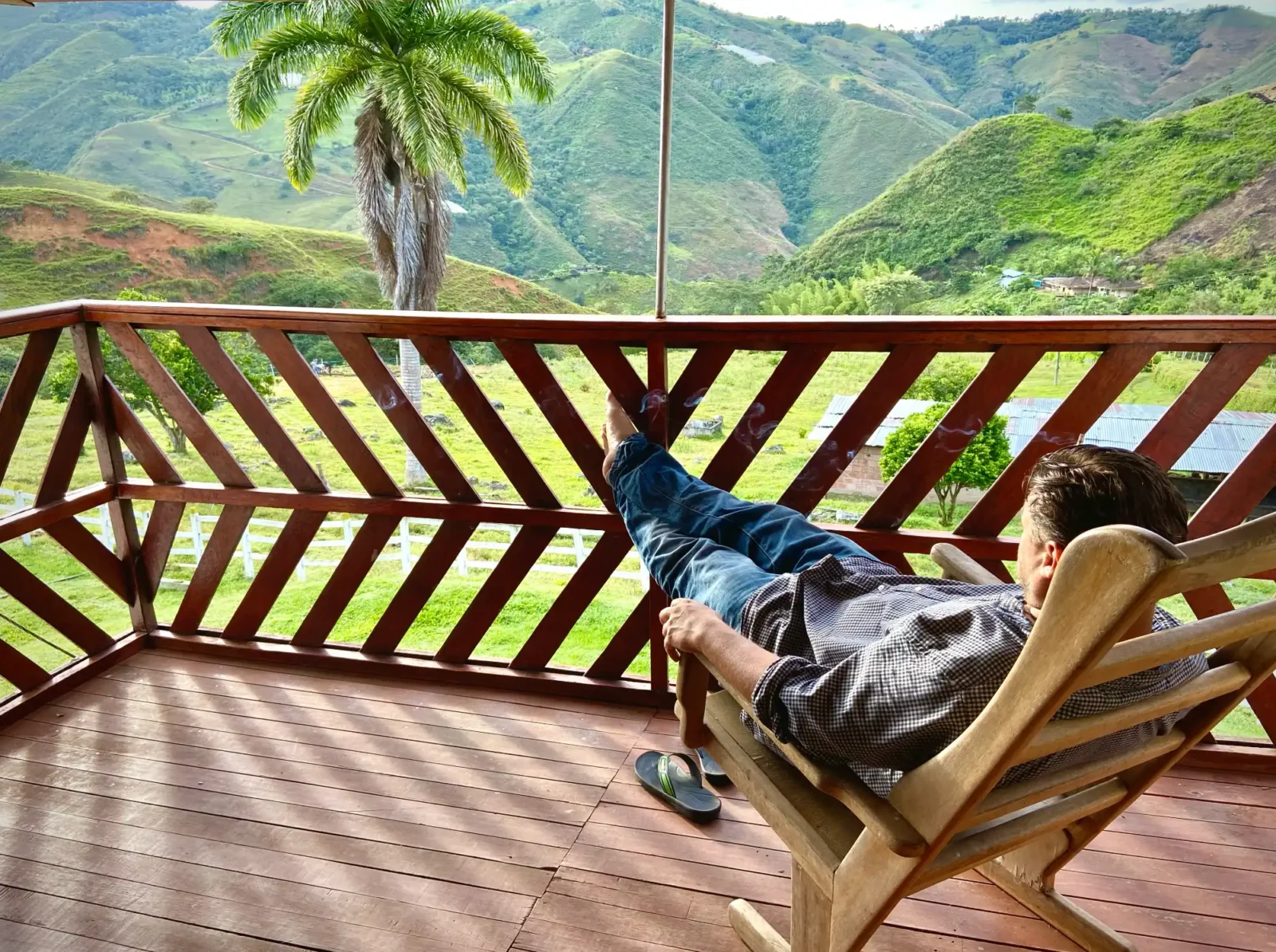
Turning degraded land into a fully operational bamboo enterprise is a massive undertaking.
Yes it is, but I had a clear vision going in. Fifteen years of trial and error across five countries teach you exactly how a proper operation should be set up. This time I could design the entire operation from scratch with that experience behind me. Even the physical layout of our production facility follows a strict logical flow: the raw bamboo culms enter at one end and progress systematically through washing, treatment, drying and storage in a straight line. No unnecessary handling, no wasted movement. Simple in theory but it makes a huge difference in practice.
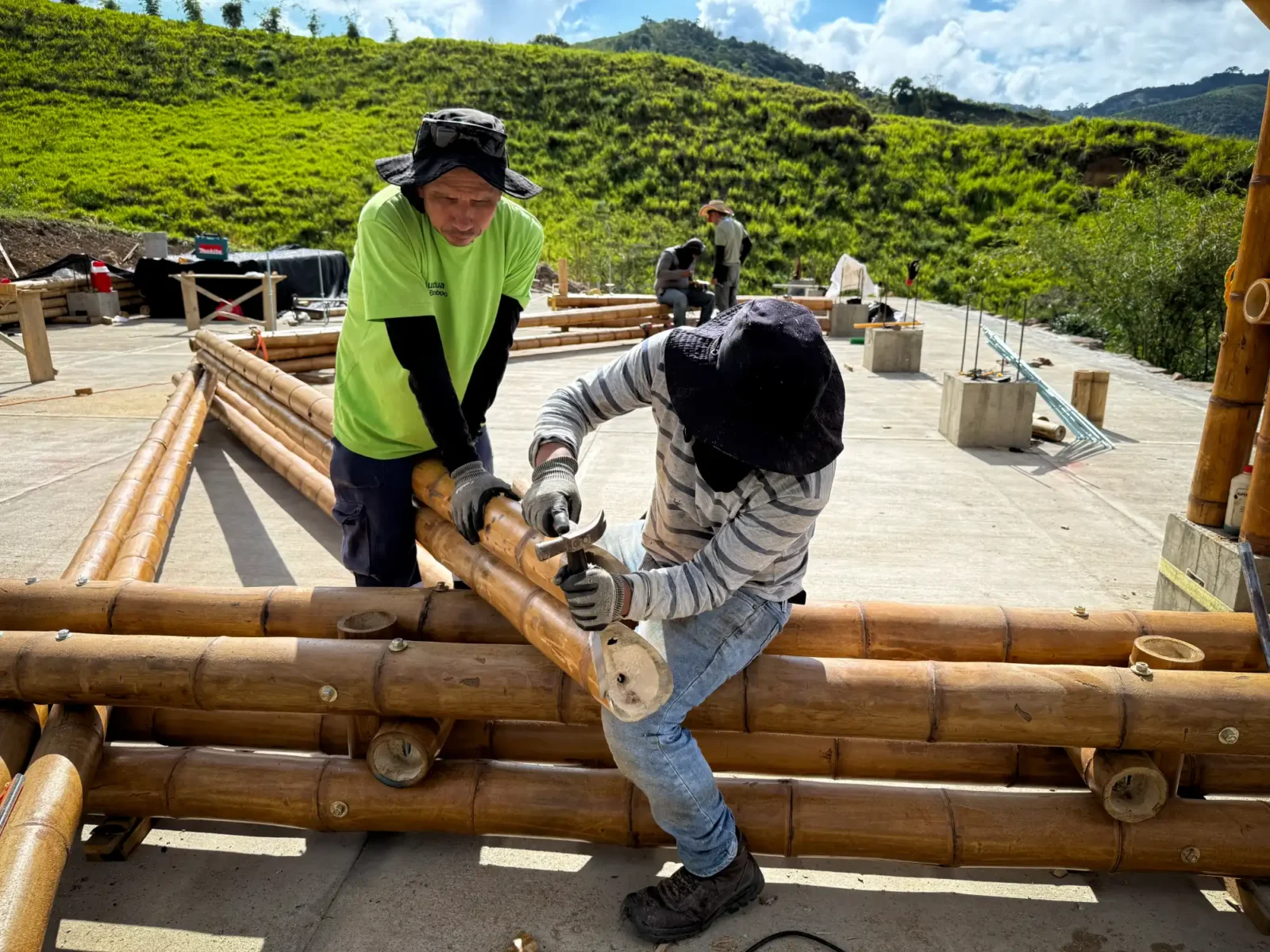
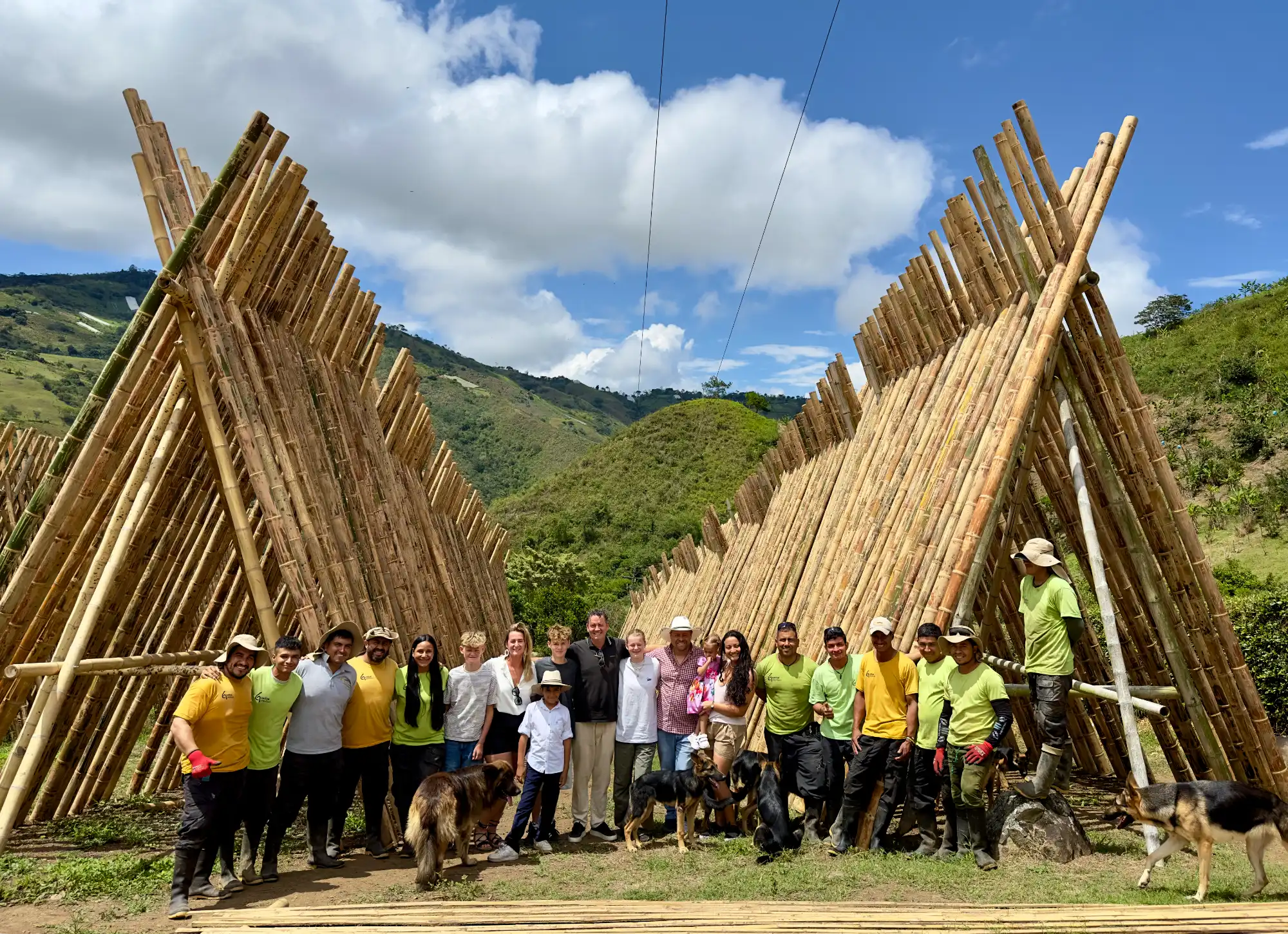
Today Hacienda Guadua Bamboo runs as a fully integrated operation. On the cultivation side we have an active reforestation program with native trees and bamboo species, a high-yield commercial nursery, and a living botanical collection of over 60 exotic bamboo species sourced from around the world. On the processing side we run a specialized facility producing treated construction poles, slats and mats. And we have opened the farm to eco-tourism with dedicated walking trails through the plantation.
On the construction side we have moved well beyond exporting raw poles. We now handle complex prefabrication and full-scale architectural projects, with completed builds across Colombia and material supplied to exclusive projects internationally. It has become exactly what I had in mind when I bought the place. But this is life’s work, and although it is already fully functional, it will never be finished. We are always adding more structures, plants and trees to the collection.
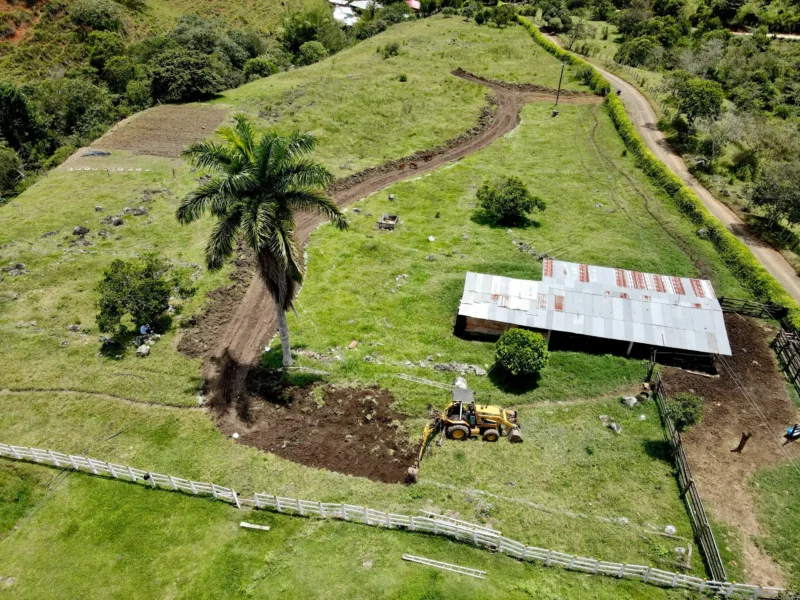
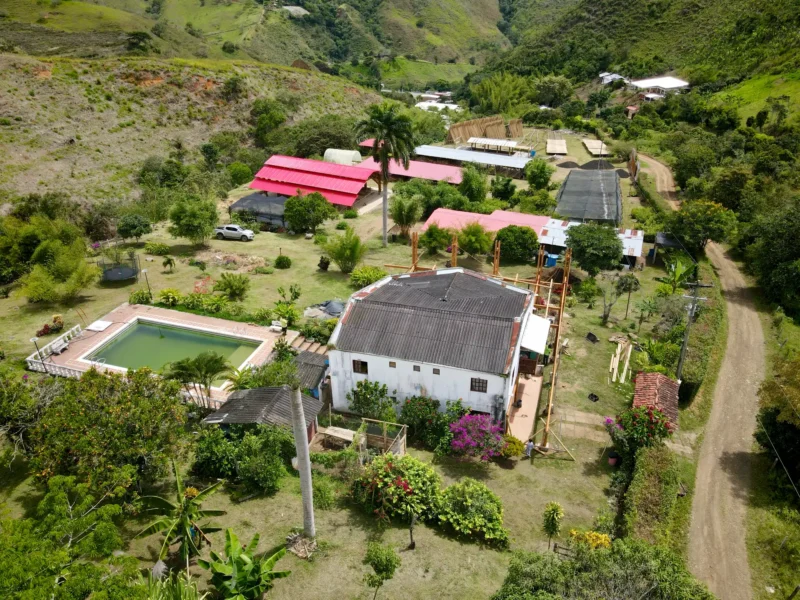
You started out as a welder before all of this. Does that background still influence how you work today?
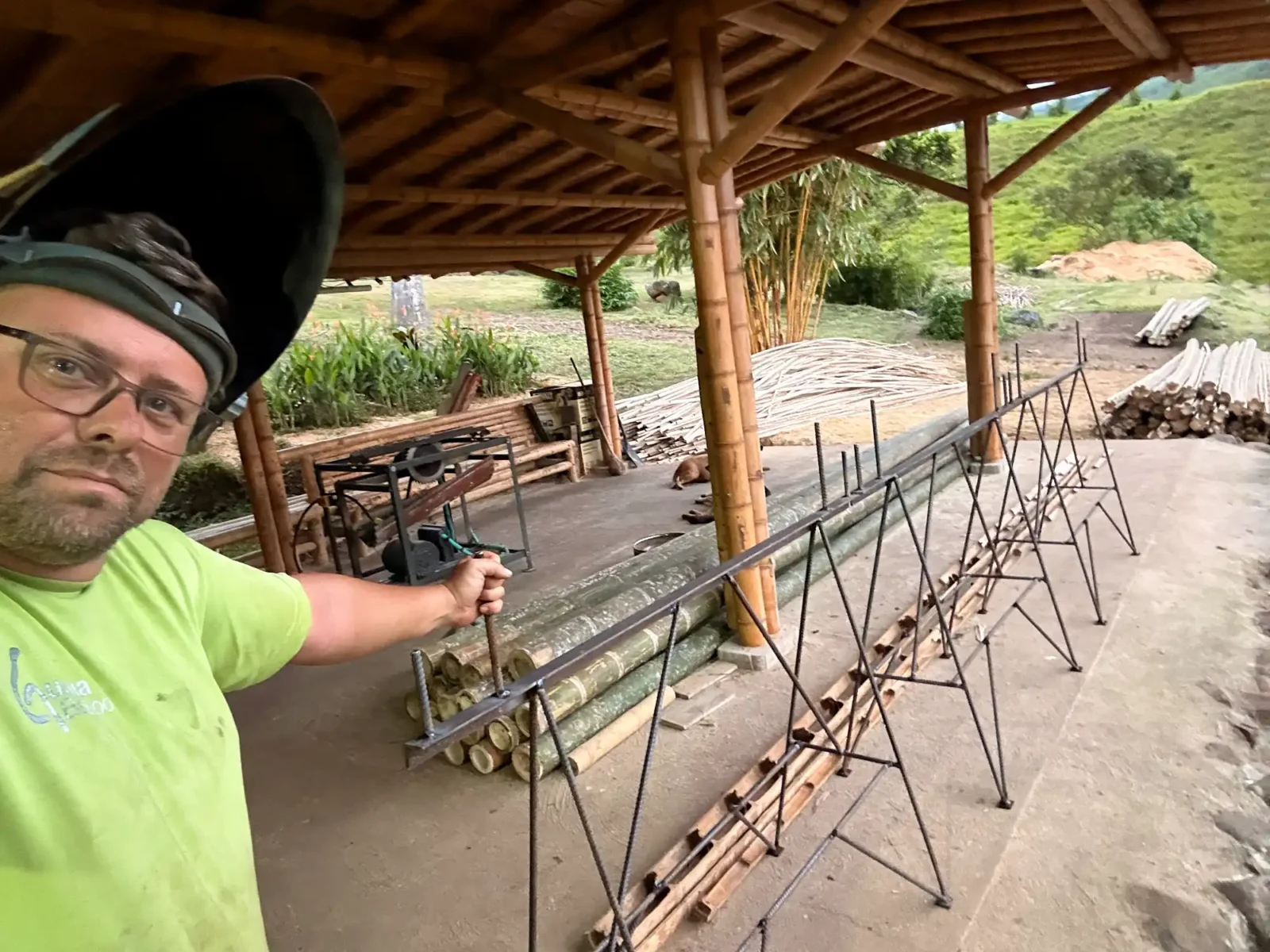
With metalwork, correcting a mistake is rarely a problem. You can weld on an extra piece, cut and refit, grind it back and start that section again. Bamboo doesn’t give you that luxury. Once you make a mistake, you start over. Bamboo actually demands more precision, not less.
But the precision mindset carries over completely. Working alongside our master bamboo builder, we approach every bamboo structure with the same discipline you would apply in a metal workshop. Every joinery detail, every dimension is controlled and verified before anything leaves the production facility. And on a farm you are always building or fixing something, so I still design and build a lot of our own machinery and tools. Old habits…
After twenty years in this industry, where do you see Guadua Bamboo heading next?
Honestly, it’s hard to predict. AI, political instability, global conflicts, any of these can reshape the economy faster than any business plan can anticipate. We have learned to stay alert and adapt quickly.
Our business model is built on versatility, the farm can pivot in multiple directions depending on where market opportunities arise. We can balance international exports, domestic construction, eco-tourism, plant sales, prefabrication, and our Adopt a Bamboo reforestation program, emphasizing different segments depending on the season and market situation.
What makes me genuinely optimistic about the future is that our work cannot be automated away or replicated by AI. Every pole harvested, every joint cut, every seedling grown requires human skill and judgment. And I think people, especially those living in dense industrial cities, are increasingly craving a reconnection with nature. Whether that means visiting a place like ours and sharing real in-field experiences and knowledge, building with natural materials, or helping fund our reforestation program in Colombia to fight climate change, soil degradation and biodiversity loss. That demand is only going to grow.
A Few Final Questions
What inspires you?
Farmers. There is a lot the rest of us can learn from their work ethic and resilience. They get up before everyone else, work harder than everyone else, and face the very real risk of losing an entire season’s work to weather or pests. And they just keep going.
How does that translate into how you run the business?
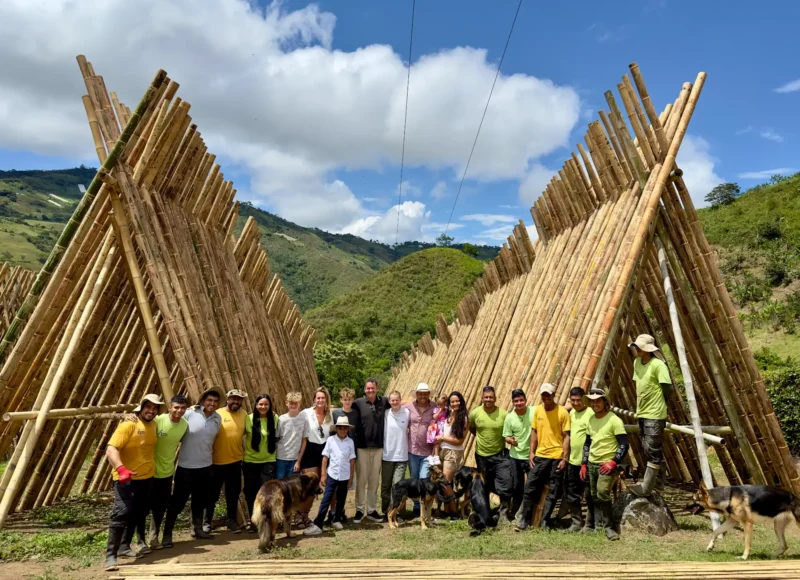
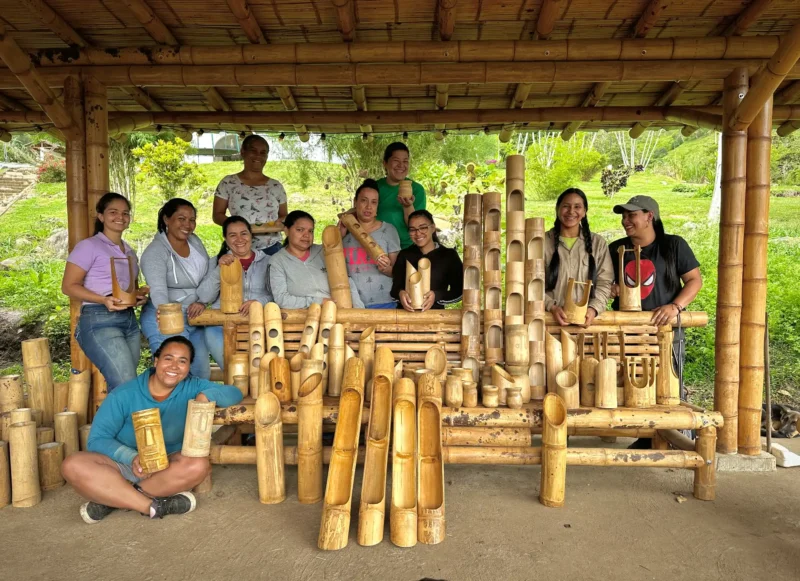
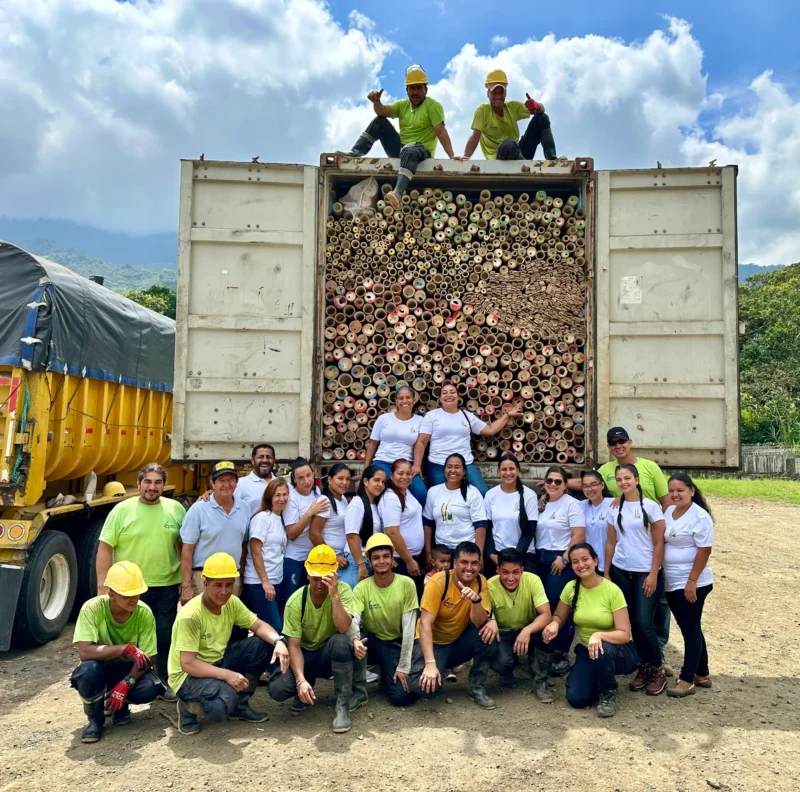
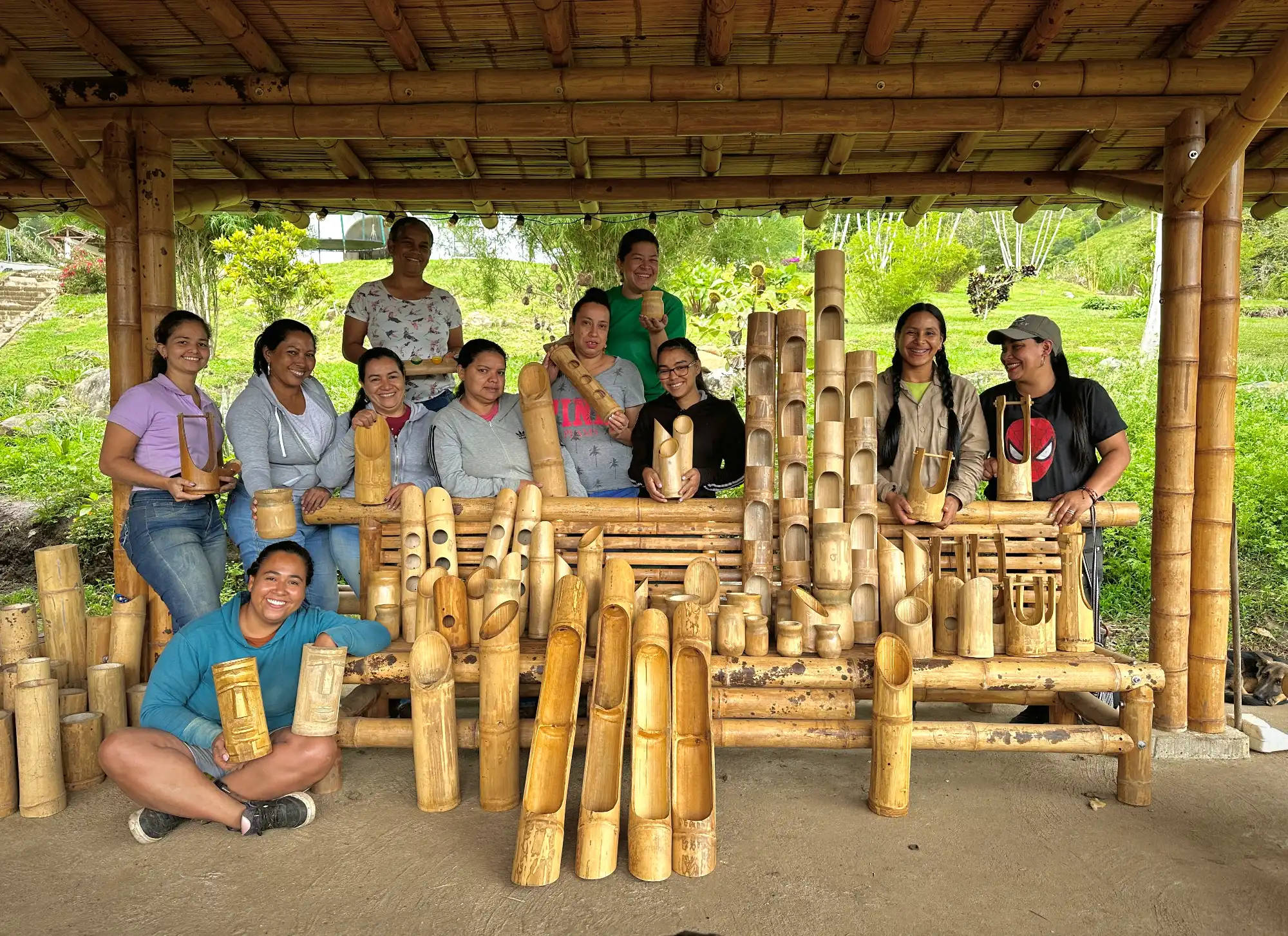
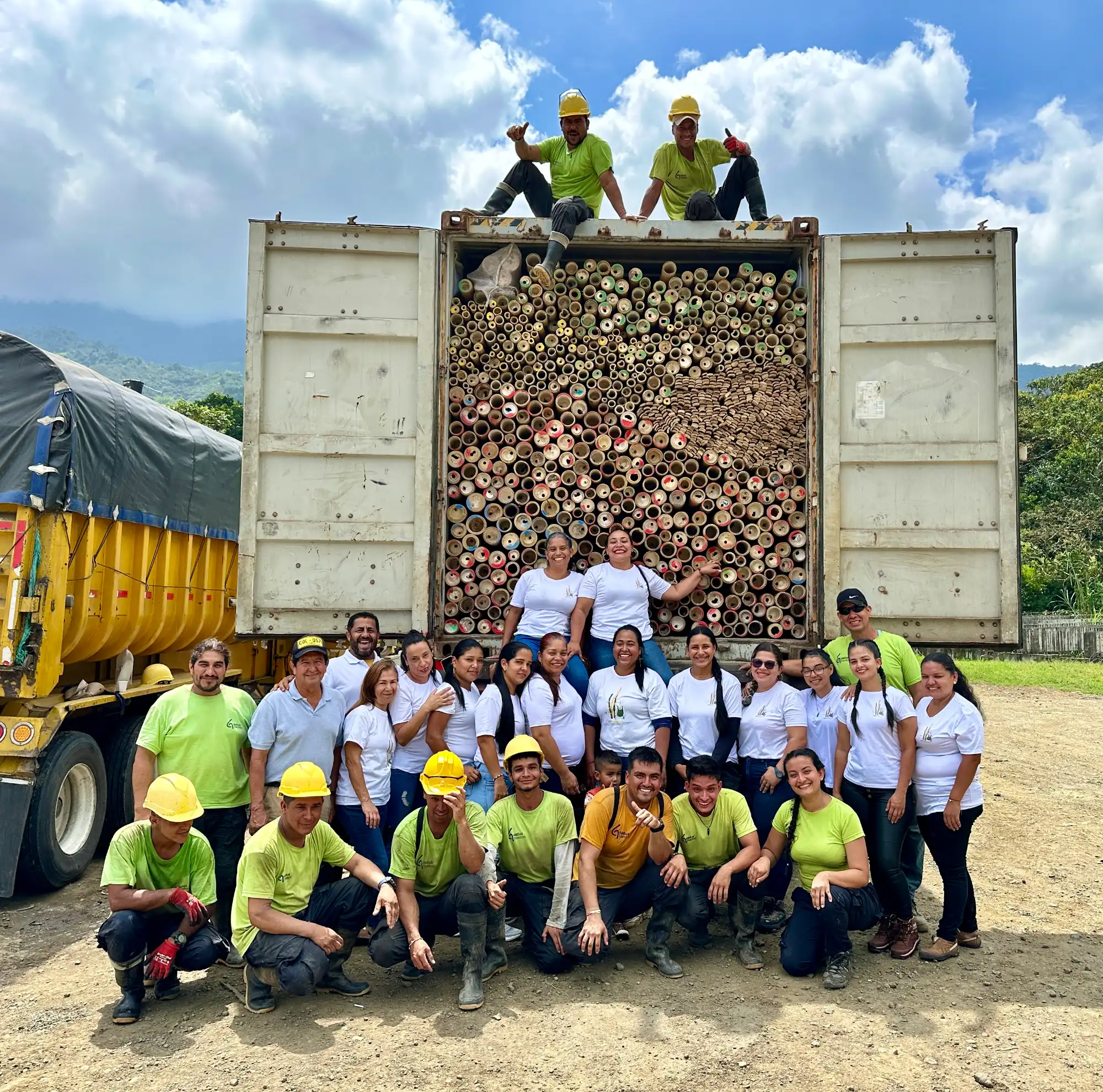
We are now the only company in our region that employs local farmers on formal contracts, with above average wages and full social security. We also run a craft program for women in our community, providing bamboo materials and full access to our workshop so they can produce finished pieces that we then buy and commercialize both nationally and internationally. When we won at the National Excellence Award in 2025, we shared the prize money directly with our team. To me that’s what real social impact through private entrepreneurship looks like.
What is your favorite quote?
“There are three types of people in this world; those who make things happen, those who watch things happen and those who wonder what happened.”
That’s the one I come back to every time.