

During most of the 20th century, polo balls were traditionally made from bamboo rhizomes because they were significantly tougher and less prone to cracking than early standard wooden balls. Originating in India, where the first modern polo club was established in 1859, these dense, hand-carved bamboo polo balls became the global standard for generations. Today, modern polo matches rely on high-impact plastic or fiberglass spheres to establish absolute uniformity in weight and durability.
Nevertheless, we thought it would be a cool idea to reproduce these traditional bamboo polo balls, especially because one of our team members is an avid polo player. In Colombia, about 1,000 polo balls are used during a polo season, hence the perfect opportunity to experiment with Guadua Bamboo Polo Balls!
Why Bamboo Rhizomes?
Unlike the hollow, towering culms (stems) that we use for building eco-structures, architectural pavilions or even theaters, the rhizome grows entirely underground. It acts as the structural anchor and nutrient heart of the bamboo clump. While bamboo stems are hollow, rhizomes from tropical clumping species such as Dendrocalamus or Guadua are massive and solid.
Because it must support immense weight and withstand intense environmental pressure, the rhizome grows as an incredibly fibrous, compact mass of woody tissue. This gives it unique physical properties:
- Unmatched Impact Resistance: A solid bamboo rhizome can take repeated, high-velocity blows from a polo mallet without splitting.
- Perfect Weight Distribution: The natural fiber density provides the ideal weight-to-size ratio required for a true, predictable roll across a grass field.
- Natural Resilience: The dense cell structure handles moisture and impact better than almost any standard hardwood.
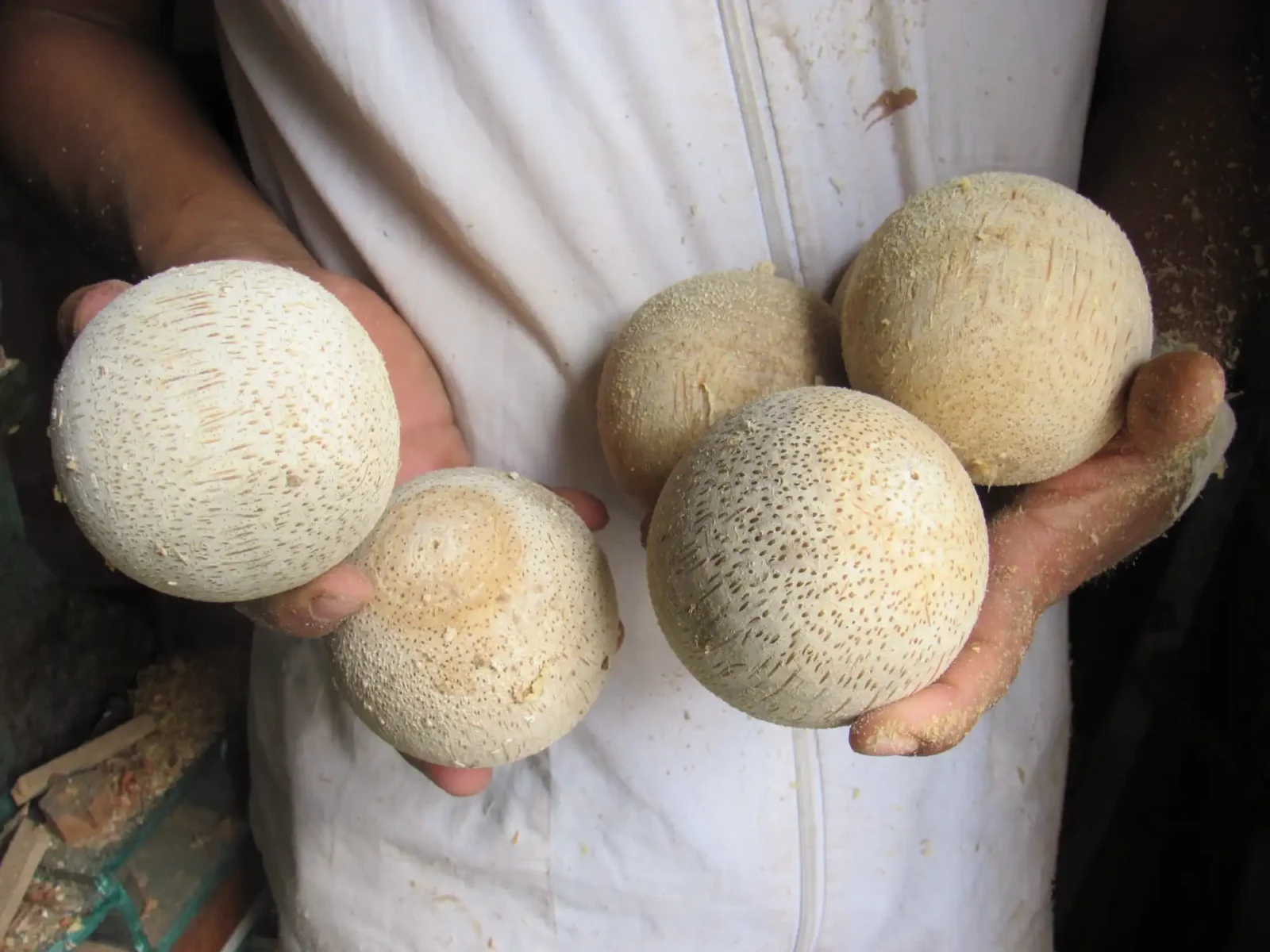
How Traditional Bamboo Polo Balls Are Made
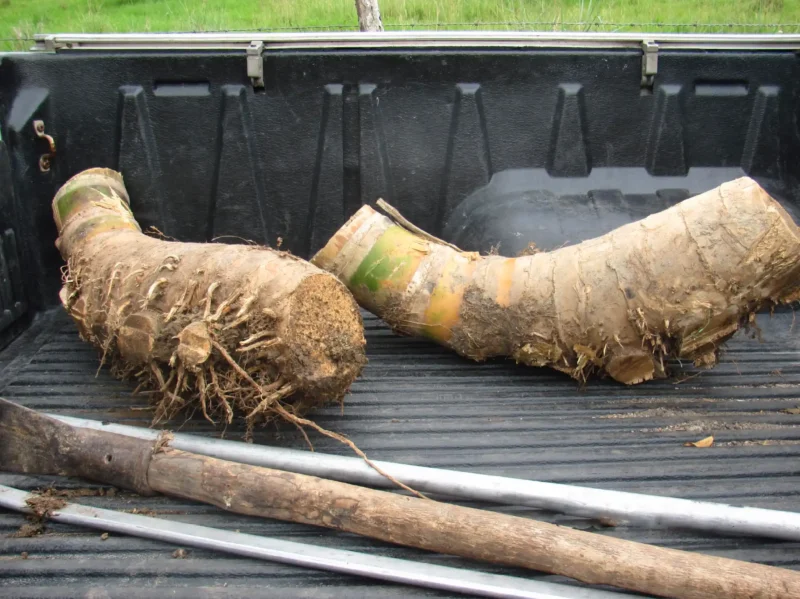
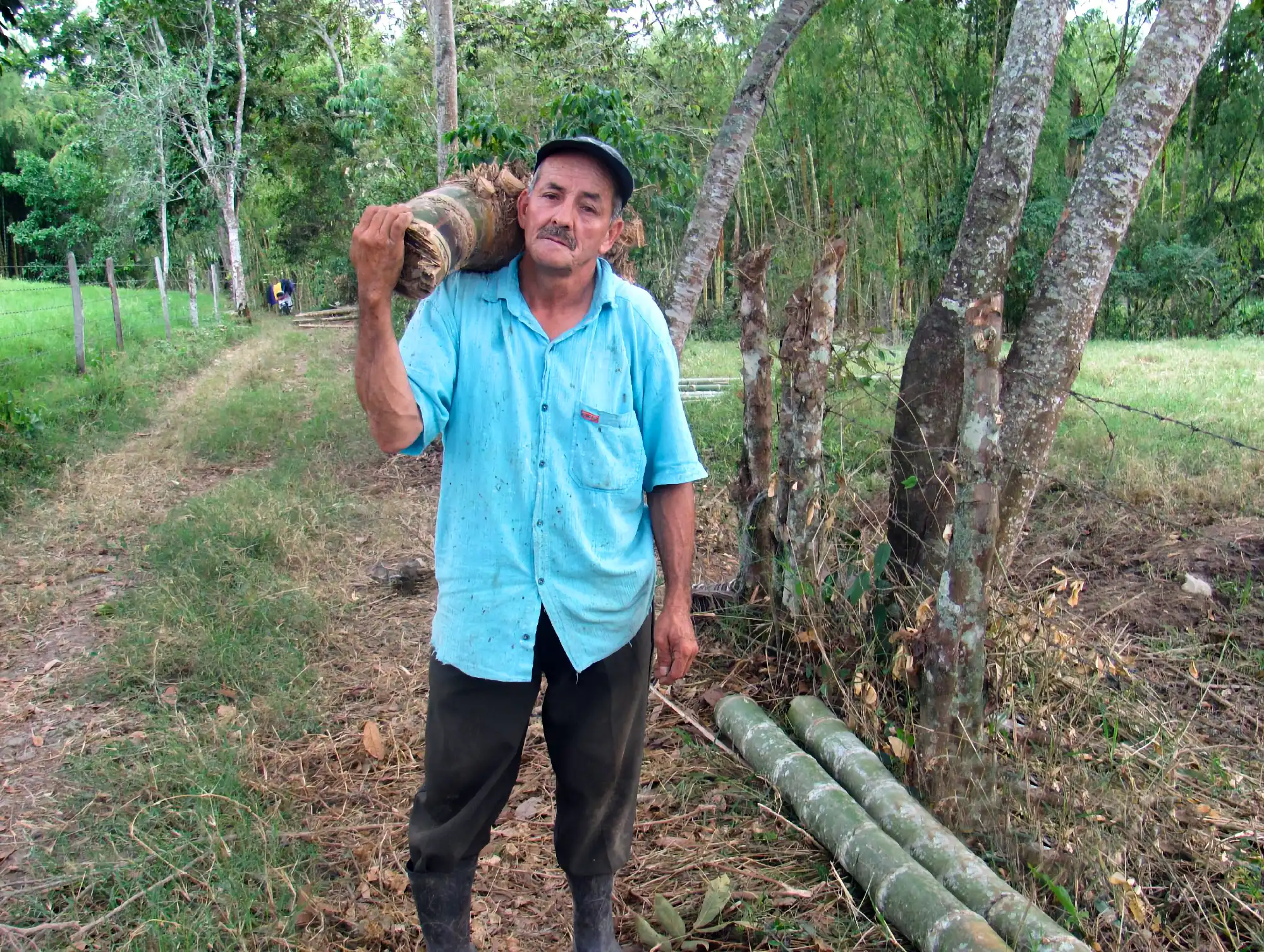
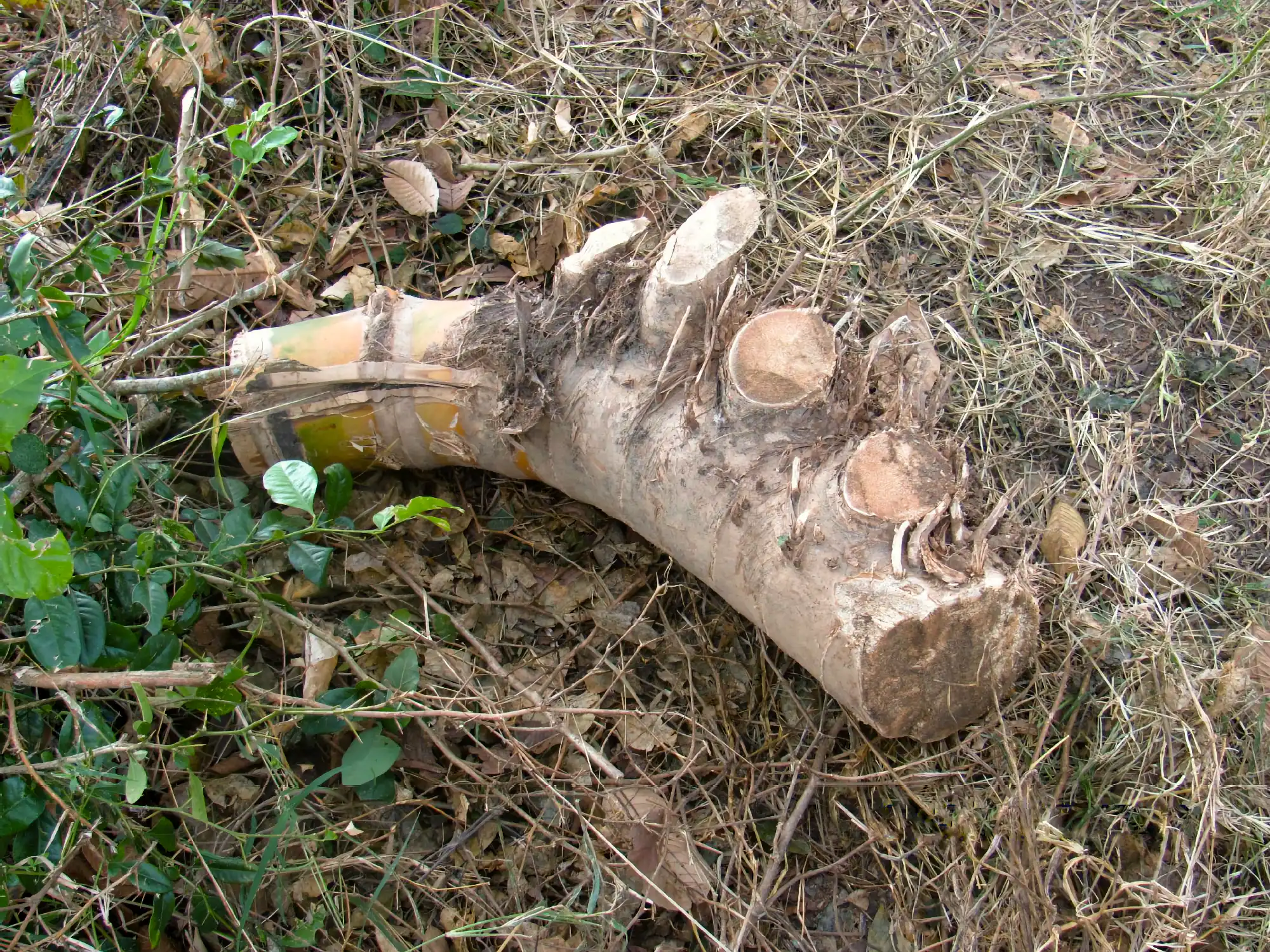
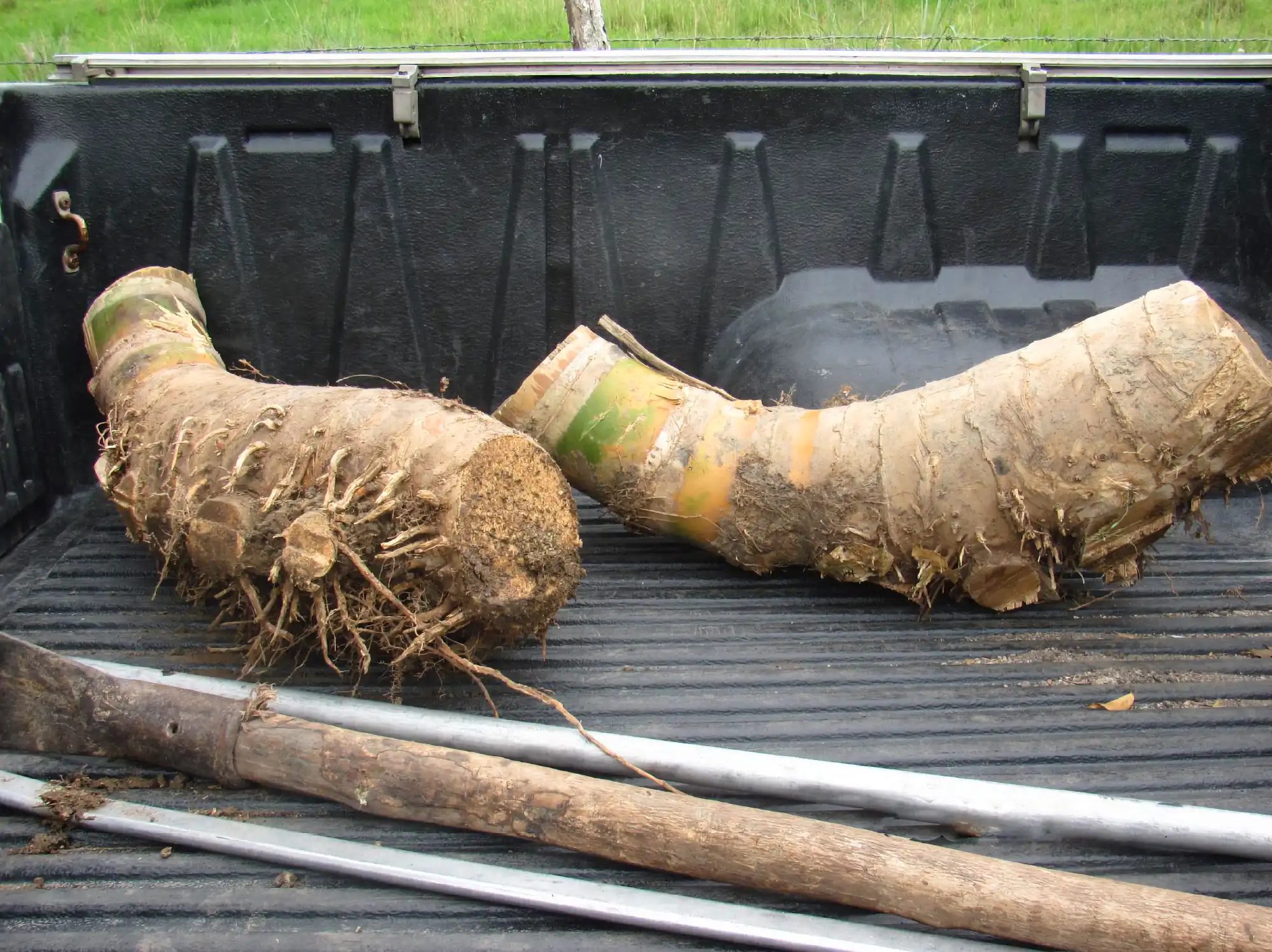
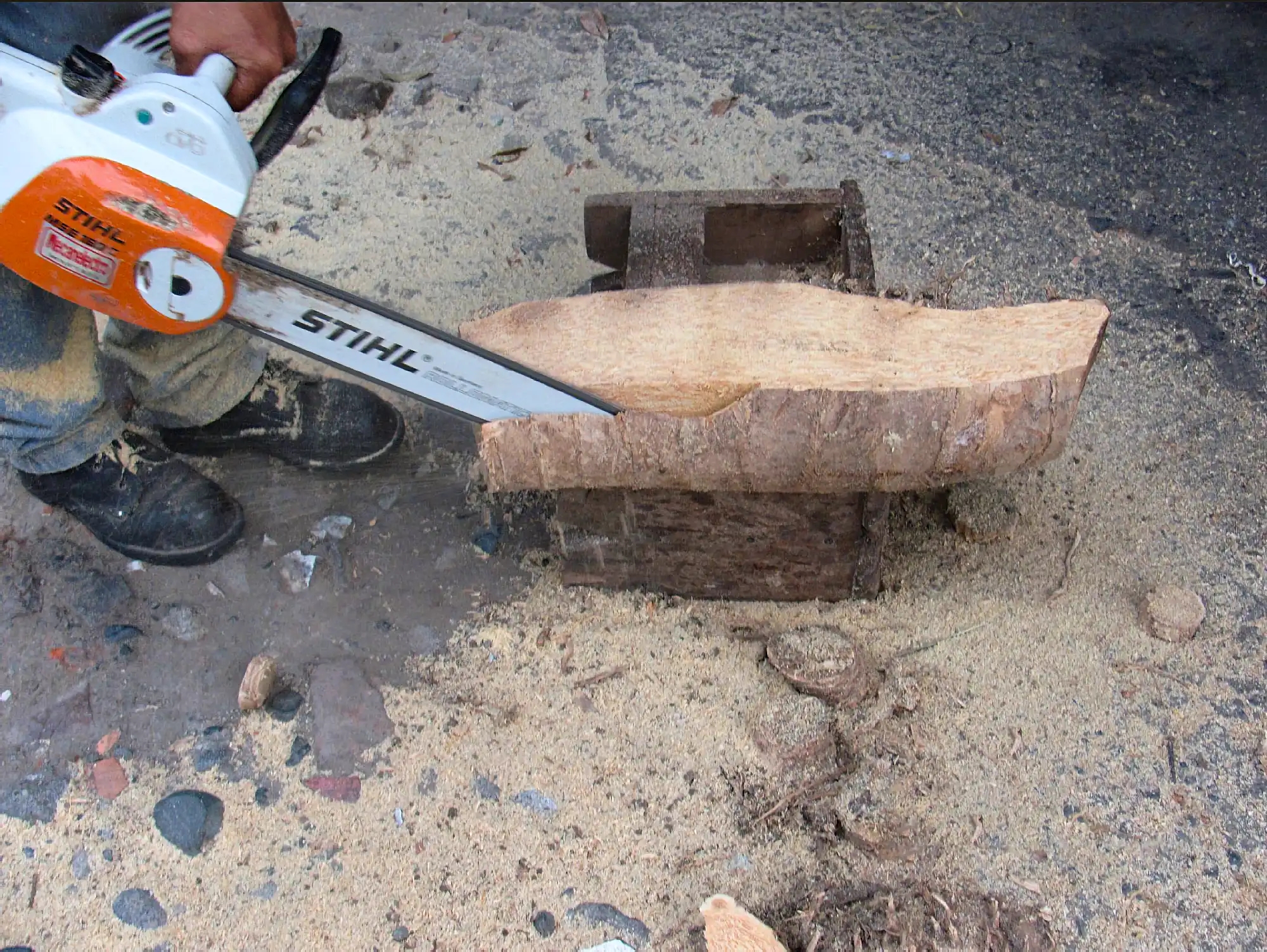
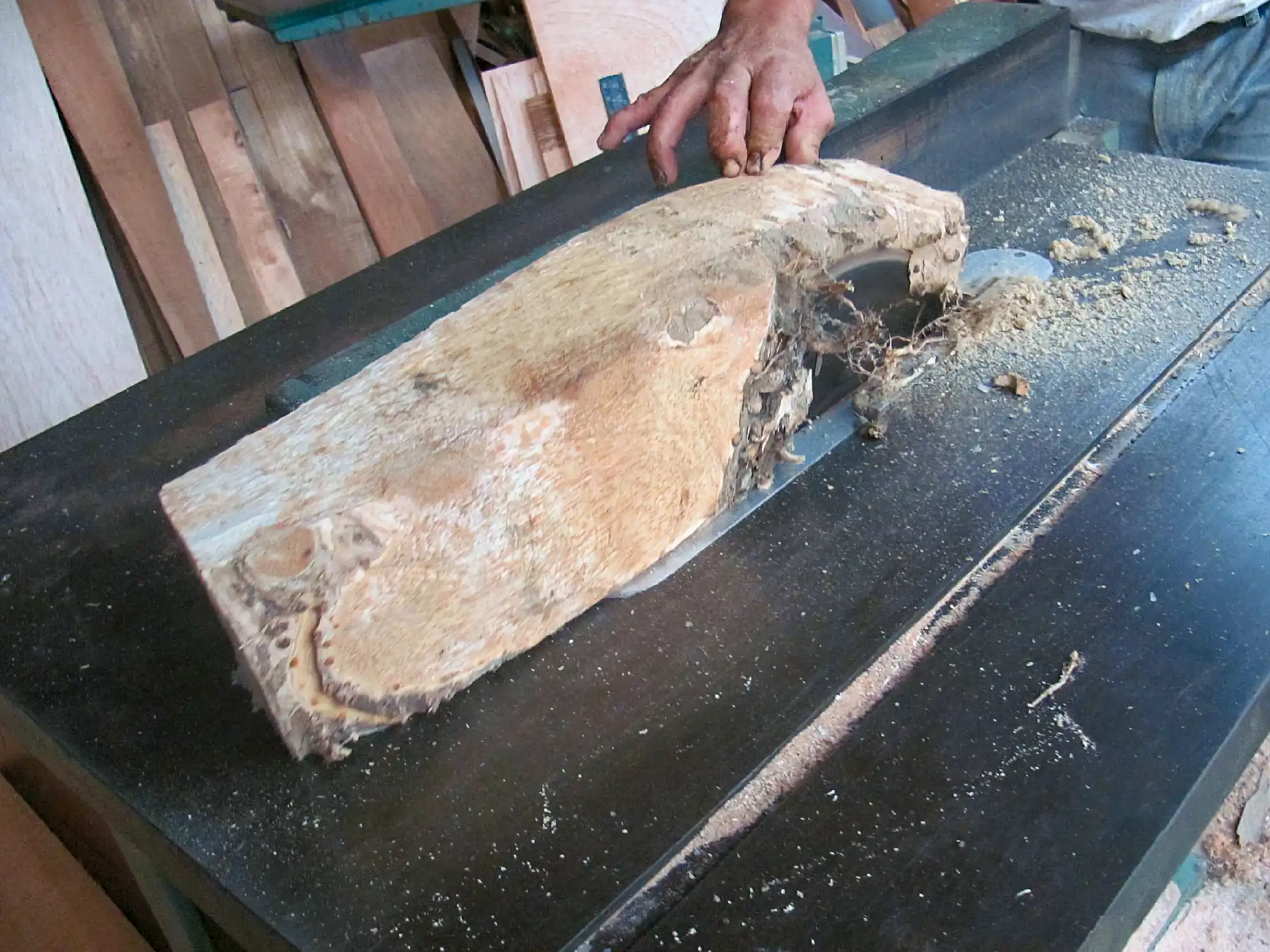
Digging out these giant bamboo rhizomes is an incredibly labor-intensive job because the entire root network is interconnected. A single, mature Guadua rhizome can easily weigh 20 kg. It is important to note that the rhizome itself is not the root; actual roots grow directly out from underneath the rhizome mass, which you can see in our photos below.
Once the harvested rhizomes arrived at our workshop, our artisans began the rough shaping process:
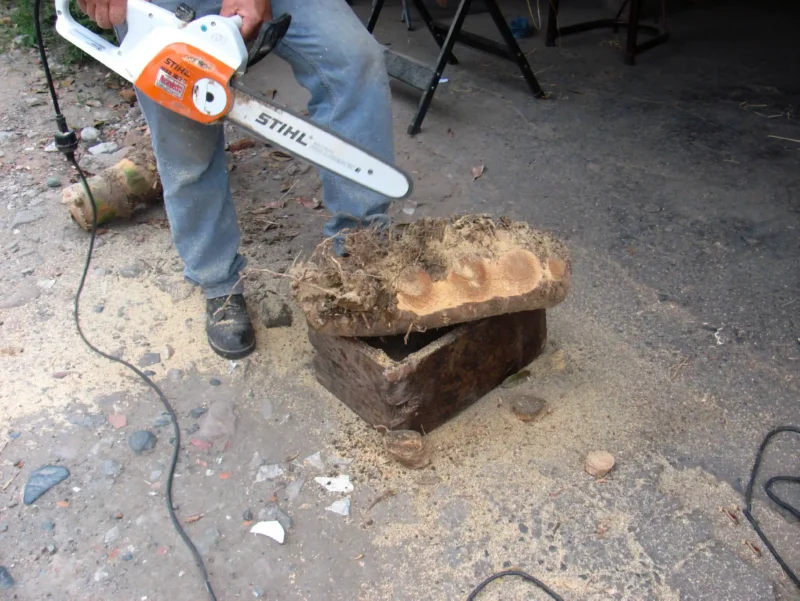
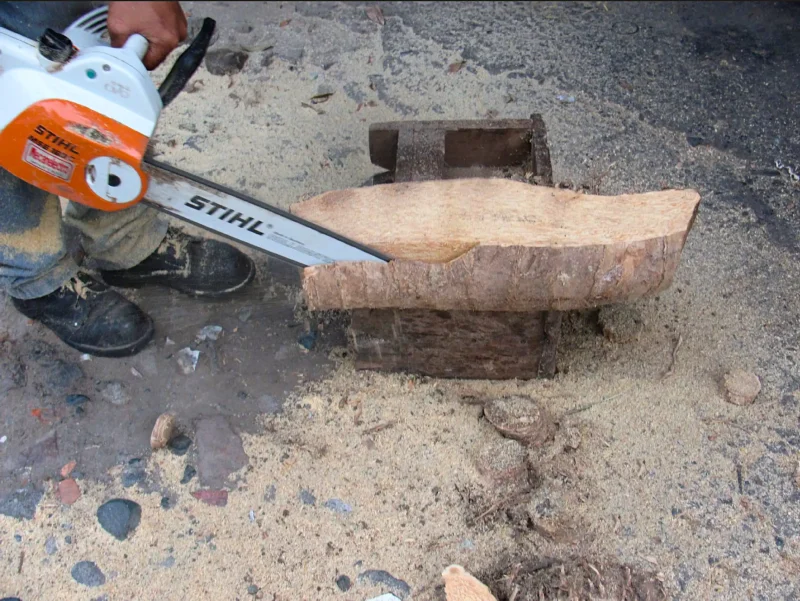
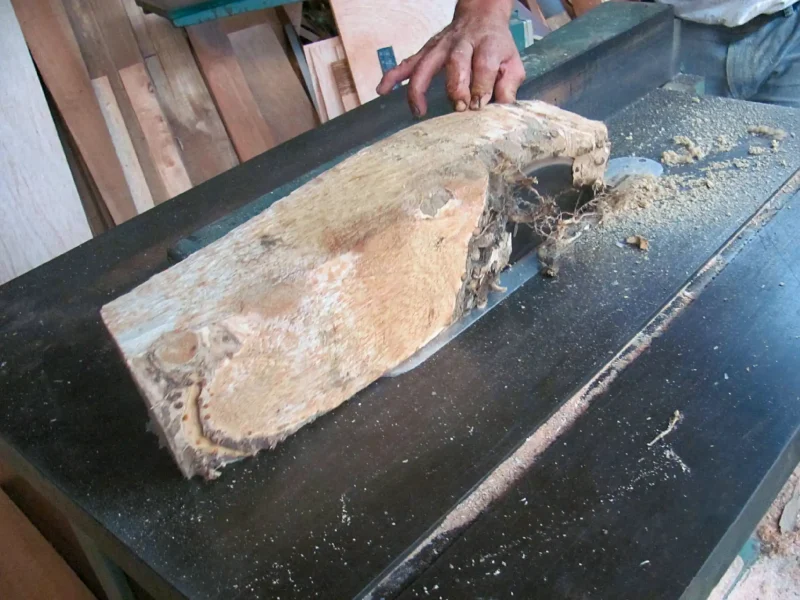
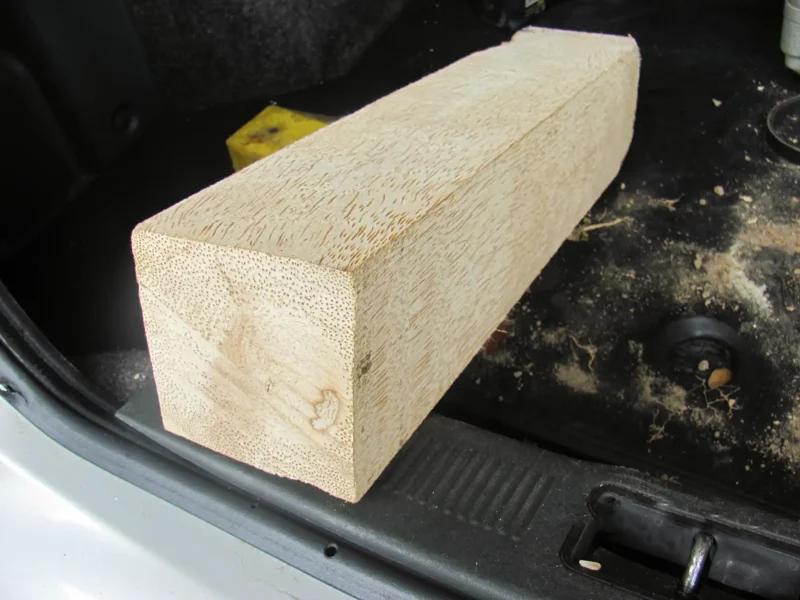
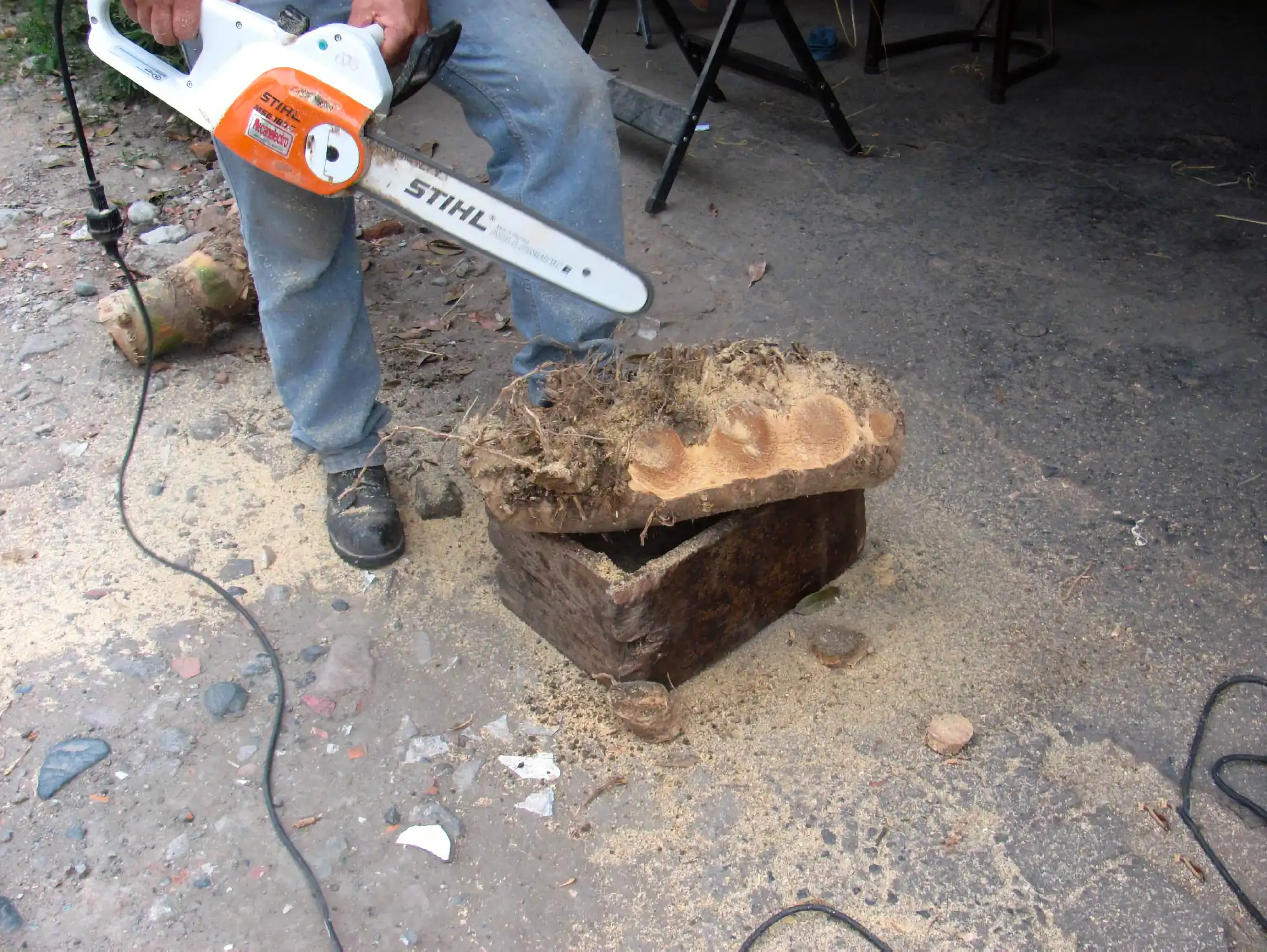
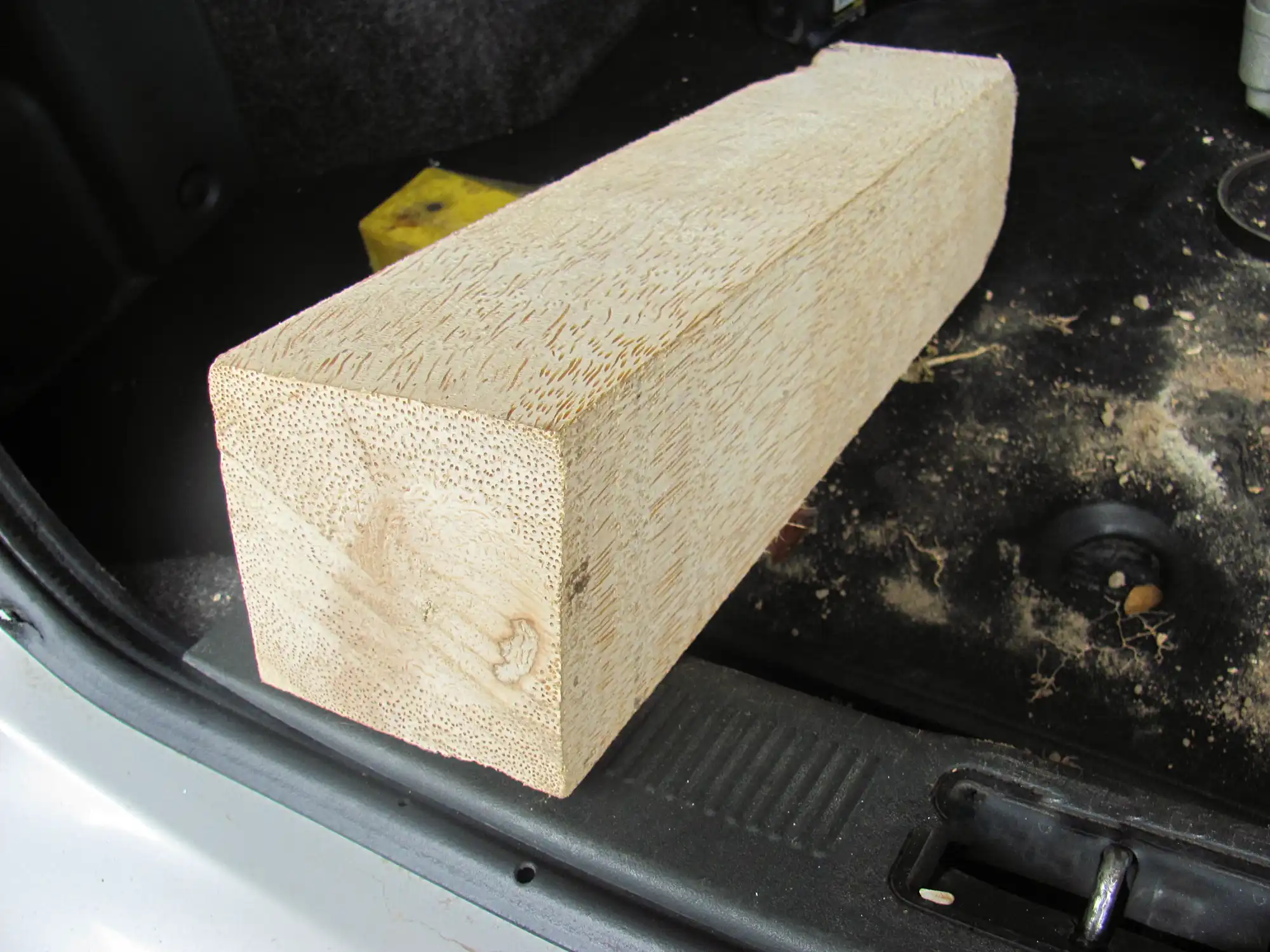
- Squaring the Block: We used a chainsaw and a table saw to carefully chip away the tough outer skin and root fibers until a dense, solid block remained.
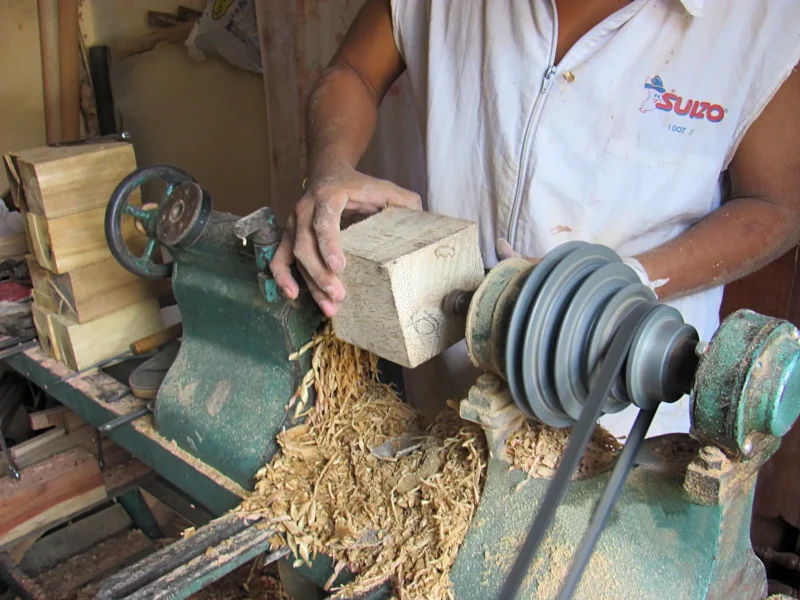
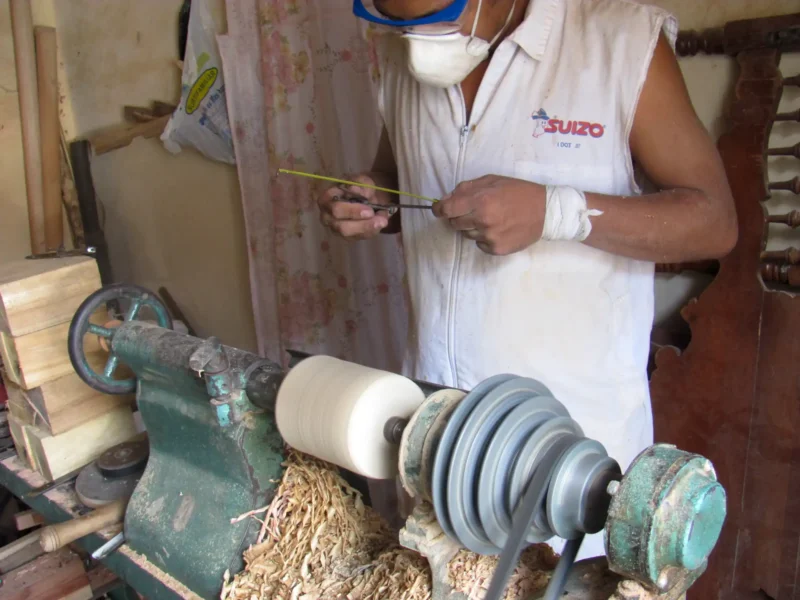
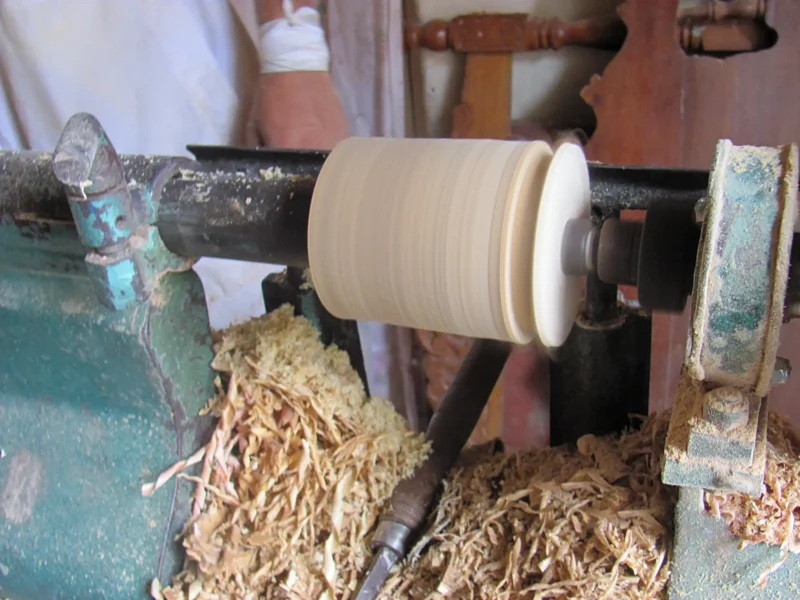
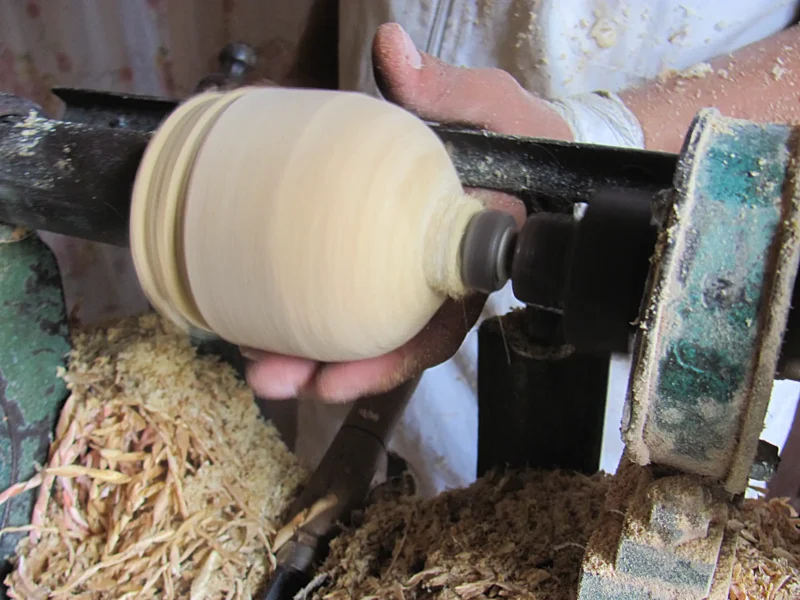
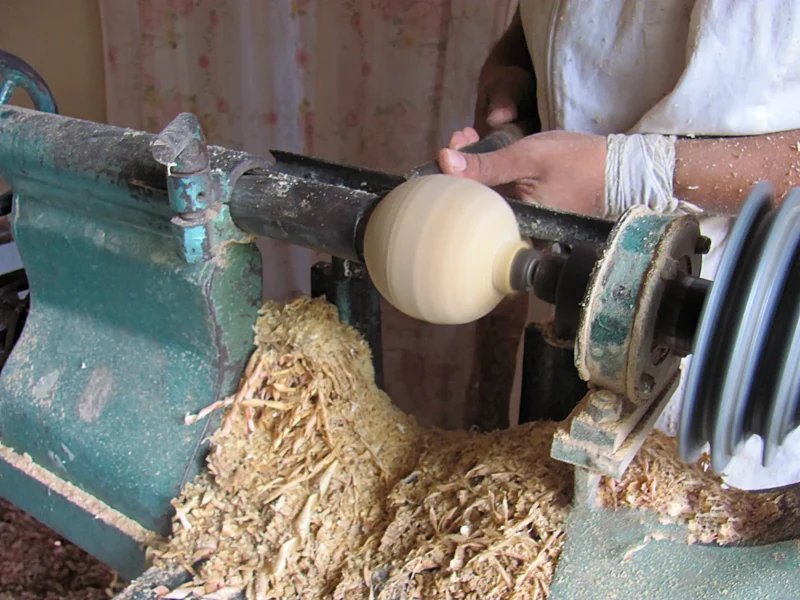
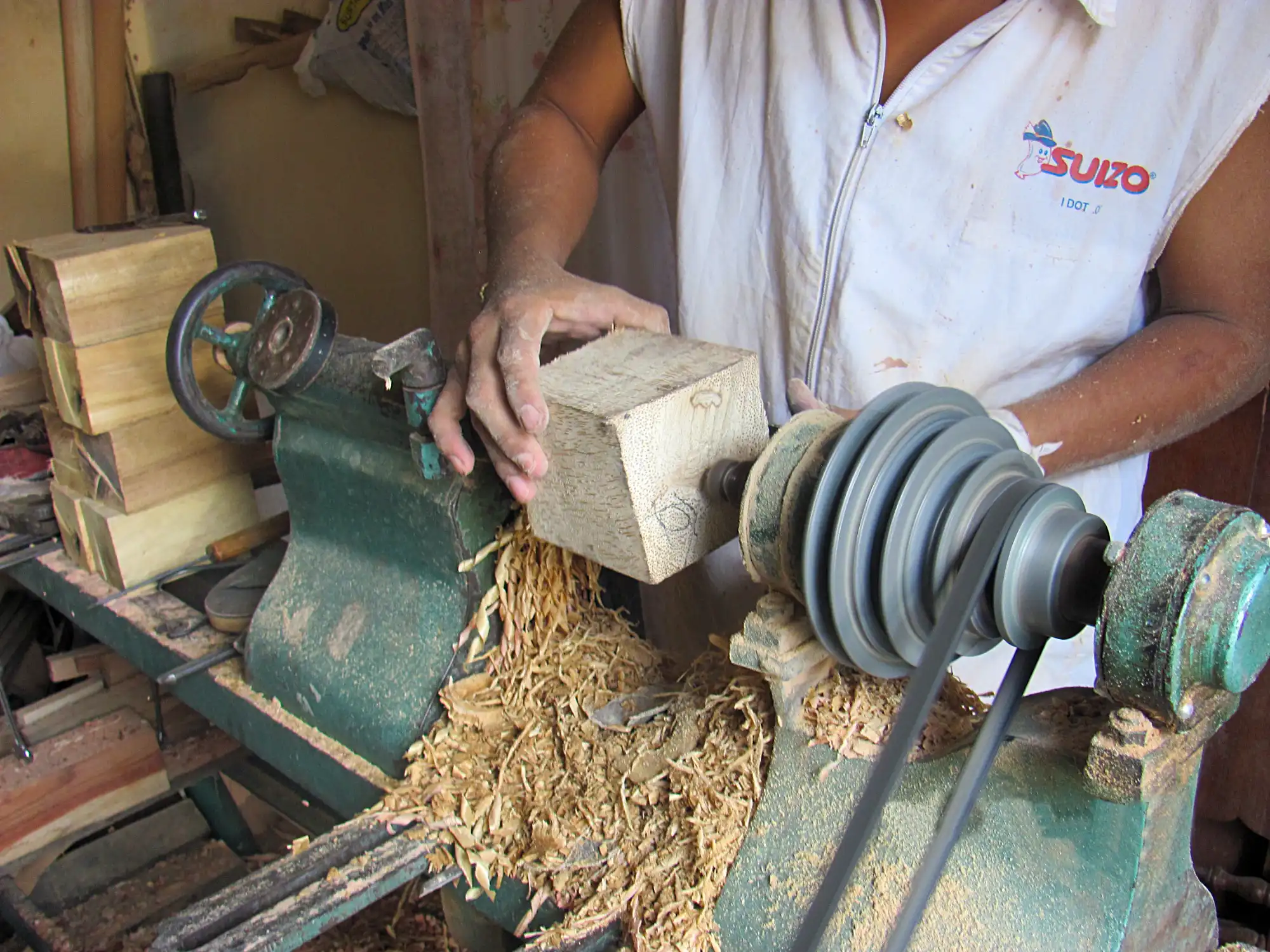
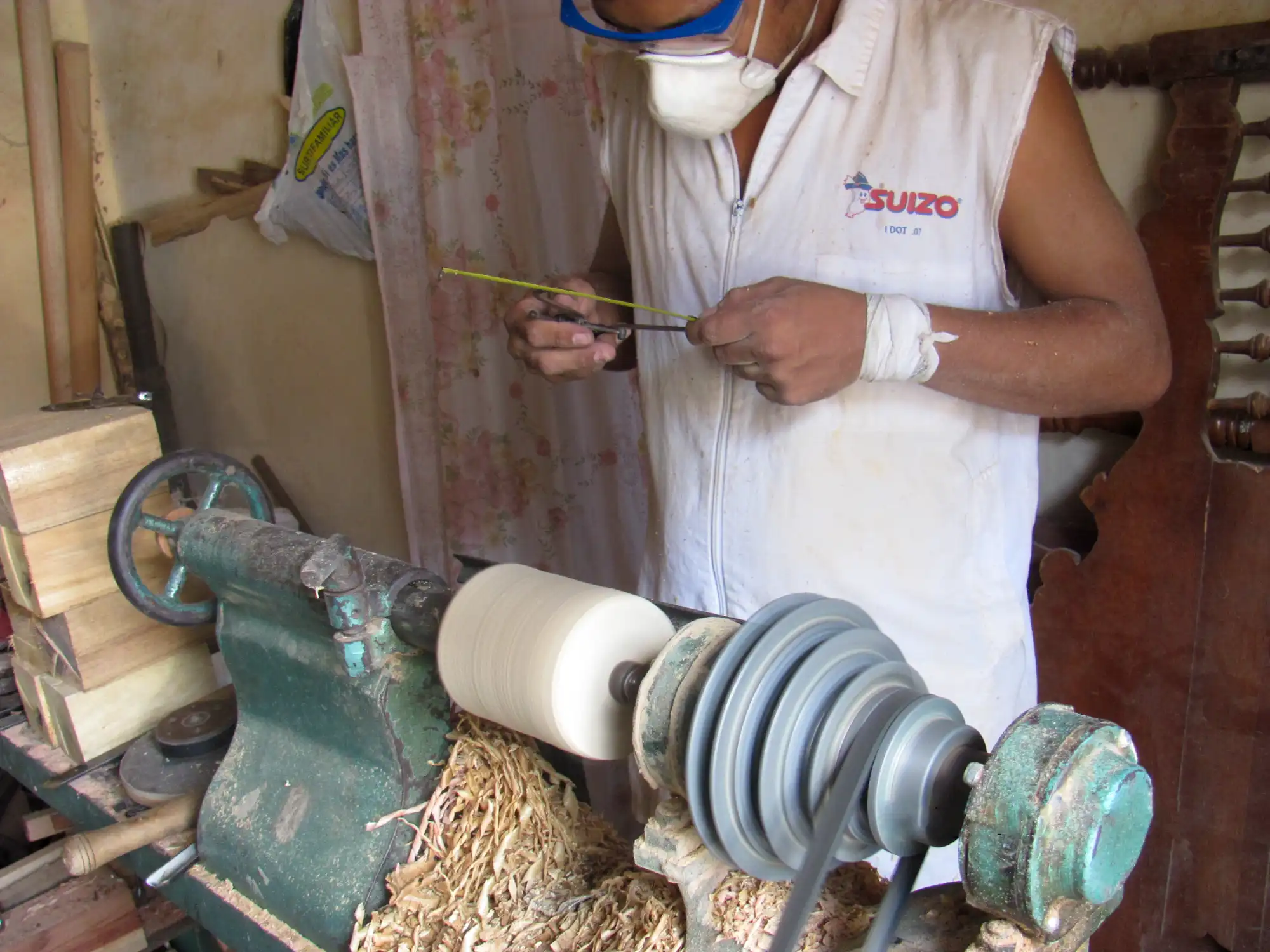
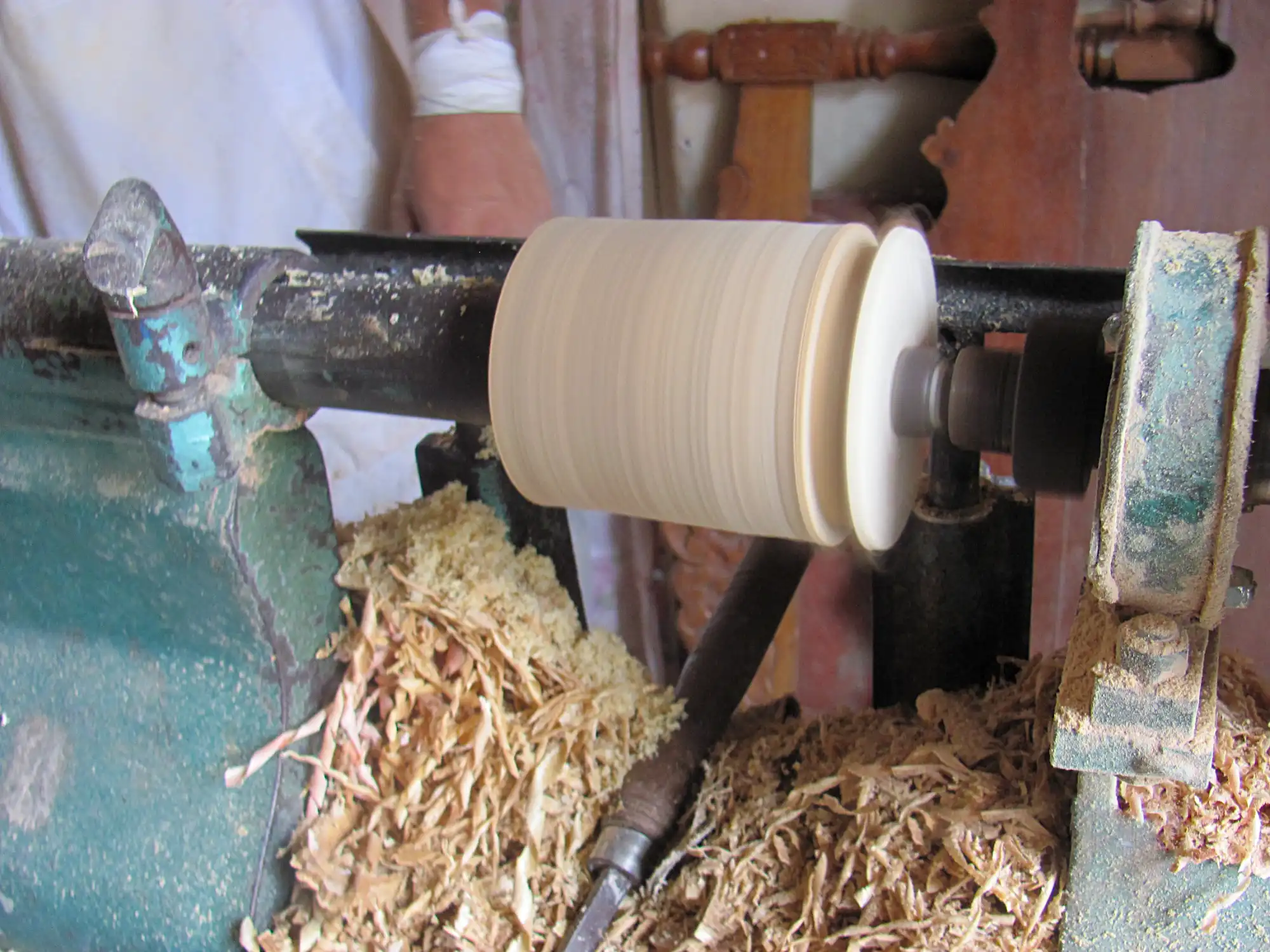
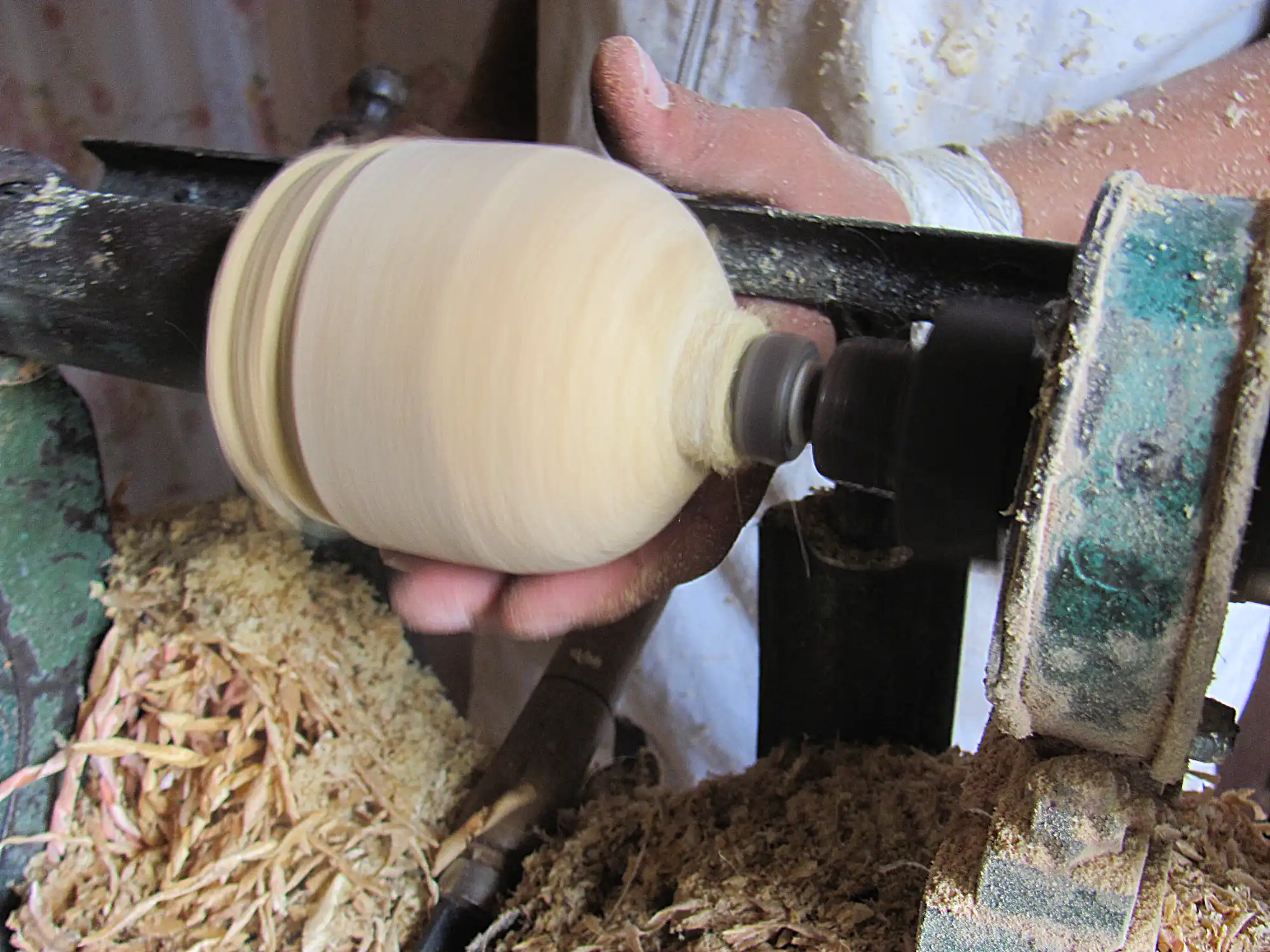
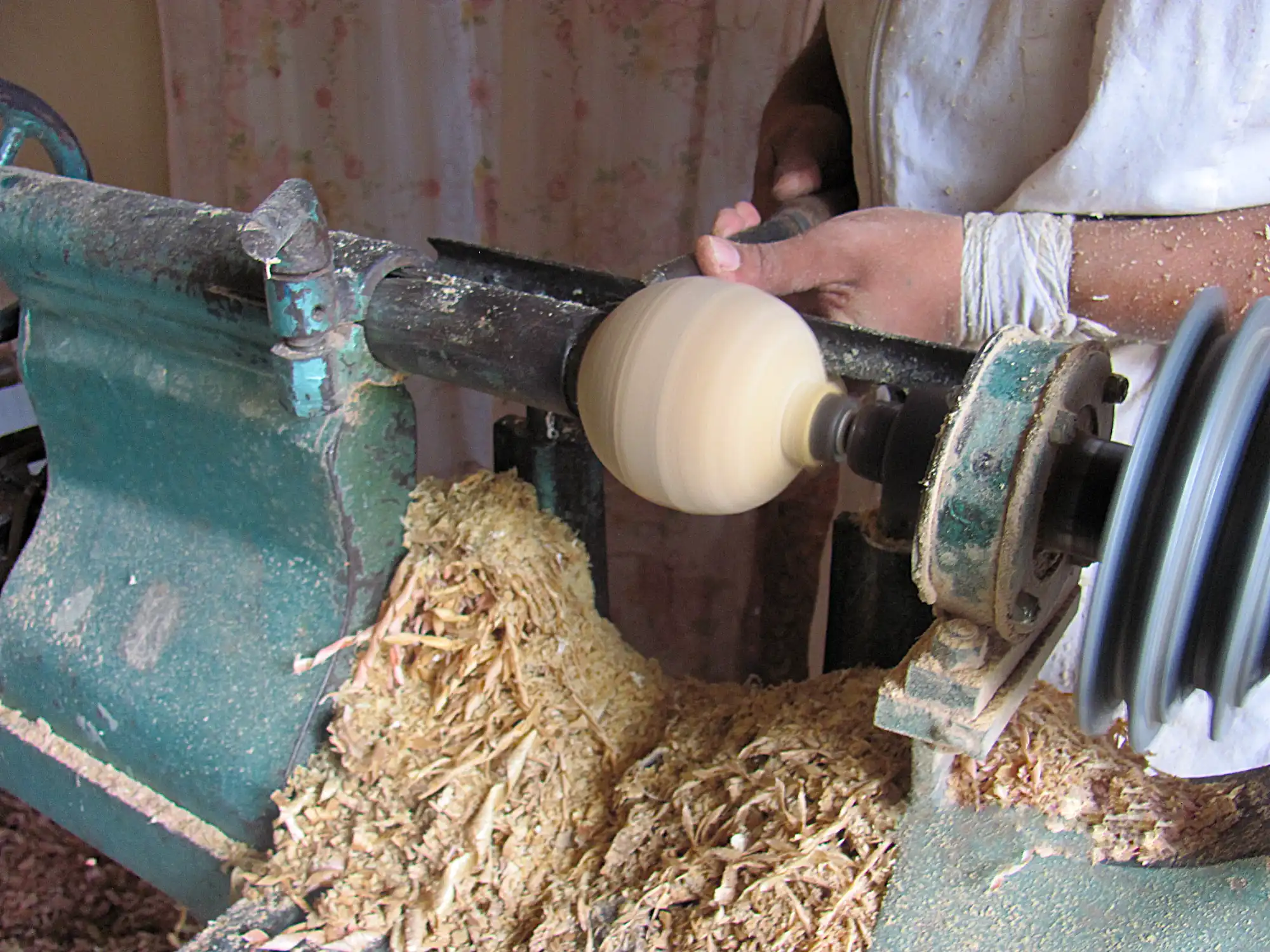
- Lathe Turning: The square blocks were then mounted onto a wood turning lathe to be meticulously shaped into perfect spheres.
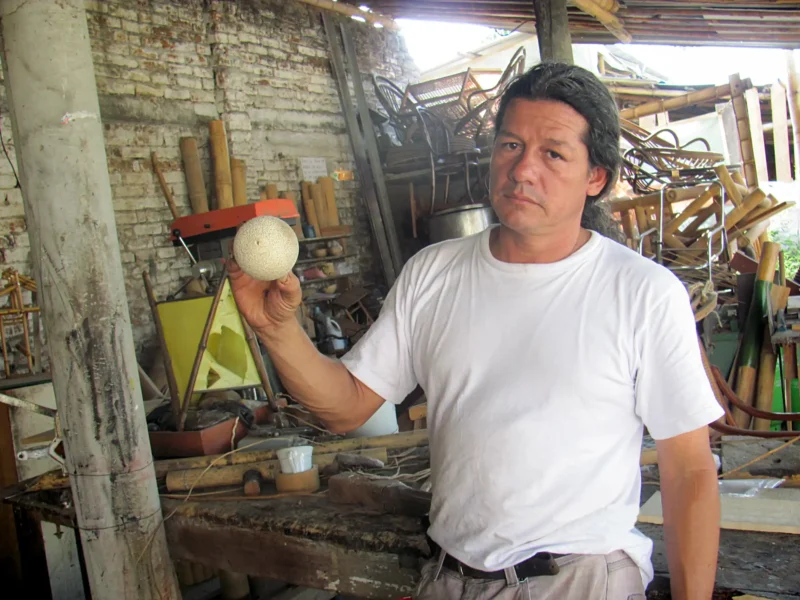
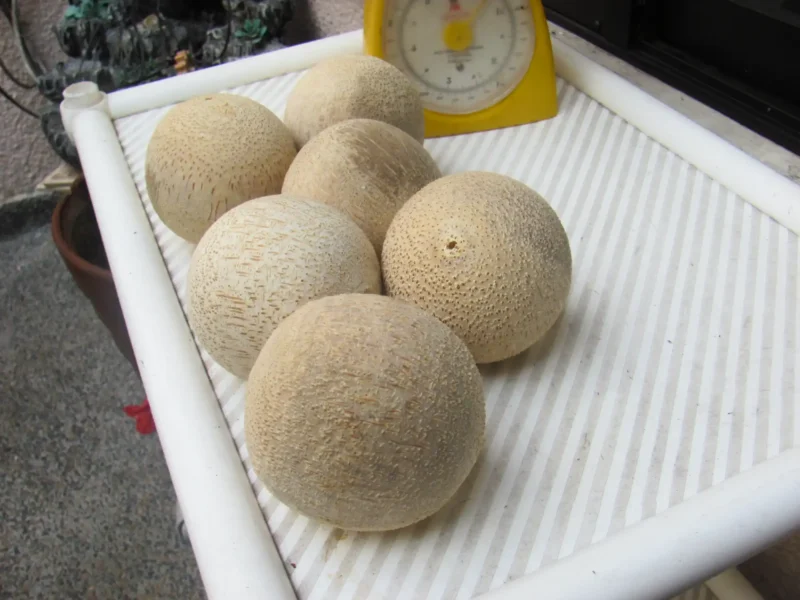
- Precise Calibration: Throughout the turning process, each ball was frequently measured and weighed. To meet traditional playing standards, they needed to measure strictly between 7.5 and 8 cm in diameter and weigh between 100 and 125 grams.
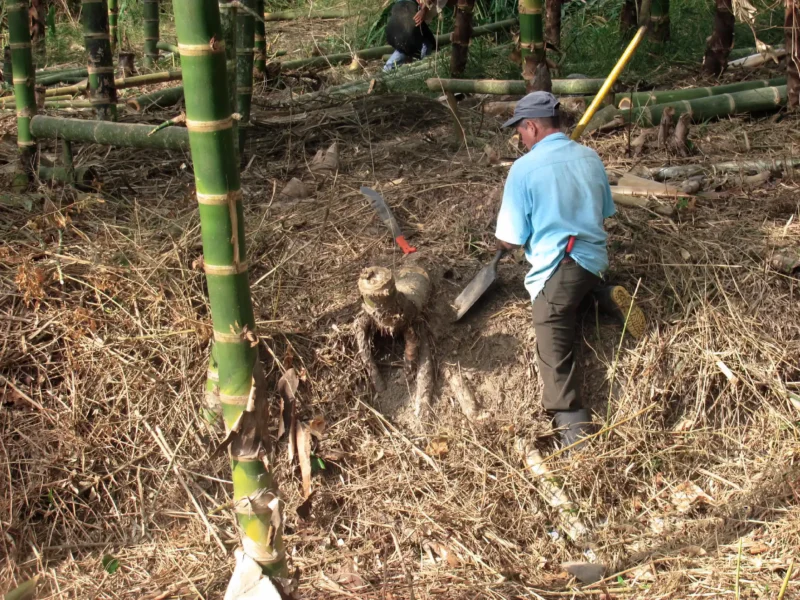
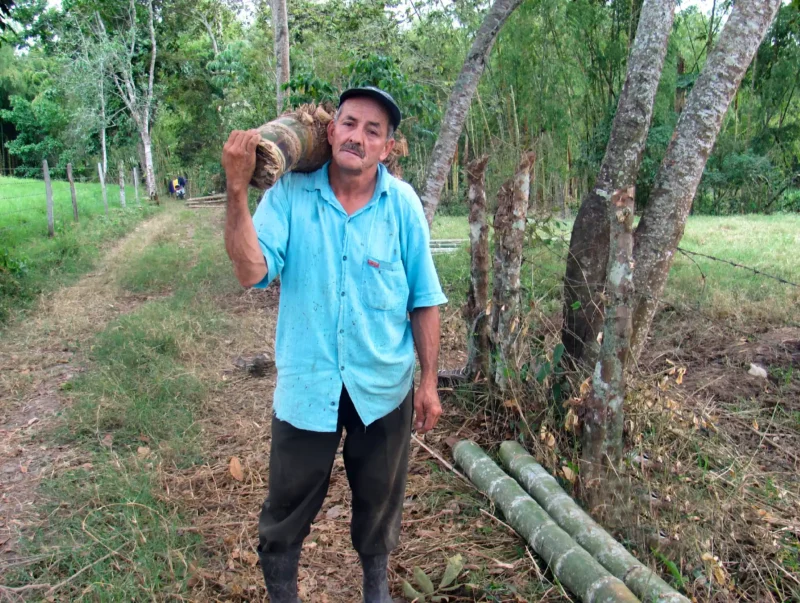
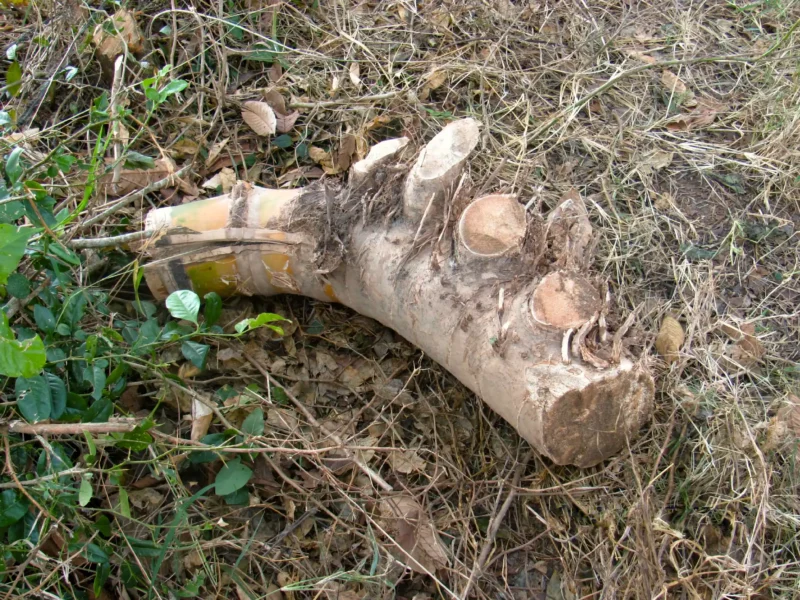
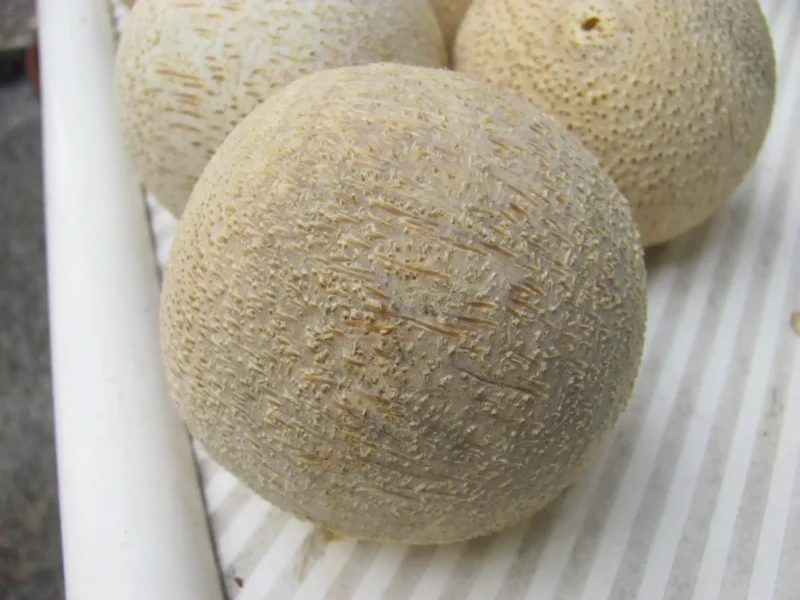
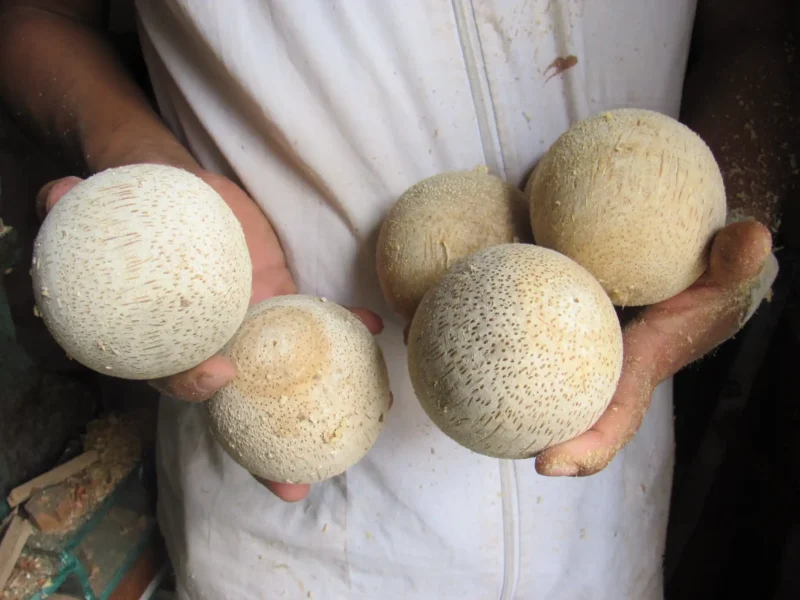
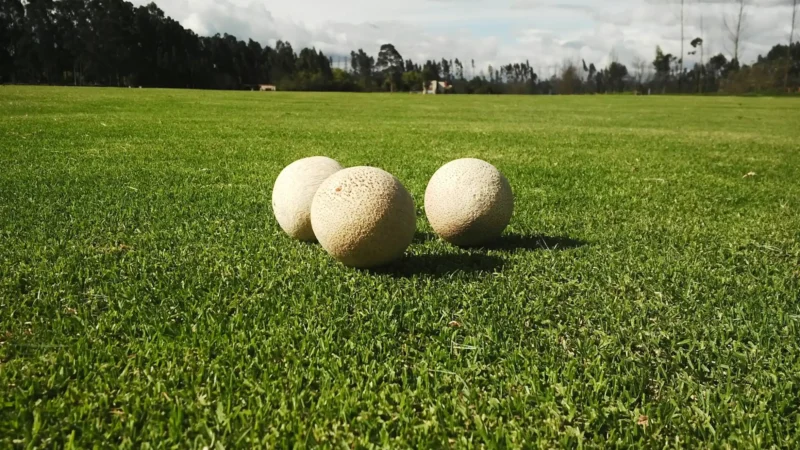
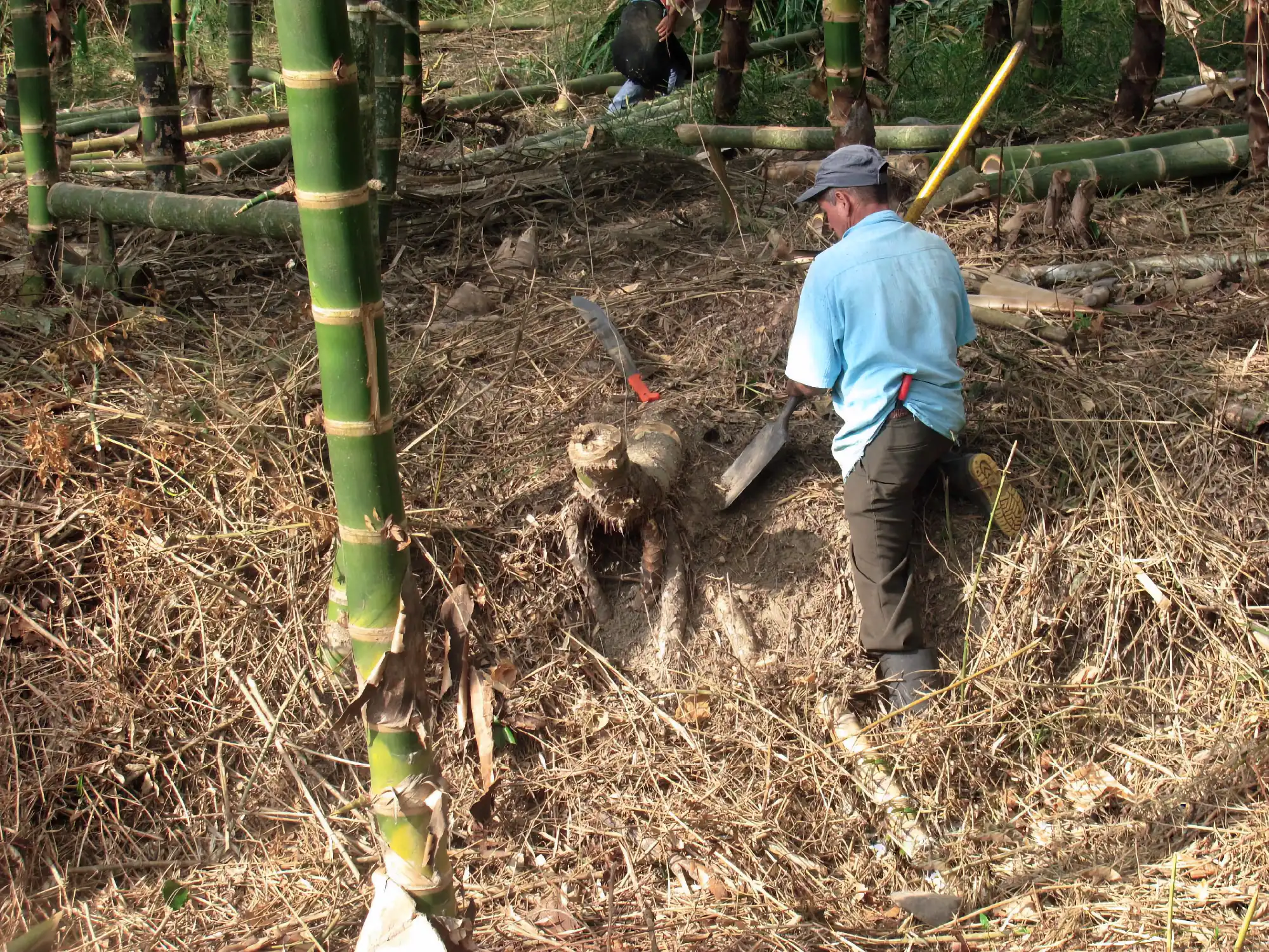
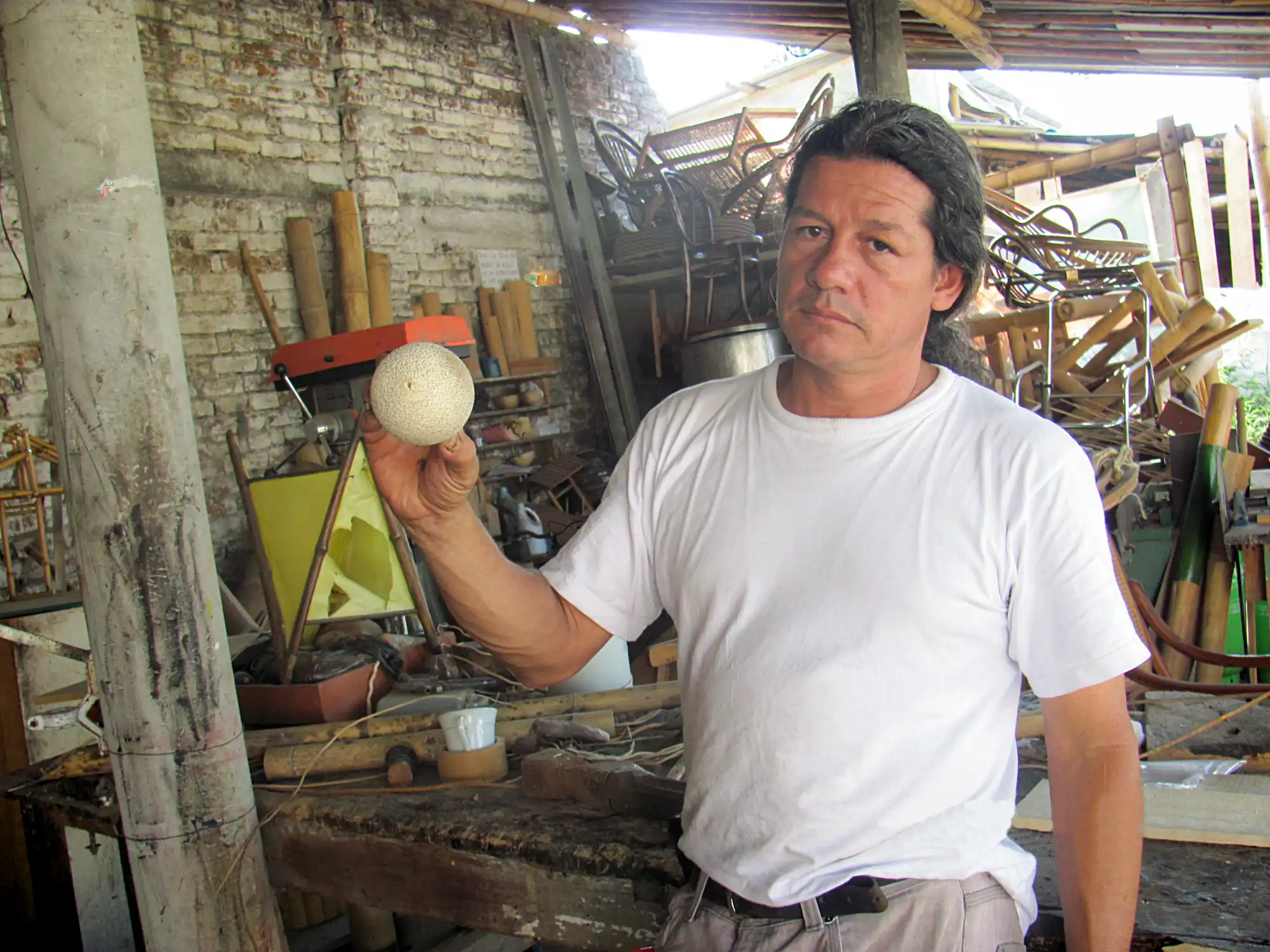
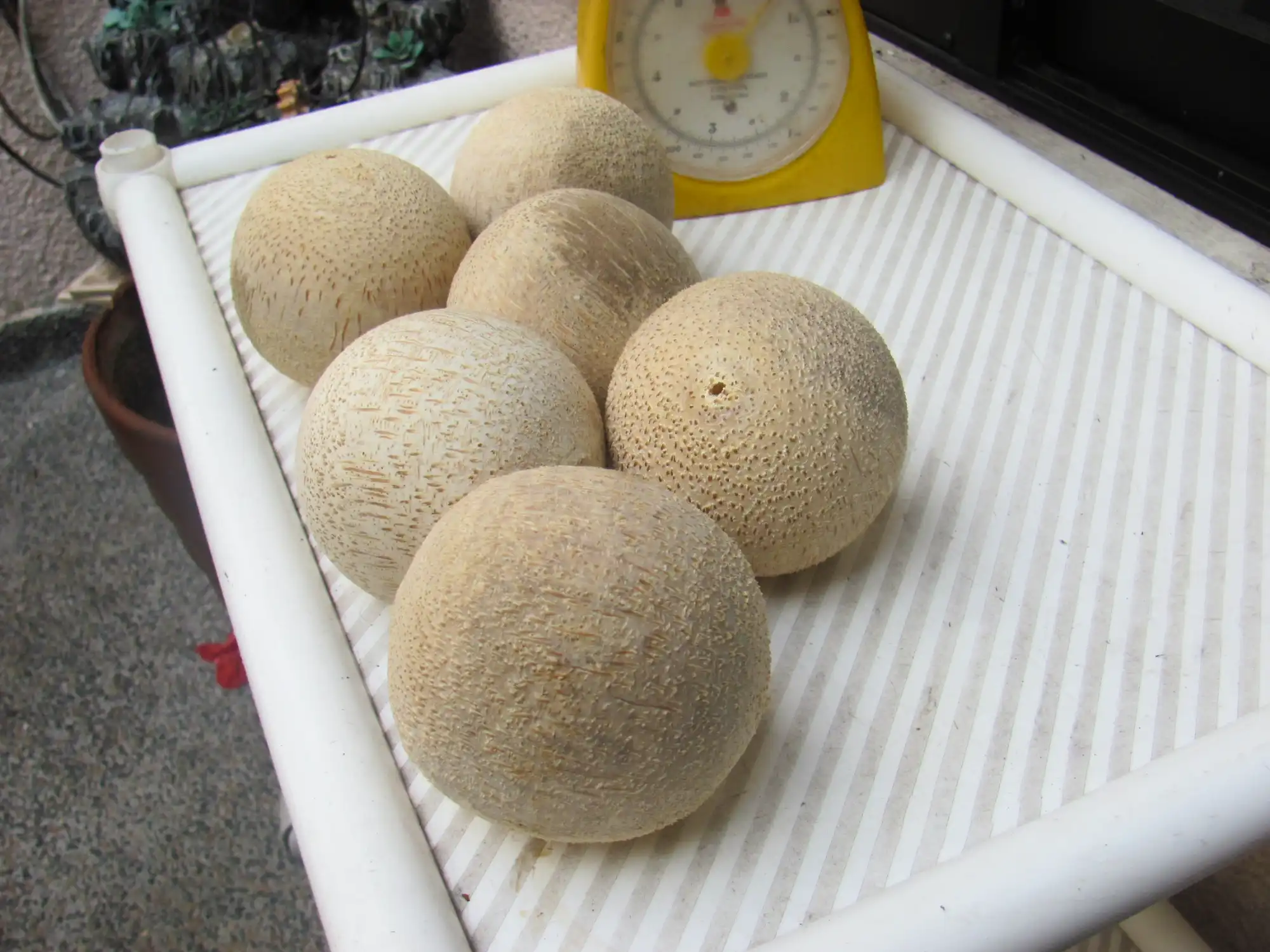
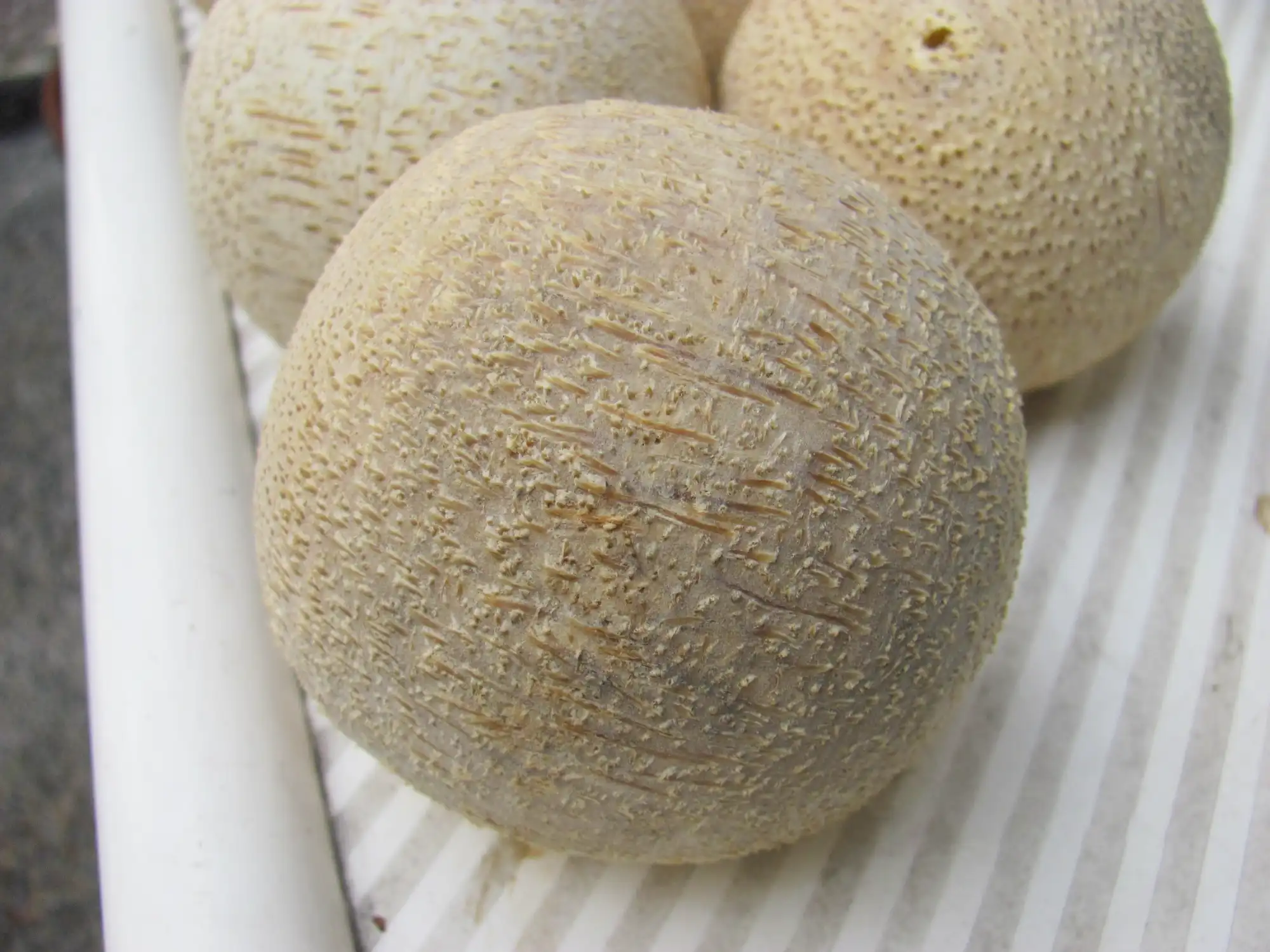
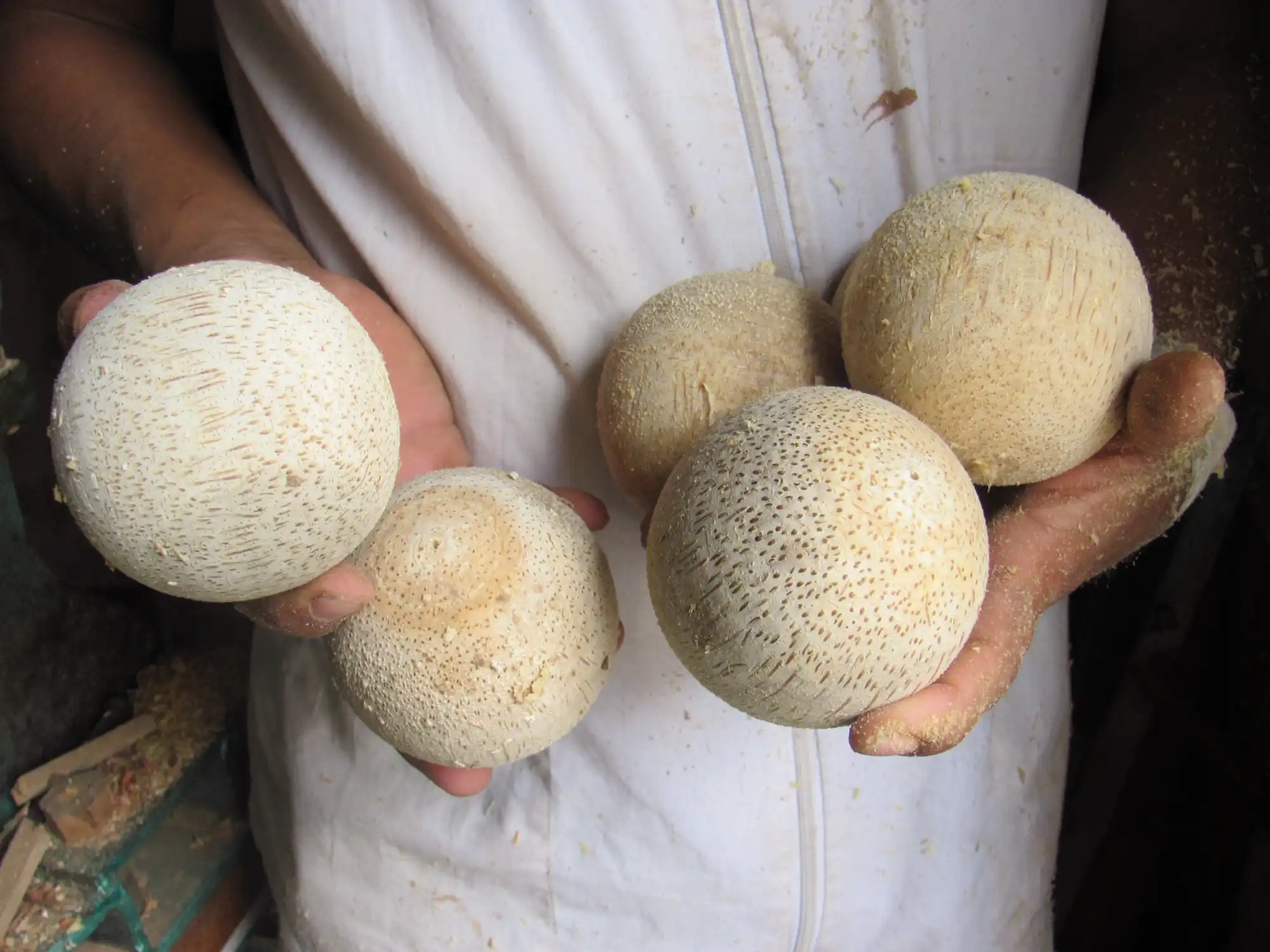
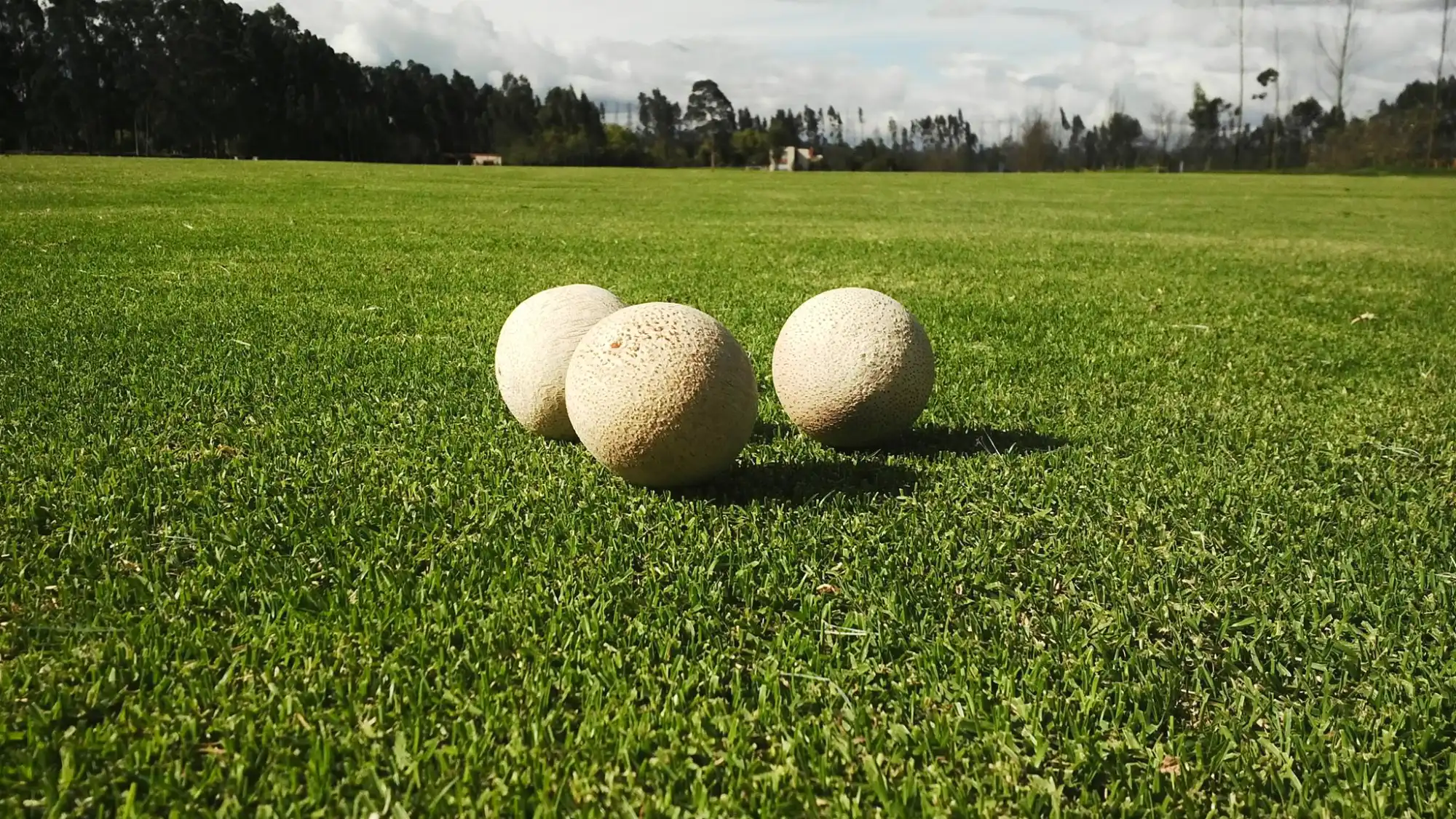
Guadua Bamboo Polo Balls Testing and Key Takeaways
The final results were incredibly strong, beautiful bamboo polo balls. During our testing, some players noted that their horses actually had difficulty keeping up with the extreme pace of modern, faster-moving plastic polo balls, and they still preferred the organic, slightly more controllable pace of the traditional bamboo version.

While we do not produce these unique sports pieces commercially (as the process is too labor-intensive and costly), the project perfectly demonstrated the immense density, impact resistance, and versatile engineering capabilities of the Guadua rhizome.

Amazing write-up! It is very interesting and easily explain. Thank you and good luck with the upcoming posts.