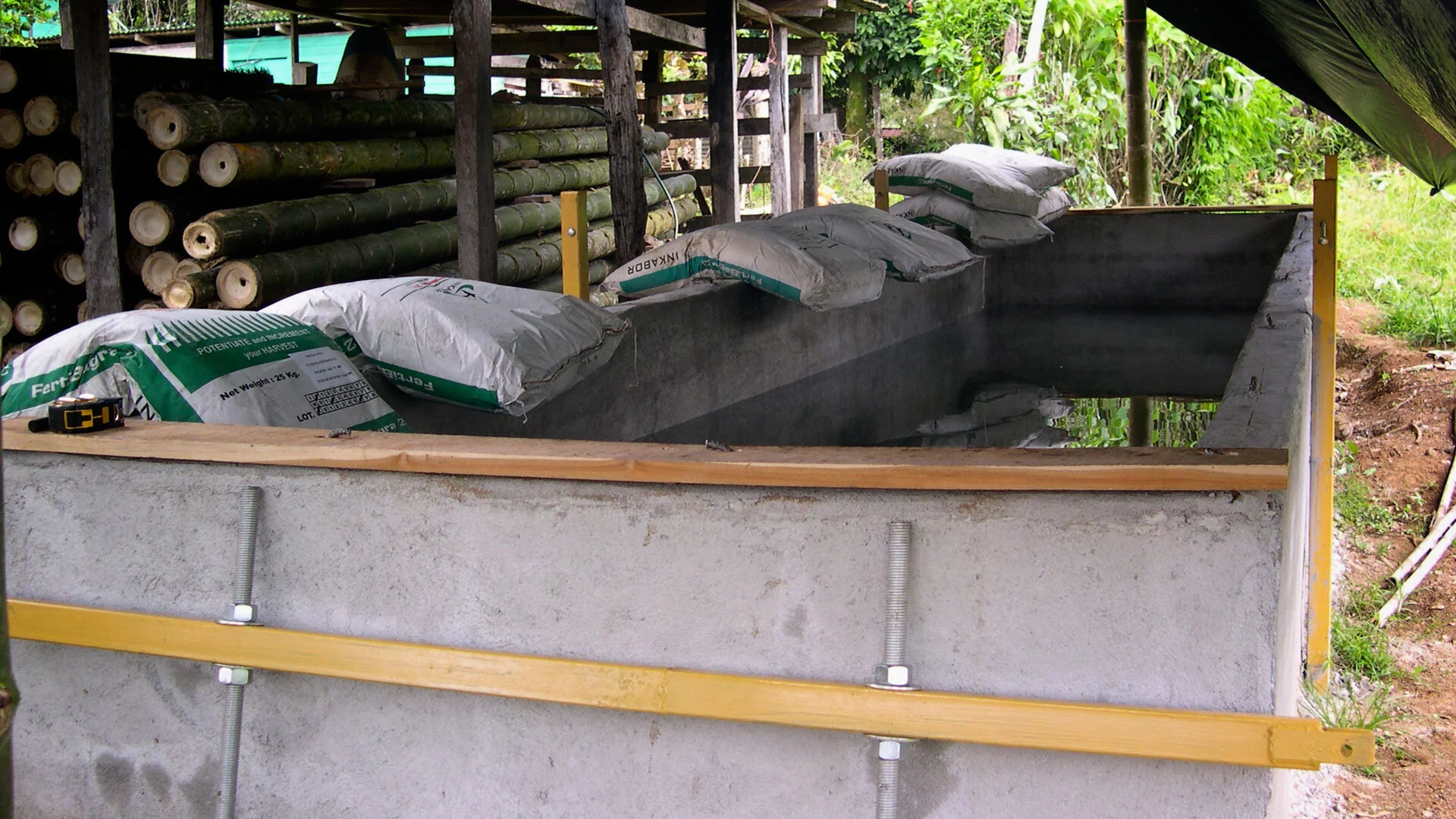
Chemical Bamboo Preservation
Chemical preservation (with or without the help of special equipment) ensures long term protection. Depending upon the method of bamboo treatment, chemical preservatives can impart short term or long term protection.

Chemical preservation (with or without the help of special equipment) ensures long term protection. Depending upon the method of bamboo treatment, chemical preservatives can impart short term or long term protection.
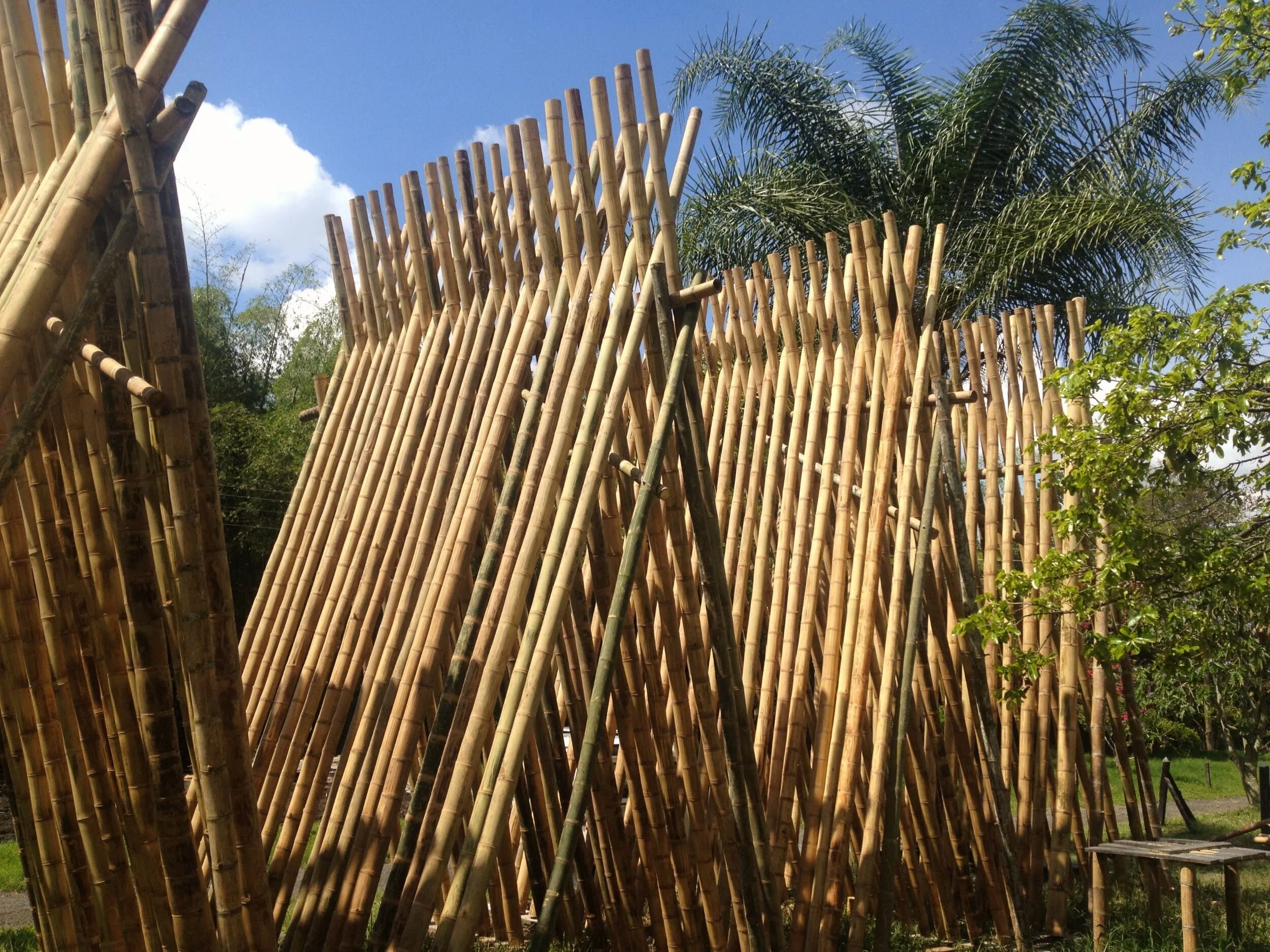
Drying bamboo poles requires more time than wood of similar density. This because bamboo possess hygroscopic materials (compound that easily absorbs moisture) that may contain 50-60% moisture content, depending on the felling season, area of growth and species.
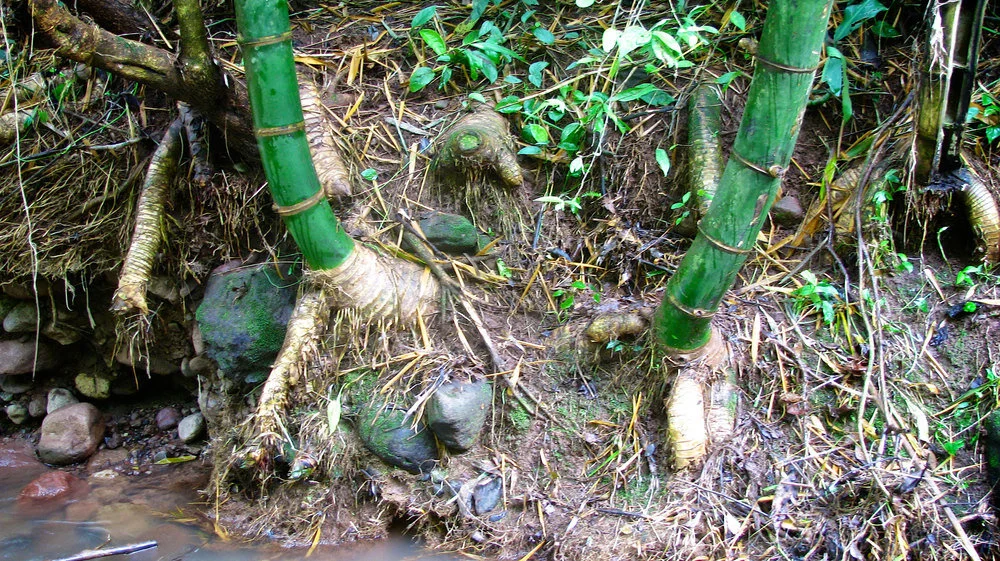
Choosing the best soil to grow Guadua bamboo is one of the most important determinants for success or failure of a commercial Guadua bamboo plantation. A good selection of soil, coupled with optimal climate conditions, may generate Guadua angustifolia stems taller than 20 m high, or in the contrary stems of maximum 6 or 7
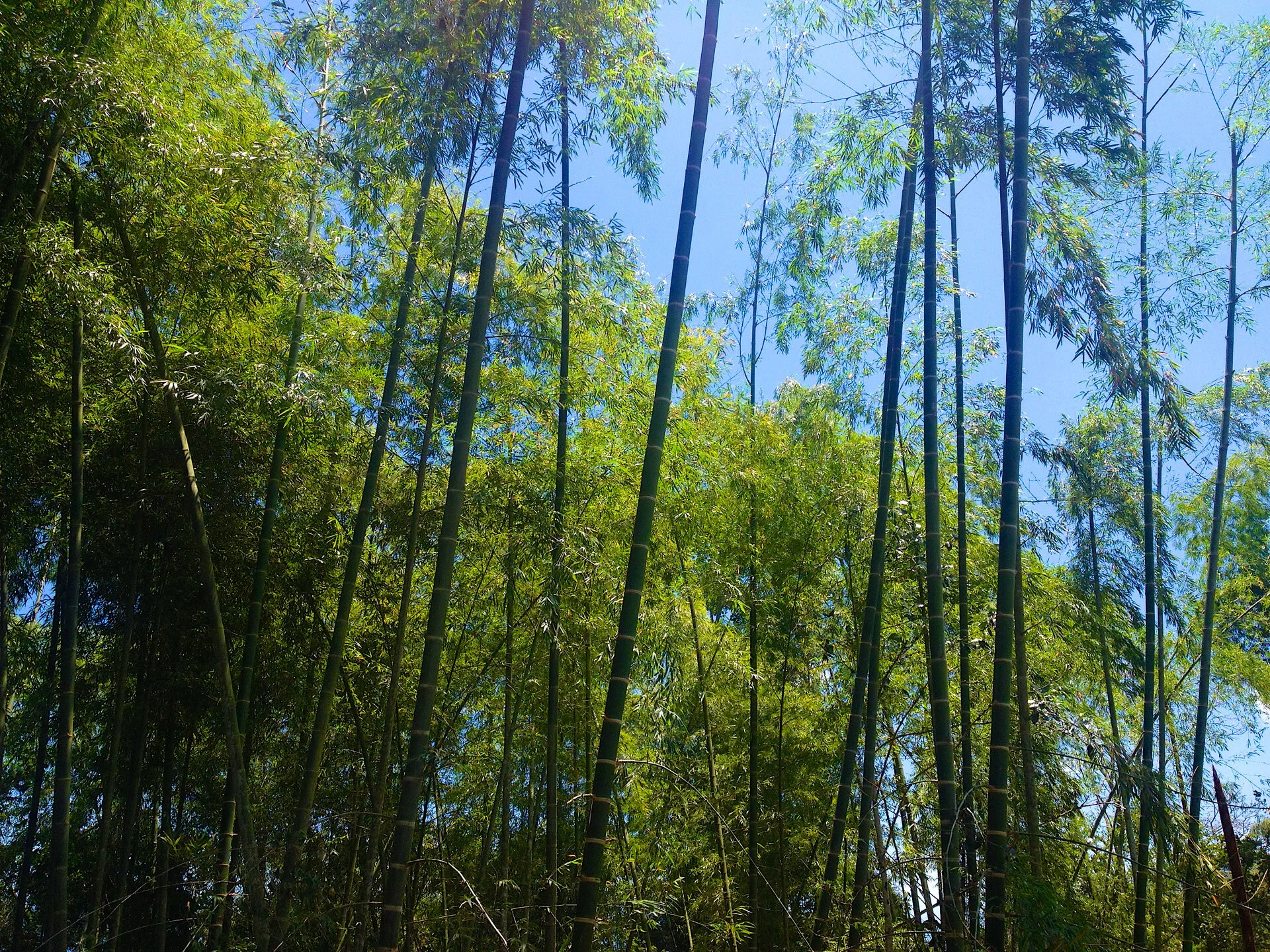
Optimal climate conditions to grow Guadua bamboo together with soil properties will determine to a large extent whether the development of a commercial bamboo plantation will be successful or not. 7 climatic variables must be studied and researched before establishing a commercial bamboo farm in a given location. They are; average annual temperature, altitude, annual average rainfall (precipitation),
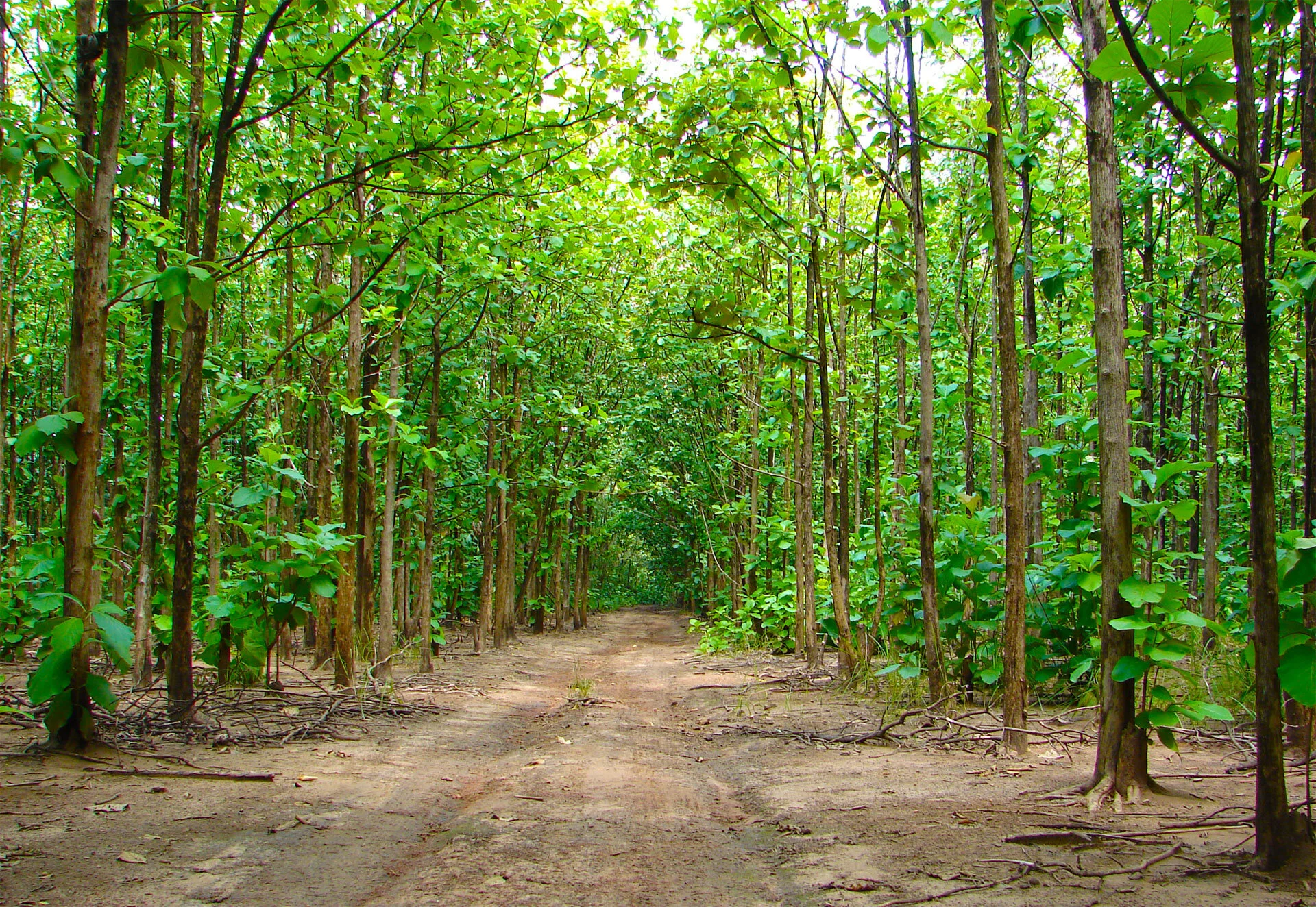
What is the Best and Safest Investment? Teak plantations vs Guadua bamboo plantations, which of the two is the best and safest investment if it comes to reforestation and tree farming in the tropics? First of all, let me say that with the following article we try to make a fair comparison, it is not
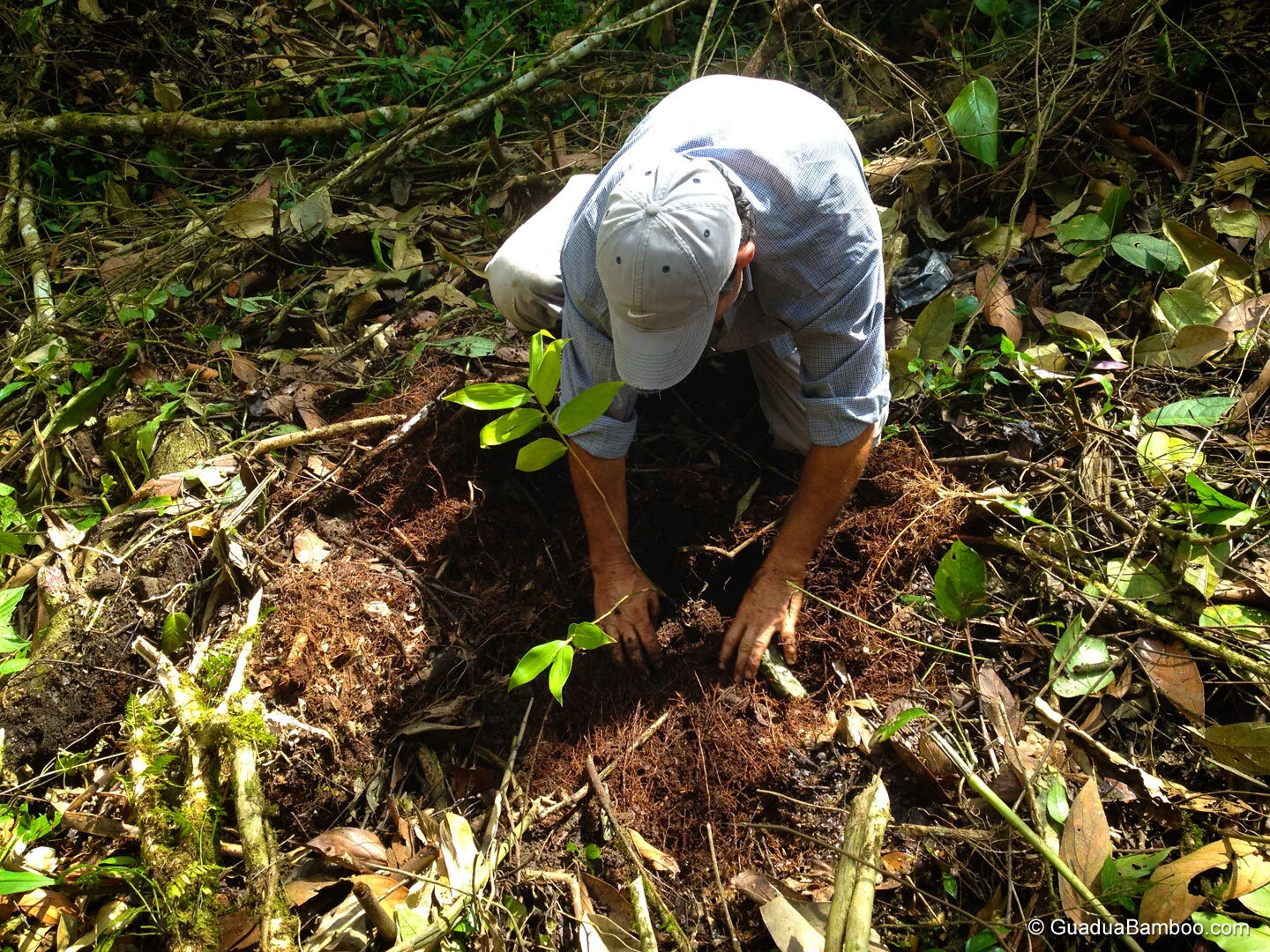
Knowing how to plant bamboo correctly, will help you establish a healthier crop and improved productivity on your bamboo farm or plantation. The distance between the plants will determine what size bamboo poles you may expect in the future. Spacing between Bamboo Plants The spacing between bamboo plants will depend on the species to be planted, the primary
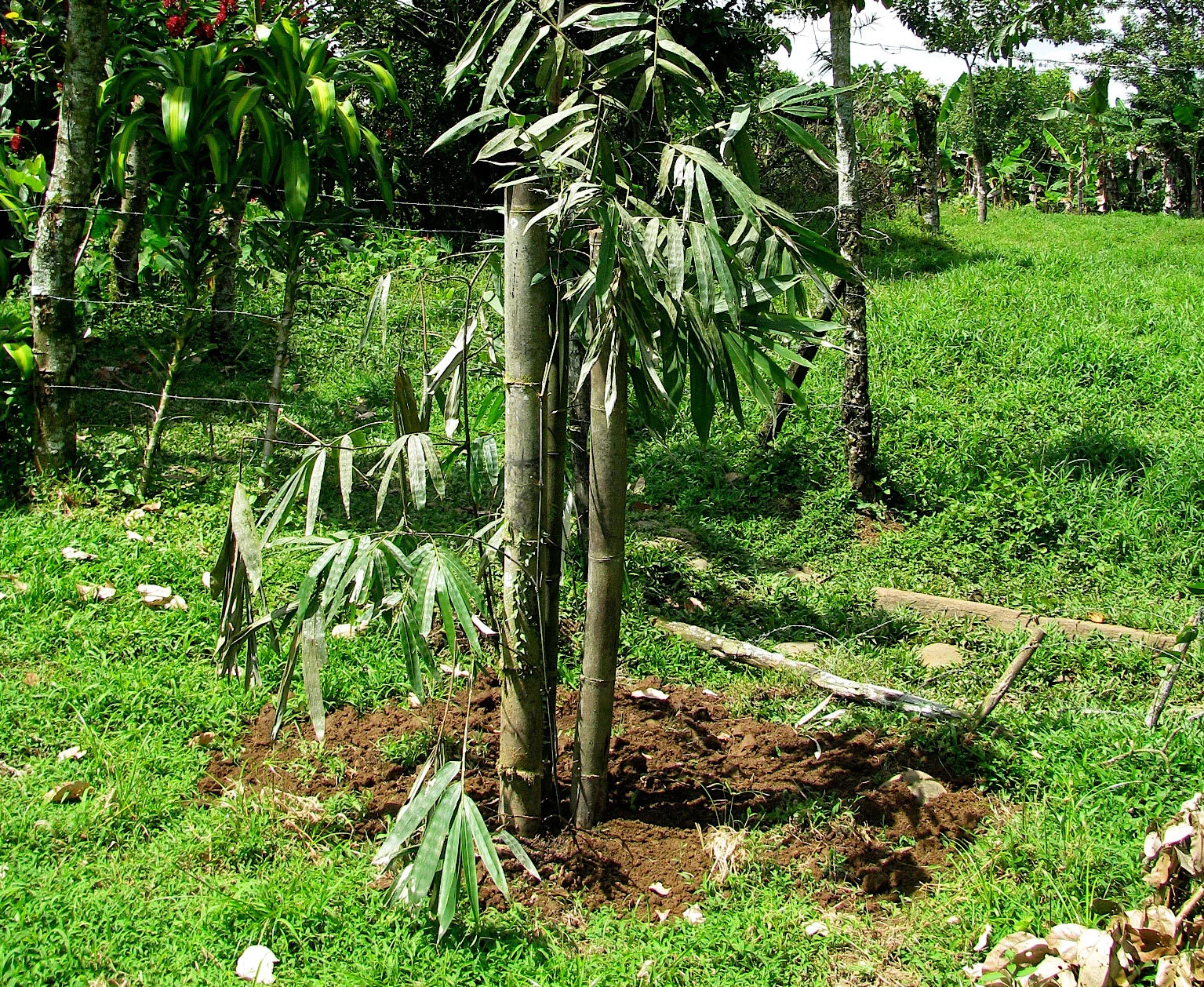
Bamboo rhizome propagation or offset propagation is a traditional vegetative propagation method, and perhaps the most commonly used propagation technique for bamboo. However, it is only practicable for cultivating a few clumps due to the extensive labor and cost this technique requires. What is a Bamboo Offset? A bamboo offset is the lower part of
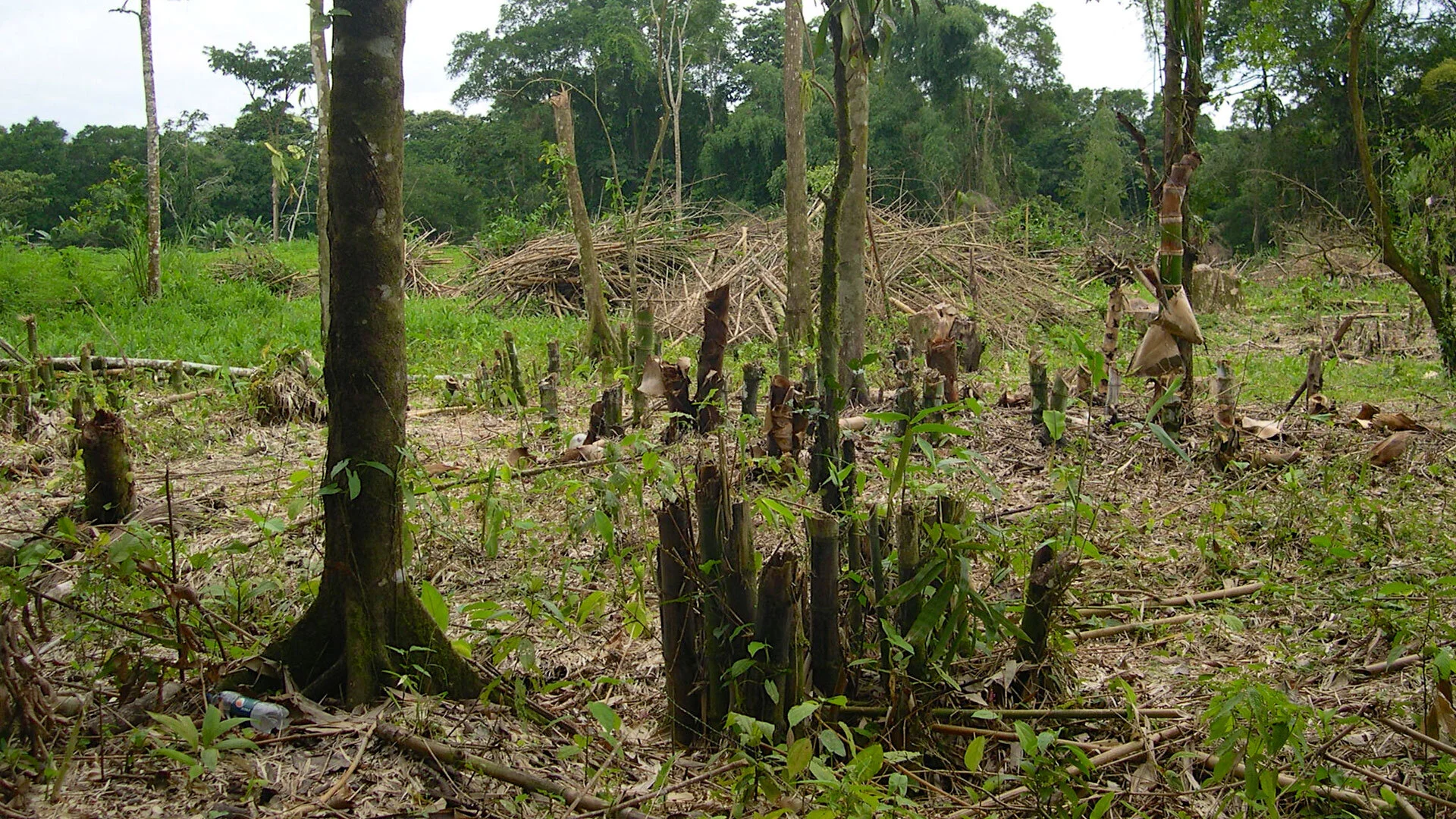
Thinking about investing in bamboo plantations? Great, but after reading this article about bamboo investment scams and lease plans you might want to re-think your options… When browsing the internet for the term “investing in bamboo plantations“, Google will come up with a growing amount of bamboo investment schemes promising you very high returns. The
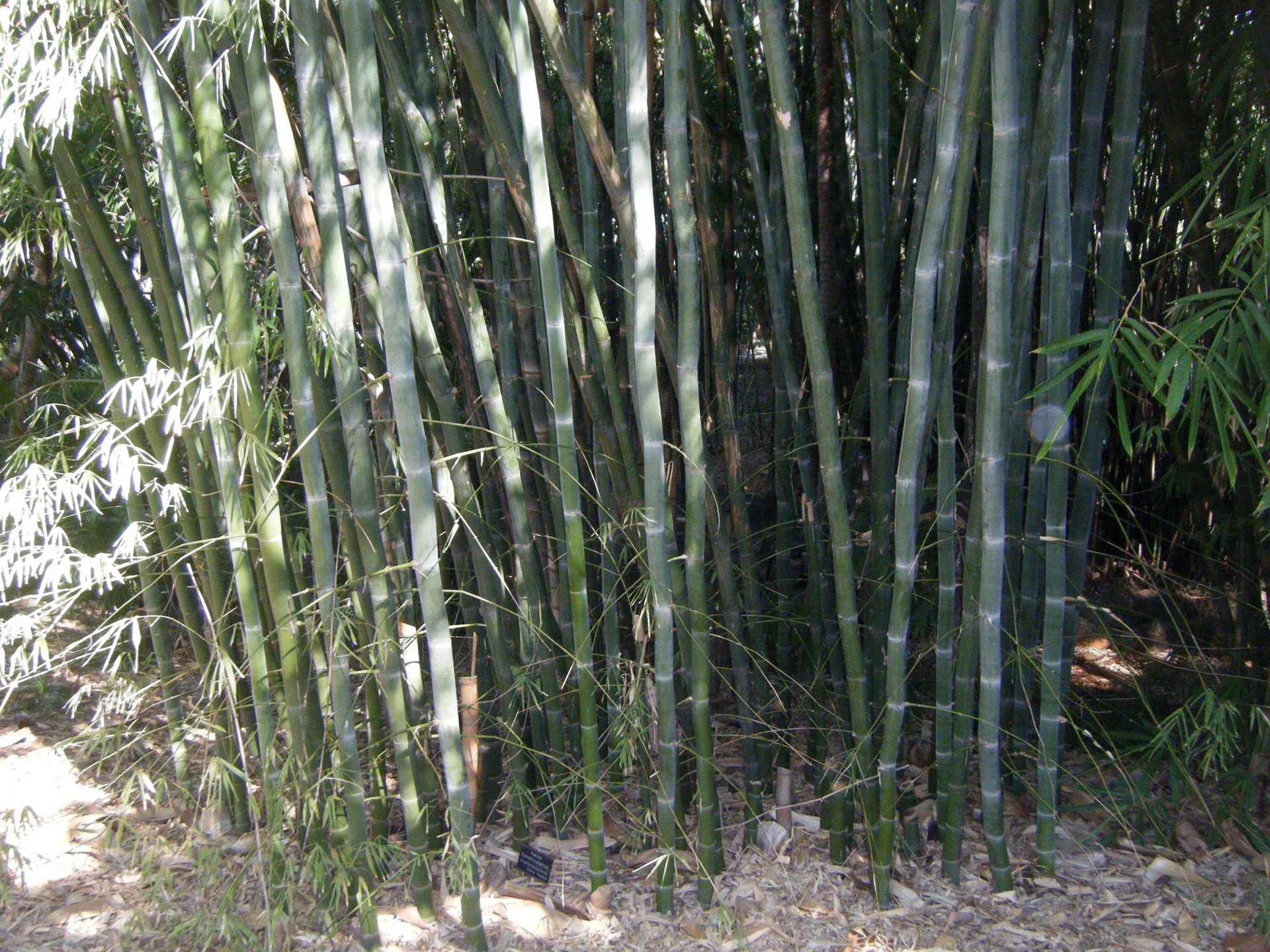
Dendrocalamus membranaceus also known as Waya Bamboo and formerly classified as Bambusa membranacea is a medium-sized tropical clumping bamboo originating from Southeast Asia. This bamboo species is a good source for paper pulp and has edible shoots.
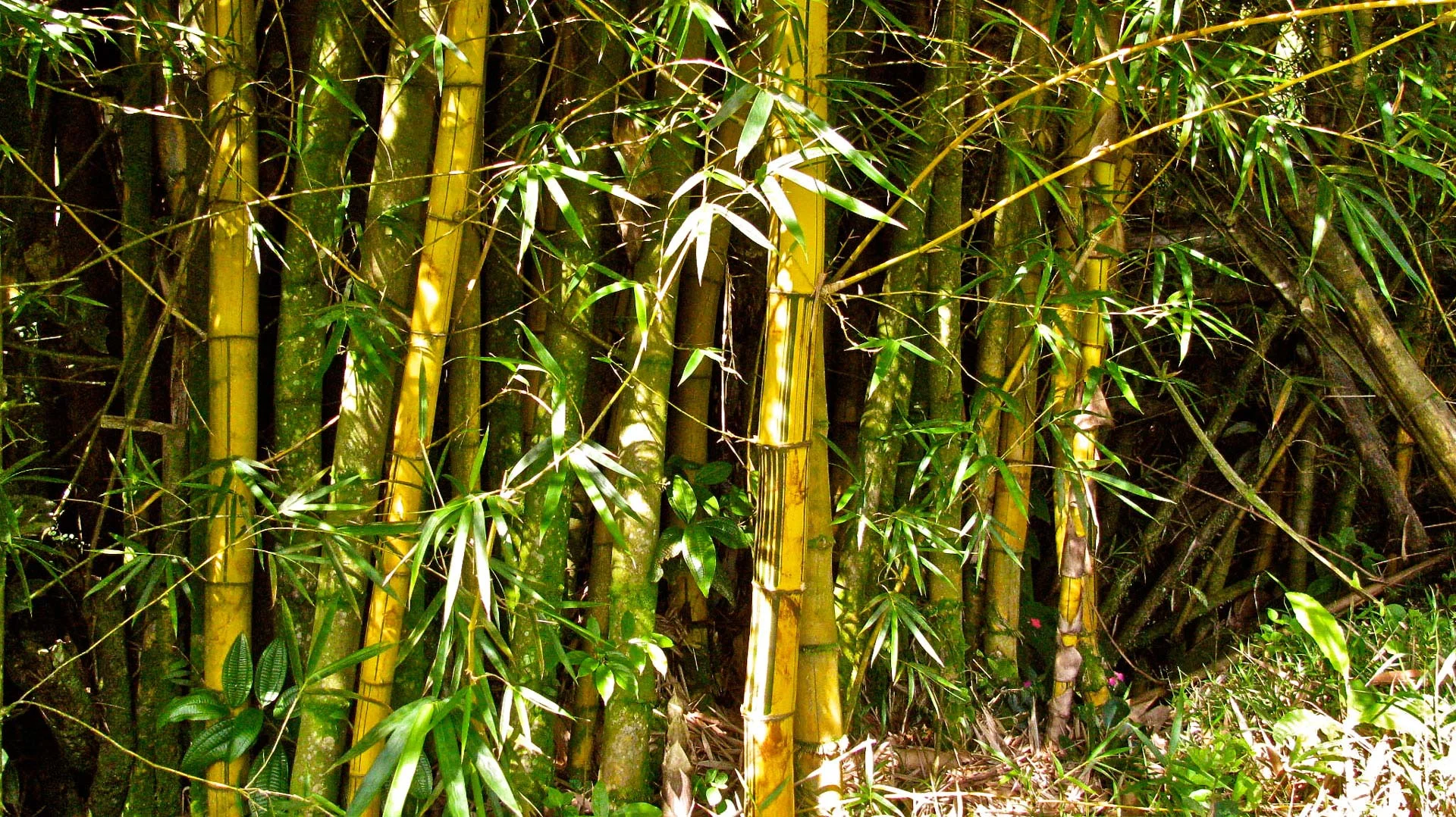
Bambusa vulgaris ‘Vittata’ or Painted Bamboo, (previously known as Bambusa vulgaris ‘Striata’) is a giant tropical and subtropical clumping bamboo native to China and Japan. It is one of the most cultivated ornamental bamboos in the tropical world.
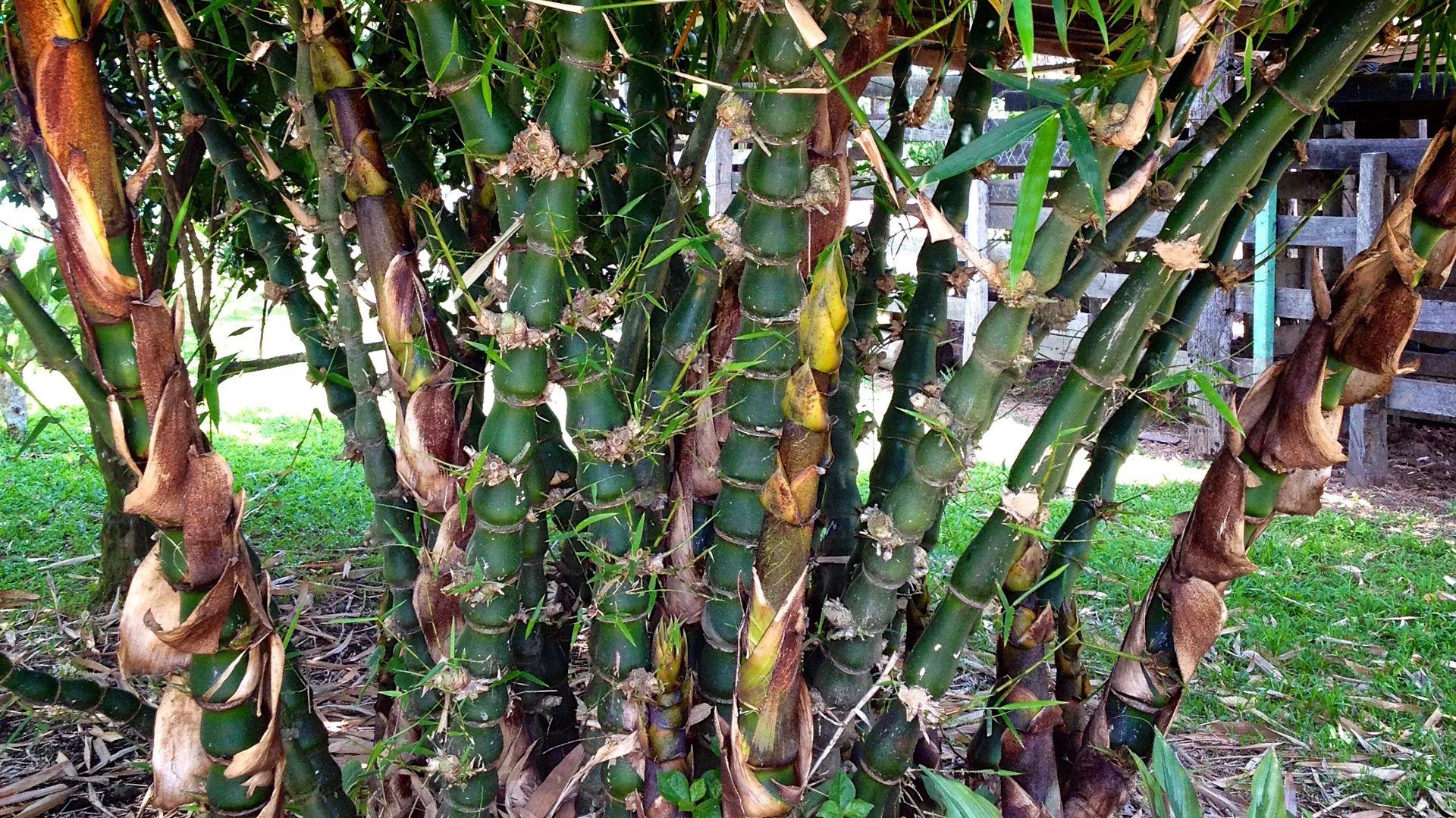
Bambusa vulgaris ‘Wamin’ or Dwarf Buddha Belly Bamboo is a tropical and subtropical clumping bamboo native to South China.
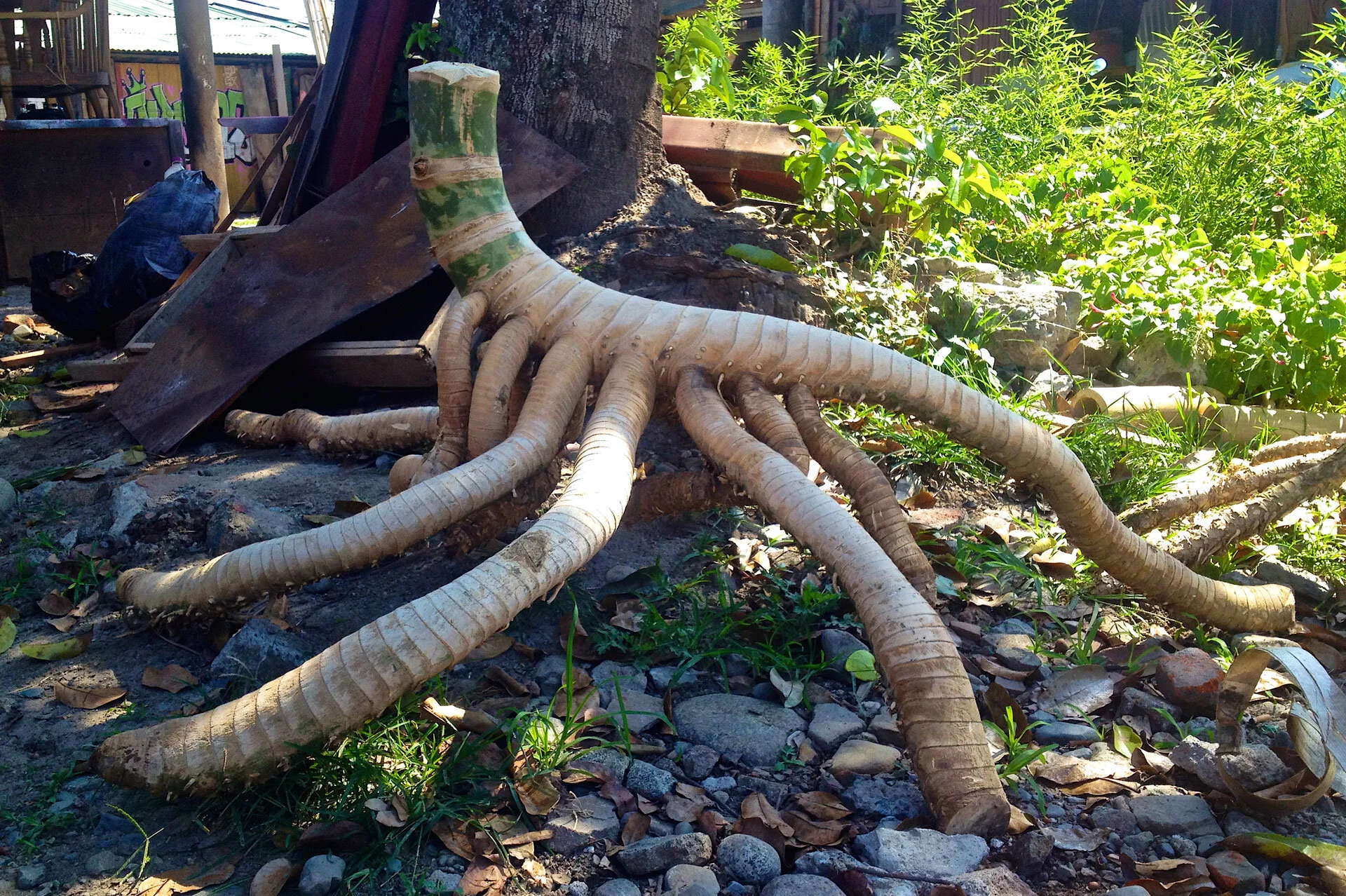
The bamboo rhizome is the underground part of a bamboo stem (culm). However, rhizomes are not roots, roots grow under the rhizome and culms erect on top of the rhizome.
Sign up with your email address to receive news and updates.