News, Projects & Technical Insights

Since 2007, we have been documenting the evolution of our work with one of the world’s most versatile materials. This collection captures our entire journey, spanning from technical bamboo insights and global construction projects to the heart of our reforestation efforts here in Colombia. Whether you are exploring our "Adopt a Bamboo" program, diving into deep taxonomy research, or seeking professional guides on species identification or construction, this archive serves as a living library for the global bamboo community.

Benefits

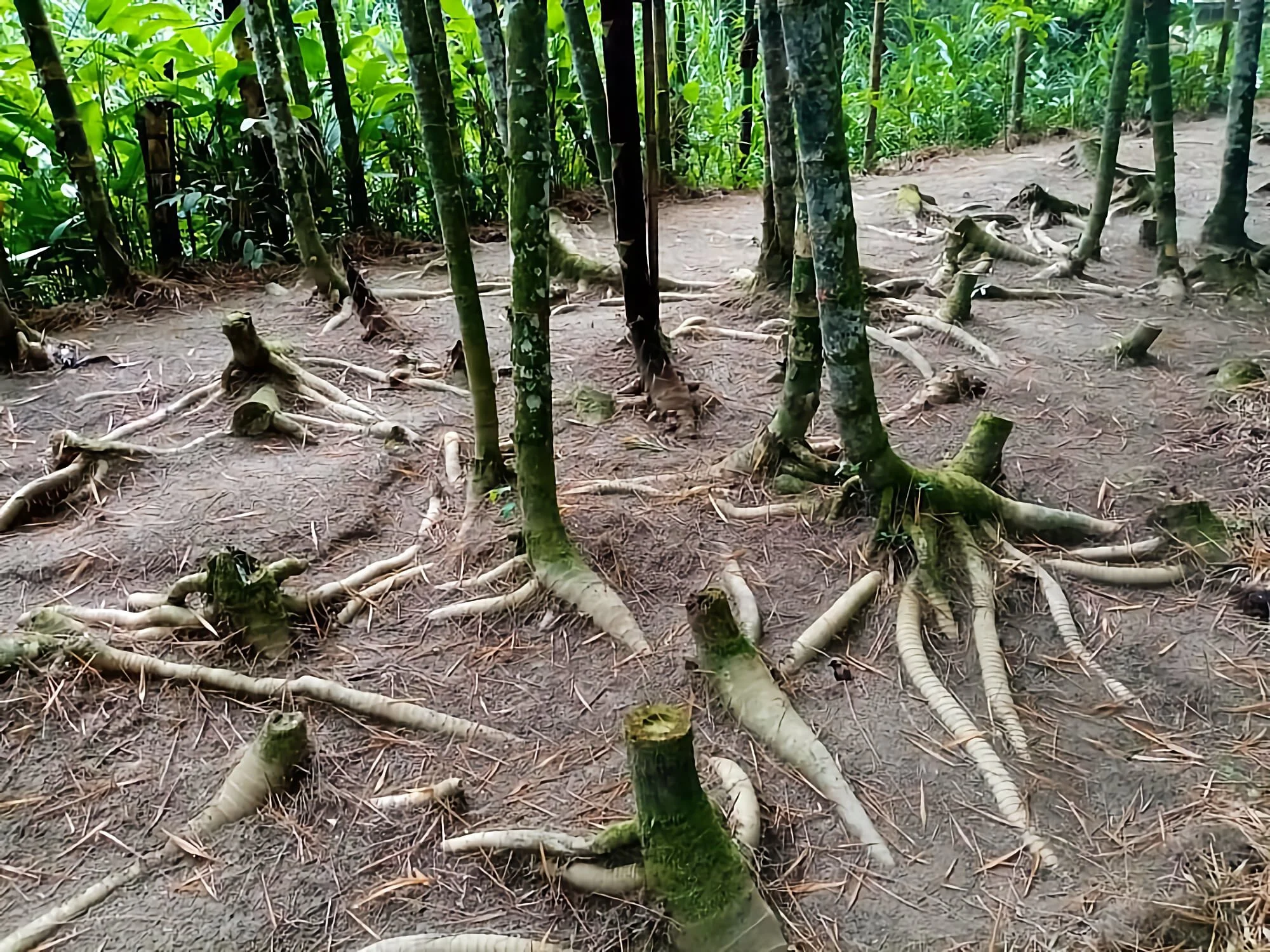
Bamboo Forests Create a Habitat for Fauna and Flora

Bamboo is an important part of a biodiverse ecosystem. Many animals such as the Giant Panda (China), Red Panda (China), Mountain Gorilla (Uganda/Rwanda), Sumatran Tiger (Indonesia), Lesser and Greater Bamboo Lemurs (Madagascar), Bale Monkey (Ethiopia), Bamboo Bats (China) and the Agile Gracile Opossum (South America) rely on bamboo for food and shelter. In addition to

Bamboo Forests Create a Habitat for Fauna and Flora Read more »

,
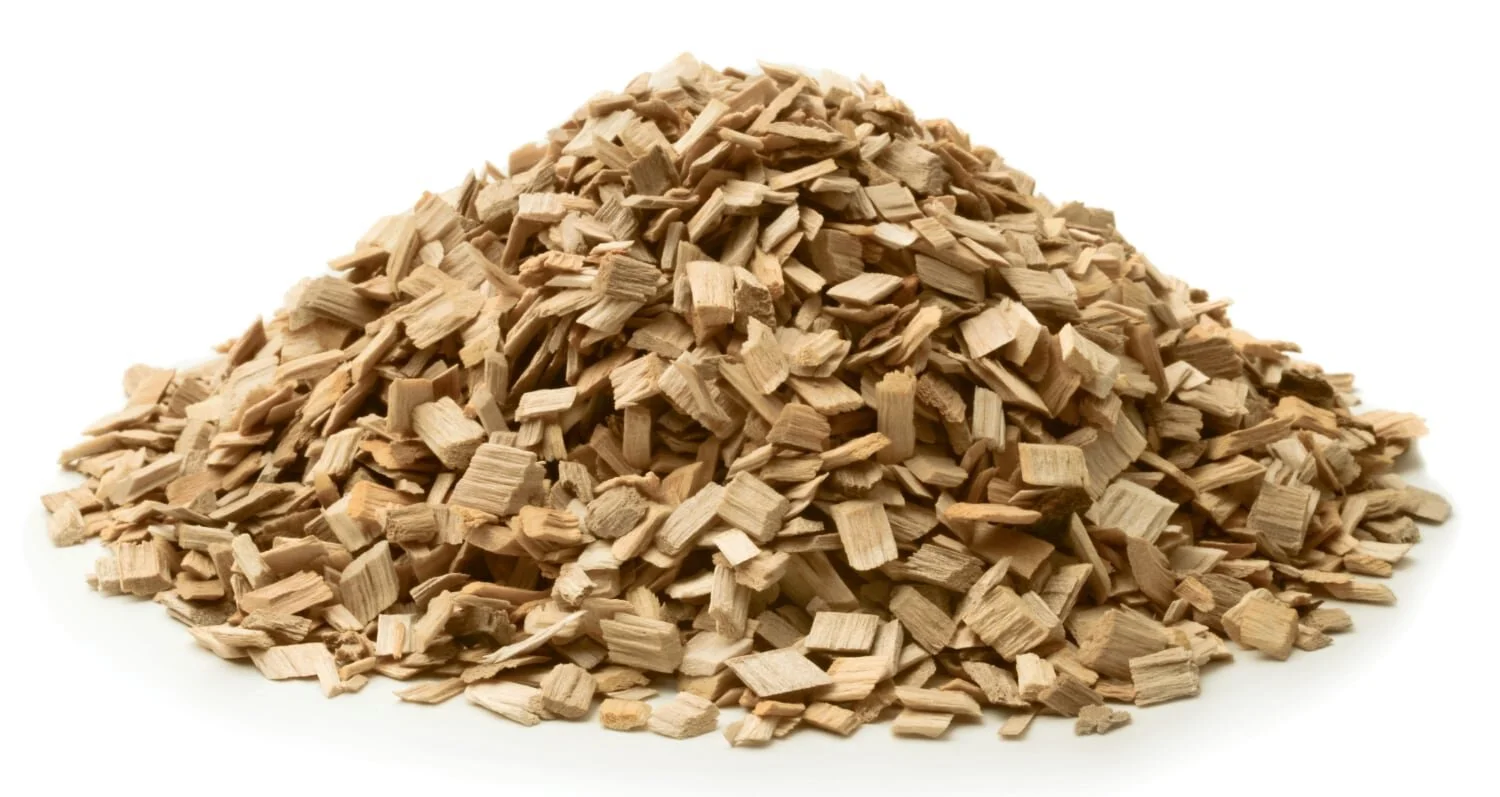
Bamboo Chips
Uses

Bamboo Provides Biomass for the Production of Renewable Energy

Bamboo is a sustainable energy source that produces 1 kWh of electricity from 1,2 kg of bamboo. This is similar to the biomass requirements for wood products, but outperforms other types of biomass sources such as hemp, bagasse or rice husk. Bamboo can produce an enormous amount of biomass in a relatively short period of

Bamboo Provides Biomass for the Production of Renewable Energy Read more »

, ,
Benefits

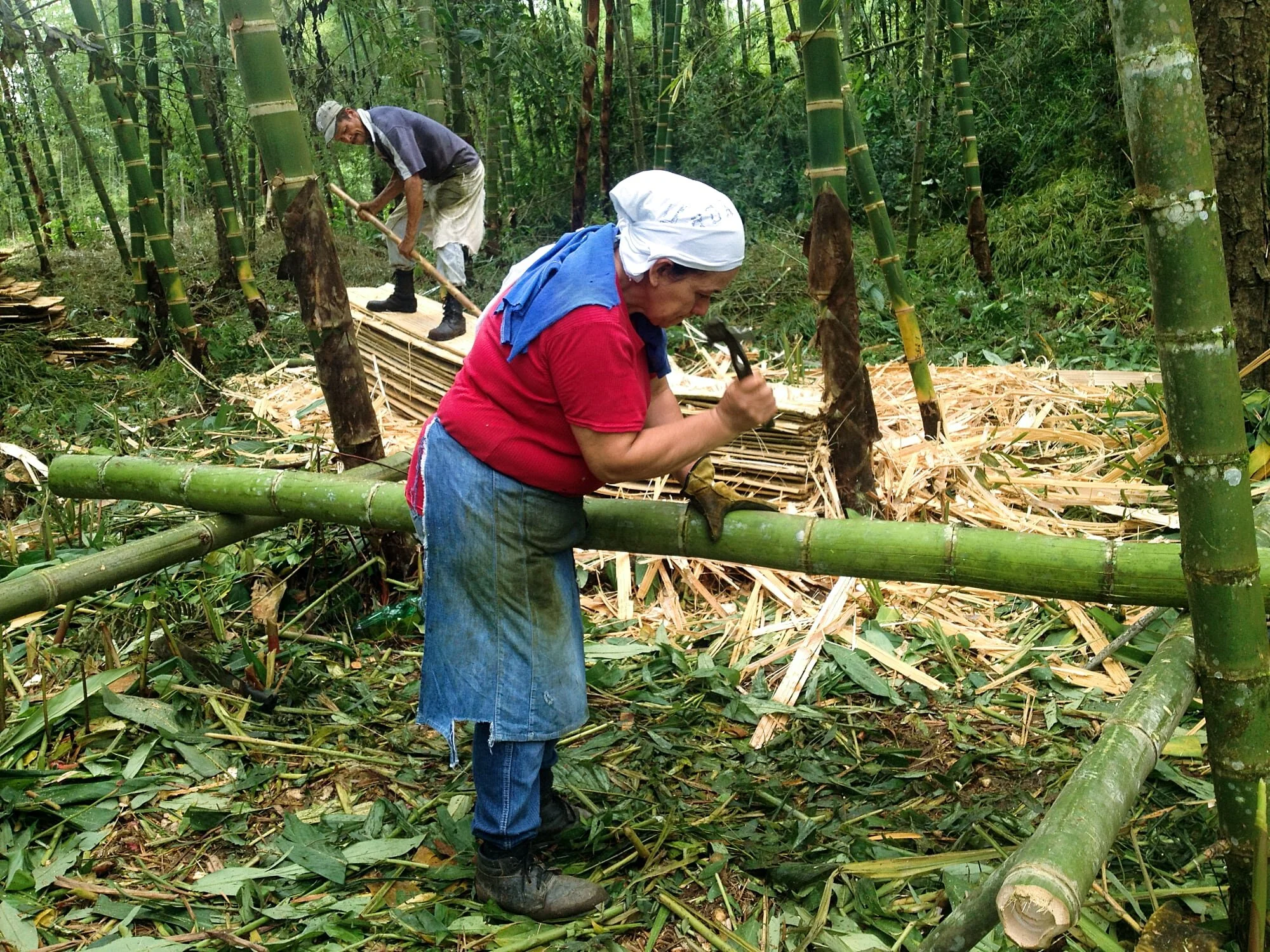
Bamboo can Replace Wood for any Application

Bamboo can replace wood in almost any application. Today, there are thousands of bamboo products that completely replace wood, ranging from paper and pulp products, flooring, musical instruments, furniture, construction materials, and so on. In addition, bamboo fibers are much stronger than wood fibers and less likely to deform due to changing atmospheric conditions. Bamboo

Bamboo can Replace Wood for any Application Read more »

,
Benefits

Bamboo Reduces Poverty and Provides Livelihoods for Local Farmers

The bamboo sector plays an important role in the livelihoods of local farmers. Developing a stable bamboo industry is a great way to help reduce poverty, increase economic opportunities for men and women, and to fight global unemployment. In less developed countries, unemployment has often resulted in conflicts and social unrest. The production and manufacturing

Bamboo Reduces Poverty and Provides Livelihoods for Local Farmers Read more »

,
Bamboo Fibers
Uses

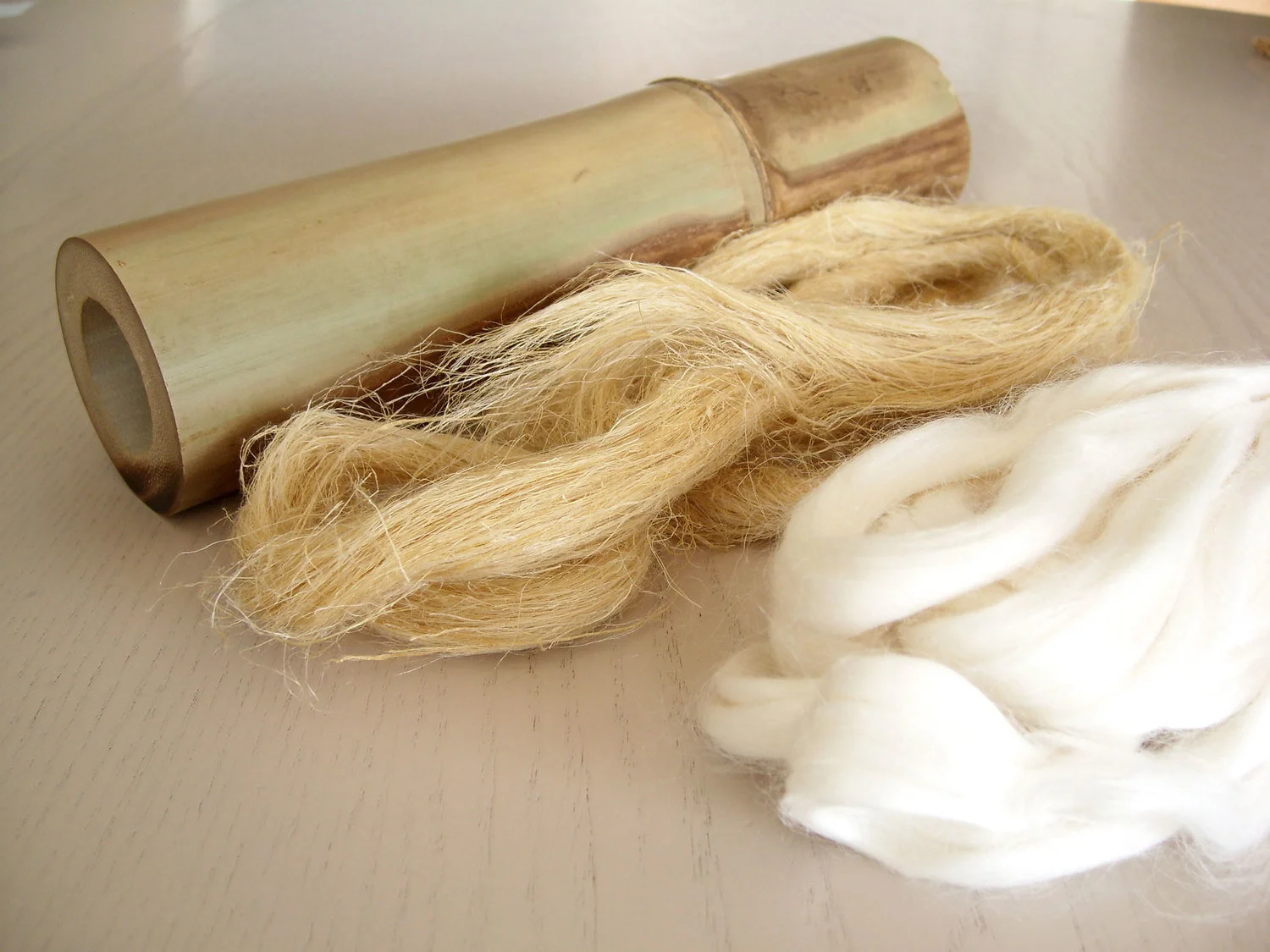
Bamboo Textiles And Fabrics: What You Need To Know Before Buying

In recent years different technologies have been developed that allow bamboo fiber to be used for a wide range of textile, fabrics, yarn, cloth, clothing and fashion applications such as T-shirts, pants, underwear, socks, towels, bedsheets, pillow covers, blankets, mattresses, and even bulletproof vests. In truth, bamboo has always been a useful plant, as people

Bamboo Textiles And Fabrics: What You Need To Know Before Buying Read more »

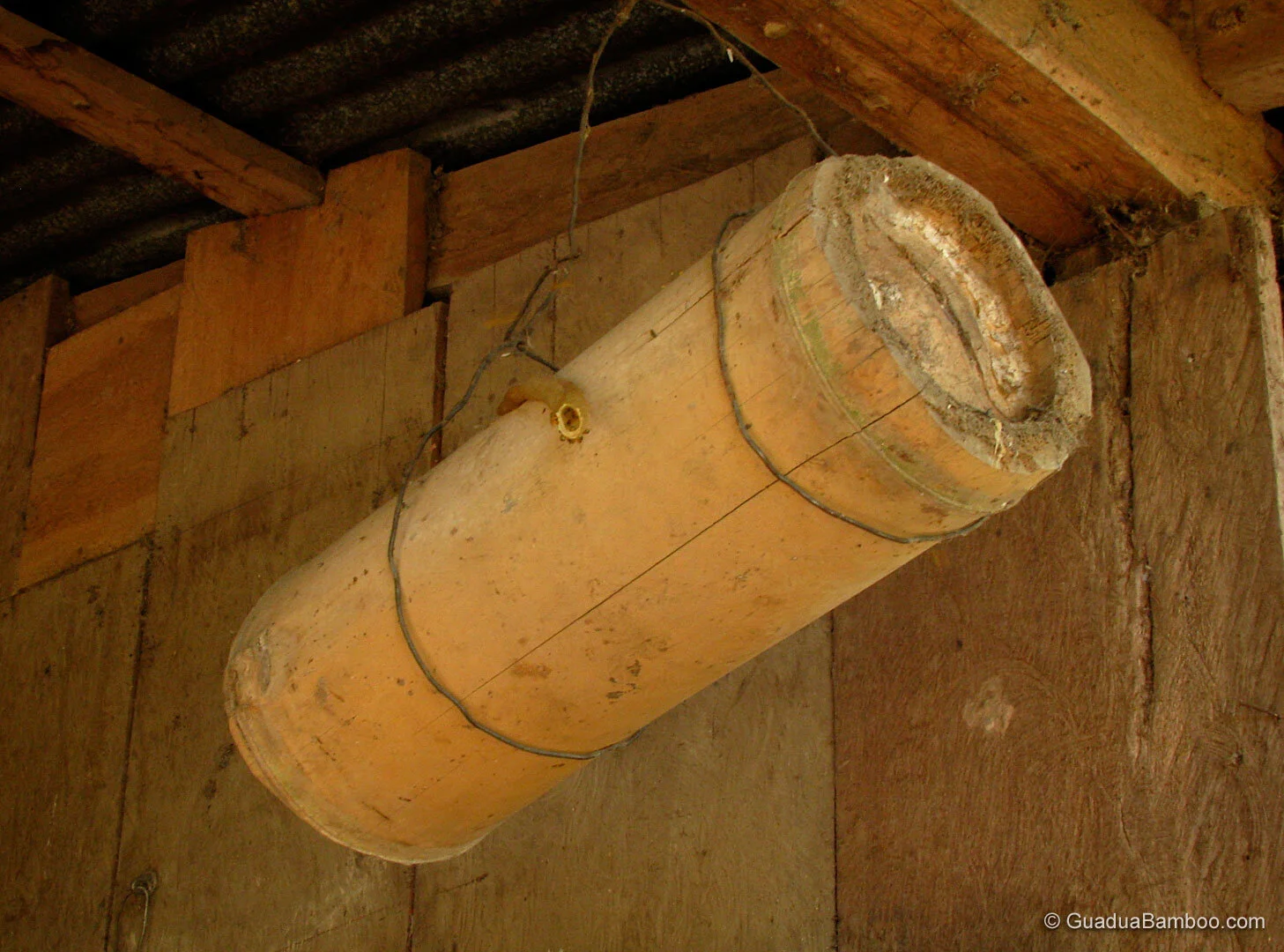
Bamboo Beehives: A Unique Way To Make Your Own Honey
Uses

Bamboo Beehives: A Unique Way To Make Your Own Honey

In Latin America, farmers often use bamboo as beehives. Bamboo internodes (the part between 2 nodes) of larger diameter bamboo species such as Guadua angustifolia or Dendrocalamus asper are very well suited to make a bamboo beehive. A closed piece of bamboo is suspended horizontally under the roof of a house or shed, and a small hole made in

Bamboo Beehives: A Unique Way To Make Your Own Honey Read more »

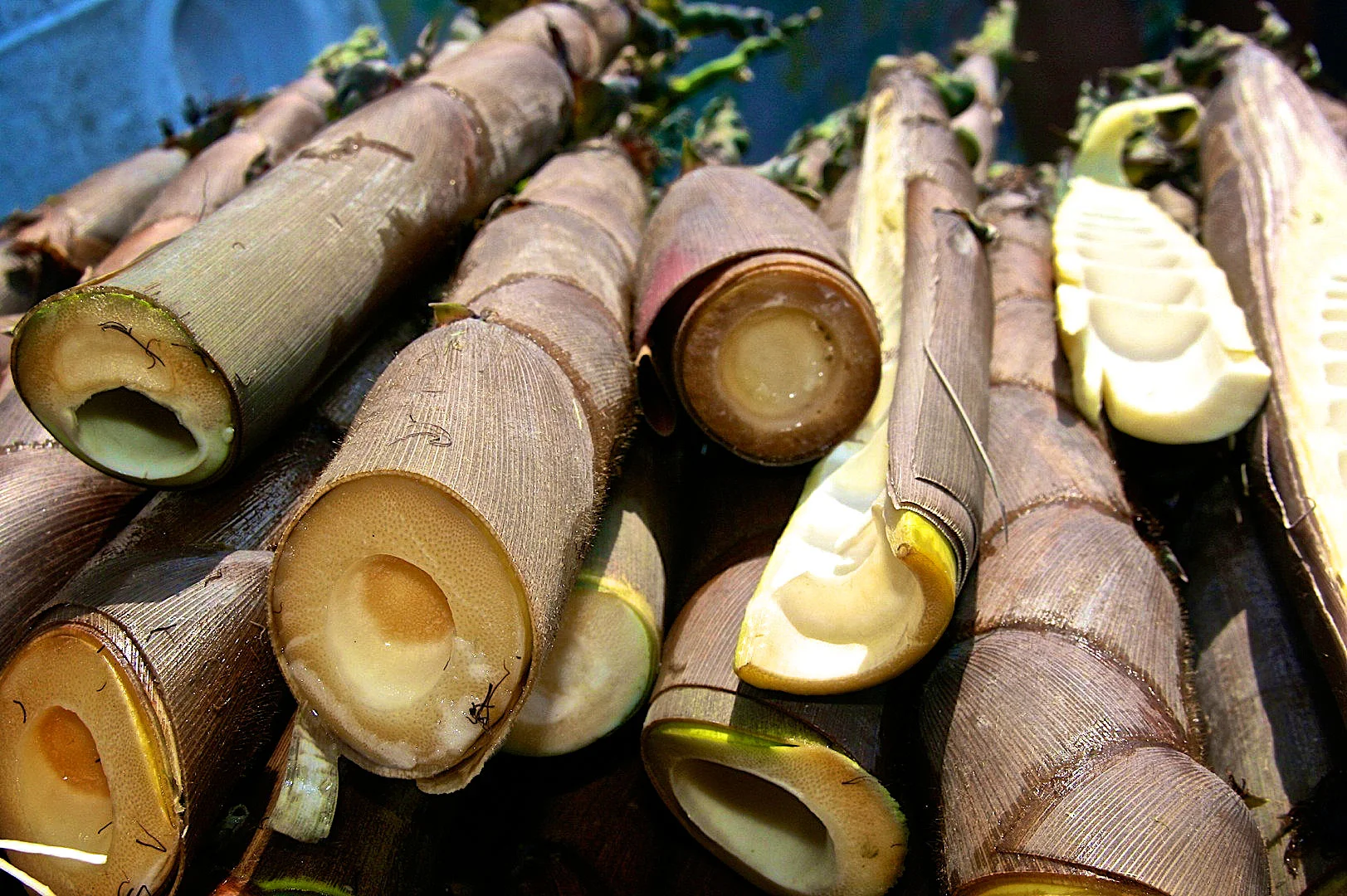
All 132 Edible Bamboo Species, Ranked from Best to Bitter
Selection

All 132 Edible Bamboo Species, Ranked from Best to Bitter

Can you eat bamboo? Yes, but not all of them… Of the 1718 known bamboo species worldwide, 132 species are recorded to have edible shoots. Edible meaning a satisfactory to delicious taste, because even though some bamboo shoots are classified as edible, they must be carefully prepared and boiled before consuming! Bamboo shoots may contain

All 132 Edible Bamboo Species, Ranked from Best to Bitter Read more »

, ,
Schizostachyum pergracile
Schizostachyum, Species

Schizostachyum pergracile

Schizostachyum pergracile ( previously Cephalostachyum pergracile) is a beautiful medium sized clumping bamboo native to India and Indochina. The common name for this bamboos species is Tinwa Bamboo and the plant has good quality canes which are used extensively for cooking and baking sticky rice, the poles are also used for construction.

Schizostachyum pergracile Read more »

, , ,

Subscribe to our Newsletter!

Sign up with your email address to receive news and updates.