

The bamboo sector plays an important role in the livelihoods of local farmers. Developing a stable bamboo industry is a great way to help reduce poverty, increase economic opportunities for men and women, and to fight global unemployment.
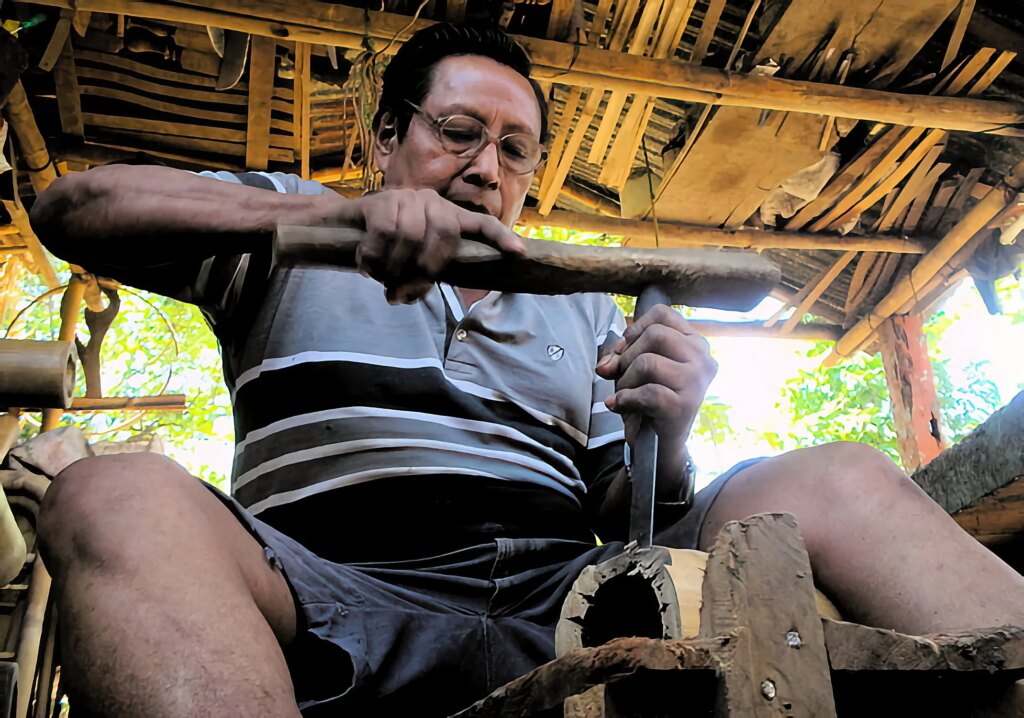
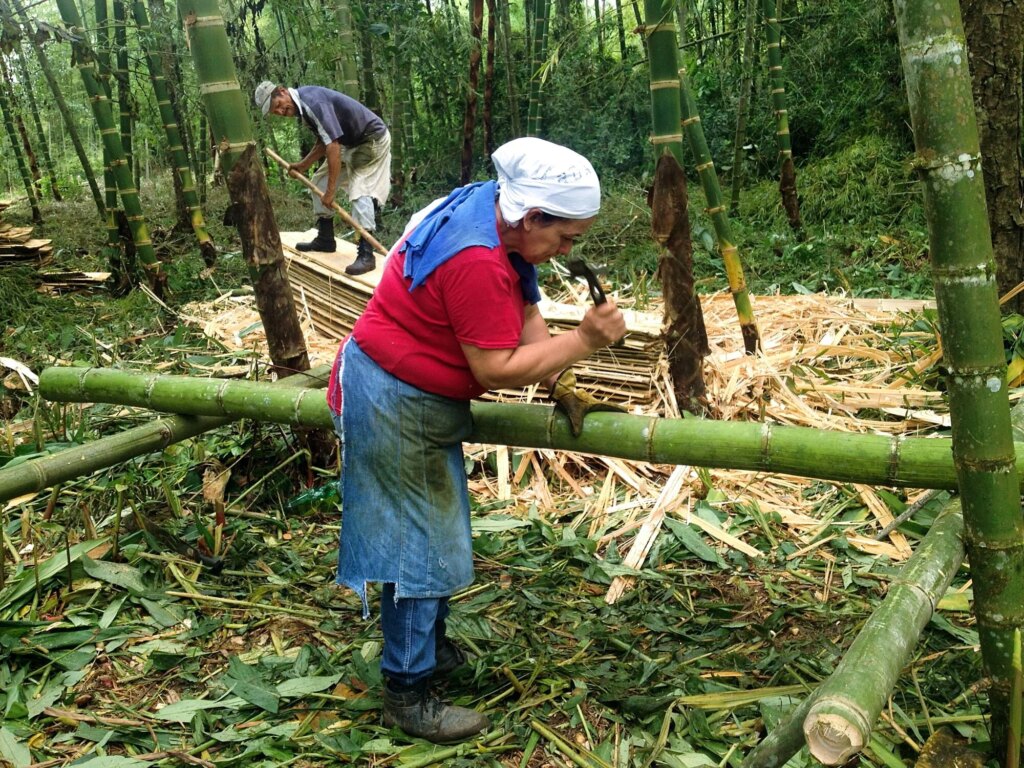
In less developed countries, unemployment has often resulted in conflicts and social unrest. The production and manufacturing of bamboo products can contribute to a more socially and economically stable environment as it creates job opportunities in areas that are most affected. Through small businesses, social enterprises and community groups, bamboo can generate new sources of income and a better quality of life for rural people.
Bamboo is considered as one of the most valuable non-timber forest products in the world. With the use of traditional hand tools and fairly simple techniques, bamboo can be transformed into basic products. These products along with the raw materials can be sold in local markets, which provides an excellent resource in remote areas where non-agricultural income opportunities are limited.
Bamboo is an easy to grow crop that provides annual income to some of the poorest communities in tropical and subtropical regions. Farmers and foresters who can regularly harvest raw materials, animal feed and fuel from bamboo stands are under less economic pressure to exploit tropical forests in an unsustainable manner, especially if bamboo is growing nearby.


I have always known that bamboo being a renewable resource could help a great deal in poverty alleviation in my country Nigeria, but I found it very difficult to get the necessary funding from my Ministry to promote the utilization of this versatile plant that is readily available in most of the ecological zones of the country while I was in public service.