
The Truth About Bamboo Carbon Storage
Bamboo plants absorbs enormous amounts of greenhouse gases, and because of its rapid growth, bamboo is very useful as a tool for carbon sequestration.
The Truth About Bamboo Carbon Storage Read more »

Bamboo plants absorbs enormous amounts of greenhouse gases, and because of its rapid growth, bamboo is very useful as a tool for carbon sequestration.
The Truth About Bamboo Carbon Storage Read more »
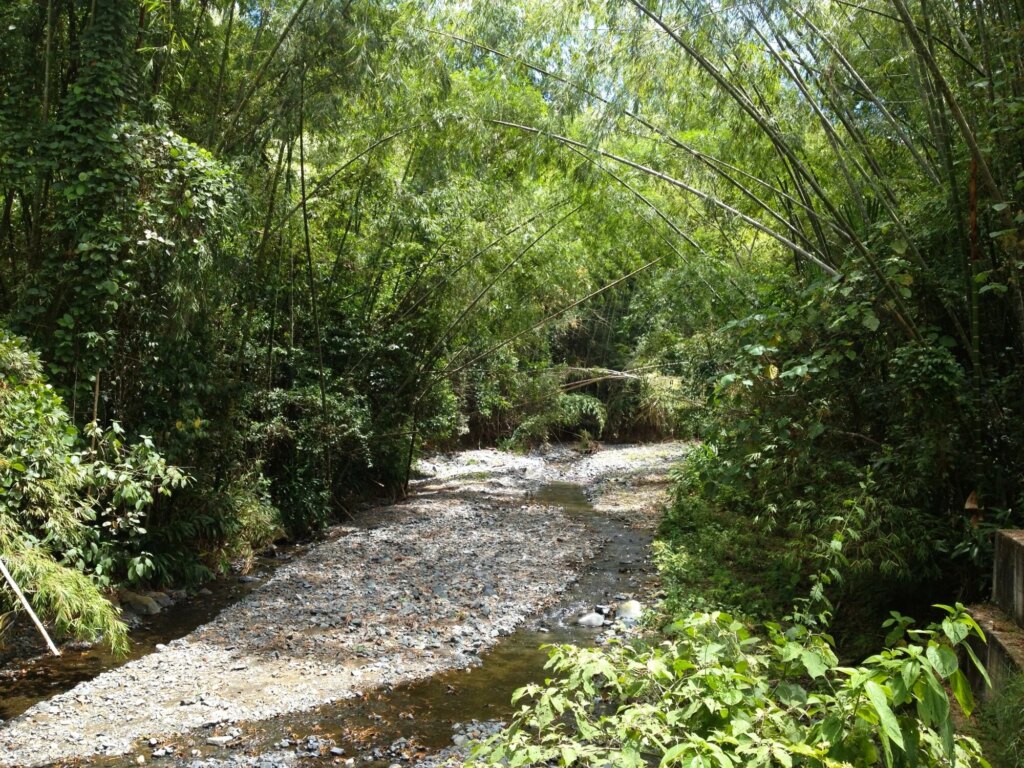
Bamboo forests protect rivers and their ecosystems by regulating the quantity and quality of water. They form a sort of wall that serves as sediment control and to prevent the loss of flow in rivers. Bamboo acts as a reservoir by collecting and storing large amounts of water in its rhizomes and stems during rainy season, and
Bamboo Produces Water for Rivers and Streams Read more »
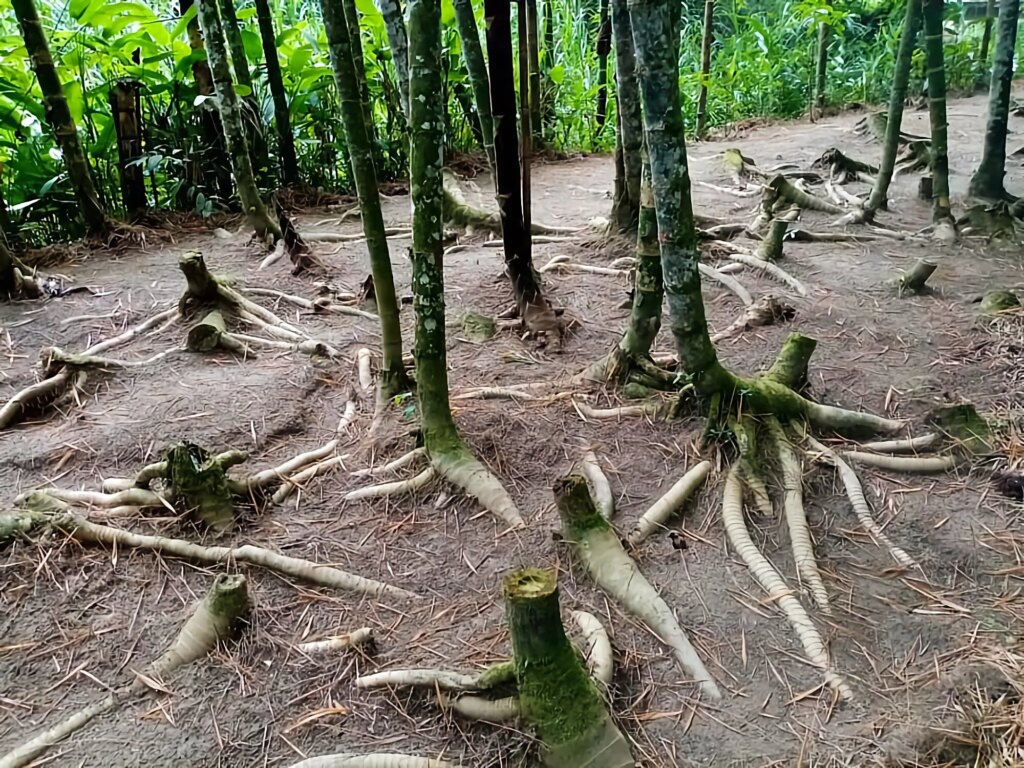
Bamboo is a great tool for soil protection due to its rapid growth, permanent canopy and huge network of roots and rhizomes. The root system that grows in the surface layer of the soil (20 – 60 cm deep), can reach up to 100 kilometers per hectare. Rhizomes can survive for more than a century,
Bamboo Prevents Soil Erosion and Restores Degraded Land Read more »

Bamboo is an important part of a biodiverse ecosystem. Many animals such as the Giant Panda (China), Red Panda (China), Mountain Gorilla (Uganda/Rwanda), Sumatran Tiger (Indonesia), Lesser and Greater Bamboo Lemurs (Madagascar), Bale Monkey (Ethiopia), Bamboo Bats (China) and the Agile Gracile Opossum (South America) rely on bamboo for food and shelter. In addition to
Bamboo Forests Create a Habitat for Fauna and Flora Read more »
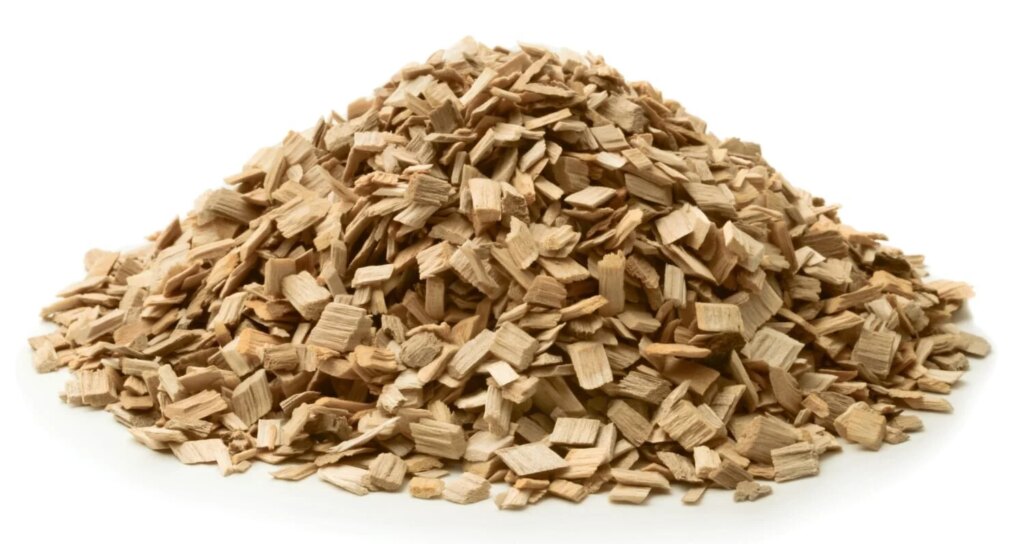
Bamboo is a sustainable energy source that produces 1 kWh of electricity from 1,2 kg of bamboo. This is similar to the biomass requirements for wood products, but outperforms other types of biomass sources such as hemp, bagasse or rice husk. Bamboo can produce an enormous amount of biomass in a relatively short period of
Bamboo Provides Biomass for the Production of Renewable Energy Read more »

Bamboo can replace wood in almost any application. Today, there are thousands of bamboo products that completely replace wood, ranging from paper and pulp products, flooring, musical instruments, furniture, construction materials, and so on. In addition, bamboo fibers are much stronger than wood fibers and less likely to deform due to changing atmospheric conditions. Bamboo
Bamboo can Replace Wood for any Application Read more »
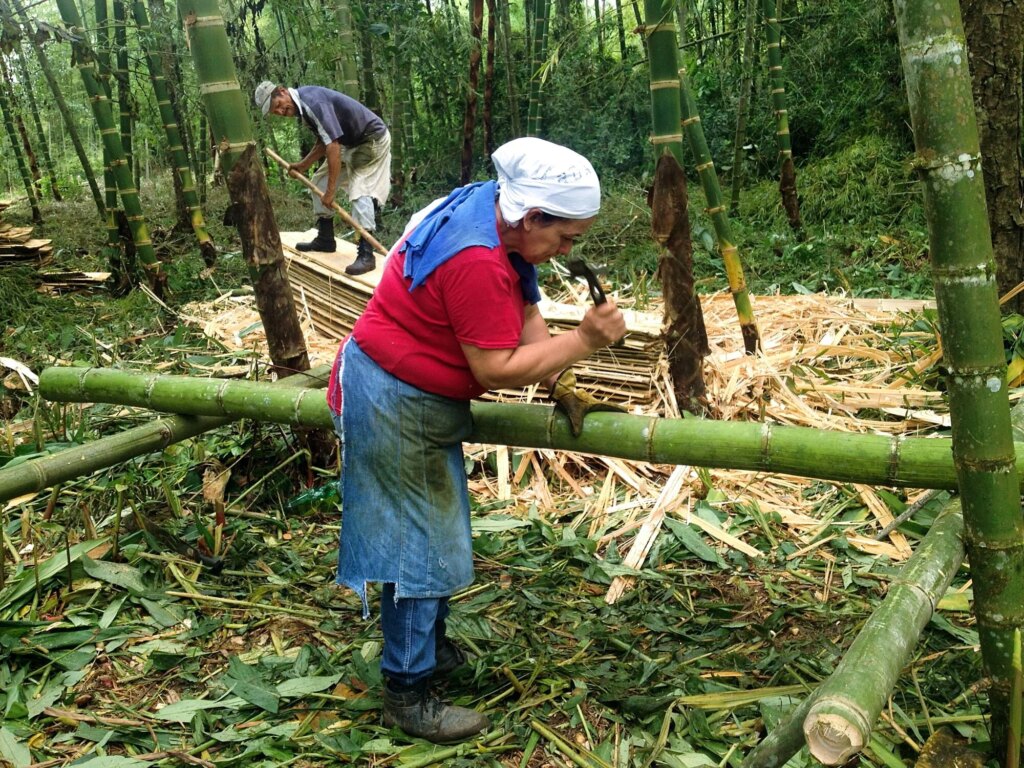
The bamboo sector plays an important role in the livelihoods of local farmers. Developing a stable bamboo industry is a great way to help reduce poverty, increase economic opportunities for men and women, and to fight global unemployment. In less developed countries, unemployment has often resulted in conflicts and social unrest. The production and manufacturing
Bamboo Reduces Poverty and Provides Livelihoods for Local Farmers Read more »
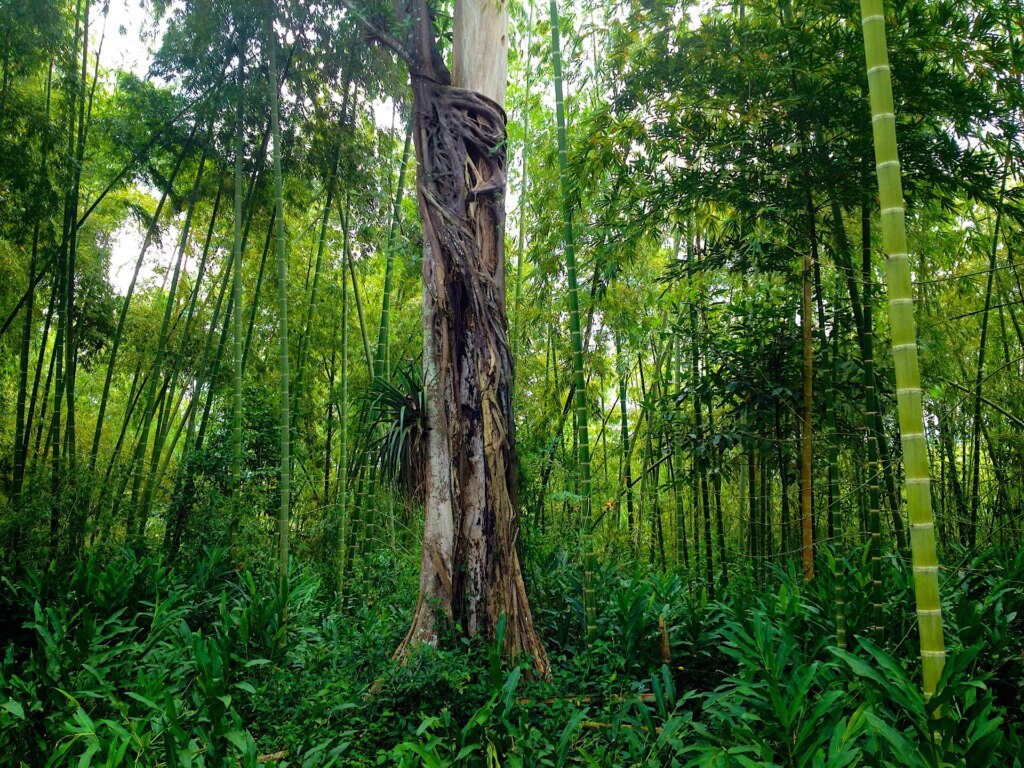
Bamboo forests have many environmental benefits because they function as carbon sinks, produce oxygen, control soil erosion, provide organic matter, regulate water levels in watersheds and conserve biodiversity.
Environmental Impact of Guadua Bamboo Read more »
Sign up with your email address to receive news and updates.