

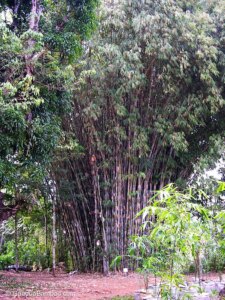
Gigantochloa apus, also known as Tali Bamboo, String Bamboo or Pring Tali, is a dense tropical clumping bamboo native to Southeast Asia. It is the most economically important bamboo in Java, especially in the handicraft and furniture industry.
Plant Info |
|
|---|---|
Height |
8 – 22 m |
Diameter |
4 – 13 cm |
Growth Habit |
Dense Clumper |
Climate |
Tropical – Subtropical |
Hardiness |
-2°C |
Origin |
Southeast Asia |
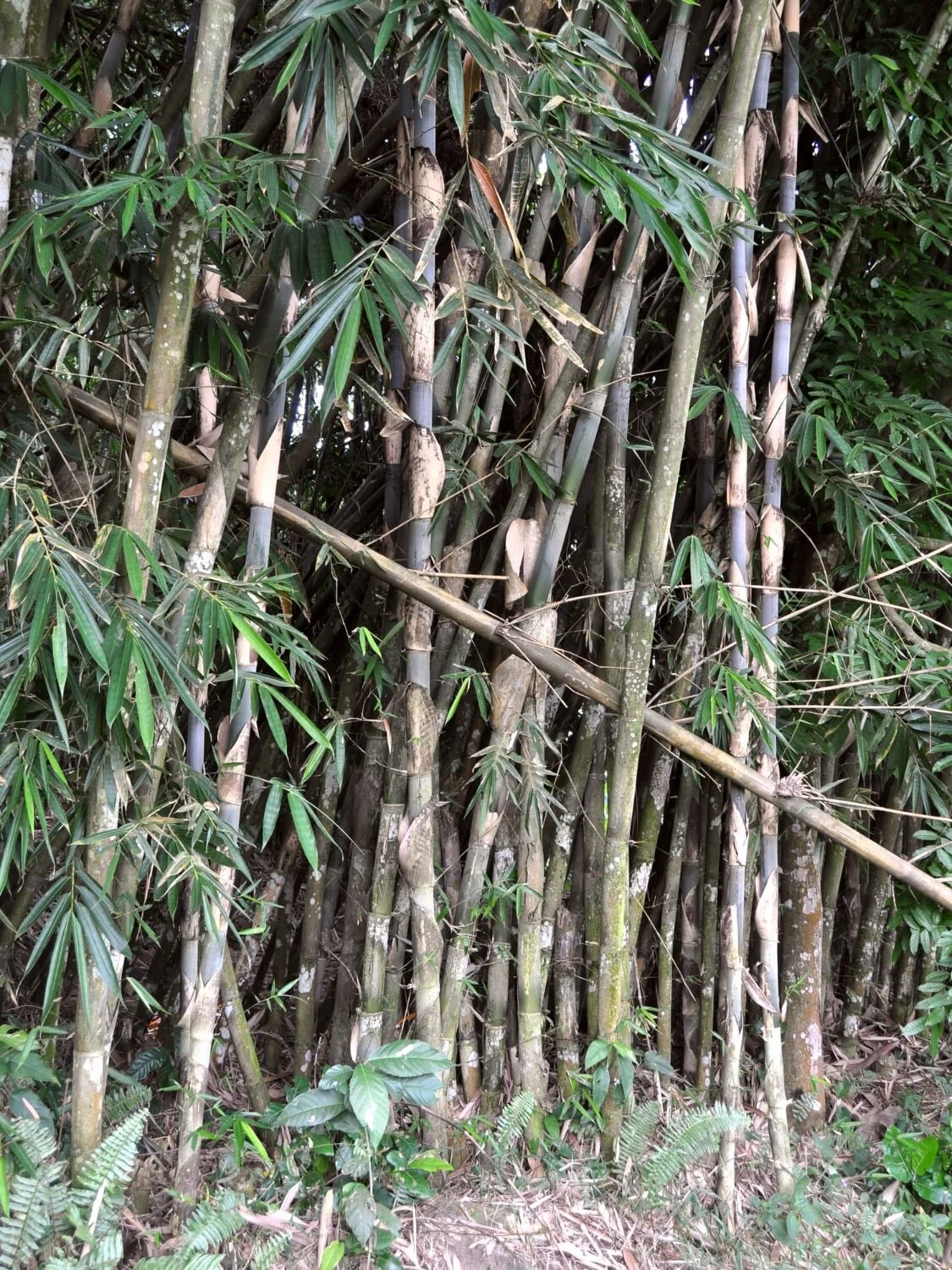
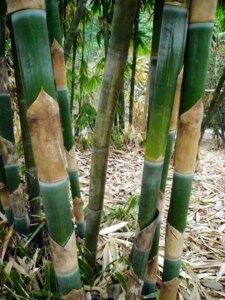
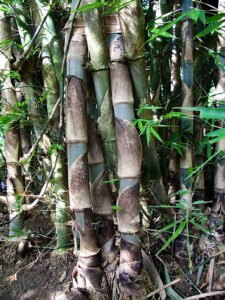
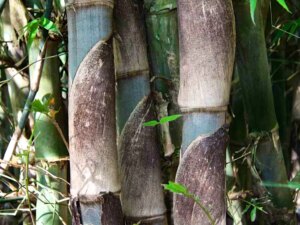
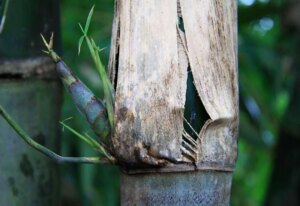
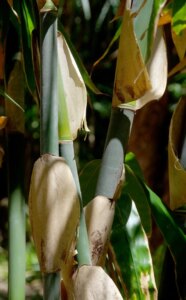
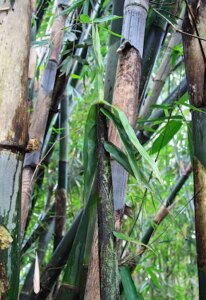
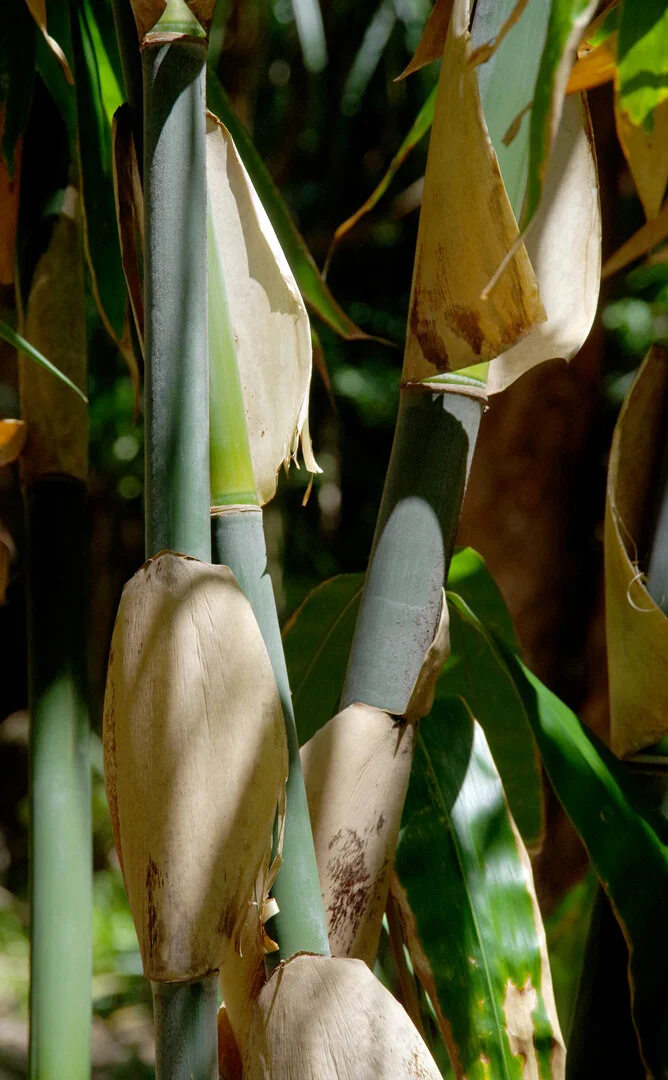
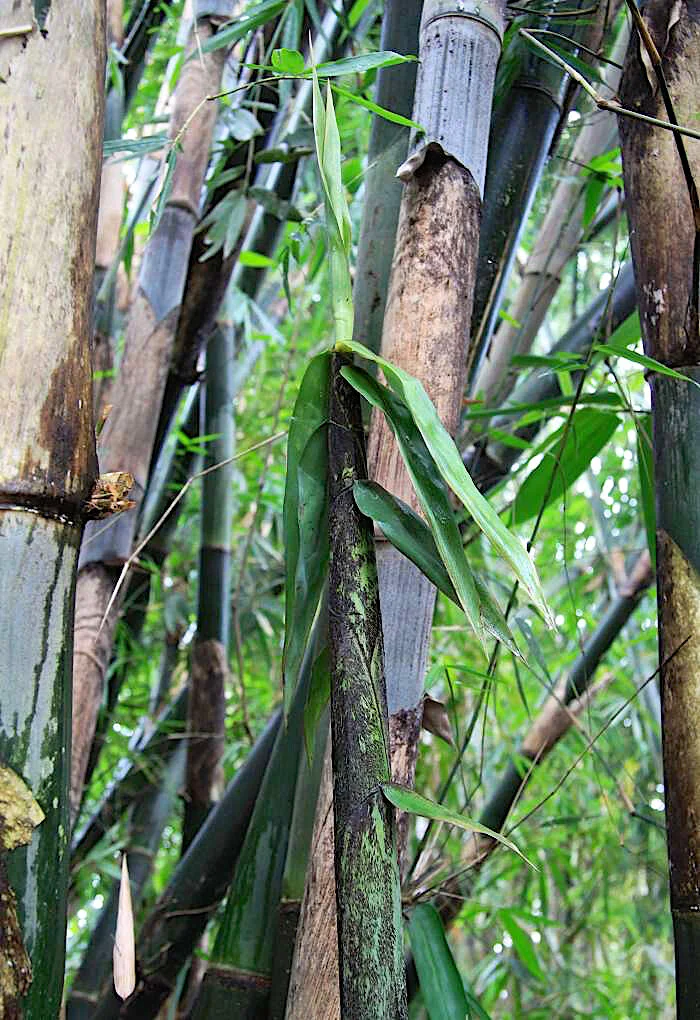
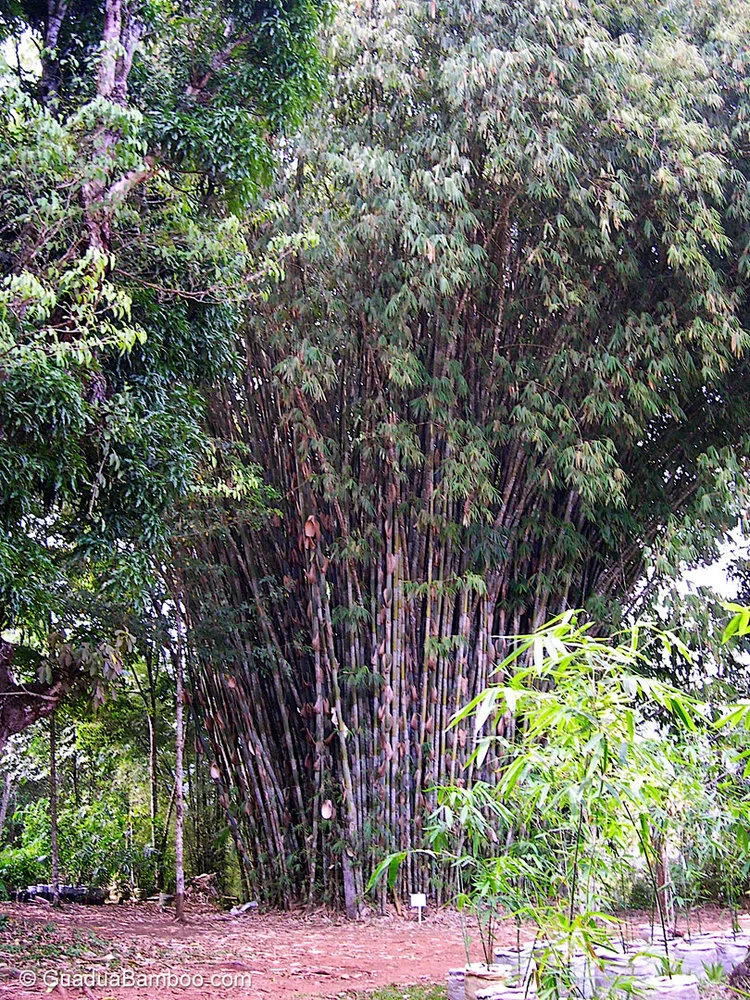
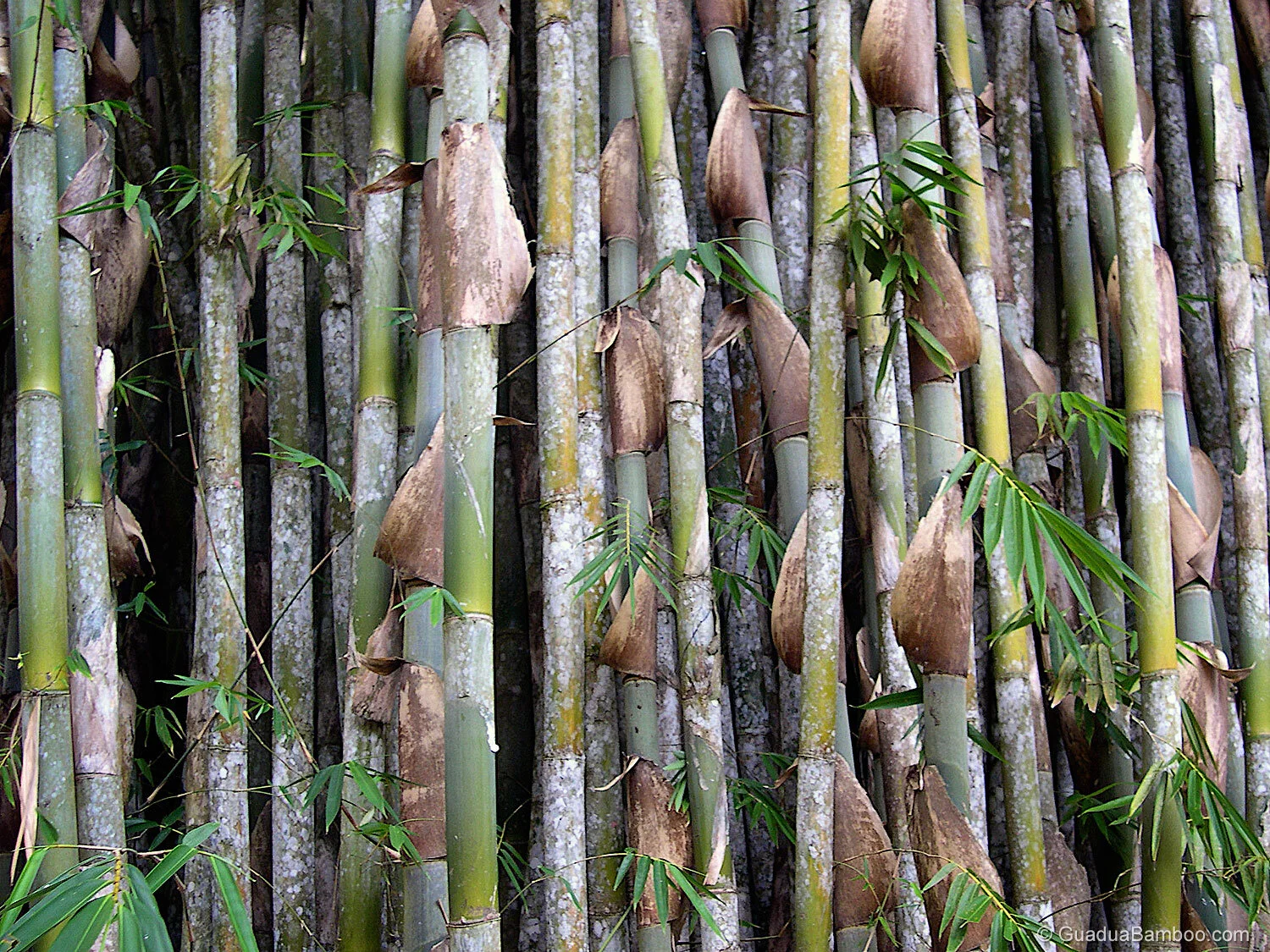
Culms
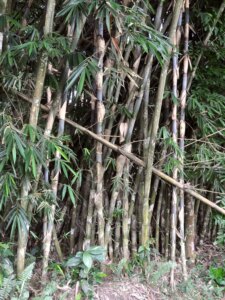
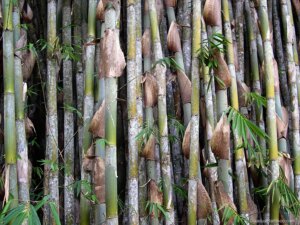
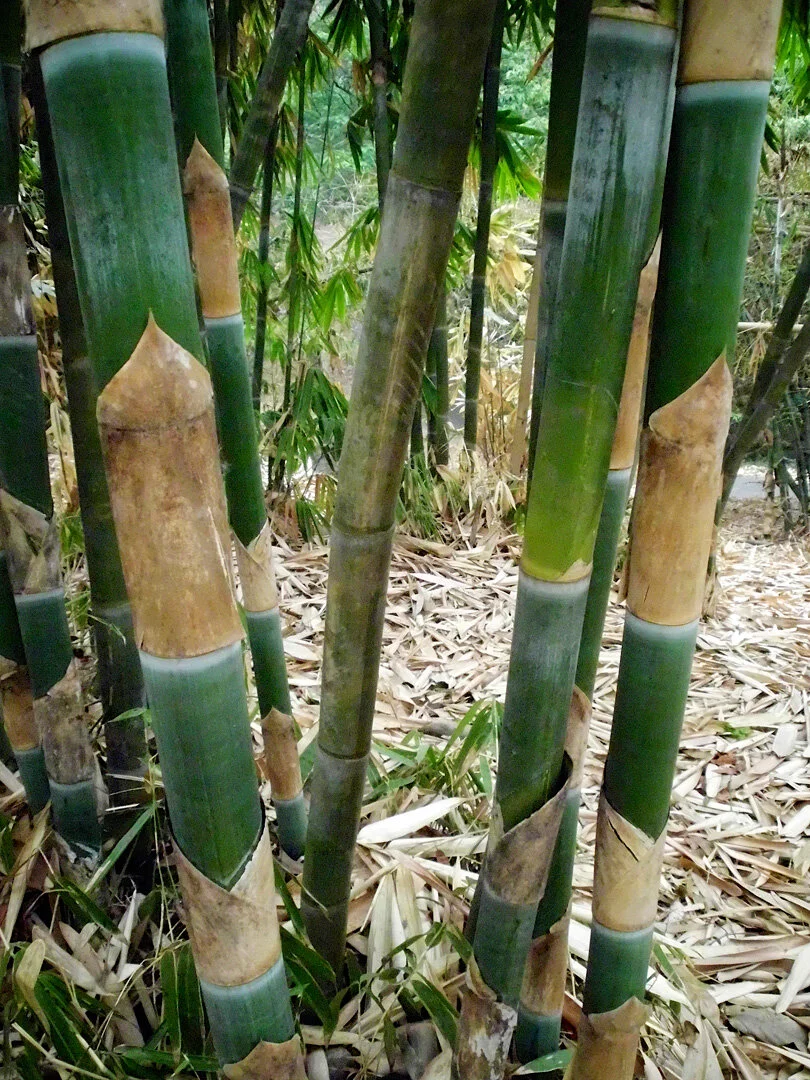
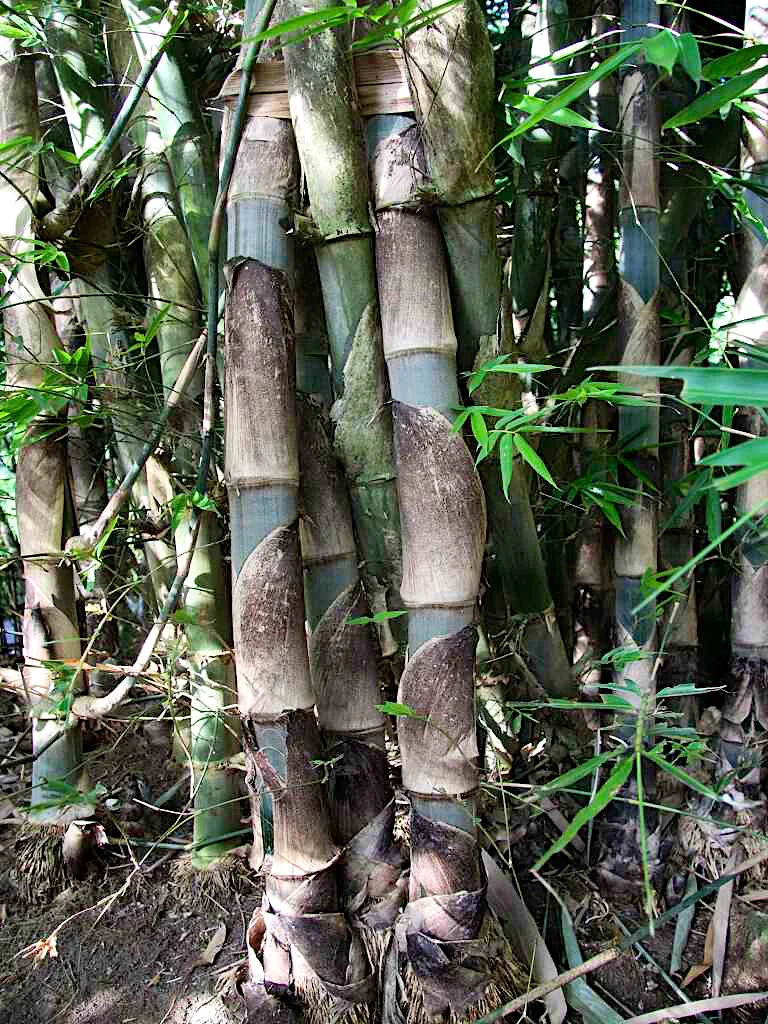
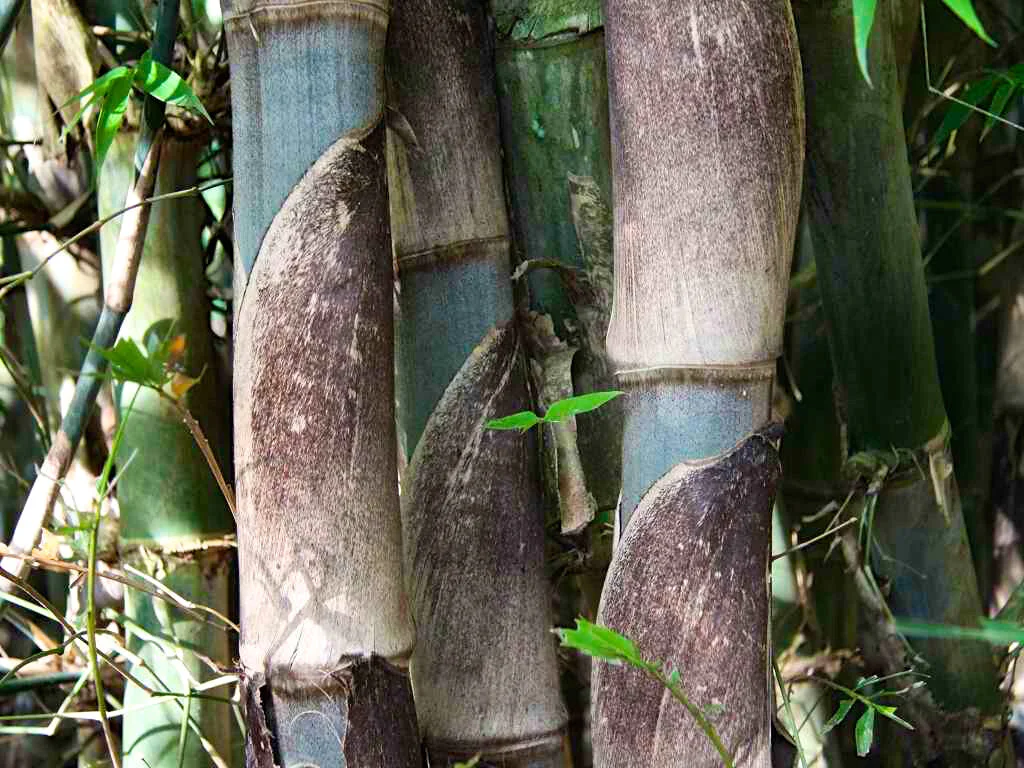
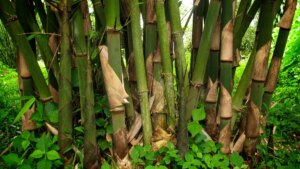
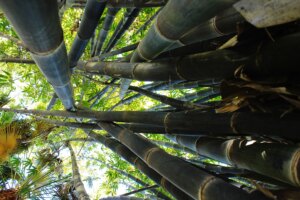
Strongly tufted woody bamboo with erect drooping culms that can reach between 8-22 m in height. The culms are bright green or yellowish-green when young, with an average diameter between 4-13 cm and a wall thickness between 6-13 mm.
Branches
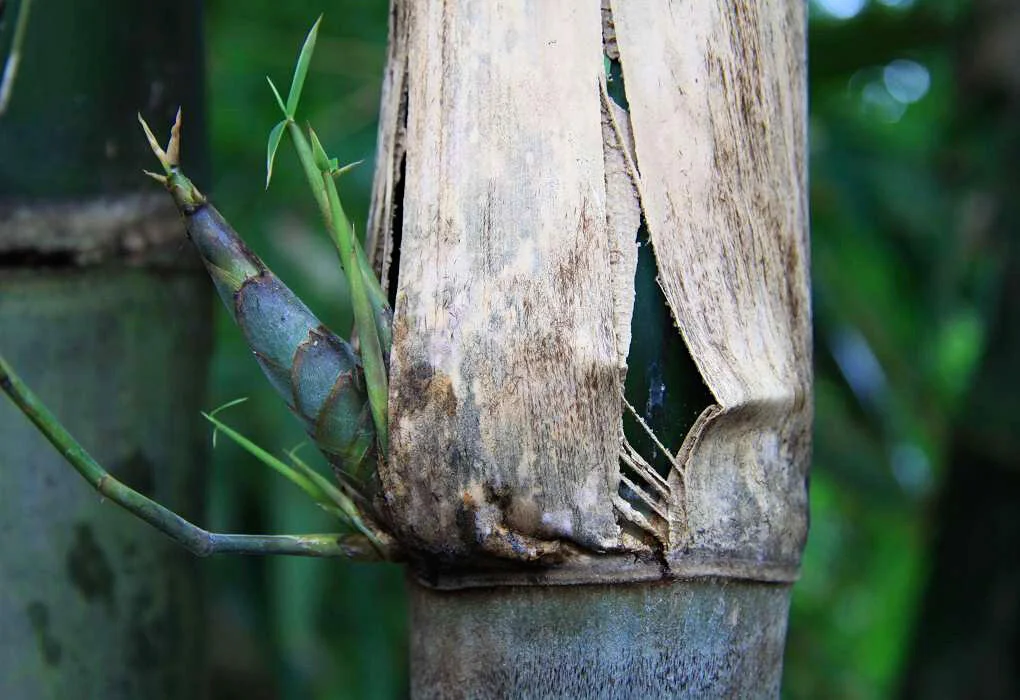
Many clustered branches at the nodes with 1 larger dominant branch.
Leaves
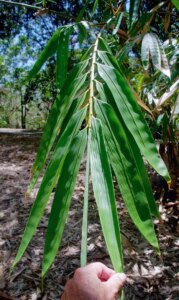
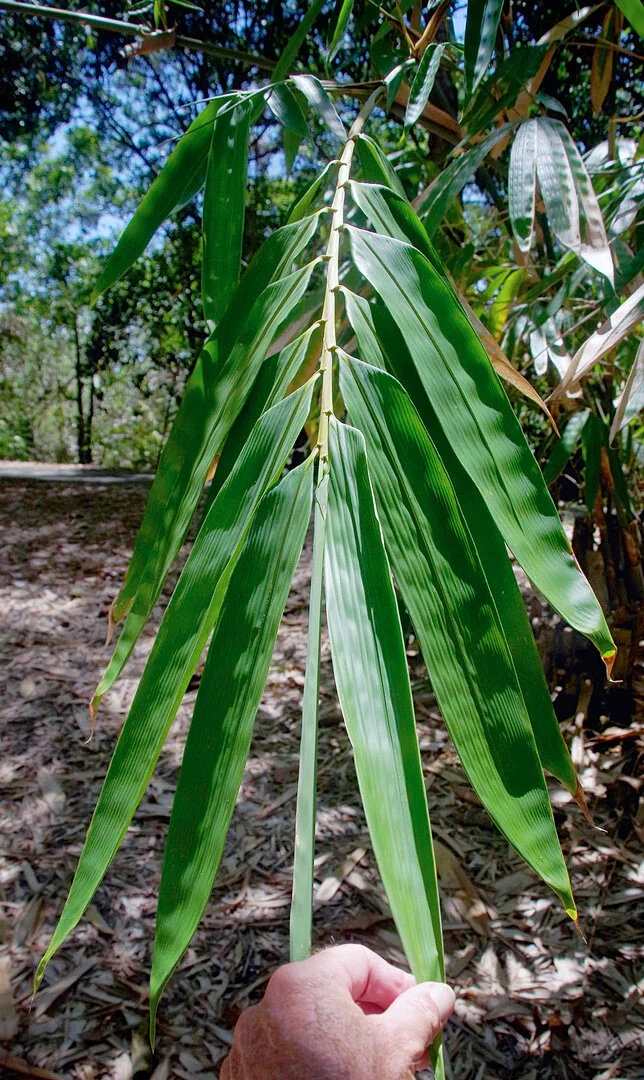
Leaves are lance-shaped and on average 10-15 cm long and between 1.5-2 cm broad.
Habitat
This bamboo species grows well either on sandy soil or clay soil. It grows on lowlands along river banks or on hill slopes in moist evergreen forests up to 1500 m above sea level.
Uses
Gigantochloa apus is the most economically important bamboo in Java, especially in the handicraft and furniture industry. The poles are used extensively as building materials to construct roofing, scaffolding, bridges, walls, fences, etc. In Indonesia this bamboo is called Bambu Tali (‘Tali’ means String) because it is an excellent resource to make strong strips with the suppleness of leather.
Origin
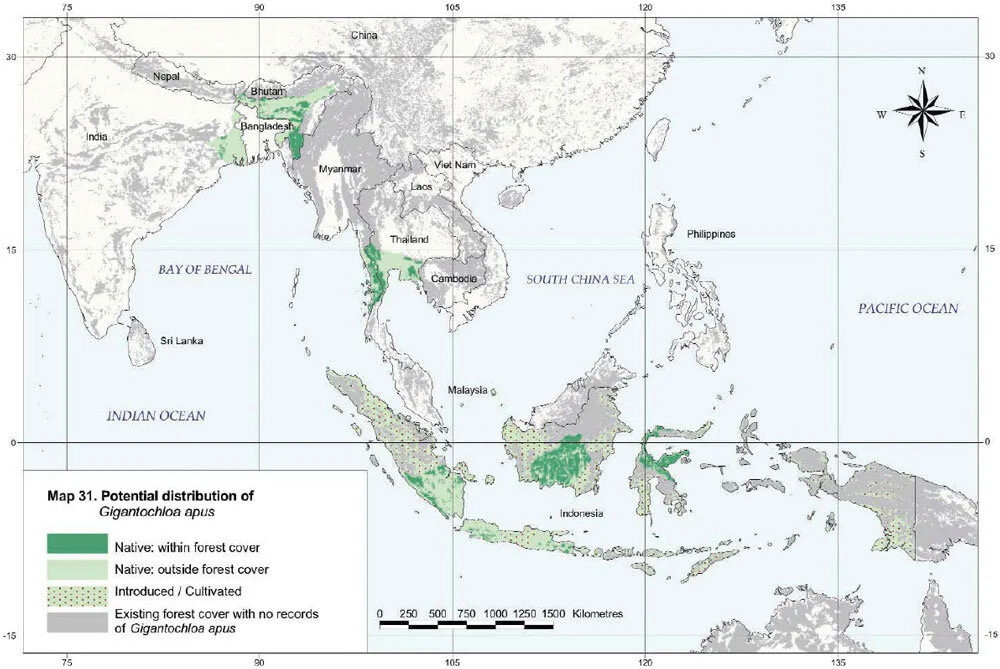
Gigantochloa apus is native to Tenasserim, Myanmar, the north-eastern part of India, and the southern part of Thailand. This bamboo species is widely cultivated in Indonesia where it was probably introduced from Myanmar a long time ago.
This is a very useful reference on bamboo. Do you have data on culm diameter and wall thickness for both butt and top ends (d=2.5 cm) of various species of bamboo? And density of the culm wall too! These statistics would be useful in calculating culm wall volume, biomass content and amount of carbon sequestered. If you don’t have, please start obtaining data. Thanks! CB Lantican, Retired Professor, Philippines.