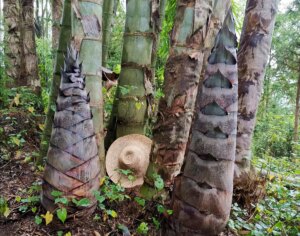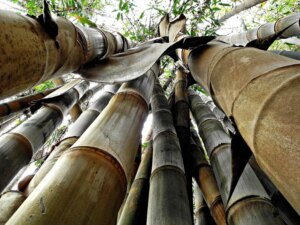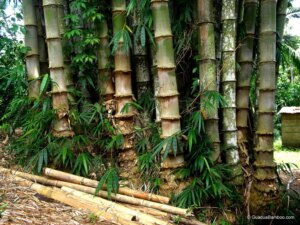

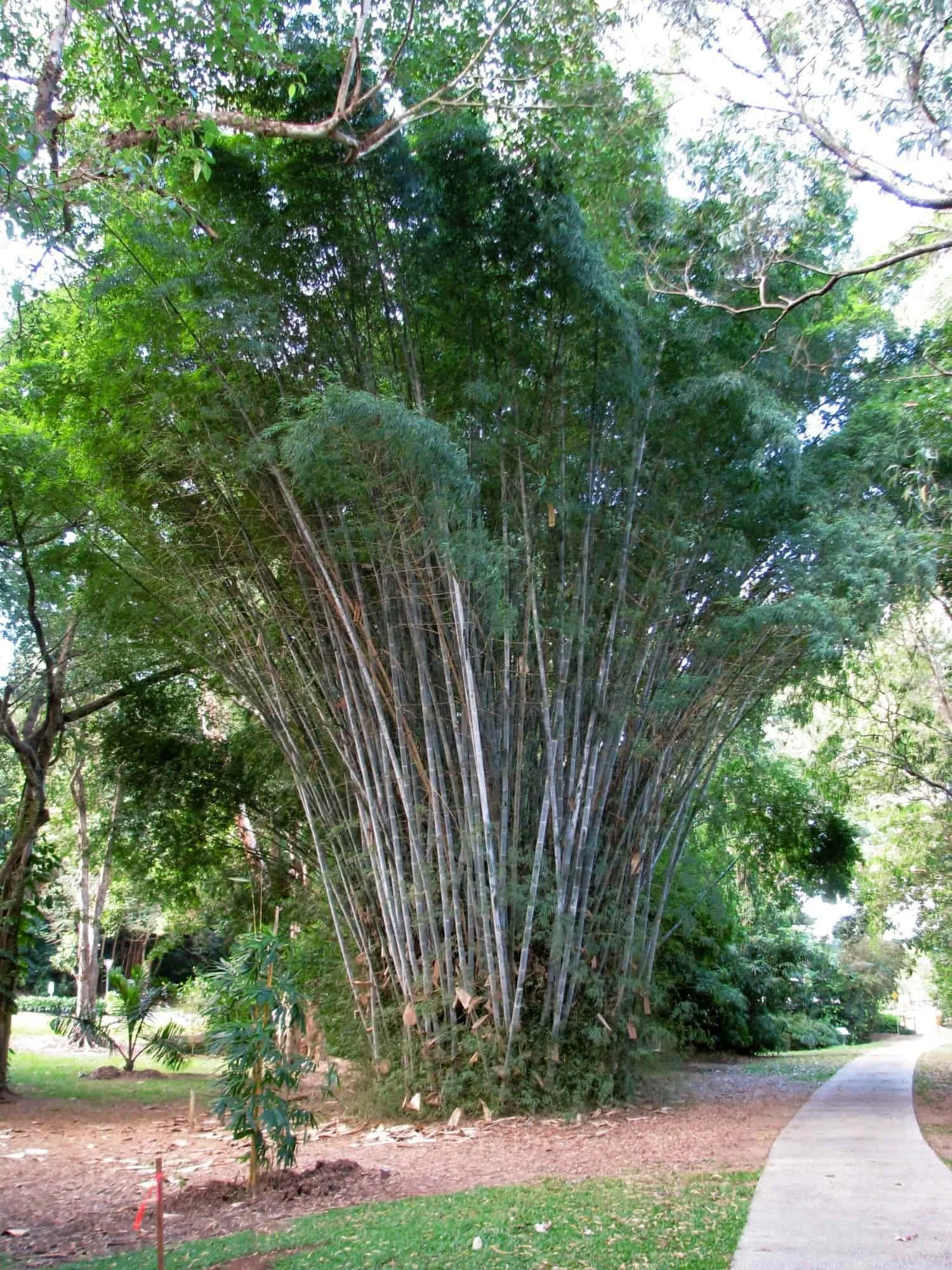
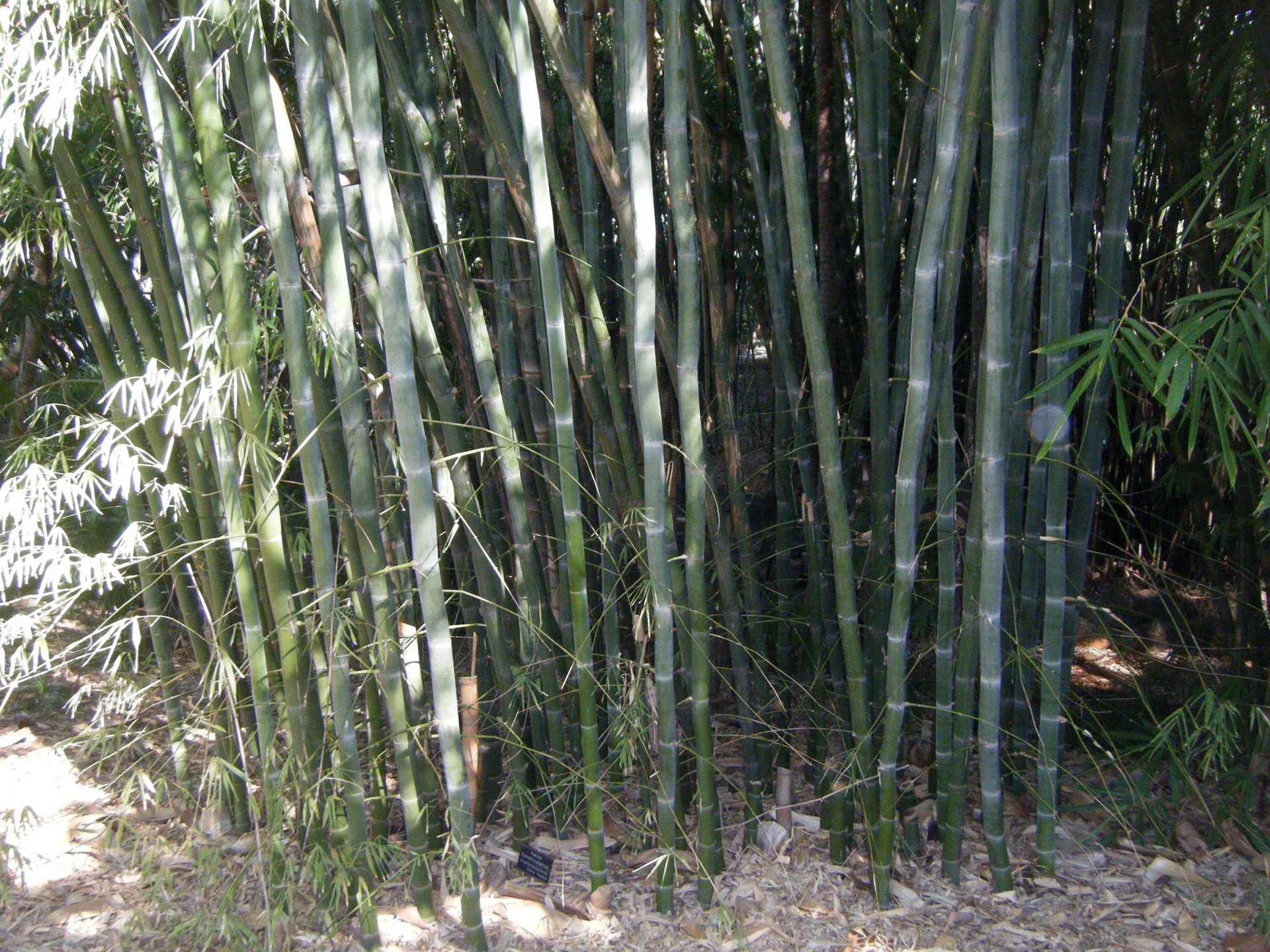
Dendrocalamus membranaceus also known as Waya Bamboo and formerly classified as “Bambusa membranacea” is a medium-sized tropical clumping bamboo originating from Southeast Asia. This bamboo species is a good source for paper pulp and has edible shoots.
Plant Info |
|
|---|---|
Scientific Name |
Dendrocalamus membranaceus |
Synonyms |
Bambusa membranacea |
Common Names |
Waya Bamboo, White Bamboo |
Family |
Poaceae |
Tribe |
|
Genus |
|
Height |
10 – 18 m |
Diameter |
6 – 10 cm |
Growth Habit |
Clumping |
Climate |
Tropical – Subtropical |
Hardiness |
-4°C |
Edibility |
(3 of 5) |
Flowering Cycle |
|
Origin |
Bangladesh, Cambodia, China, Laos, Myanmar, Thailand, Vietnam |
Uses |
Construction, Furniture, Basketry, Matting, Handicrafts, Laminated Boards, Handicrafts, Paper Pulp |
Culms
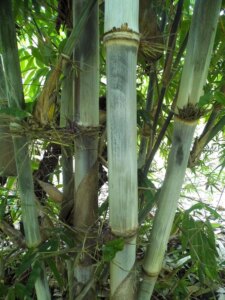
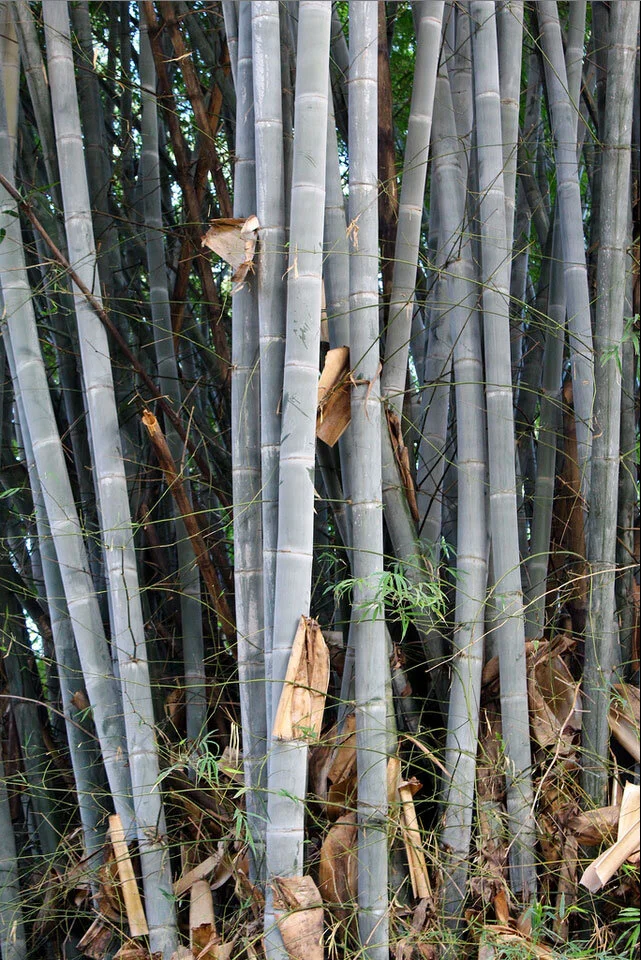
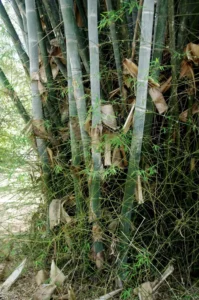
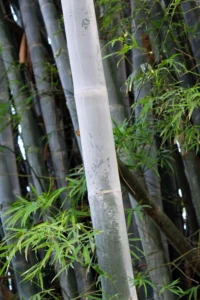
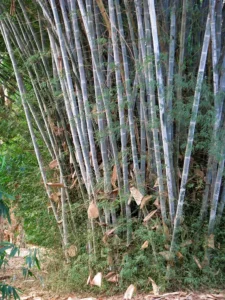
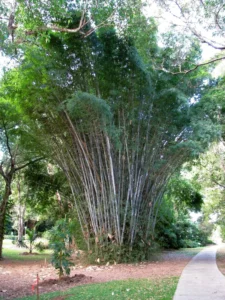
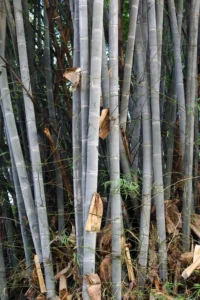
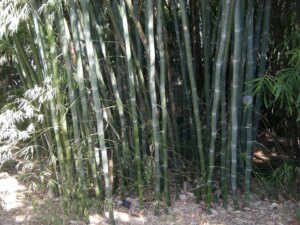
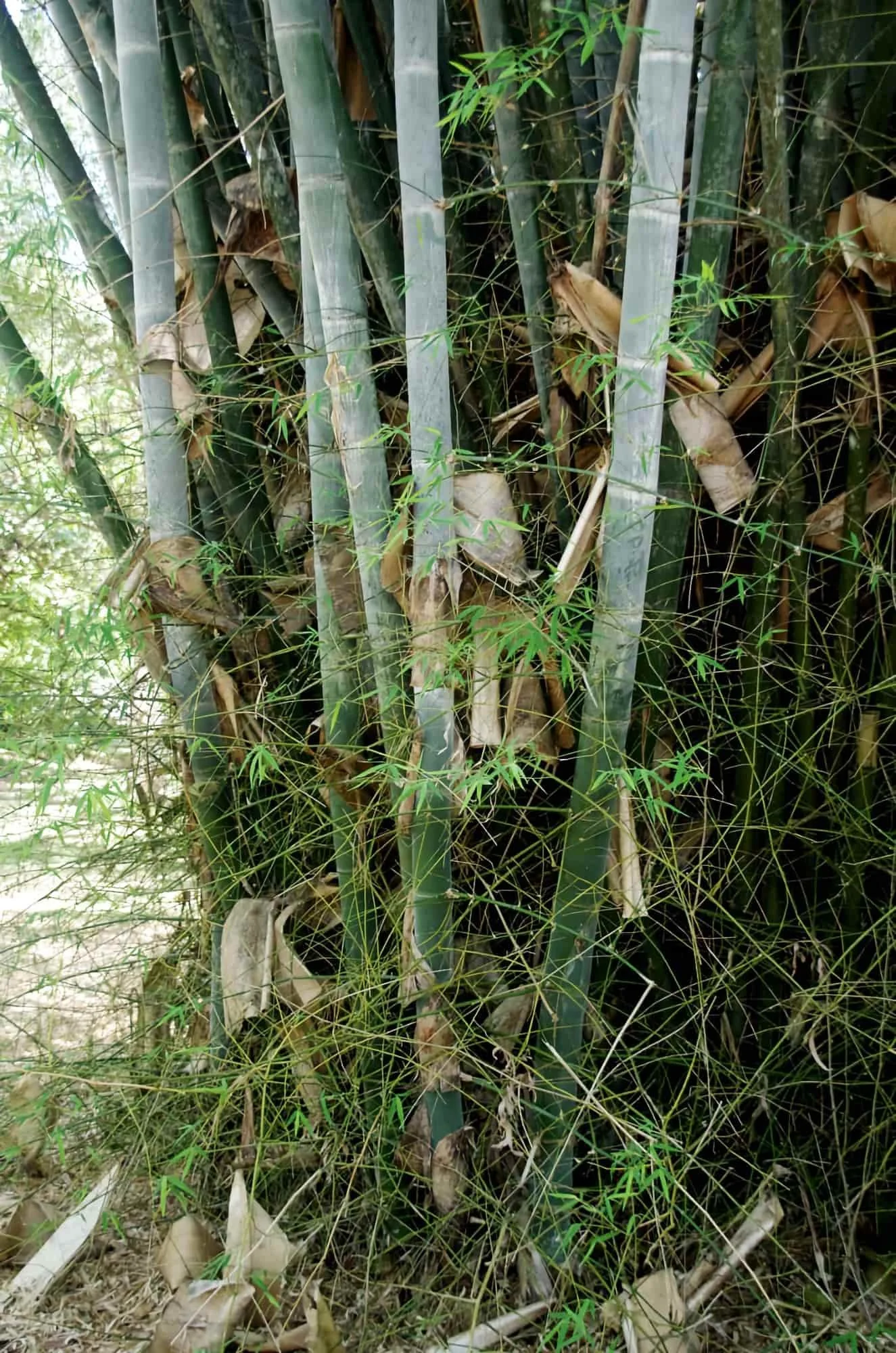
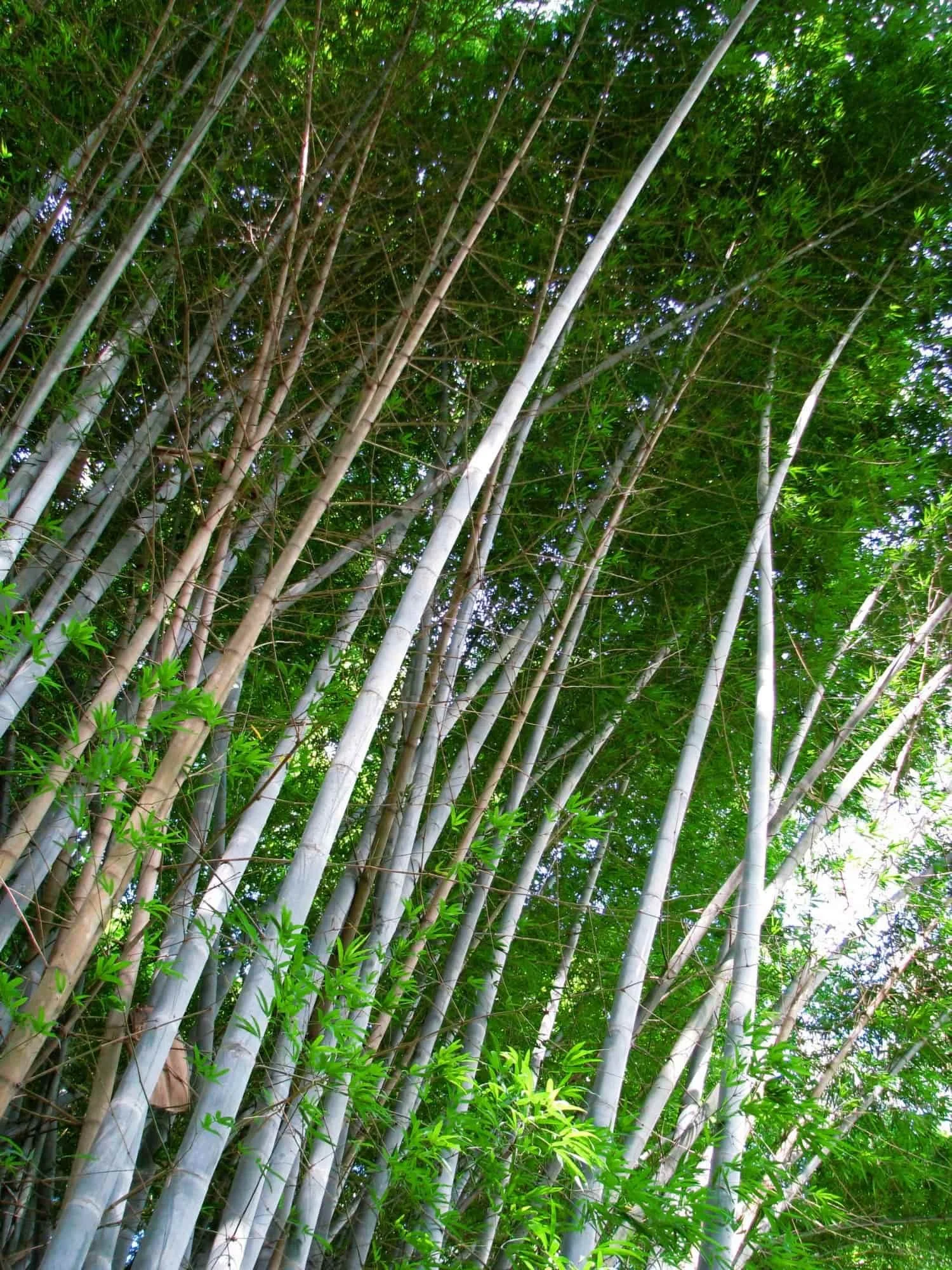
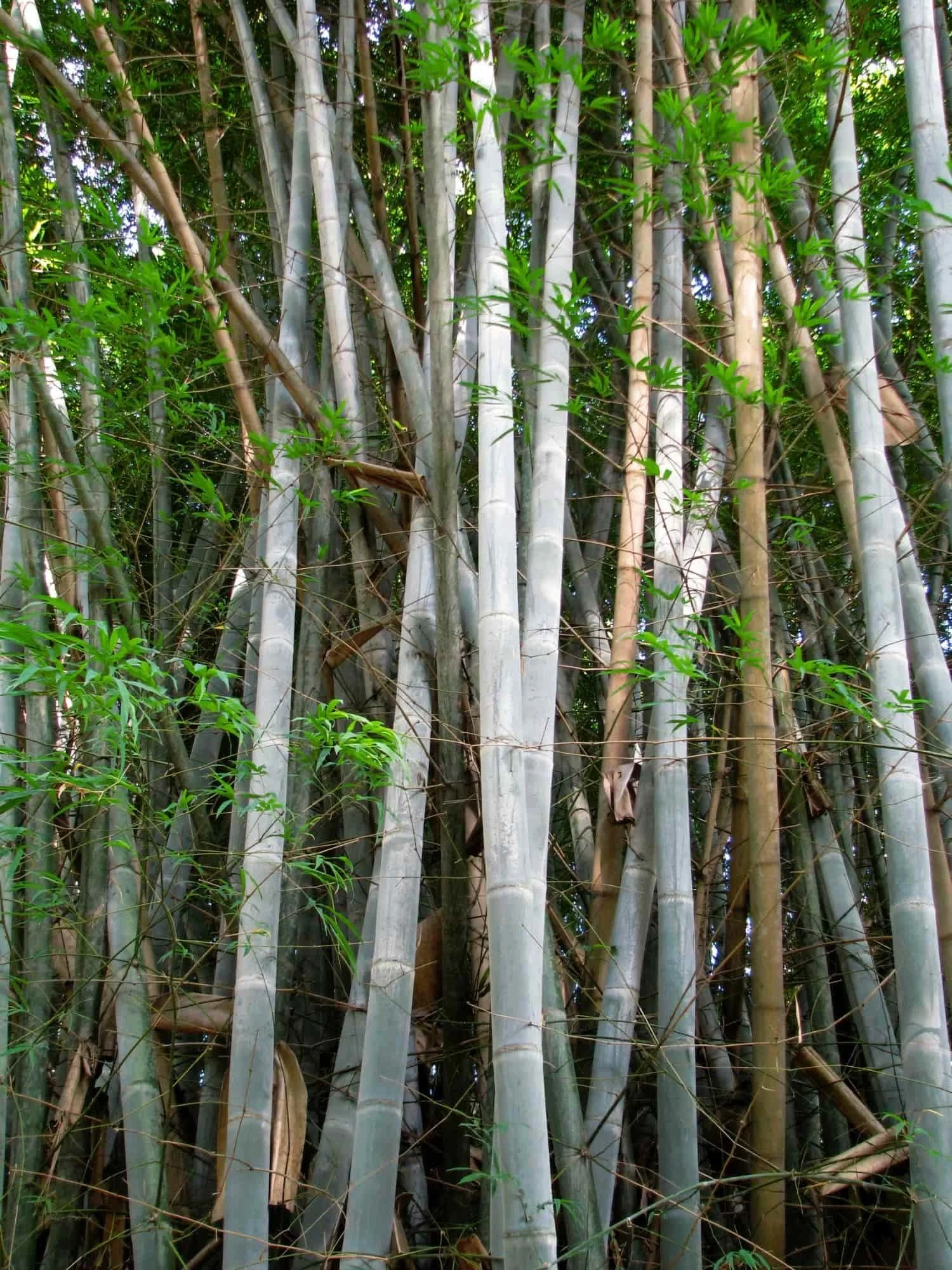
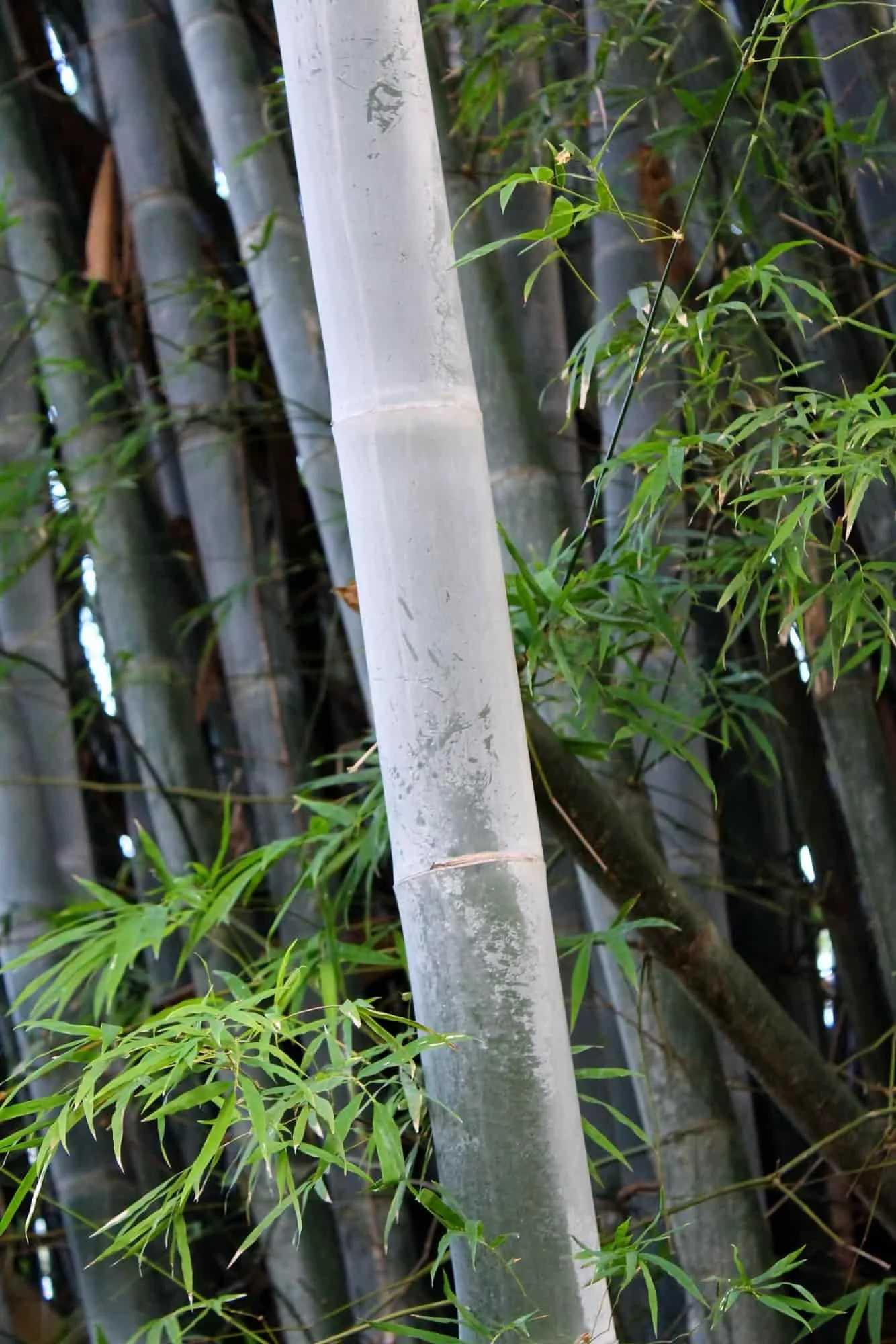
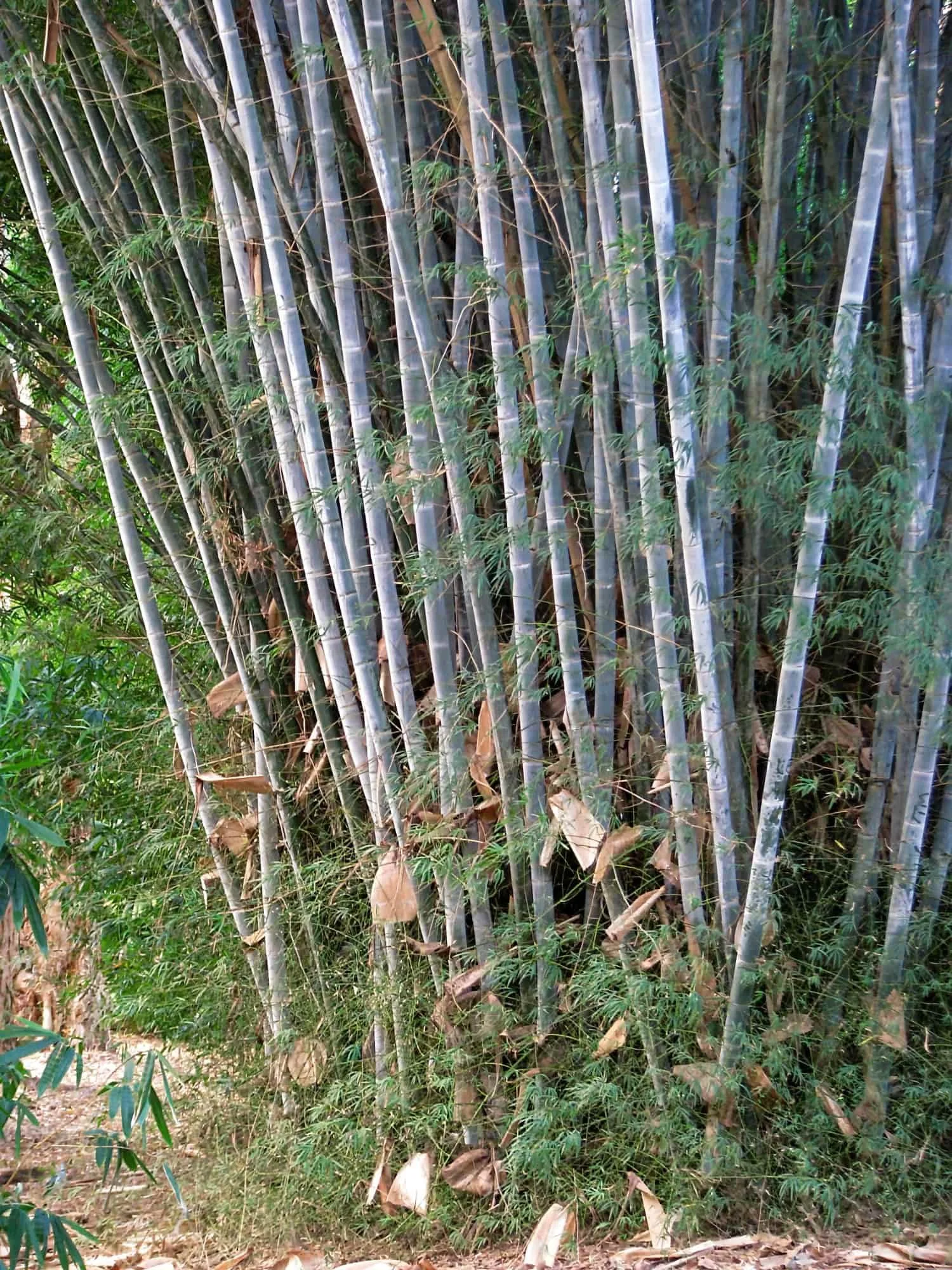
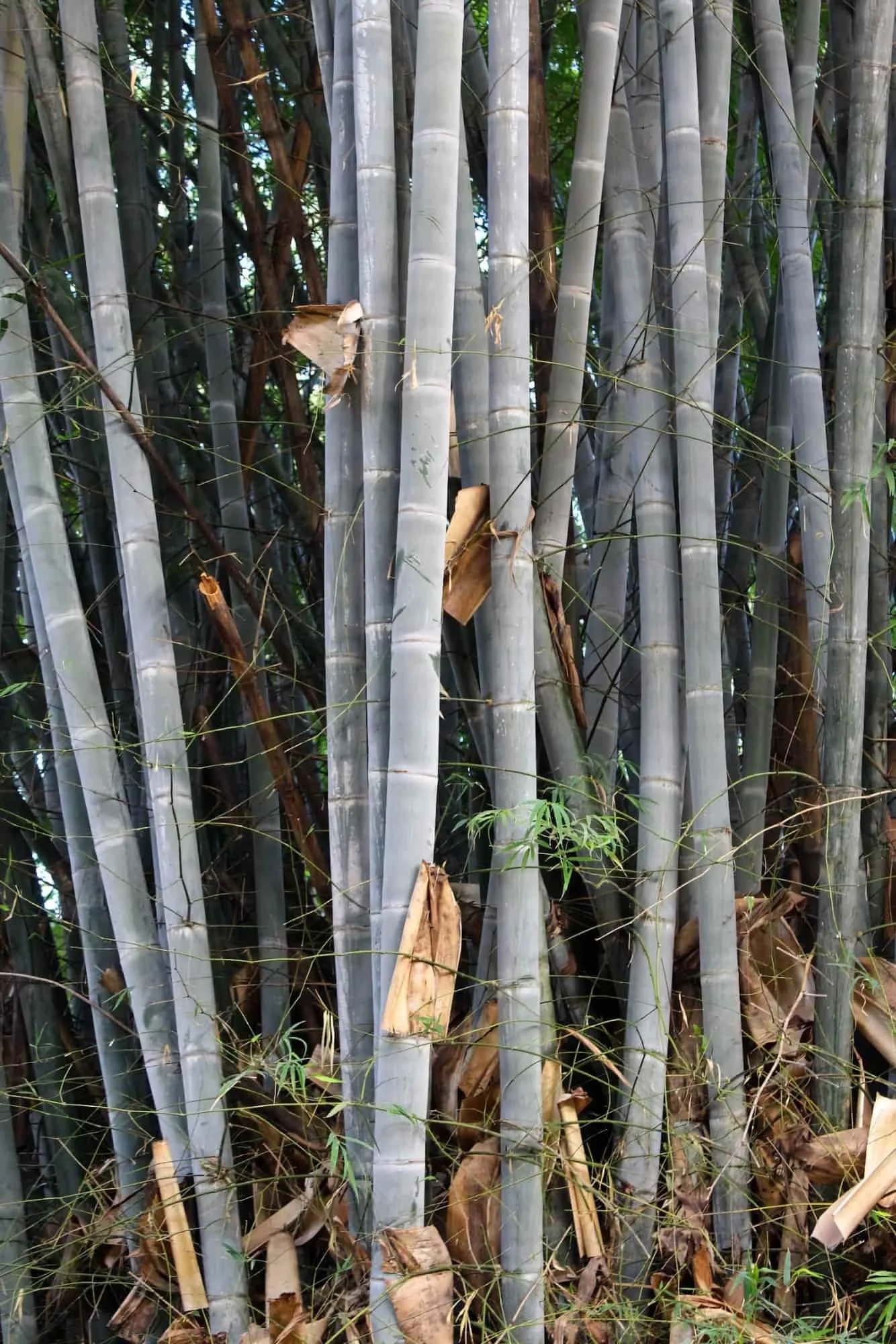
Dendrocalamus membranaceus is a moderate-sized, strong bamboo forming loose clump. Culms are straight and usually between 20-24 m high and 6-10 cm in diameter. Internodes are 22-38 cm long and covered with a white powdery deciduous scurf when young, but green on maturity. Nodes are strongly ringed and basal nodes show rootlets.
Branches
Several to many clustered branches with 1-3 larger dominant branches. The upper branches are slender and bare many leaves.
Leaves
Lance-shaped leaves which are on average between 12-25 cm long and 1.5-2.5 cm broad.
Flowering
Flowering of this species was last reported in 1992 and 1994 from North-Eastern India.
Habitat
Dendrocalamus membranaceus prefers laterite and black limestone soils, and is most found in tropical mixed deciduous or monsoon forest below 1,000 m altitude.
Uses
This bamboo is used for building purposes, furniture, bamboo board, agricultural implements, slat traps, matting, chopsticks, basketry, handicrafts, and as props for fruit trees. It is also one of the most promising species for pulp. Shoots are edible and consumed as a vegetable.
Origin
Bangladesh, Cambodia, China South-Central, Laos, Myanmar, Thailand, Vietnam.