

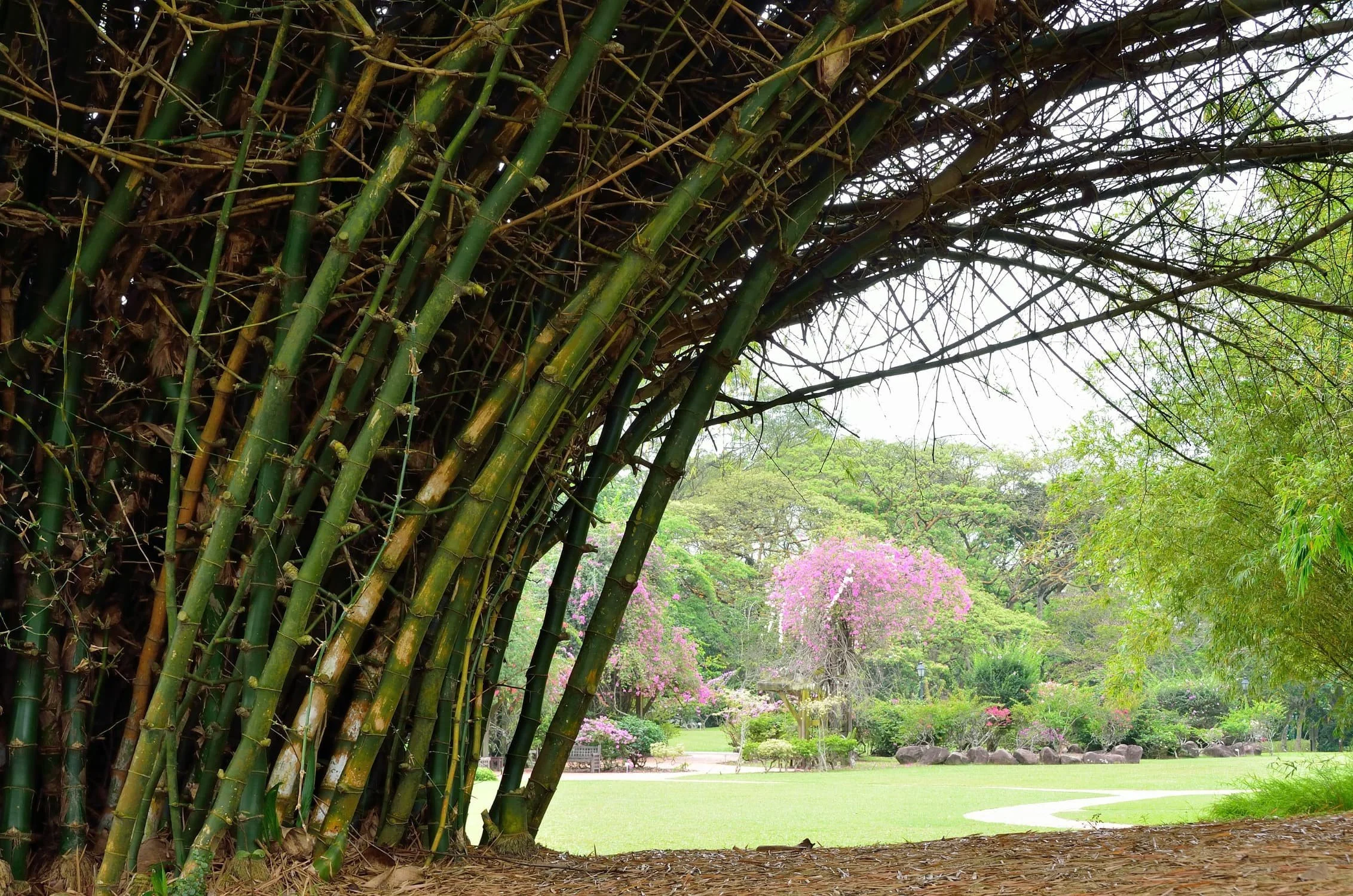
Bambusa bambos also known as Giant Thorny Bamboo or Indian Thorny Bamboo, is a species of tropical dense clumping bamboo native to Southeast Asia. This bamboo species was previously named Bambusa arundinacea and is often used for construction purposes.
Species Data Sheet |
|
|---|---|
Scientific Name |
Bambusa bambos |
Synonyms |
Arundo bambos, Bambusa arundinacea |
Common Names |
Giant Thorny Bamboo, Indian Thorny Bamboo |
Family |
Poaceae |
Tribe |
|
Genus |
|
Height |
20-30 m |
Diameter |
10-15 cm |
Growth Habit |
Dense Clumping |
Color |
Dark green when young, bright green when mature |
Internodes |
15-46 cm |
Wall thickness |
25-50 mm |
Branches |
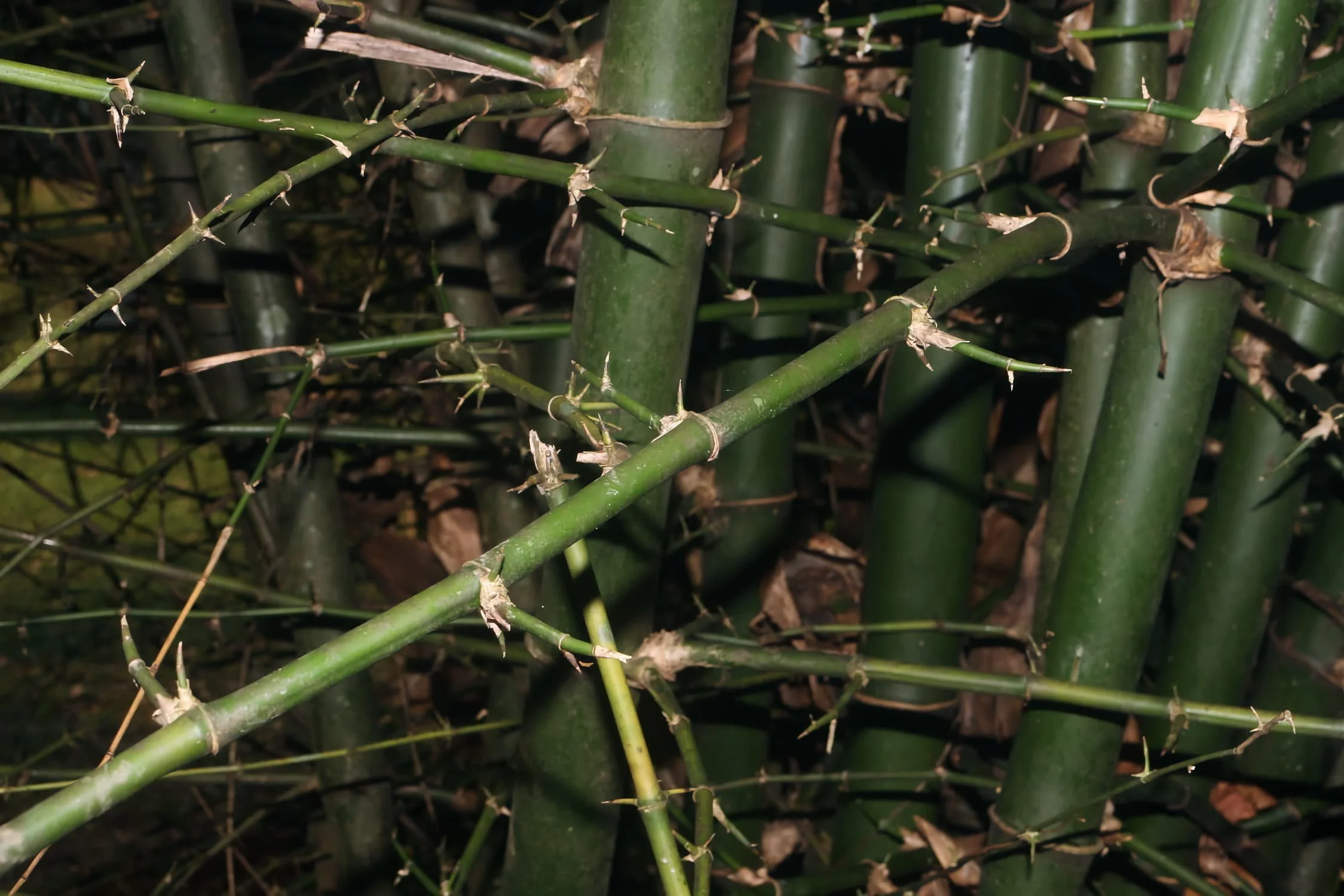
1-3 branches clustered with 1 larger branch. The branches have very sharp thorns |
Leaves |
15-30 cm long, 8-15 mm wide |
Climate |
Tropical – Subtropical |
Exposure |
Full Sun |
Hardiness |
-1°C |
Soil |
Loamy and alluvial soils, fertile and well drained |
Water Needs |
Average |
Planting Distance |
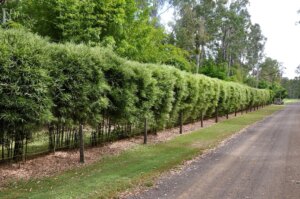
• Every 3 m for screening |
Edibility |
(3 of 5) |
Flowering Cycle |
|
Origin |
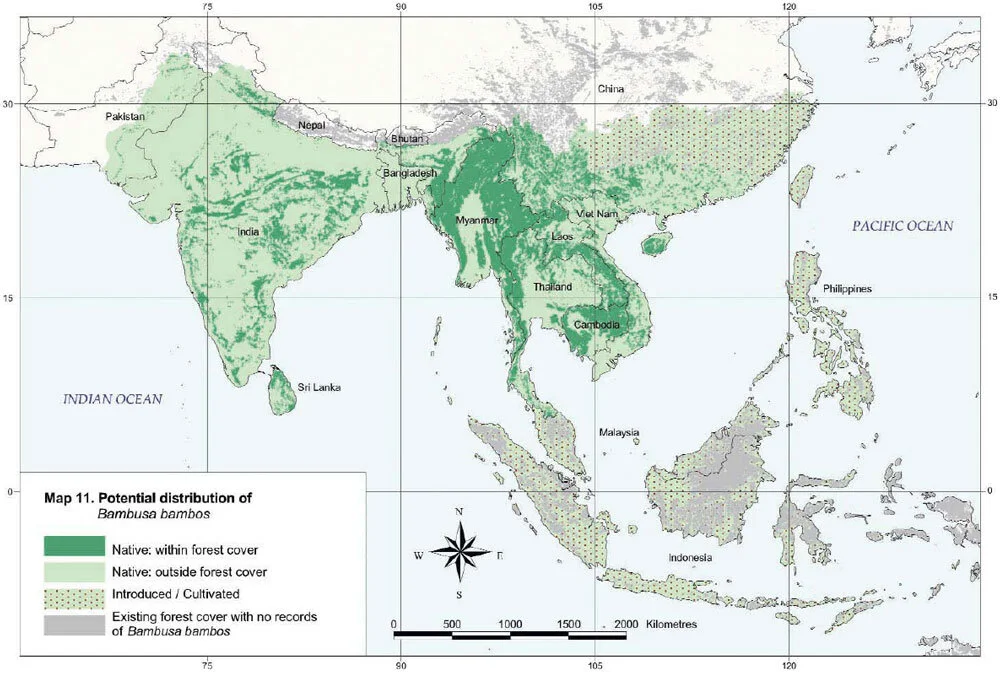
Bangladesh, Cambodia, India, Laos, Myanmar, Sri Lanka, Thailand, Vietnam. |
Uses |
Heavy construction, food, protective fencing, biomass production (>60 t/ha) |
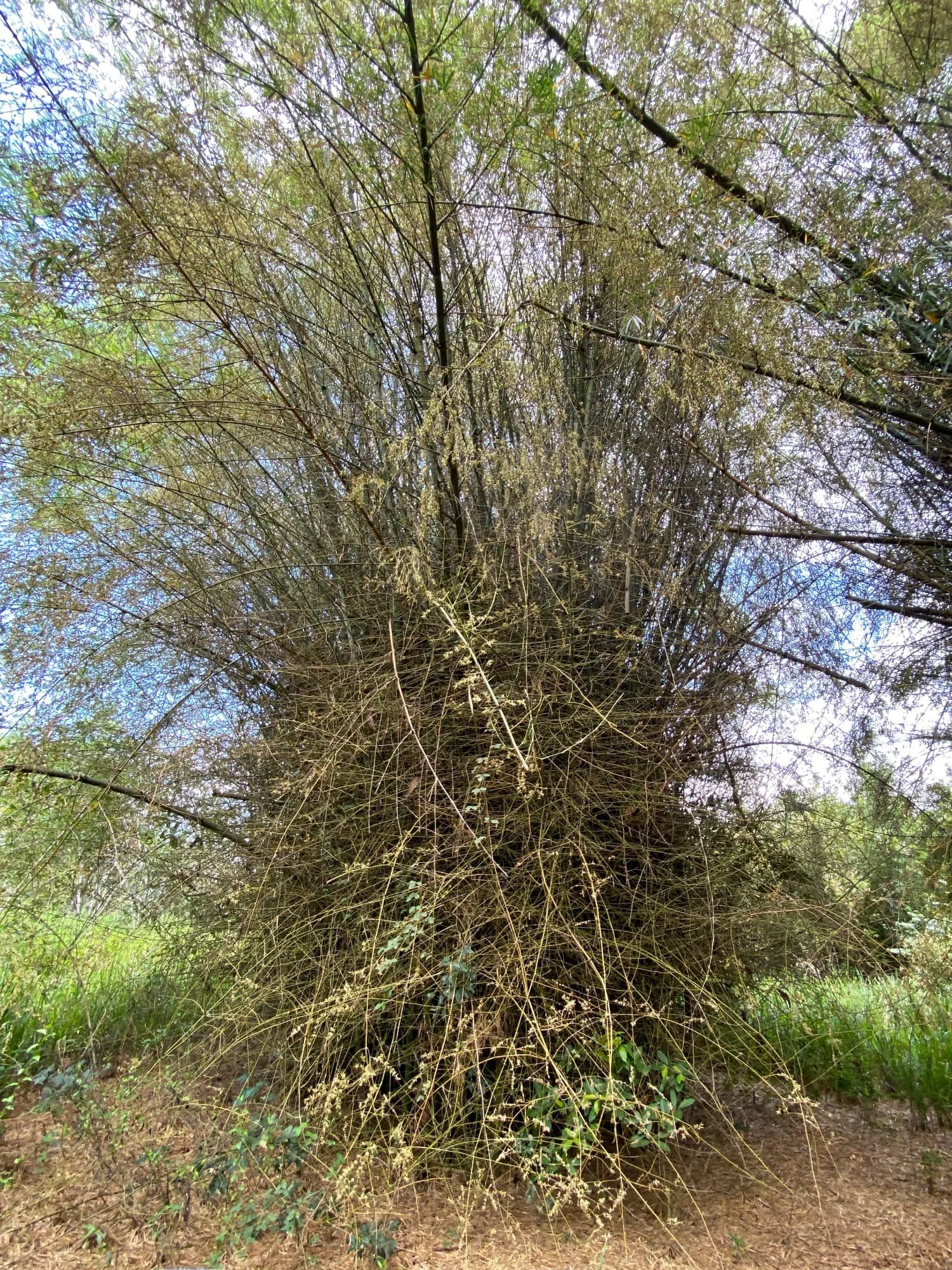
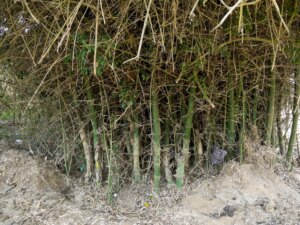
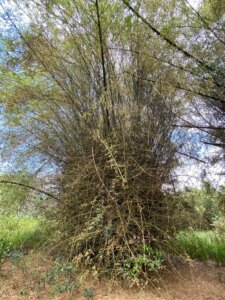
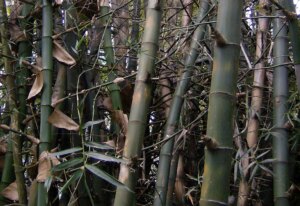
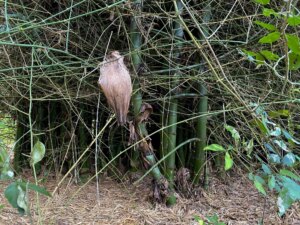
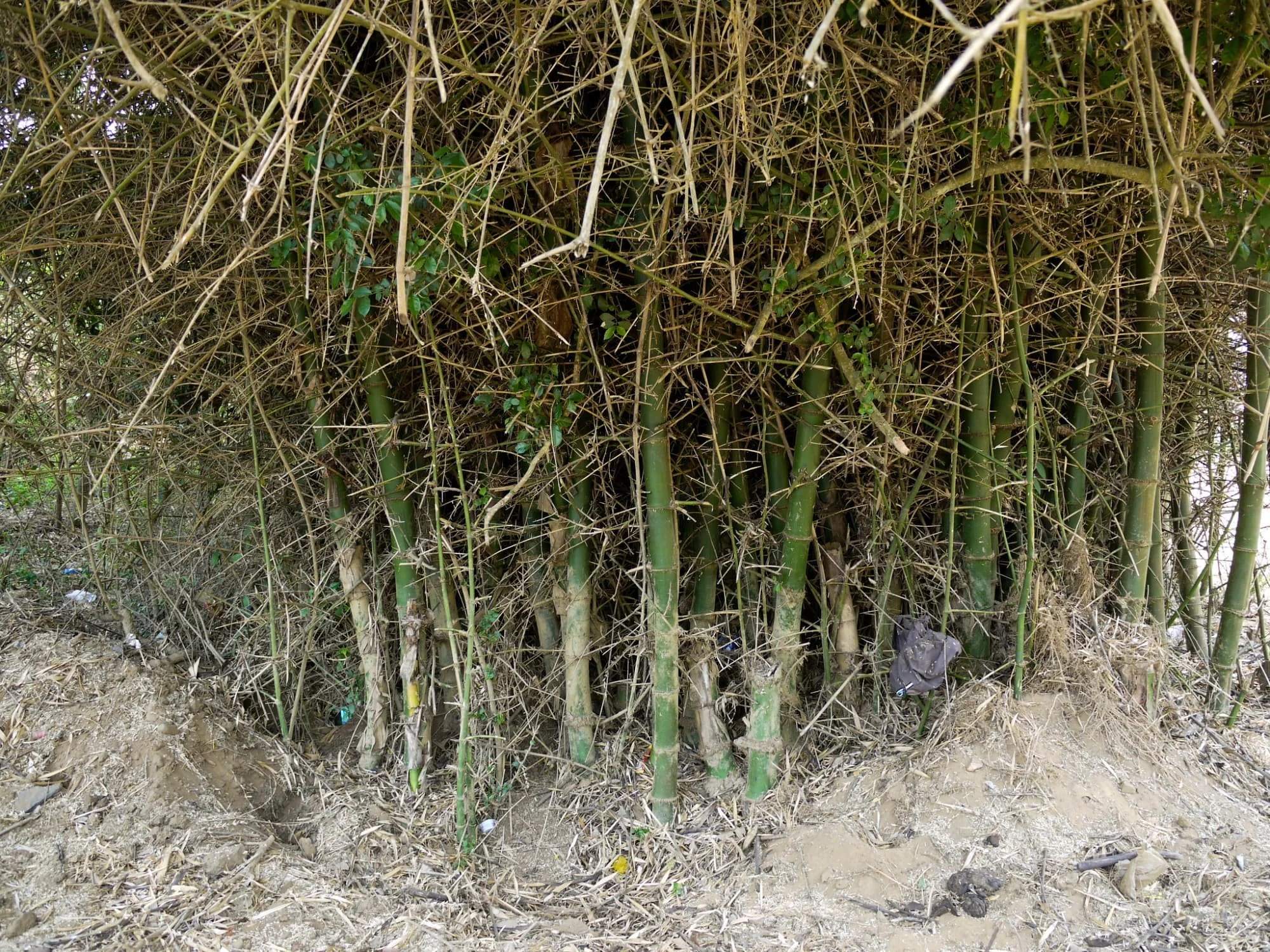
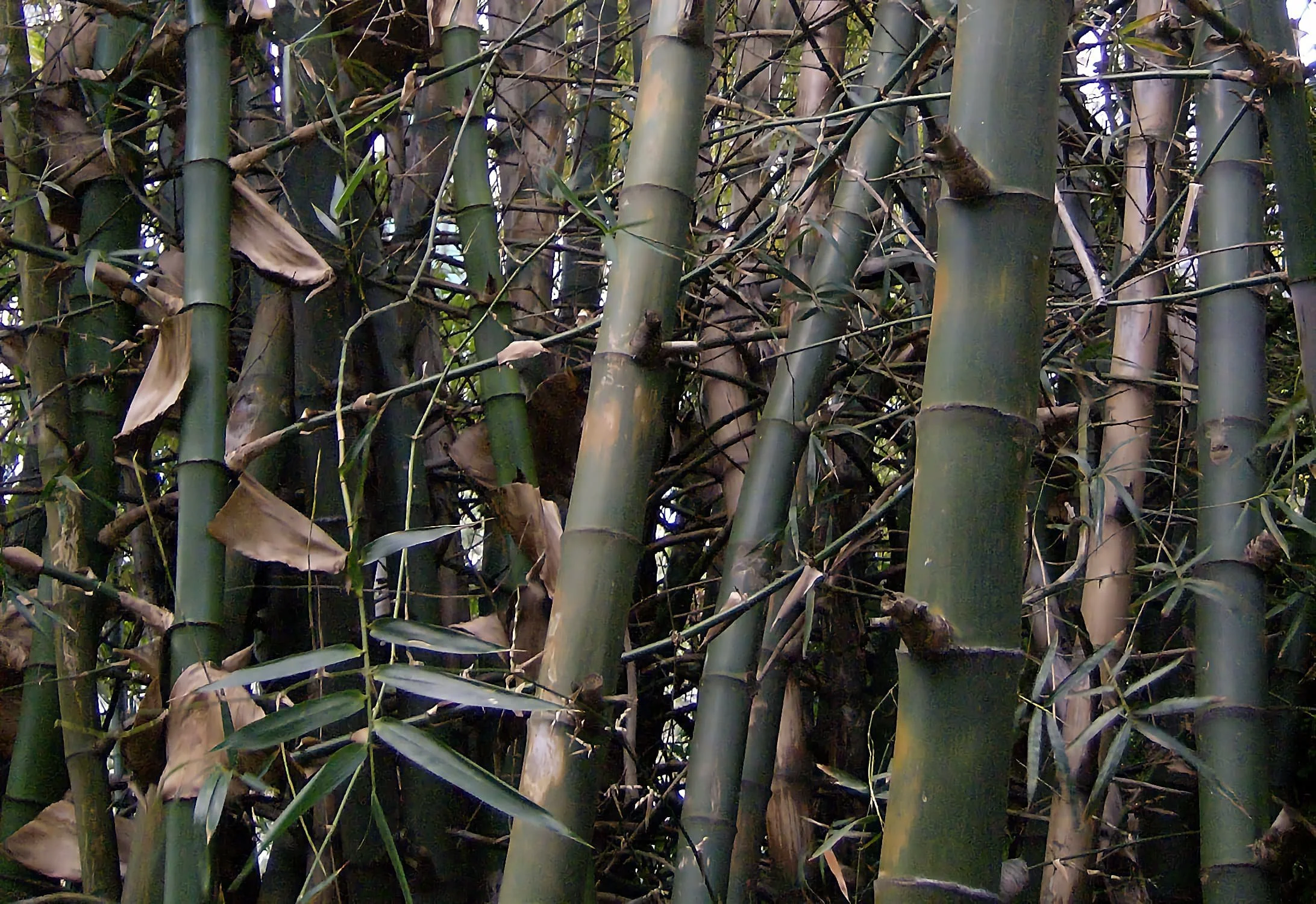
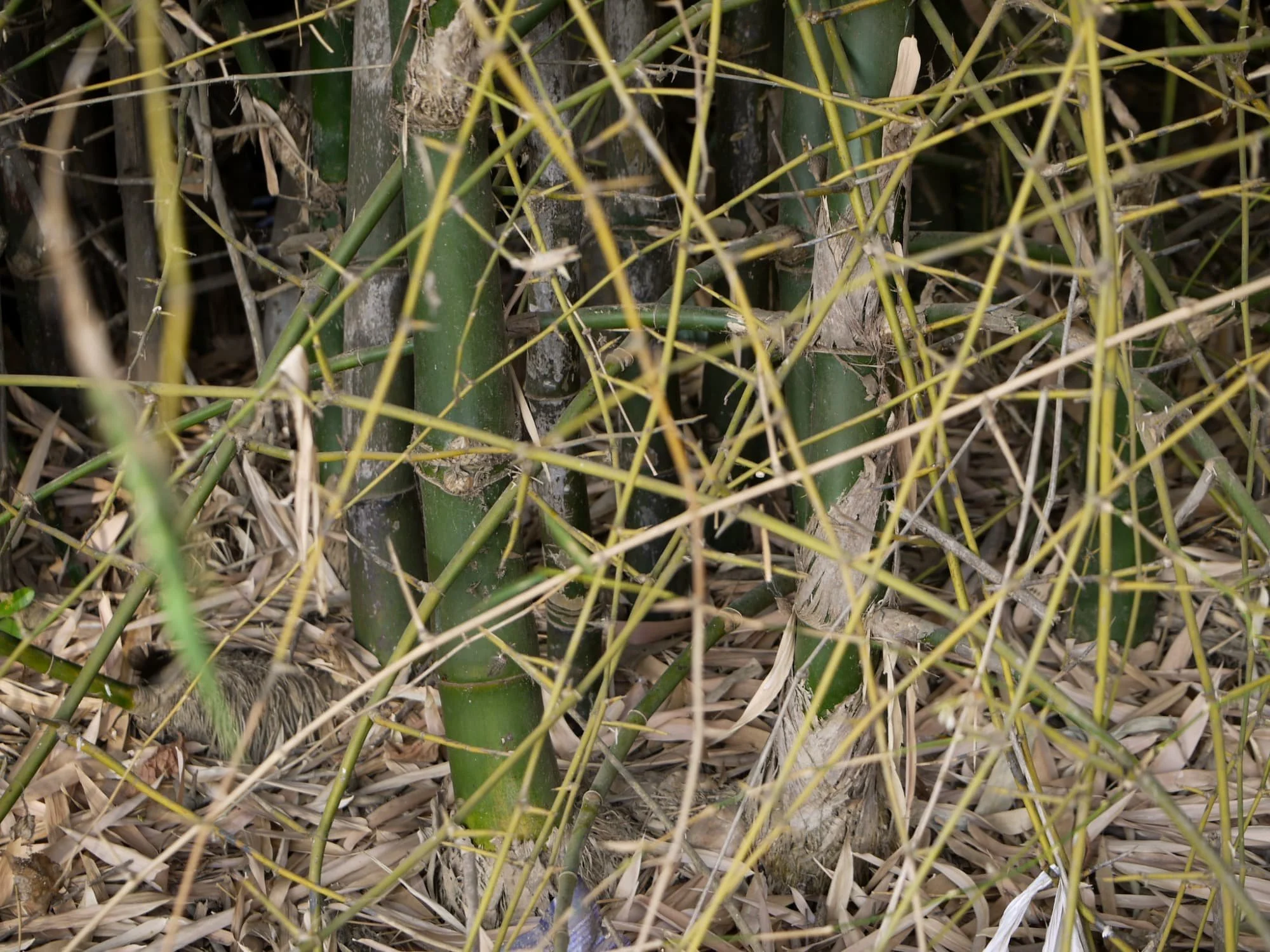
Culms
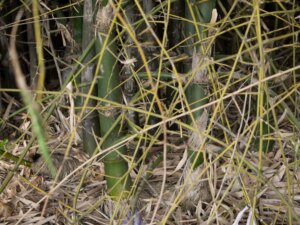
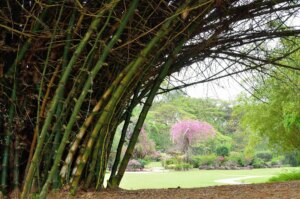
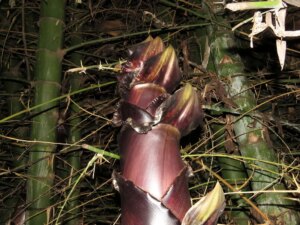
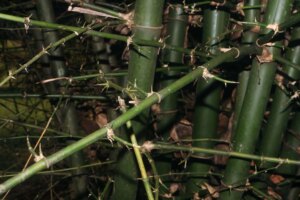
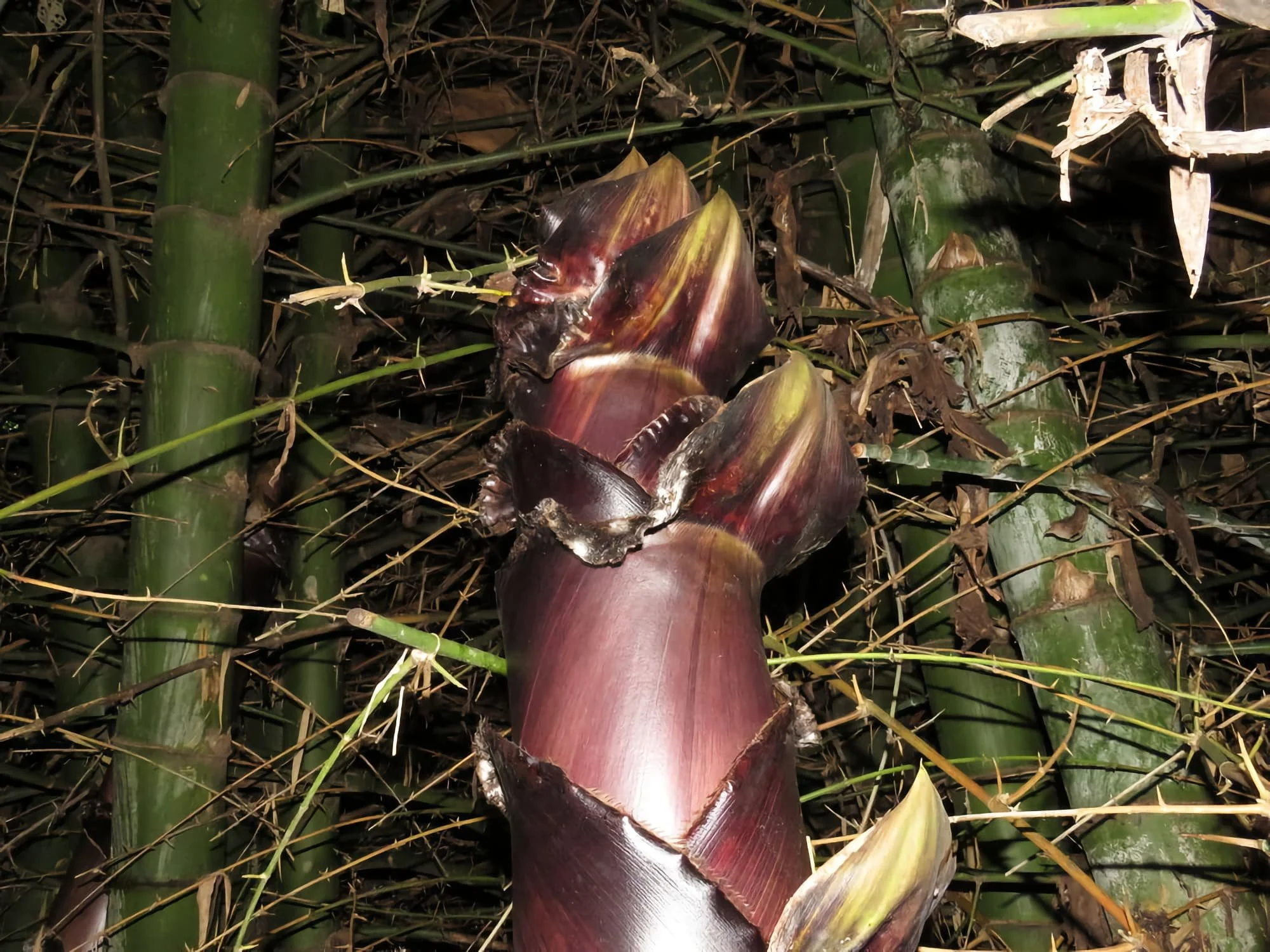
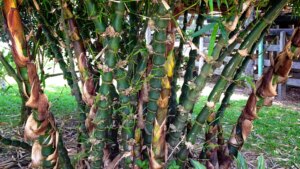
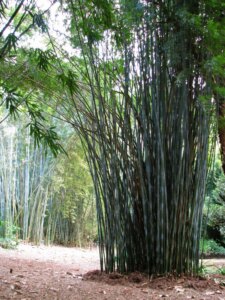
The fast growing, strong woody culms of Bambusa bambos have an average diameter between 10-18 cm, and are between 20-30 m tall (although the tallest recorded culm measured 40 m). The internodes are dark green colored with very thick walls. Nodes are slightly swollen and some lower nodes produce short aerial roots.
Branches
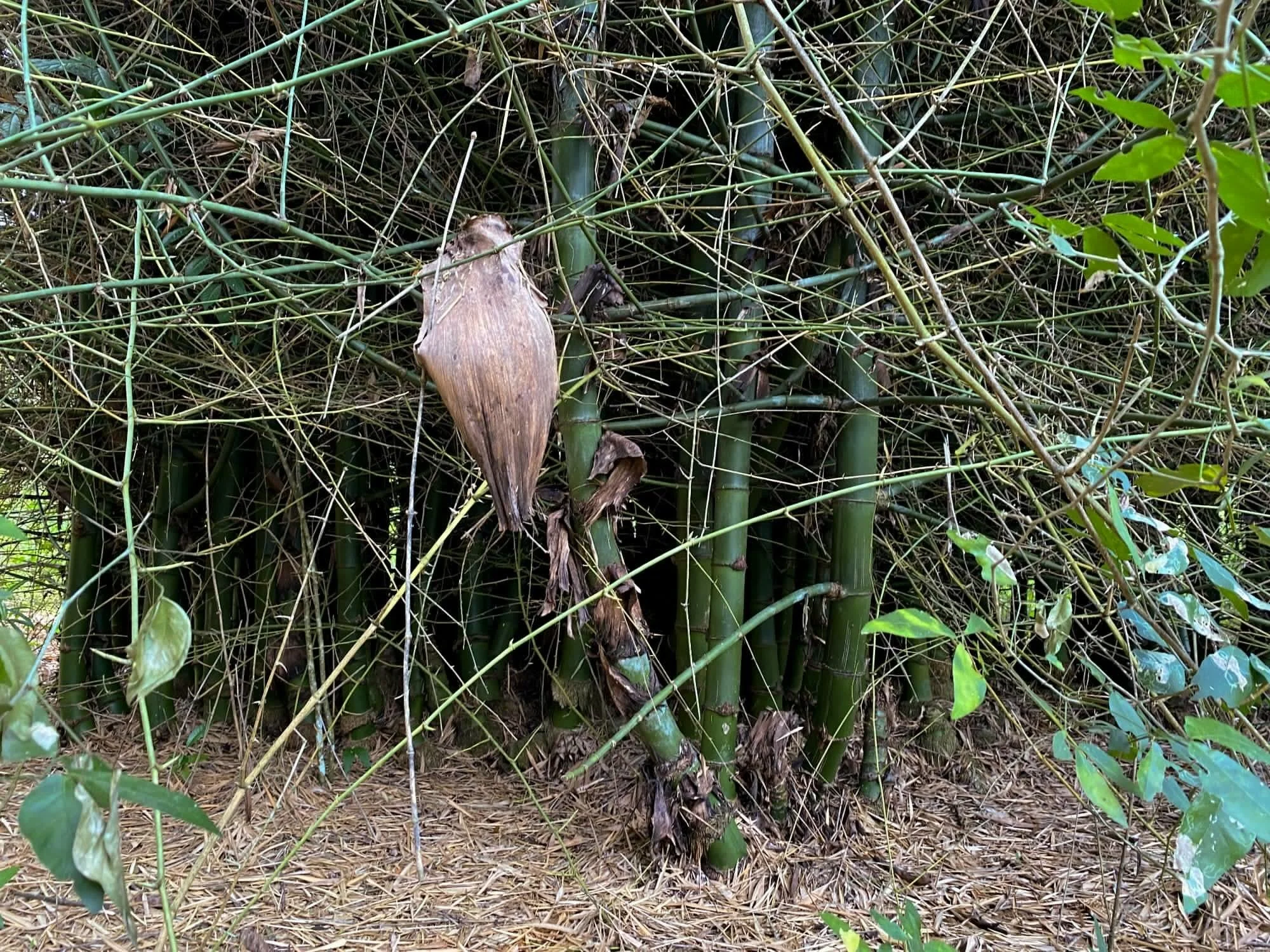
Nodes contain a central dominant branch with one or two lateral branches and are often spine-like. Thorny lower branches are long and wiry, and usually bent towards the ground. The upper leafy branches produce a fan like plume and bearing small spines.
Leaves
Leaves are lance-shaped with a long-pointed tip. They measure between 15-30 cm long and 8-15 mm broad, with about 10 leaves in each complement.
Flowering
This bamboo species may flower every 16-52 years. Gregarious flowering was last reported in the early 90’s (1991-1995) where single clumps gave about 50-100 kg of seeds (70,000 to 85,000 seeds per kilogram). Bambusa bambos seeds are generally viable for a period of 6-8 months.
Habitat
Bambusa bambos prefers a humid tropical climate and grows best along river banks or river valleys with a rich, moist soil. It reaches its best development in moist deciduous forests up to an altitude of 1,250 m and receiving nearly 2,000-2,500 mm rainfall a year. In flat alluvial soil, the culms are reported to attain a height of 25-30 m and a diameter of 20-25 cm.
Uses
Culms are used for house construction, scaffolding, rafters, thatching and roofing, handicrafts and art objects, basket making, bows and arrows, furniture, floating timber and rafting, cooking utensils and fencing. The raw material of this bamboo is also an important source for paper pulp and panel products. Shoots and seeds are edible and leaves are used as fodder and medicine.
Mechanical properties
Fiber stress varies between 18.3-26.5 N/mm2, modulus of rupture is 35-39.3 N/mm2, modulus of elasticity 1.5-4.4 kN/mm2 and maximum crushing stress is 39.1-47 N/mm2.
Origin
Bambusa bambos is native to Southeast Asia, to be more specific: India, Pakistan, Sri Lanka, Bangladesh, Burma, Thailand, Laos, Kampuchea, Vietnam and China.
In India this species occupies 15% of all bamboo forests. It was also introduced to many other tropical countries and regions; including New Guinea and Pacific Islands, northern Australia and New Zealand, tropical Africa and Madagascar, Central and South America (including Caribbean Islands), Mexico and Southern USA (Florida).

please give reference or citation note if possible, that will be really helpful for a person undergoing research and study ;to refer this page.