Stephane Schroder

Phyllostachys aurea
Phyllostachys

Phyllostachys aurea

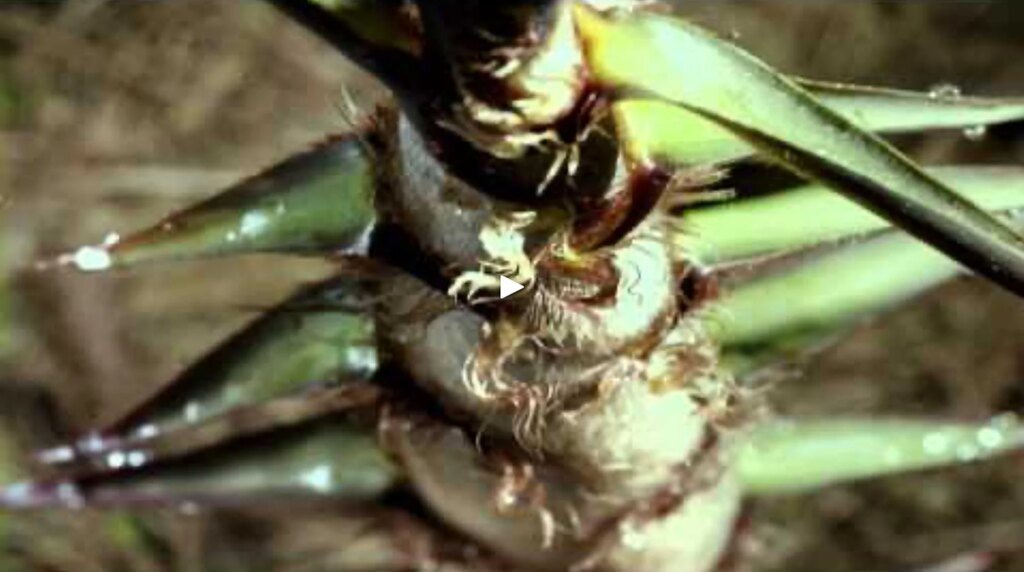
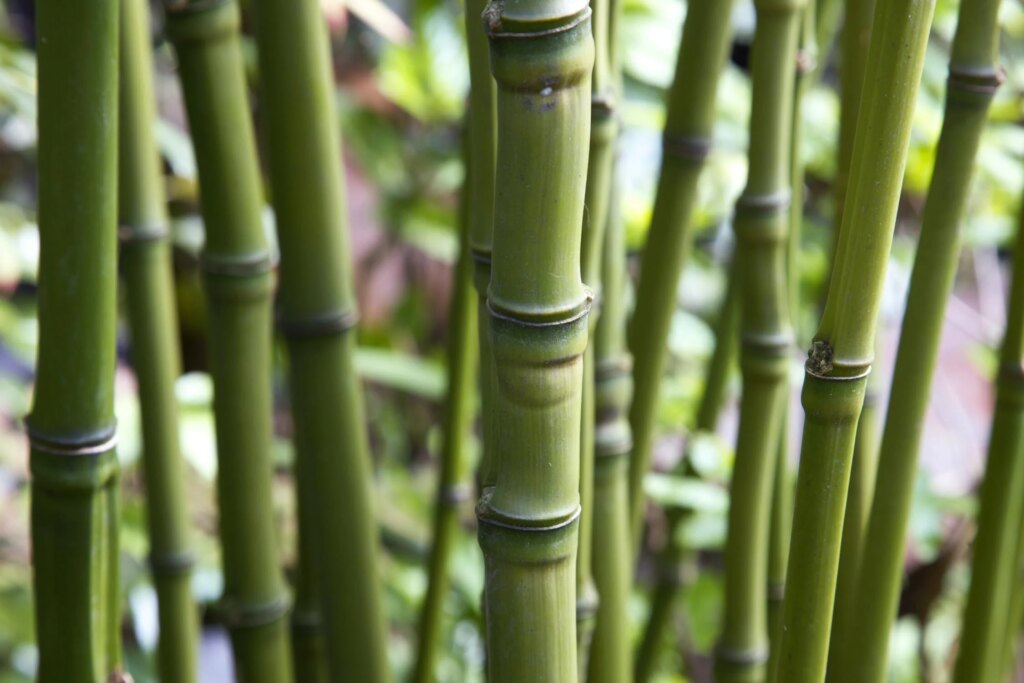
Phyllostachys aurea or “Golden Bamboo”, is a bamboo species native to China and Vietnam. It is a graceful bamboo producing large clumps of bright green canes becoming yellowish with age and exposure. The culms are easily identified by their characteristic compressed internodes in the lower part of the canes which have a tortoiseshell-like appearance.

Phyllostachys aurea Read more »
, , , ,
Freshly Cut Guadua Bamboo
Impact

Bamboo Provides and Endless Supply of Timber

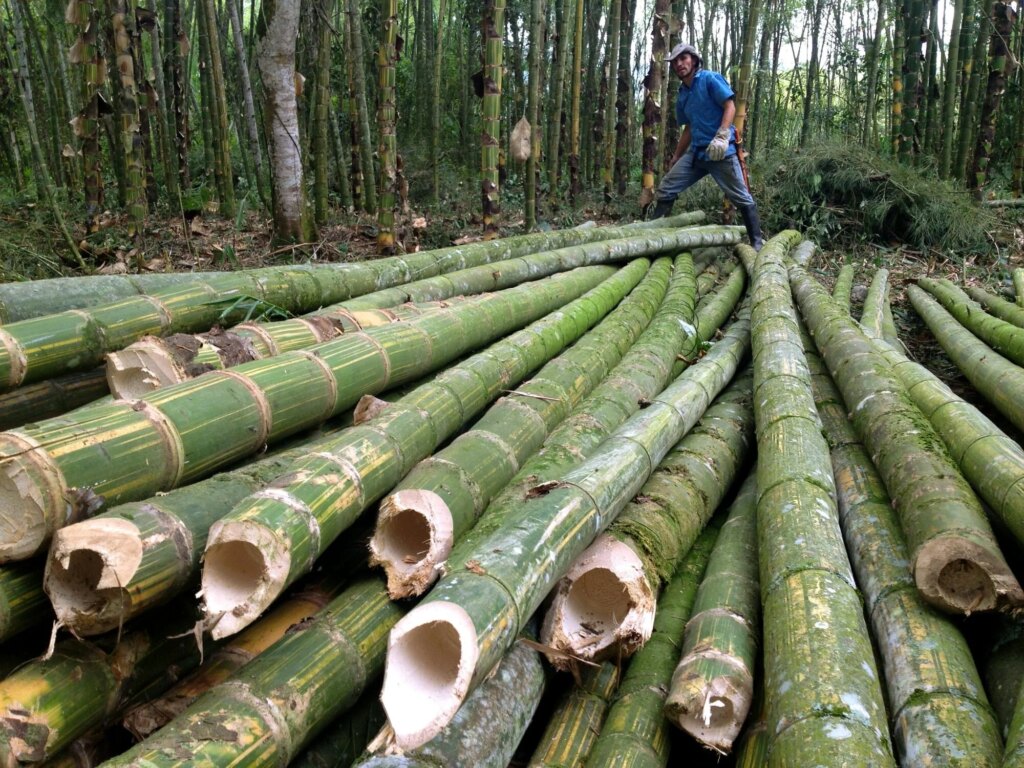
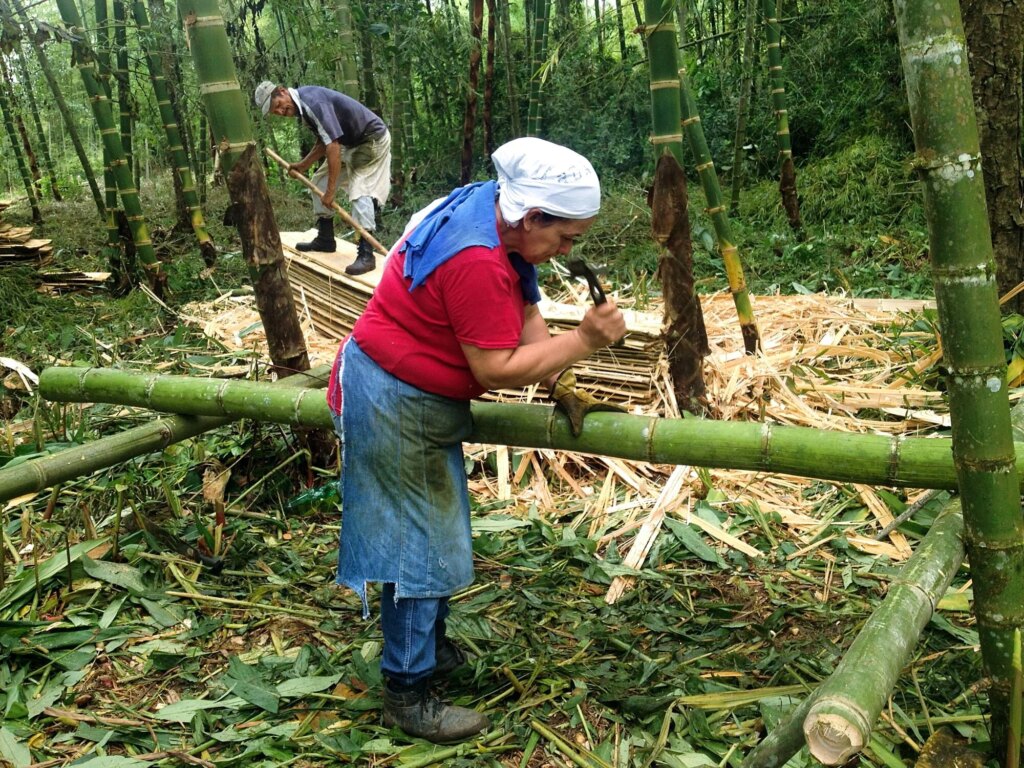
Bamboo is a sustainable and renewable resource as it continuously spreads vegetatively. A bamboo forest will therefore develop much faster than tree forests. In commercial forestry, trees have to be cut down and replanted. In bamboo plantations, only mature stems are selected for harvest while younger stems are left untouched to further mature and develop. Approximately 20%

Bamboo Provides and Endless Supply of Timber Read more »

Bamboo Forests Create a Habitat for Fauna and Flora
Impact

Bamboo Forests Create a Habitat for Fauna and Flora

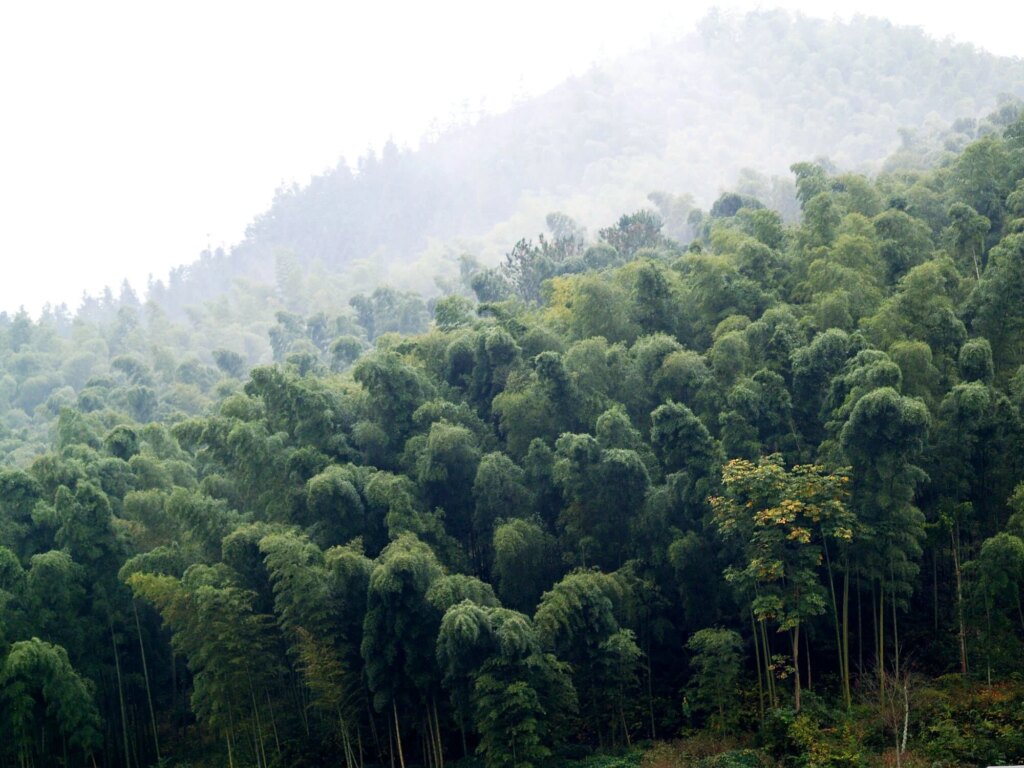
Bamboo is an important part of a biodiverse ecosystem. Many animals such as the Giant Panda (China), Red Panda (China), Mountain Gorilla (Uganda/Rwanda), Sumatran Tiger (Indonesia), Lesser and Greater Bamboo Lemurs (Madagascar), Bale Monkey (Ethiopia), Bamboo Bats (China) and the Agile Gracile Opossum (South America) rely on bamboo for food and shelter. In addition to

Bamboo Forests Create a Habitat for Fauna and Flora Read more »

,
Bamboo Provides Biomass for the Production of Renewable Energy
Uses

Bamboo Provides Biomass for the Production of Renewable Energy

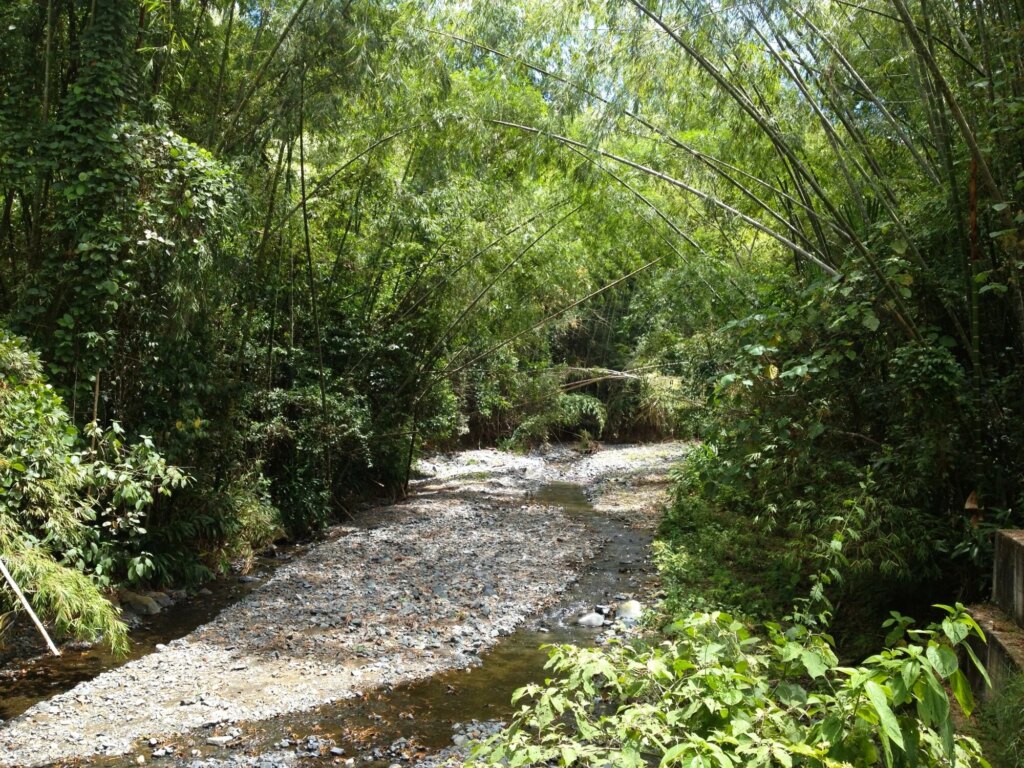
Bamboo is a sustainable energy source that produces 1 kWh of electricity from 1,2 kg of bamboo. This is similar to the biomass requirements for wood products, but outperforms other types of biomass sources such as hemp, bagasse or rice husk. Bamboo can produce an enormous amount of biomass in a relatively short period of

Bamboo Provides Biomass for the Production of Renewable Energy Read more »

, ,
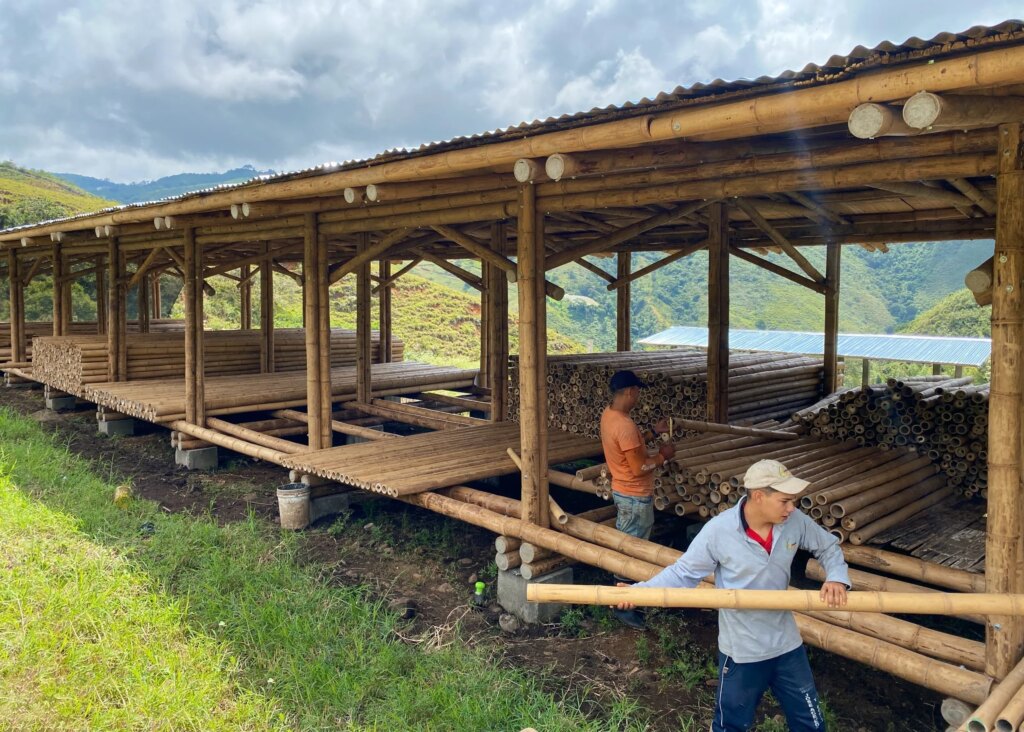
Bamboo can Replace Wood for any Application
Impact

Bamboo can Replace Wood for any Application

Bamboo can replace wood in almost any application. Today, there are thousands of bamboo products that completely replace wood, ranging from paper and pulp products, flooring, musical instruments, furniture, construction materials, and so on. In addition, bamboo fibers are much stronger than wood fibers and less likely to deform due to changing atmospheric conditions. Bamboo

Bamboo can Replace Wood for any Application Read more »

,
Bamboo Reduces Poverty and Provides Livelihoods for Local Farmers
Impact

Bamboo Reduces Poverty and Provides Livelihoods for Local Farmers

The bamboo sector plays an important role in the livelihoods of local farmers. Developing a stable bamboo industry is a great way to help reduce poverty, increase economic opportunities for men and women, and to fight global unemployment. In less developed countries, unemployment has often resulted in conflicts and social unrest. The production and manufacturing

Bamboo Reduces Poverty and Provides Livelihoods for Local Farmers Read more »

,
Scroll to Top