

In recent years different technologies have been developed that allow bamboo fiber to be used for a wide range of textile, fabrics, yarn, cloth, clothing and fashion applications such as T-shirts, pants, underwear, socks, towels, bedsheets, pillow covers, blankets, mattresses, and even bulletproof vests.
In truth, bamboo has always been a useful plant, as people have been using bamboo for food, shelter and various items of clothing for thousands of years. Chinese and Japanese cultures used bamboo to make hats and shoes, while the plant found favor in the 1800’s in the Western world as the rigid portion of ladies’ corsets, bustles and dresses.
However, it wasn’t until recently that two manufacturing processes became widely used to turn the rapidly growing plant into a fiber that could be used to make soft and comfortable items of clothing, bedding, and towels. As companies searched for environmentally friendly and sustainable new materials, the very nature of bamboo has shown it to be a naturally green source for textiles.
How is Bamboo Fabric Made?
Two manufacturing processes are currently used to make fabric from bamboo: mechanical processing and chemical processing.
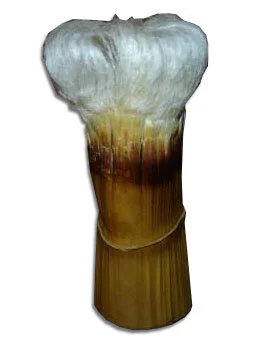
- The first method is a mechanical process where the bamboo’s wood portion is crushed into a pulp and broken down using enzymes that allow the resulting material to be combed and spun into yarn. The advantages of mechanically processed bamboo fabric are its linen-like feel, its natural antifungal and antimicrobial properties, its quick moisture absorption and drying capabilities, its ability to stay warm in cool weather and cool in warm weather, its ultraviolet protection, and its anti-static nature.
- Modern bamboo clothing, however (due to the higher cost of mechanically extracted bamboo fibers), is often made from chemically processed bamboo, called: viscose rayon. Such rayon is made by crushing and soaking the bamboo in sodium hydroxide. This process dissolves the cellulose in the bamboo to form fibers. Unfortunately it also removes much of the the natural characteristics of bamboo fiber, rendering it identical to rayon from other cellulose sources. Unless a product is made directly with bamboo fiber (mechanically processed bamboo) it is not allowed be called “bamboo”.
Sustainable Resource
Eco-friendly, soft, renewable, and safe: the bamboo plant allows textile manufacturers to produce items that have all of these qualities. In our continuing search for ways to reduce our impact on the environment while still being able to enjoy the luxuries of our modern age, bamboo offers a smart solution to at least one environmental issue: how to take an abundant resource and use it to the advantage of both people and the planet.
Bamboo textiles present many solutions to the present unsustainable nature of textile engineering as bamboo is a renewable resource that yields 50 times as much fiber per acre as cotton. However, cost, energy, water, and chemical concerns in manufacturing still must be addressed.


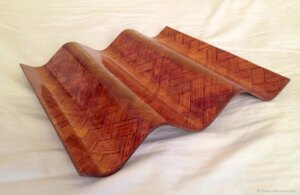
Bamboo bed sheets are softer than silk, you will never want to sleep on any other fabric again! That’s what people say once they own their first set of bamboo sheets. But why is that?
Bamboo fibers are porous, the breathability and moisture absorption of bamboo sheets is greater than that of cotton. This moisture wicking ability pulls moisture away from the skin so it can evaporate, and leaves your skin dry and bedding fresh.
Because bamboo sheets have a high amount of antibacterial qualities, they are also terrific for people with skin allergies. In recent years, extensive research and testing has been carried out on bamboo sheets to infect them with the Staphylococcus aureus bacteria. After the 24 hour incubation period ended, the study showed that 100% bamboo sheets eliminated or repelled 99.8% of the Staphylococcus aureus bacteria, making bamboo bed sheets one of the best antibacterial sheets available on the market today.
Bamboo bed sheets also have natural thermal regulating properties that keep you comfortably cool in the summer and warm in the winter. This temperature regulating benefit makes bamboo bedding sheets ideal for those who experience hot flashes.