

Bamboo is a sustainable energy source that produces 1 kWh of electricity from 1,2 kg of bamboo. This is similar to the biomass requirements for wood products, but outperforms other types of biomass sources such as hemp, bagasse or rice husk. Bamboo can produce an enormous amount of biomass in a relatively short period of time, which makes it an important reforestation resource in many countries.
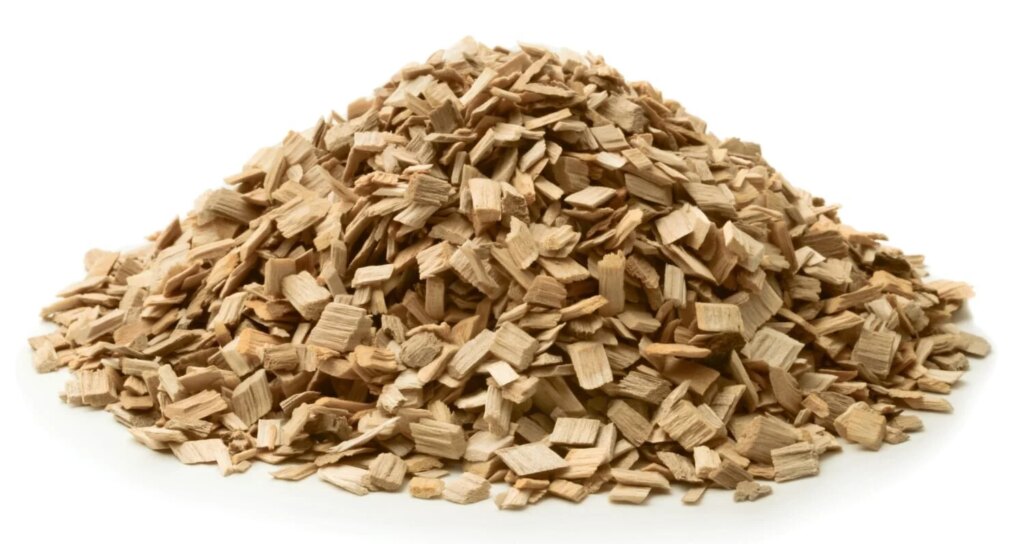
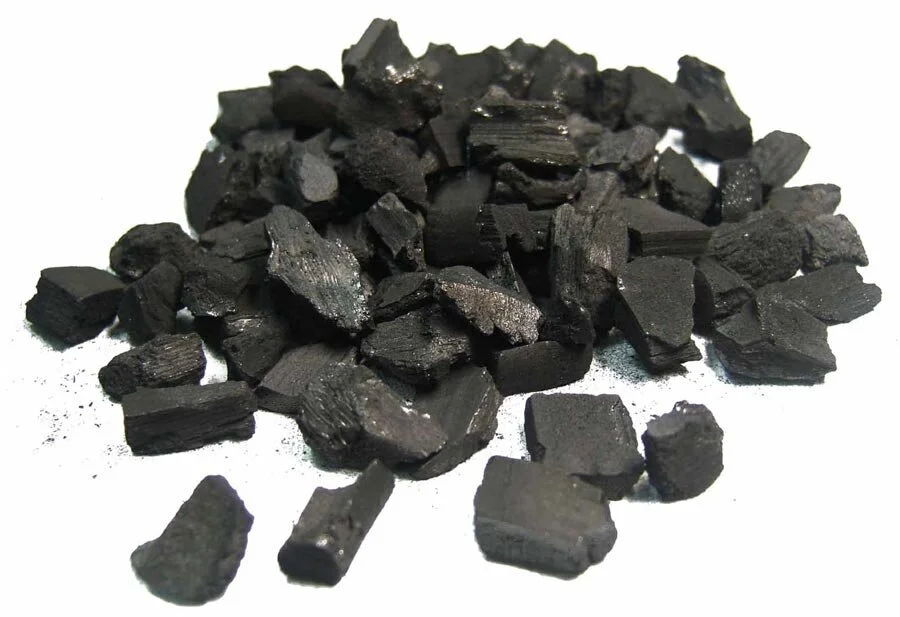
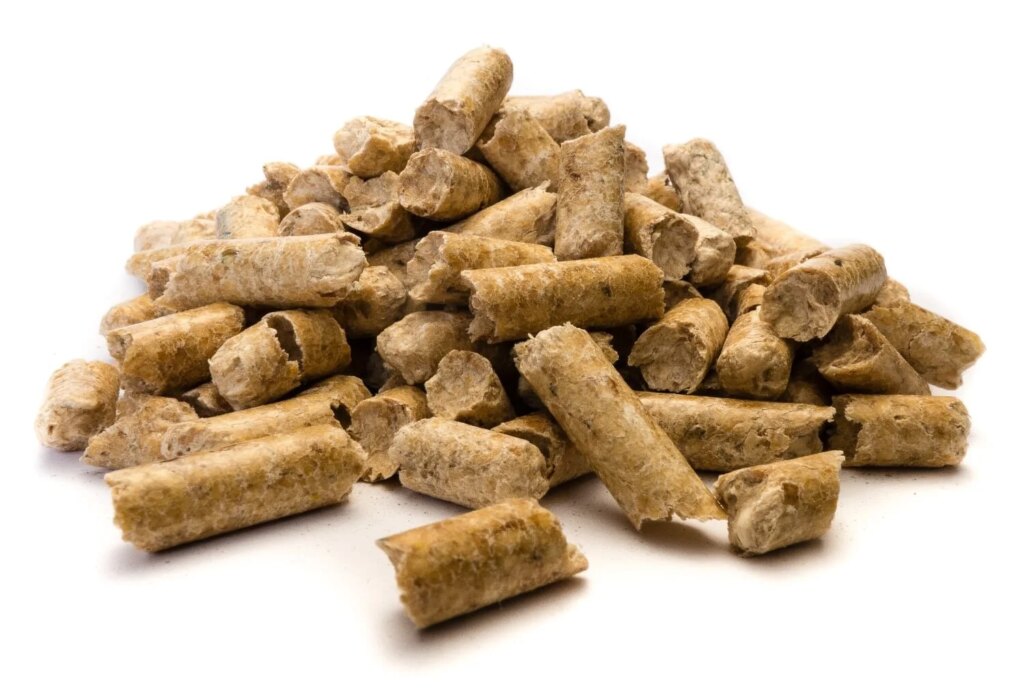
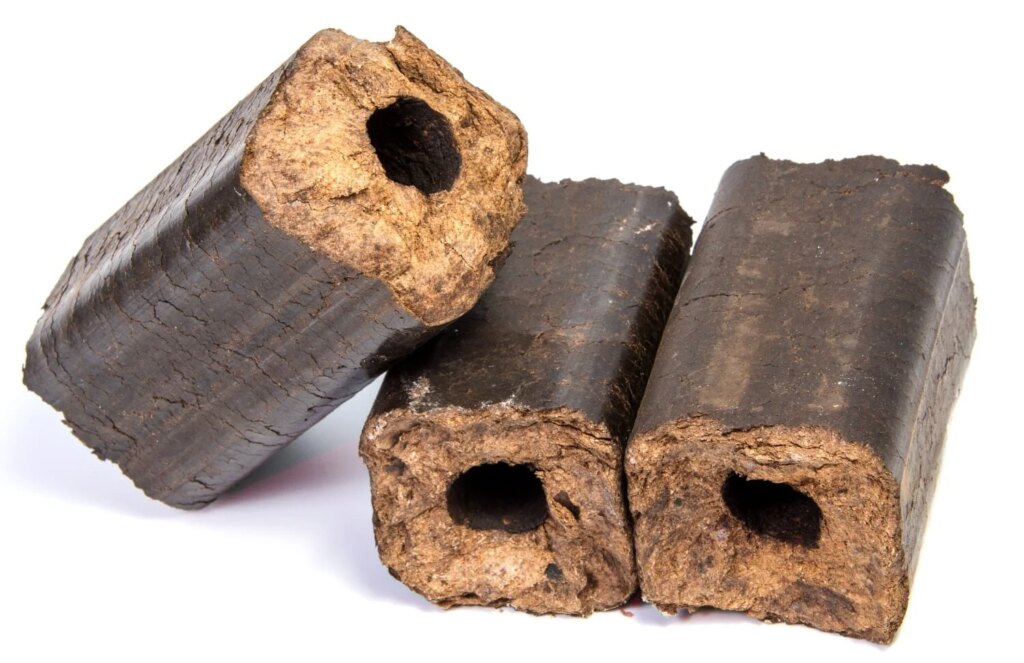
Bamboo biomass can be used as a substitute for firewood as itis processed into various energy products such as charcoal, pellets and briquettes through thermal or biochemical transformations.
Biomass Calorific Value Comparison
| Biomass | LHV MJ/Kg | HHV
MJ/Kg | LHV Kcal/Kg | HHV Kcal/Kg |
|---|---|---|---|---|
| Bagasse | 17,7 | 19,4 | 4230 | 4637 |
| Bamboo | 19,0 | 19,8 | 4541 | 4732 |
| Birch | 18,7 | 20,1 | 4469 | 4804 |
| Cherry | 17,9 | 19,1 | 4278 | 4565 |
| Coconut | 16,6 | 17,8 | 3967 | 4254 |
| Cypress | 21,5 | 23,0 | 5139 | 5497 |
| Douglas | 19,7 | 21,0 | 4708 | 5019 |
| Elm | 19,0 | 20,5 | 4541 | 4900 |
| Eucalyptus | 18,3 | 19,6 | 4374 | 4684 |
| Hemp | 16,5 | 17,6 | 3944 | 4206 |
| Larch | 18,7 | 20,1 | 4469 | 4804 |
| Maple | 18,7 | 20,0 | 4469 | 4780 |
| Miscanthus | 17,8 | 19,1 | 4254 | 4565 |
| Oak | 17,4 | 18,8 | 4159 | 4493 |
| Pine | 19,5 | 20,8 | 4661 | 4971 |
| Poplar | 19,4 | 20,8 | 4637 | 4971 |
| Rice husk | 14,2 | 15,4 | 3394 | 3681 |
| Spruce | 18,5 | 19,8 | 4422 | 4732 |
| Switchgrass | 16,8 | 19,1 | 4015 | 4565 |
| Teak | 18,9 | 20,2 | 4517 | 4828 |
| Willow | 17,3 | 18,6 | 4135 | 4445 |
Values are for the lower (LHV) and higher heating value (HHV) on dry basis. | Source: Energy Research Center of the Netherlands
Charcoal is used in many countries. Studies show that the calorific value of bamboo charcoal is approximately 29 MJ/kg which is comparable to commonly used biomass resources such as spruce or eucalyptus. In addition, comparative life cycle assessments reveals that bamboo charcoal production is a more cost-effective and environmentally friendly option.
Pellets are also a reliable biomass energy source. In terms of mass and energy density, pellets from bamboo have characteristics that are superior to other biomass products, such as chips and briquettes. Its higher density makes transportation easier and more cost-effective. Bamboo pellets have a greater energy efficiency with good properties for domestic and industrial use.
Electricity can be generated from bamboo by gasification. This is a process that involves the combustion of biomass in a special unit that powers an electricity-generating turbine. Feasibility studies show that 2 bamboo poles of approximately 10 kg each, can provide enough energy for one family for 24 hours. The by-product that is produced from the gasification process is charcoal, which can be used for cooking or soil fertilization.

This is something I would recommend to investors as the world scene is changing rapidly. Renewable energy produced from bamboo is a very sustainable venture to benefit all, however, because of politics these seem very hard to implement. Nevertheless, the concept is very good.
I’ve been reading a lot on bamboo these last few days and am interested in growing bamboo to make charcoal. What is the best bamboo species for this? Would I also be able to make furniture with that same bamboo?
I would appreciate any answer that you could provide.
Bamboo charcoal can be made from any woody bamboo species as it is often produced from waste materials (branches, roots, imperfect culms). Personally I think it is better to chose the bamboo species according to your furniture needs and make charcoal as a by-product because furniture will give a higher financial return than charcoal (especially for smaller plantation projects).
Thanks. Can you also help me with plans on how to build a kiln to make charcoal? Dimensions and a bit of process info. I have looked on the net but i’m concerned most of those might not be the right way of doing things. If you look at some of those designs they seem a little way out.
Yes, there is a very good .presentation available from NMBA about making bamboo charcoal and kilns, attached the link: https://terrapreta.bioenergylists.org/files/Charcoal.pdf
Can bamboo charcoal also be made from recycled bamboo or bamboo salvaged from deconstruction of existing built forms (construction waste) or does it have to be freshly harvested bamboo?
Yes, charcoal can also be made from dried bamboo.
Hello, I am Panagiotis from Greece and I am interested in growing bamboo in my country. I want to use it for biomass so I need a type of bamboo that produces a lot of mass. I was thinking of something that I can plant at 1 x 1 m apart so I can plant a lot of them. Are there any suggestions to what bamboo species I could use?