

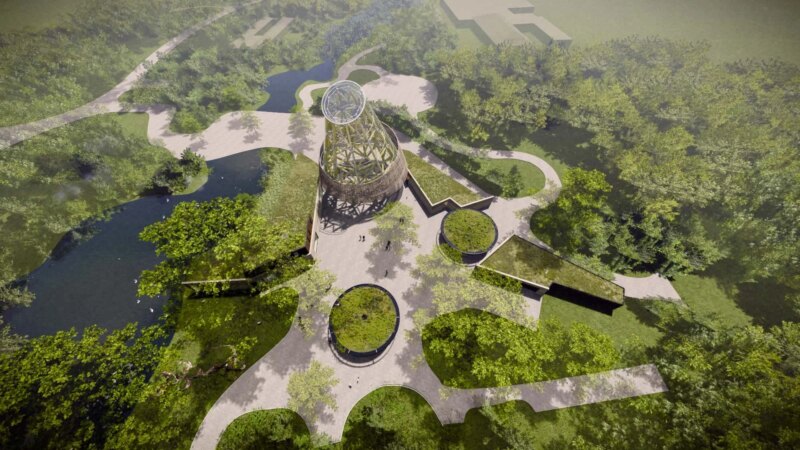
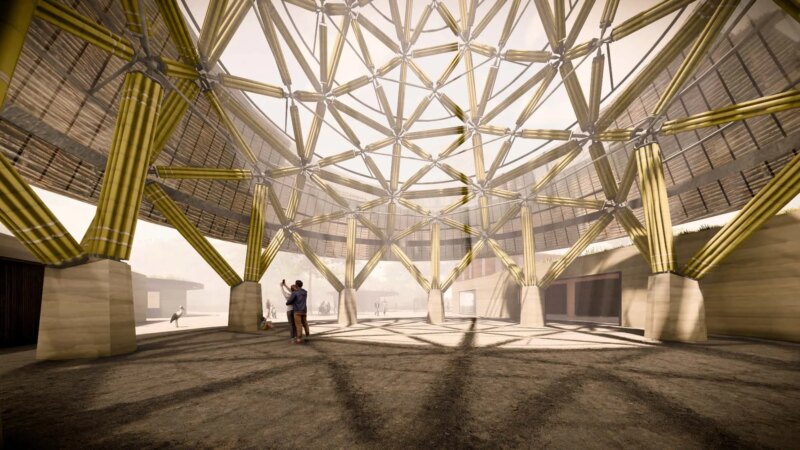
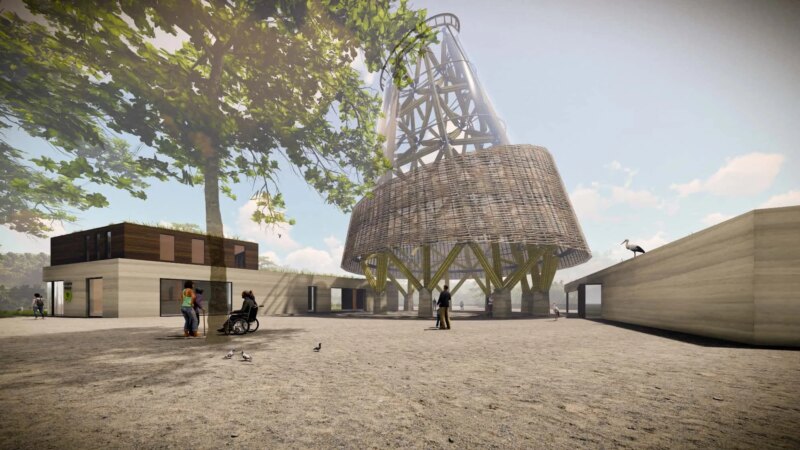
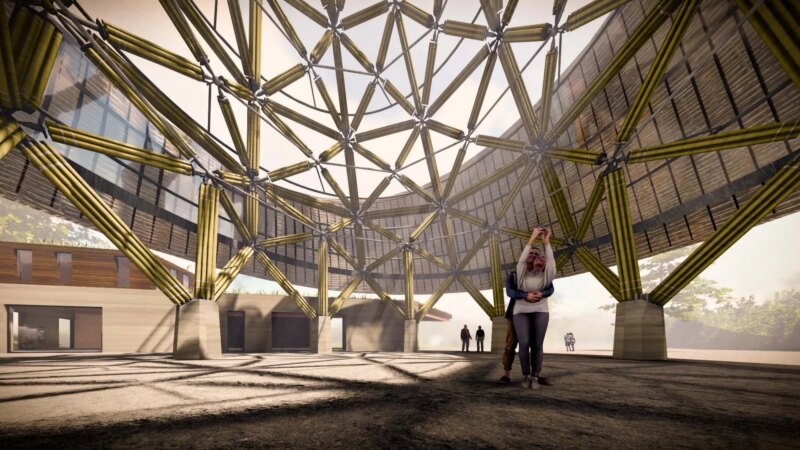
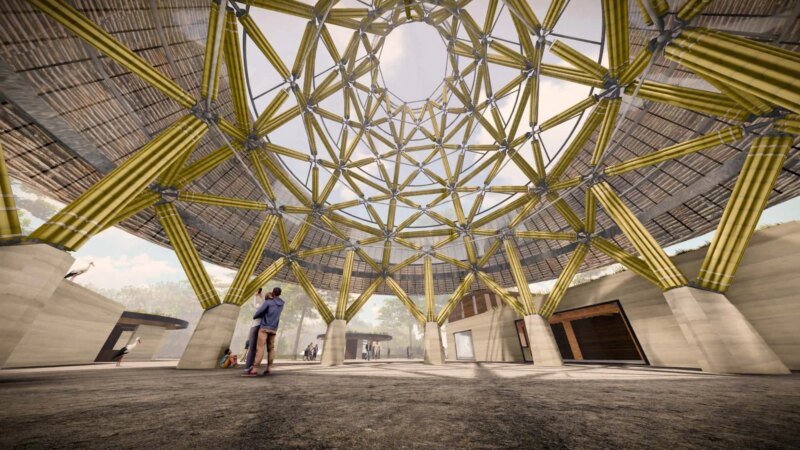
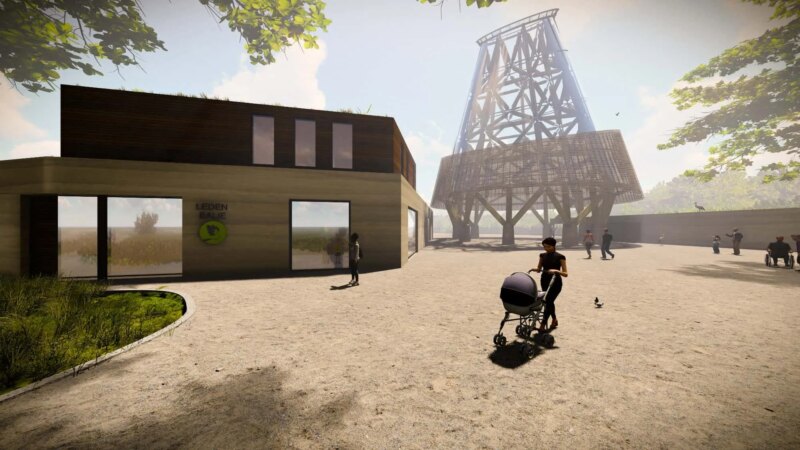
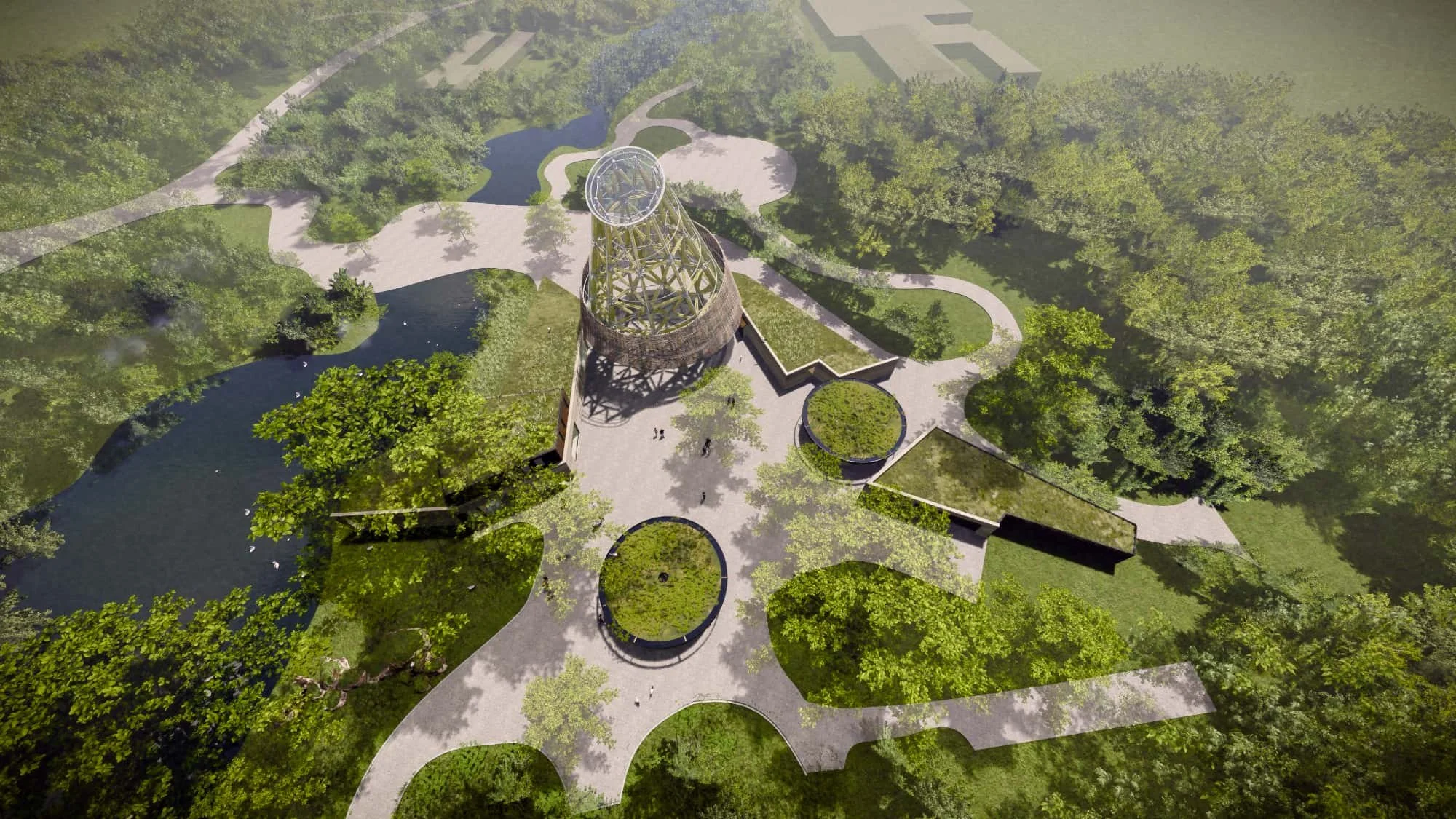
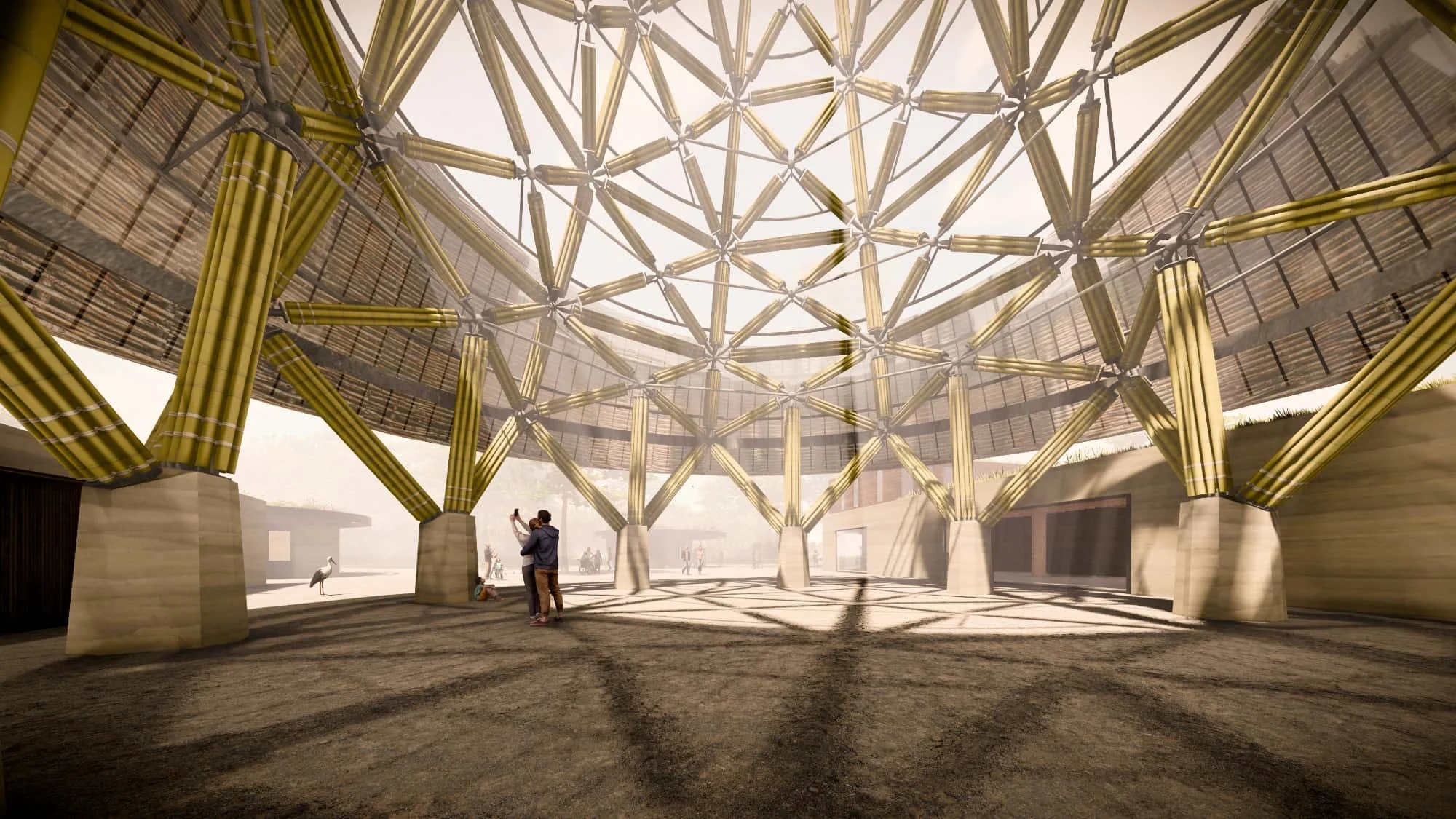
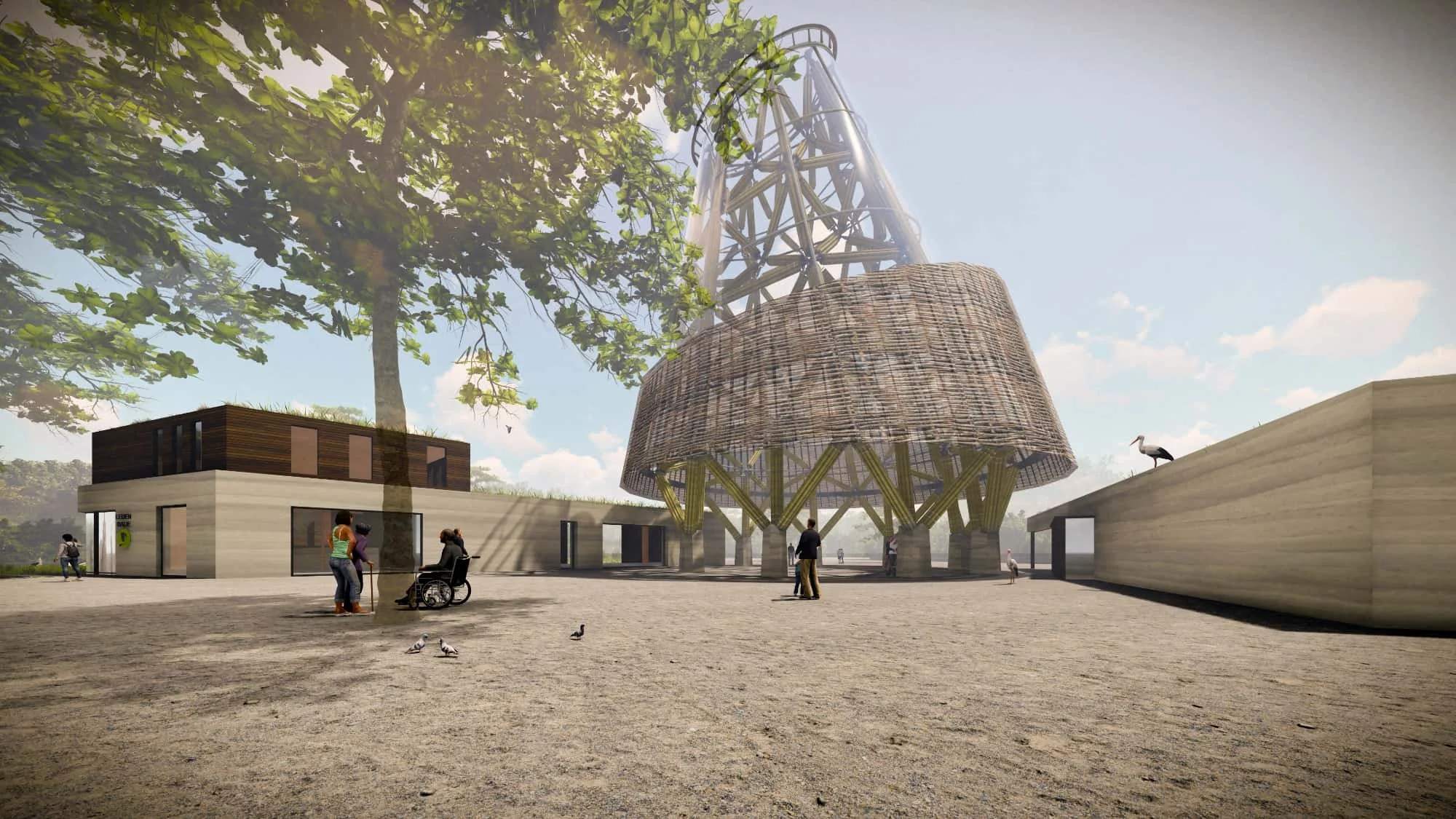
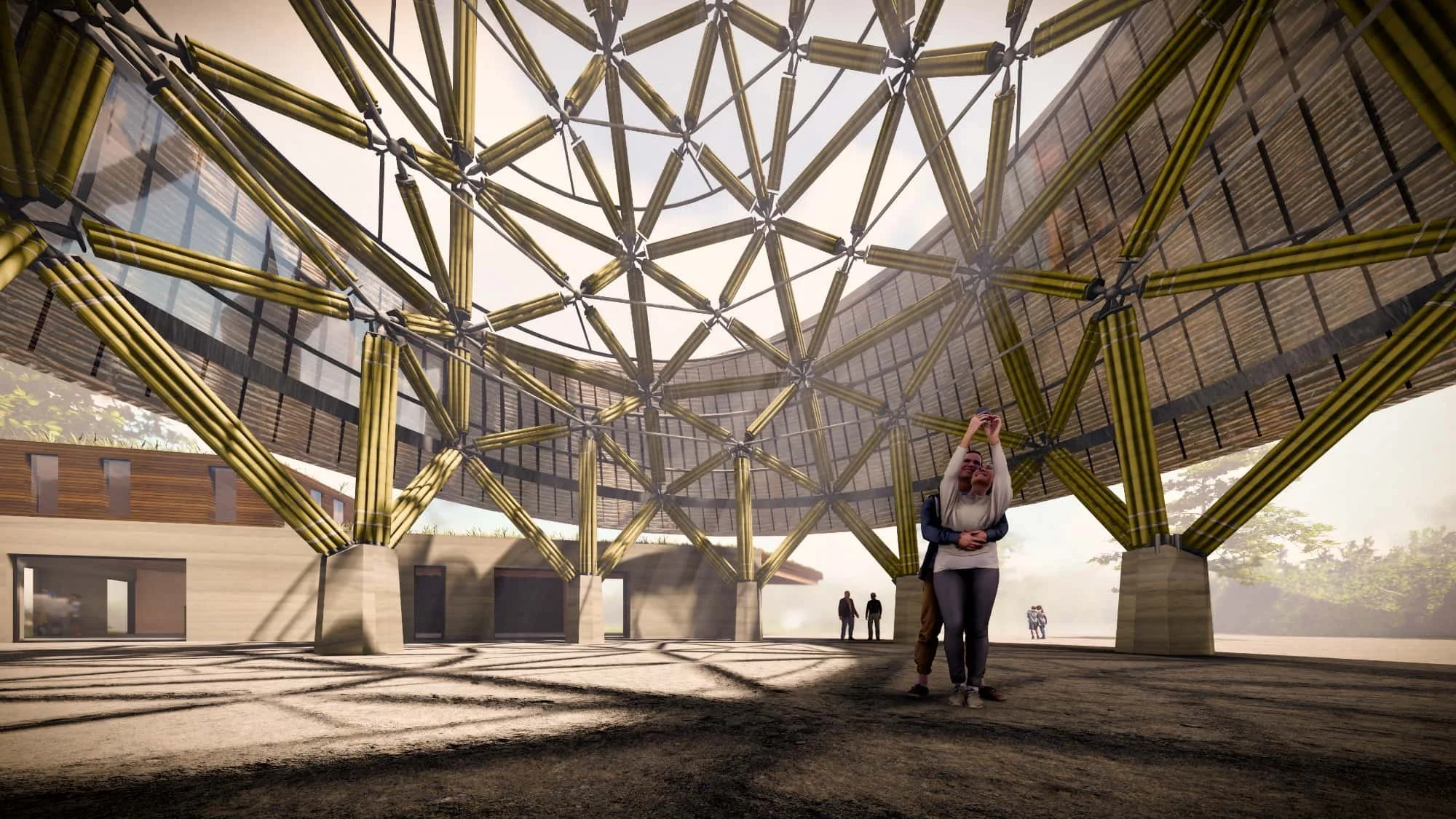
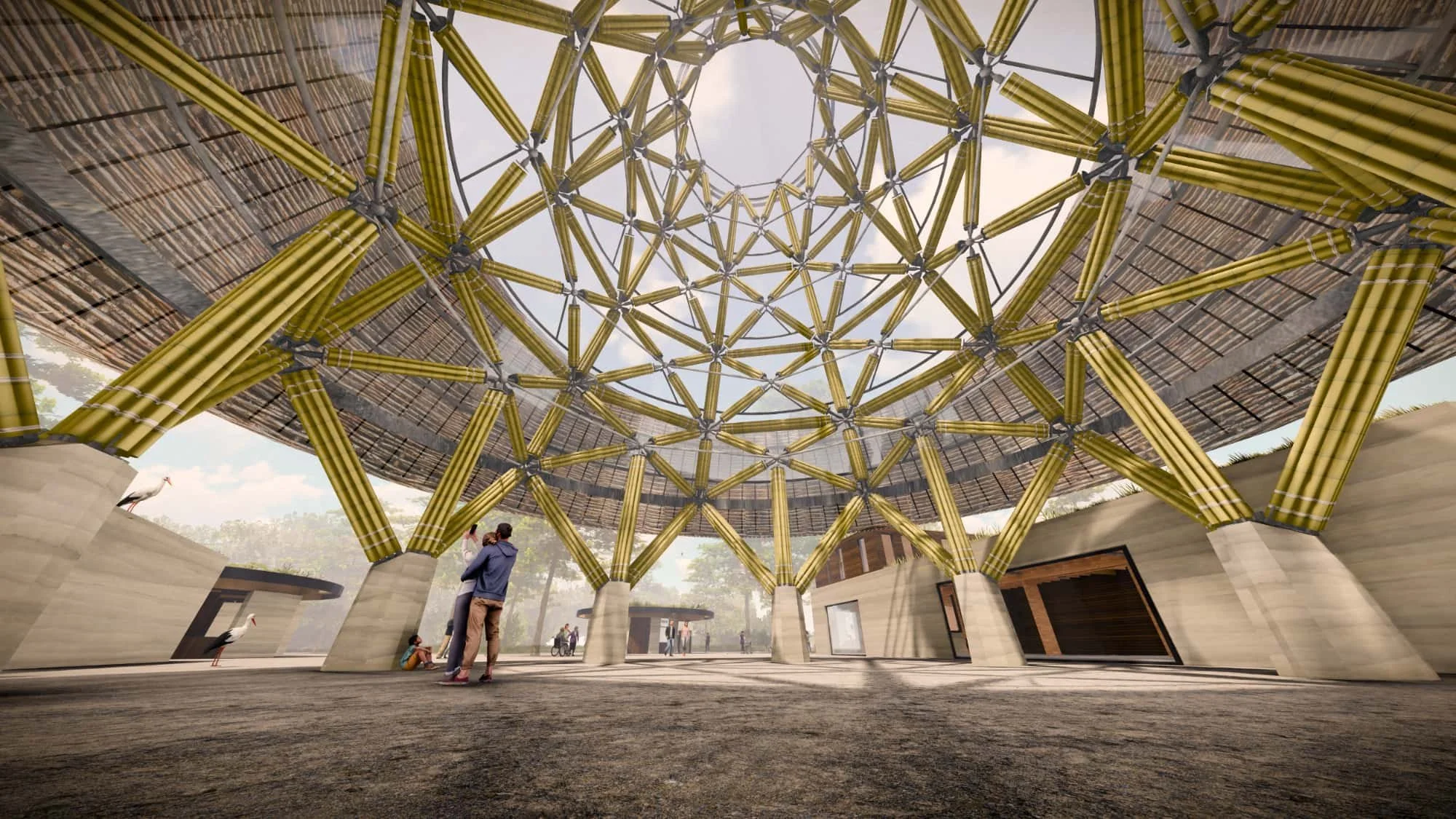
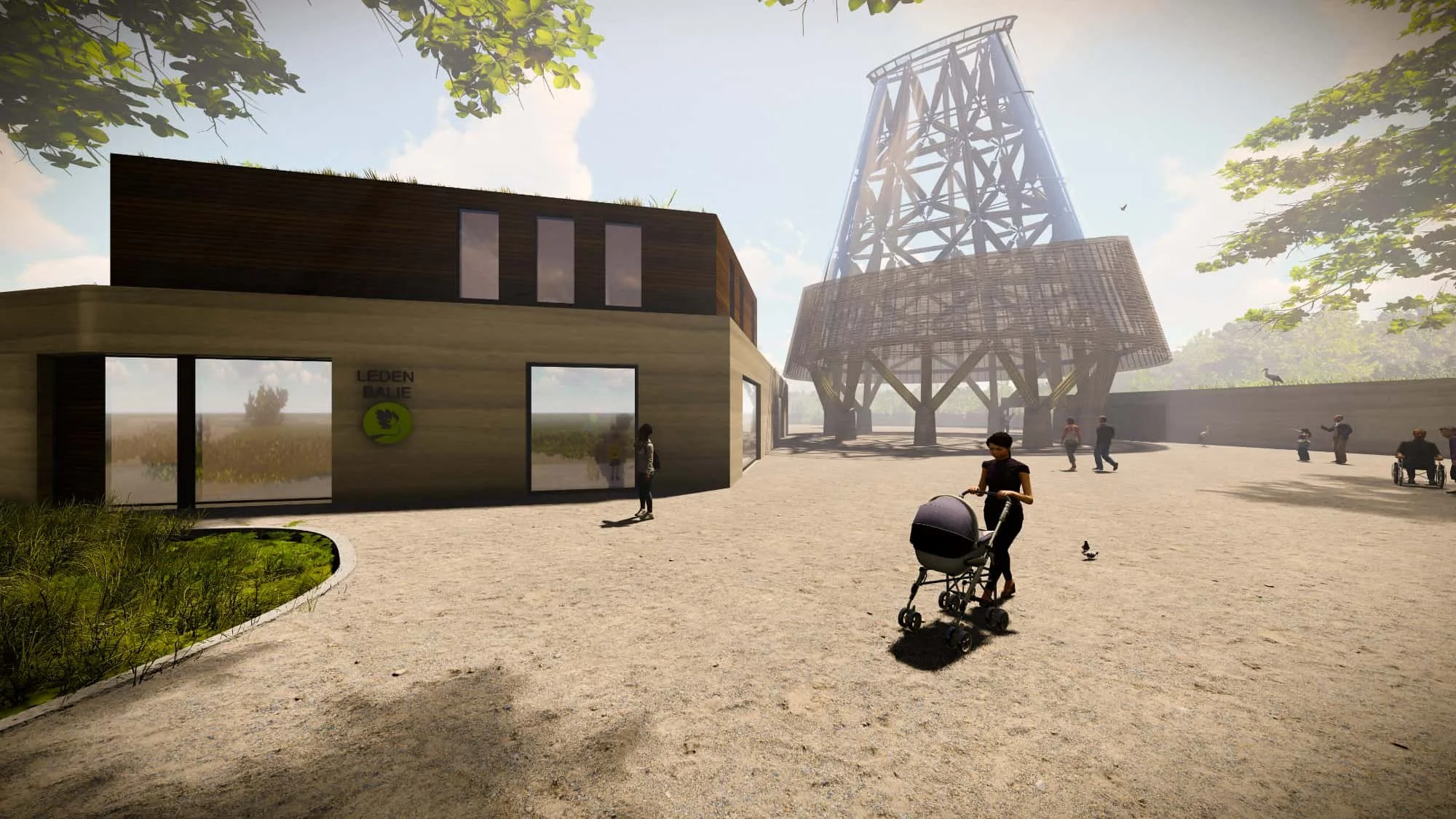
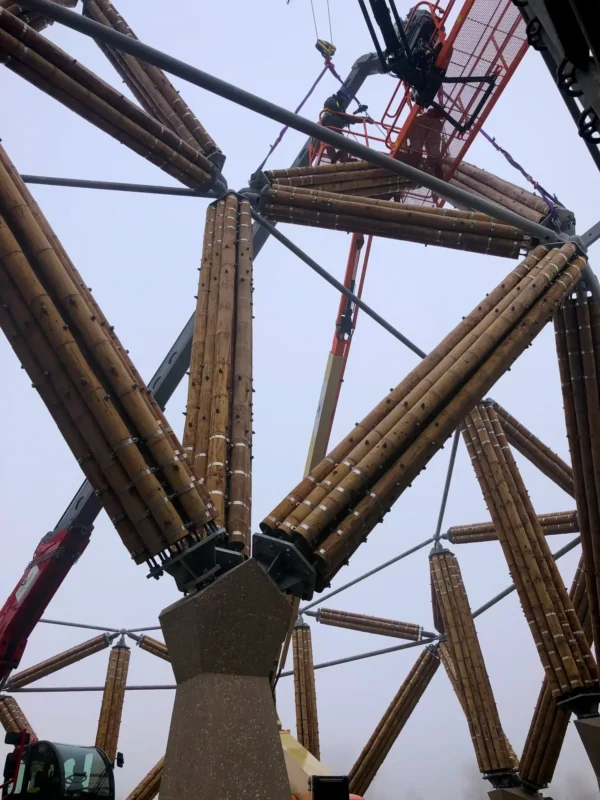
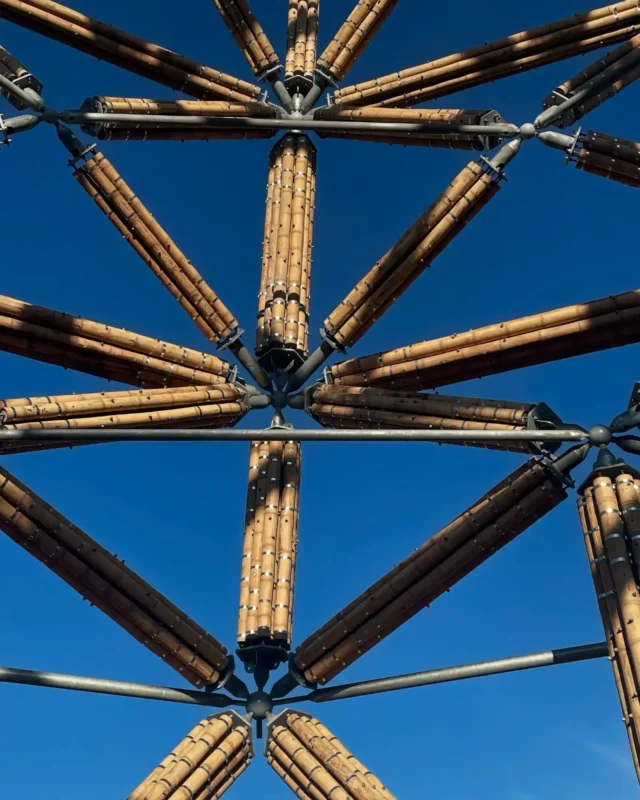
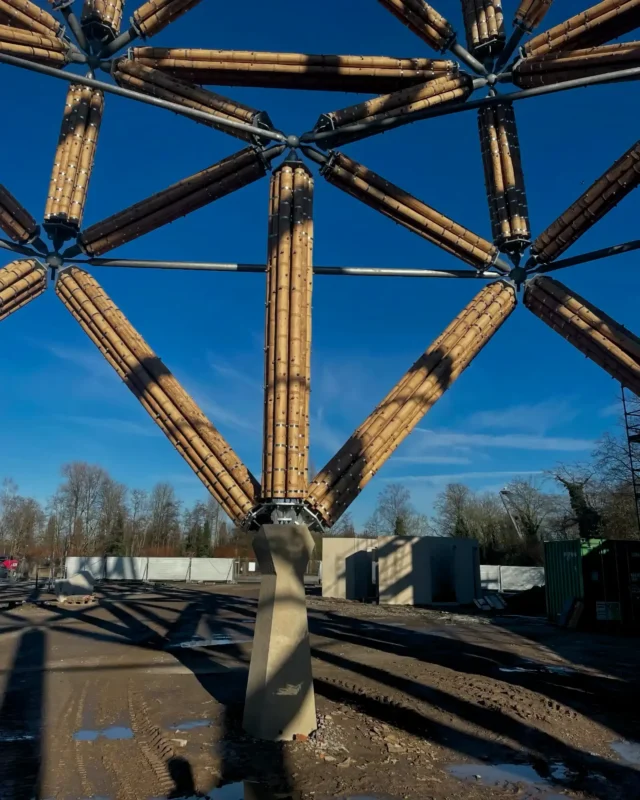
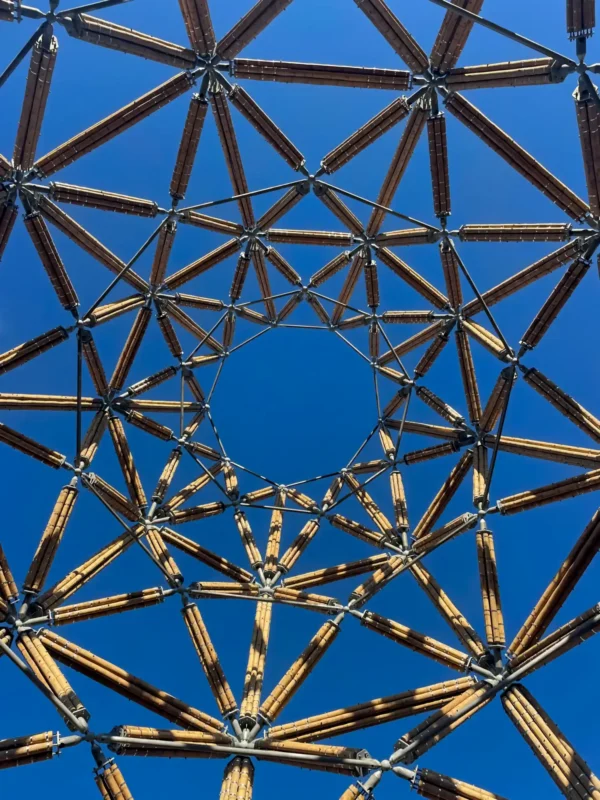
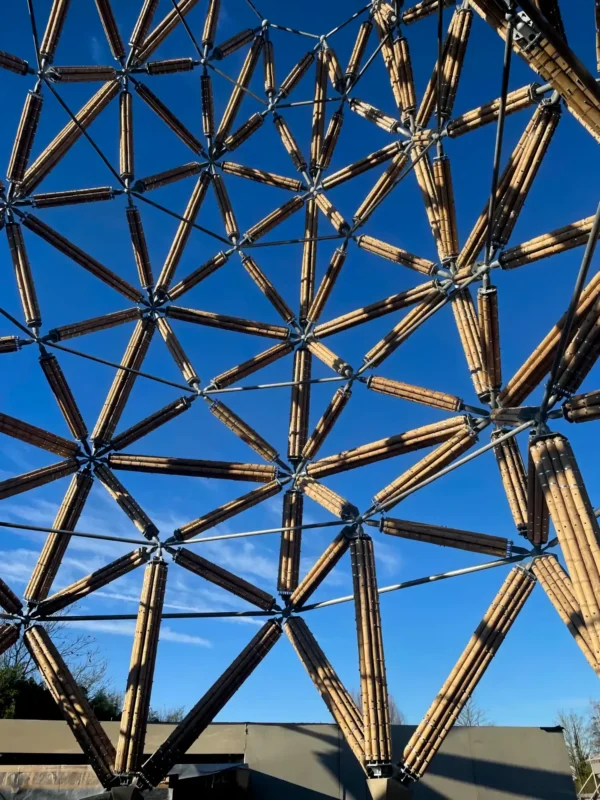
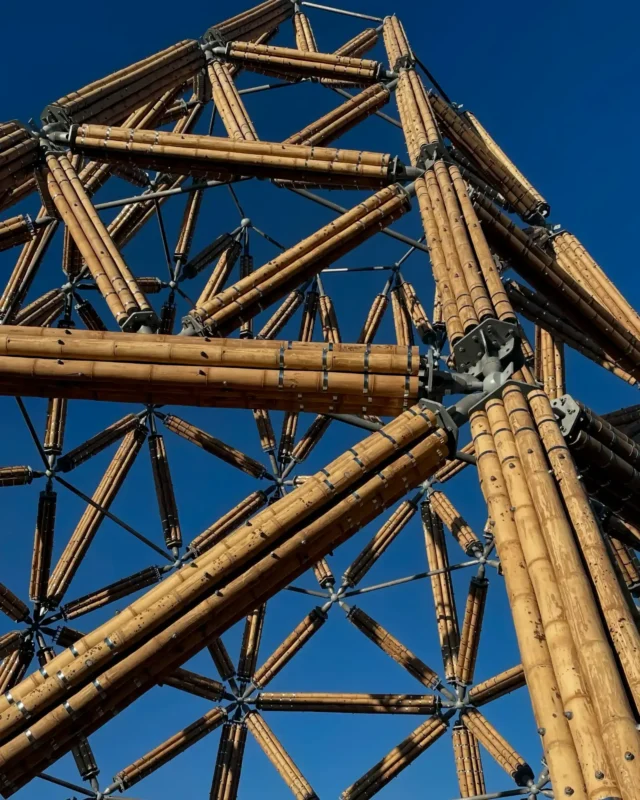
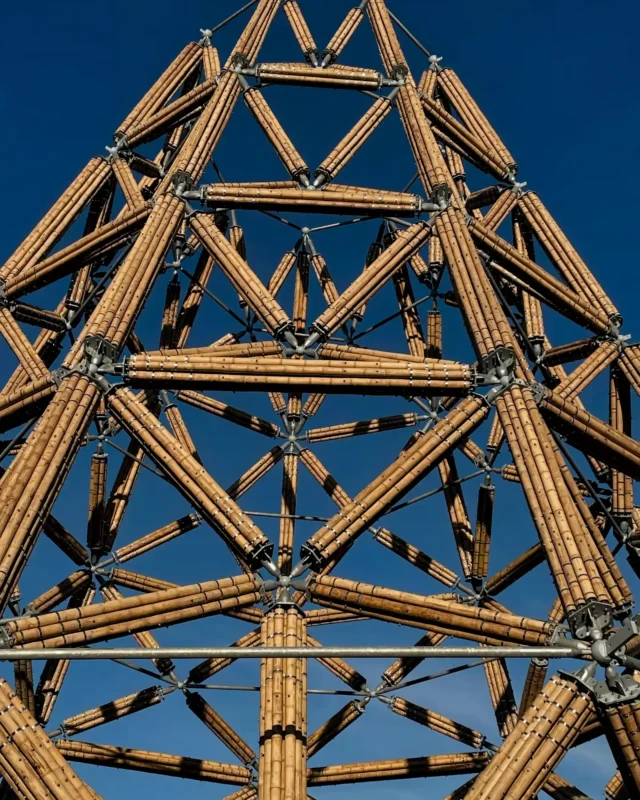
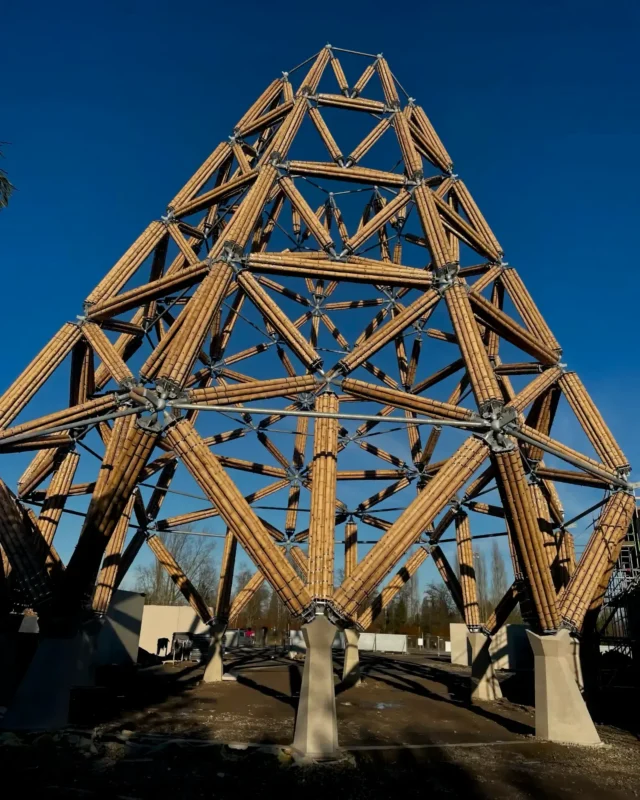
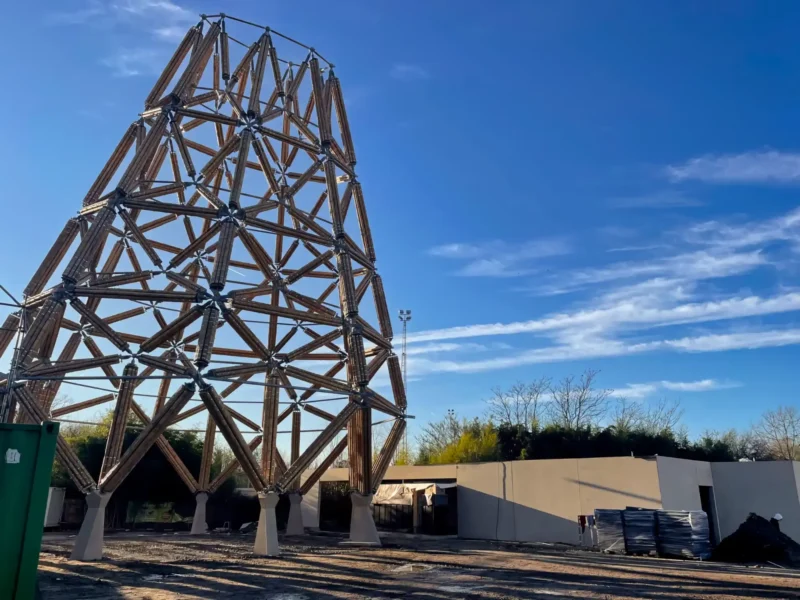
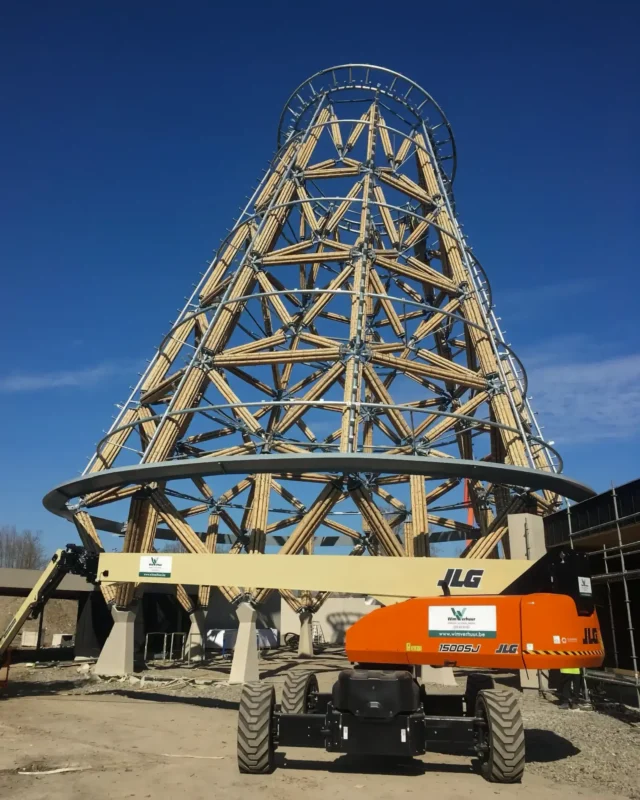
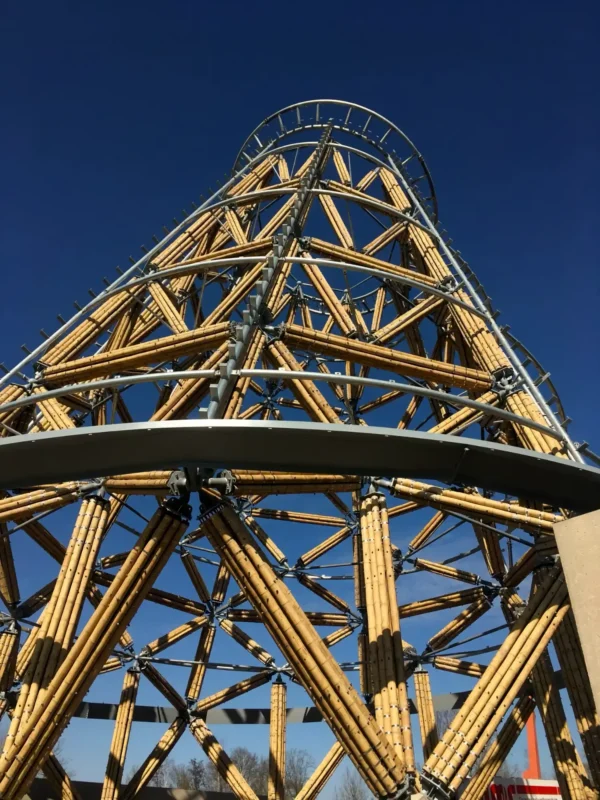
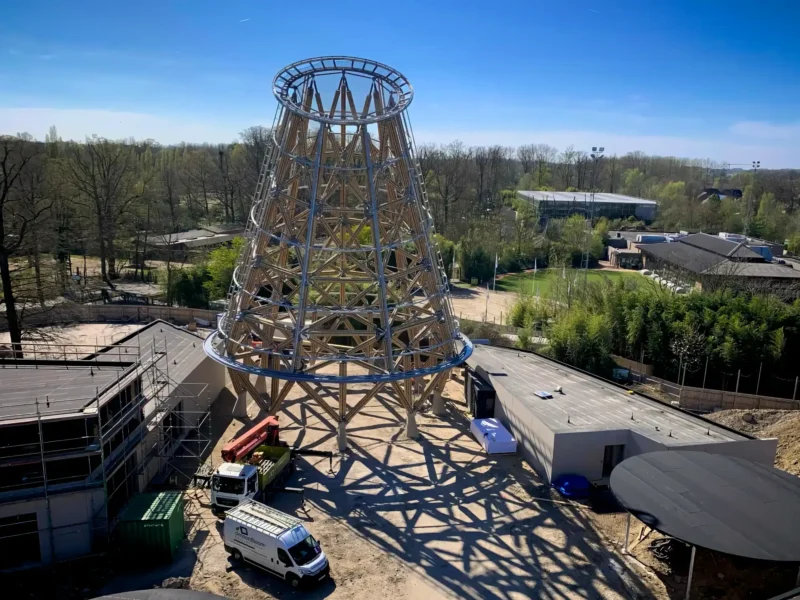
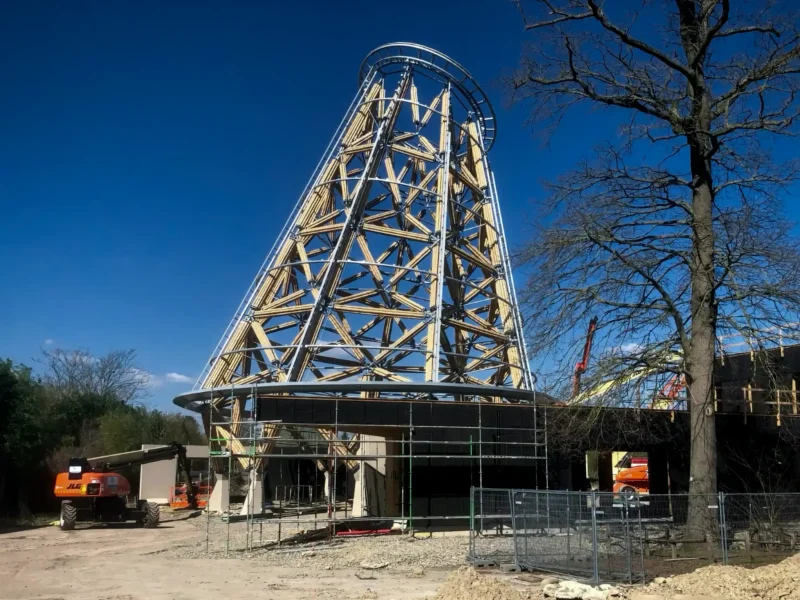
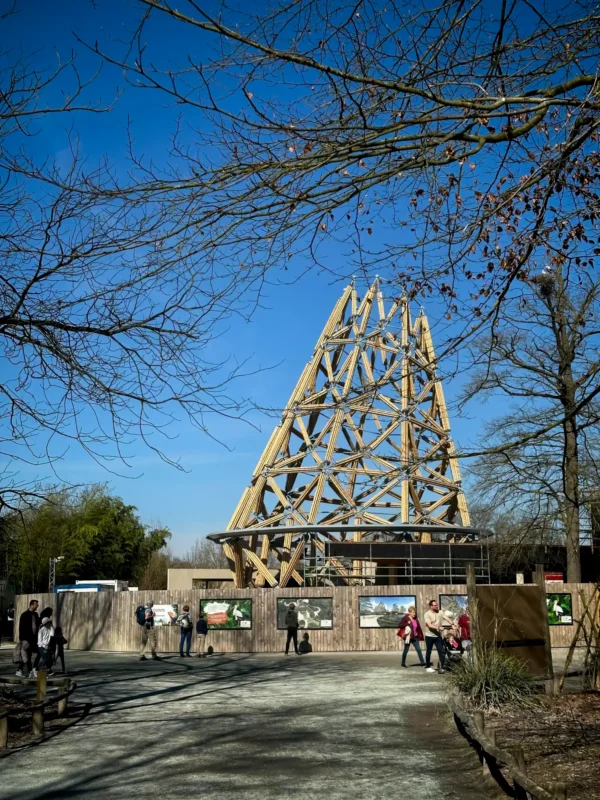
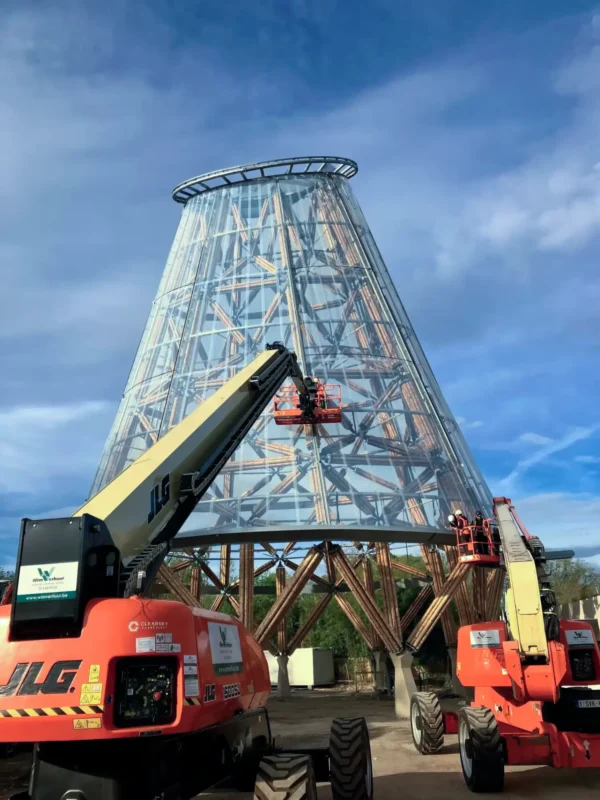
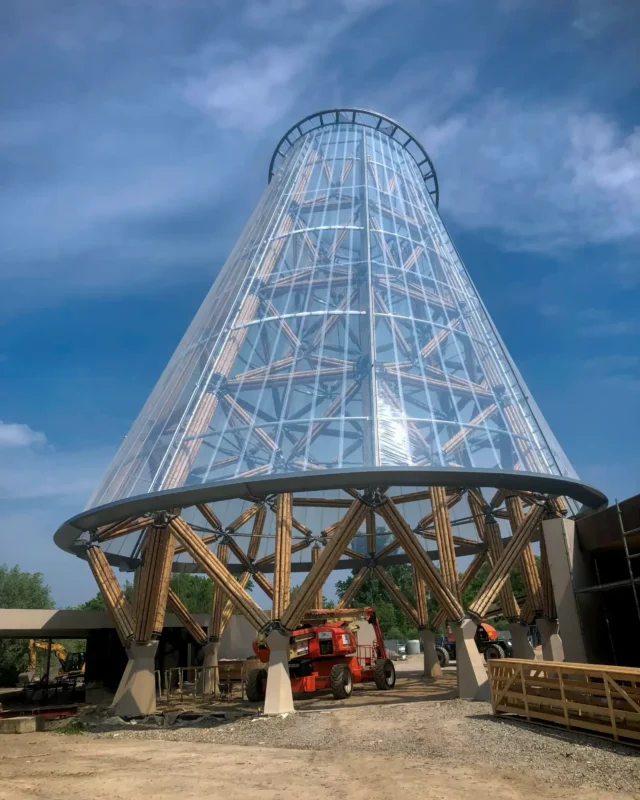
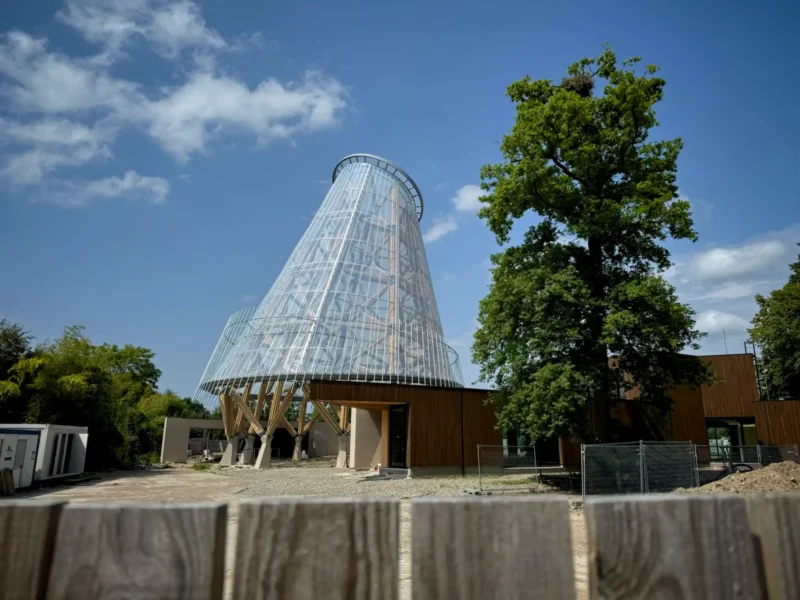
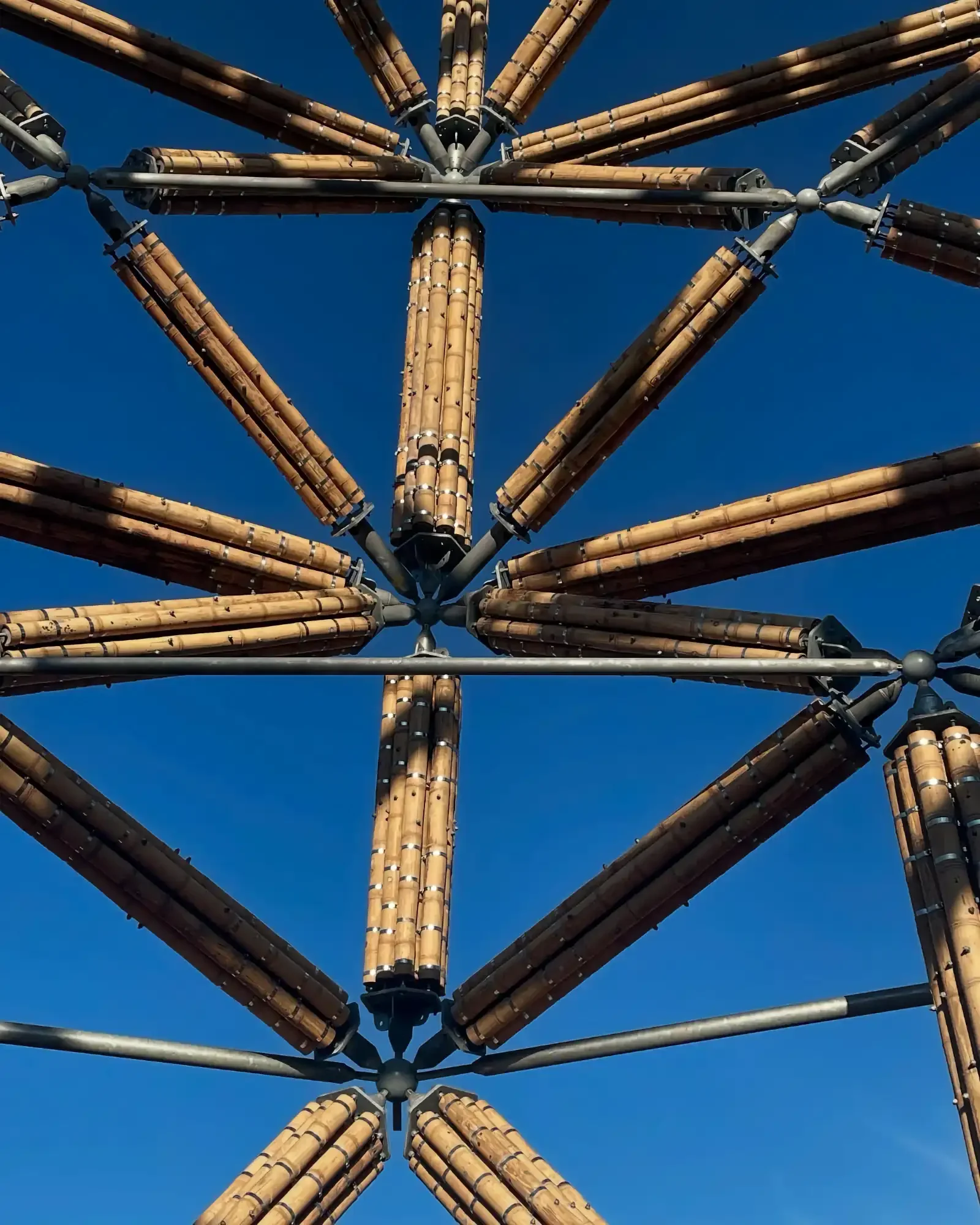
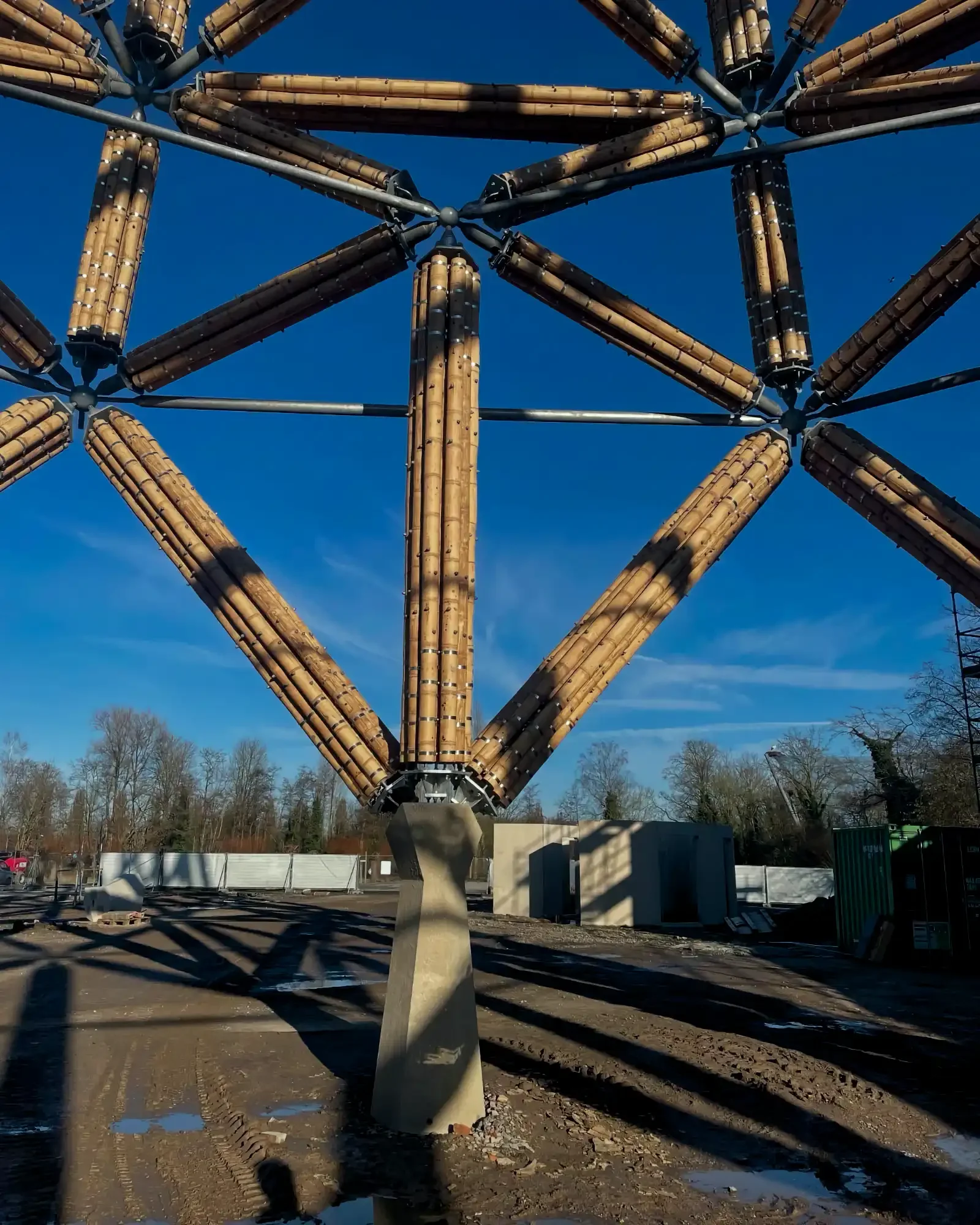
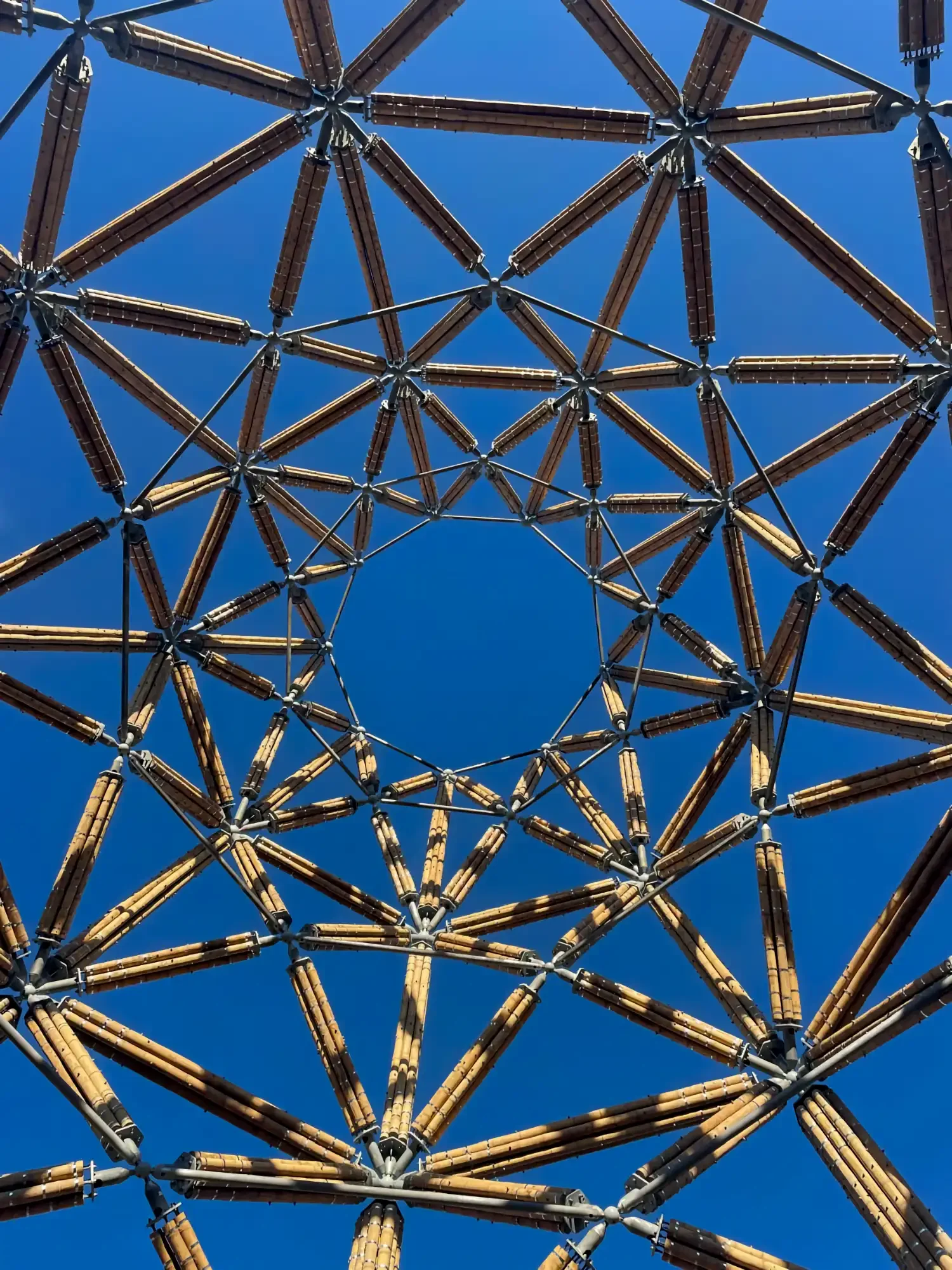
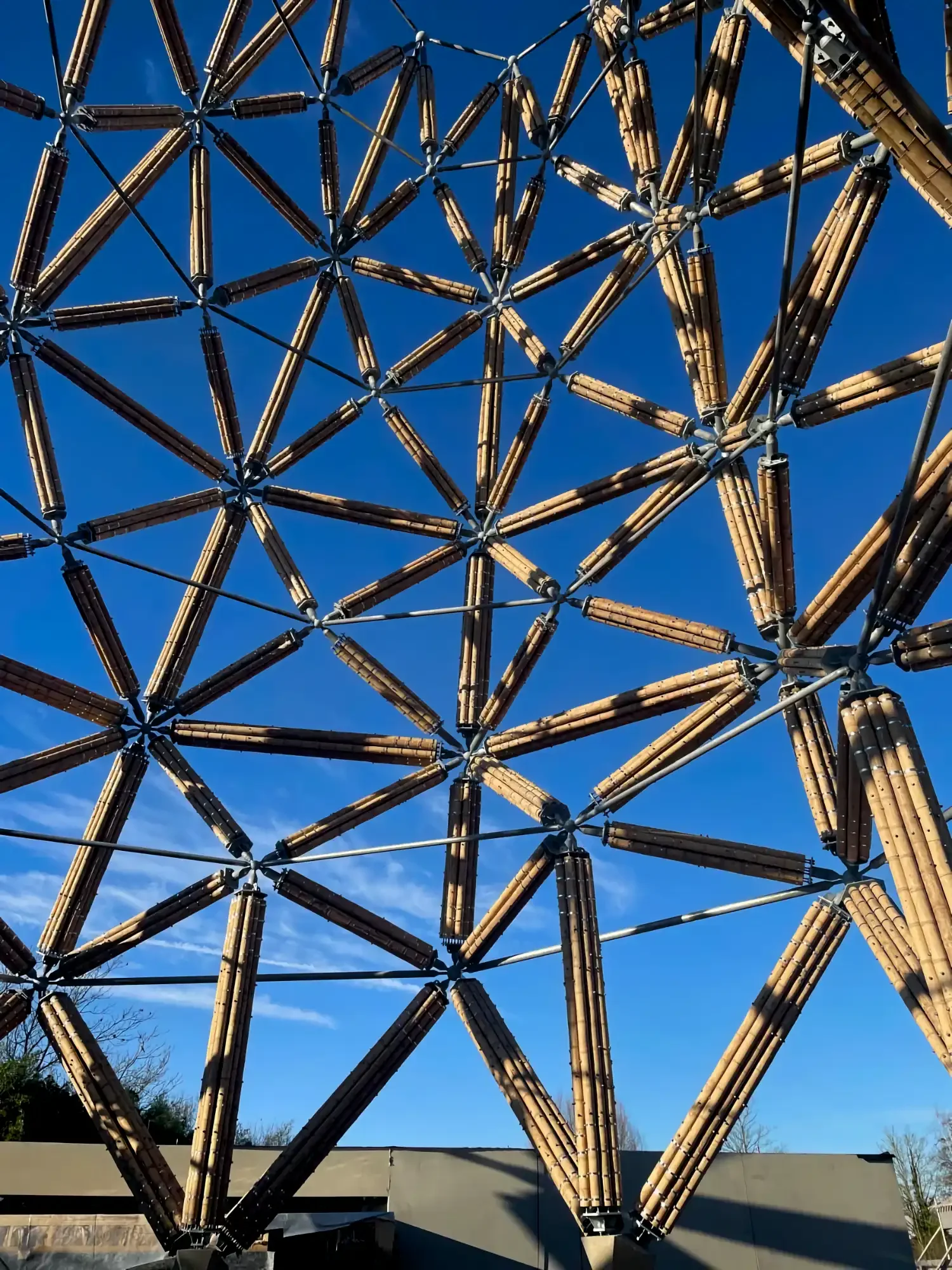
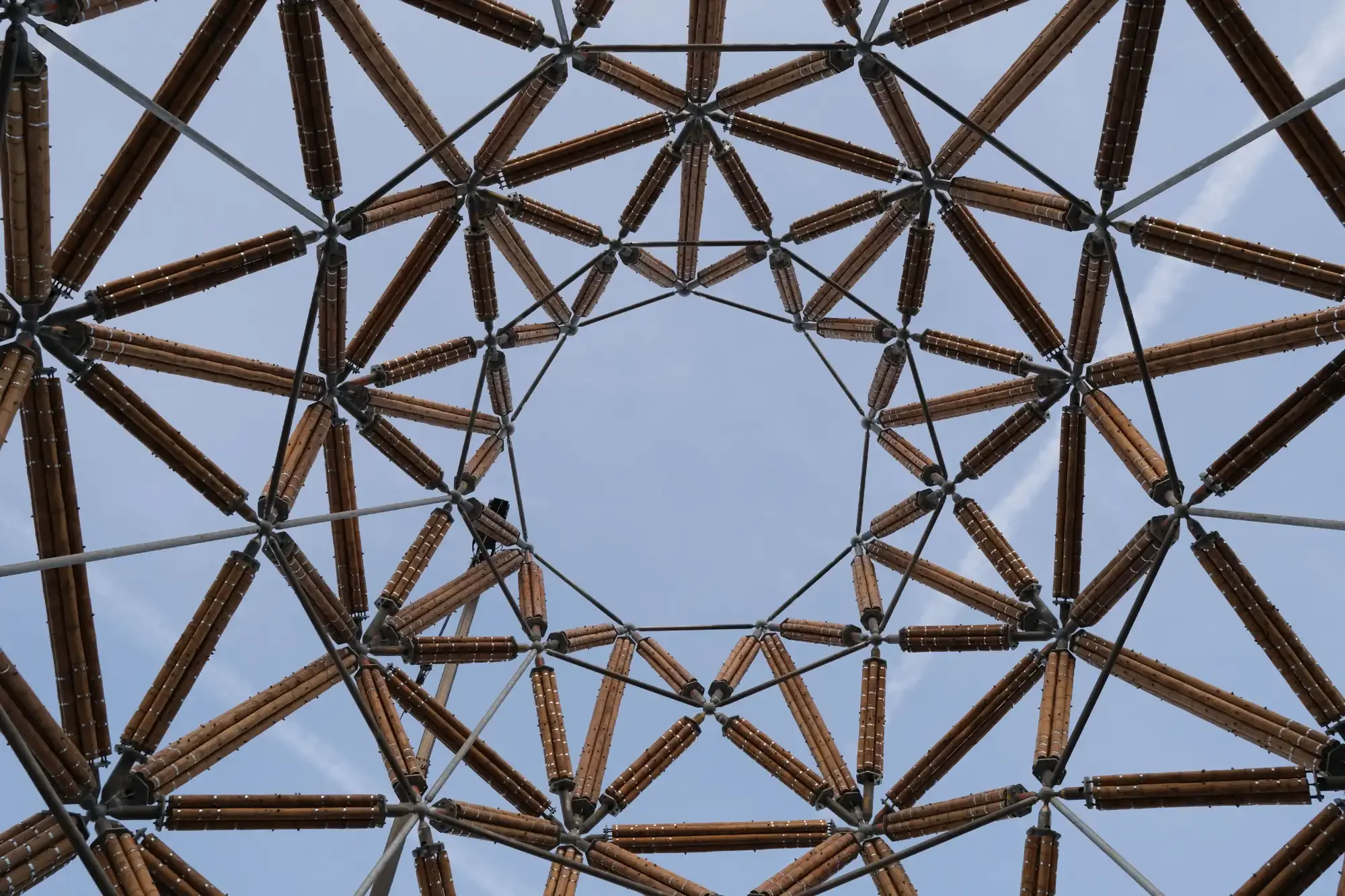
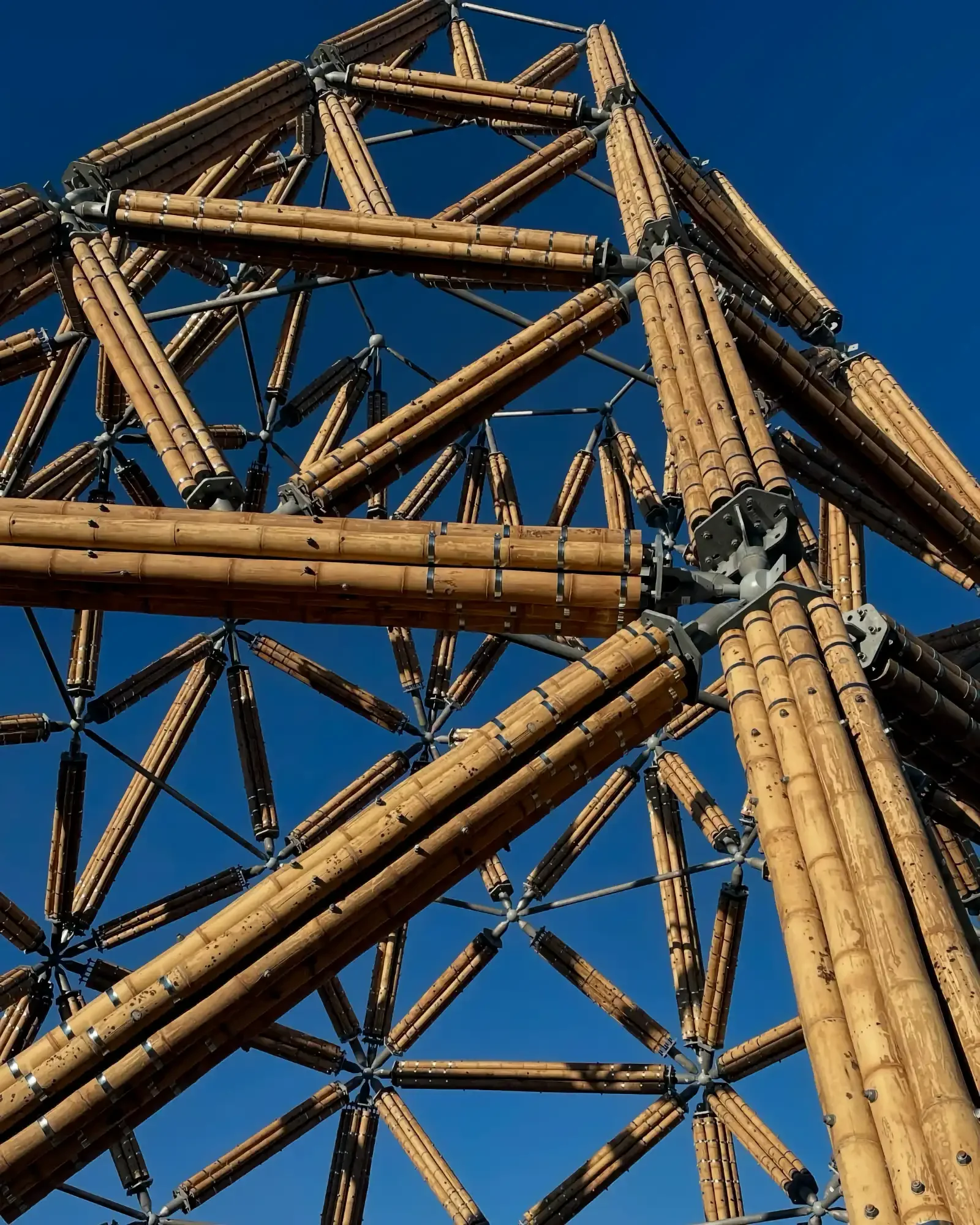
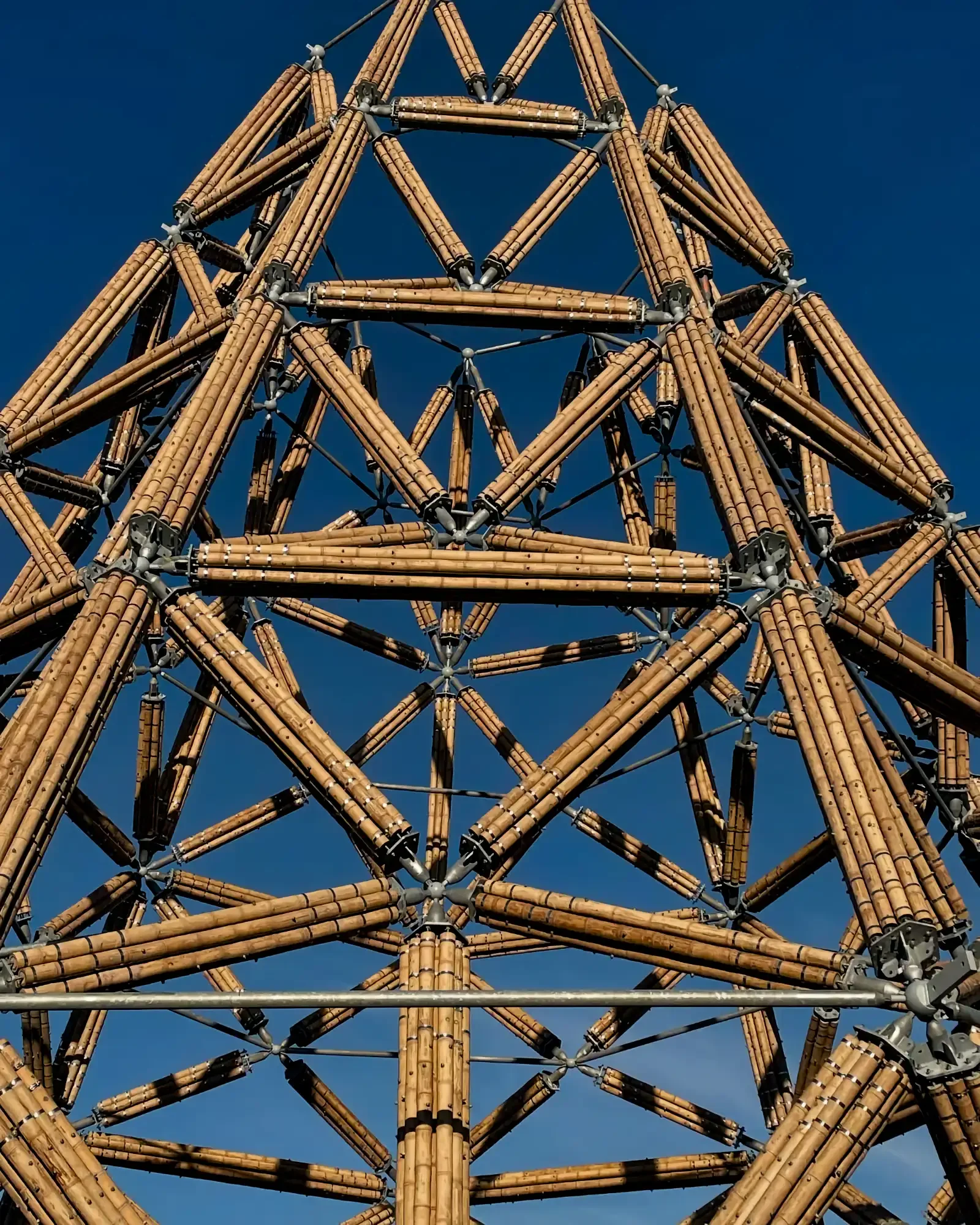
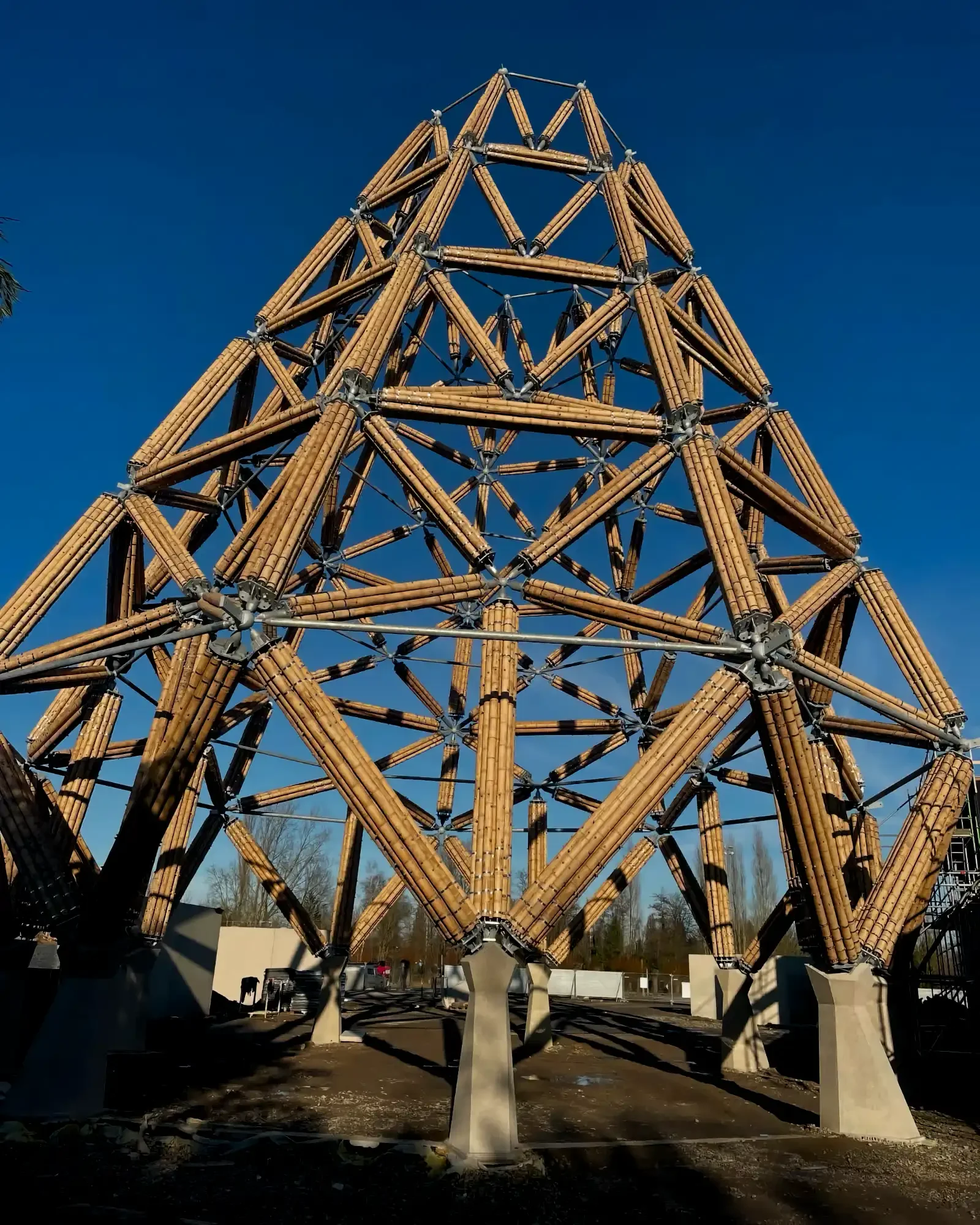
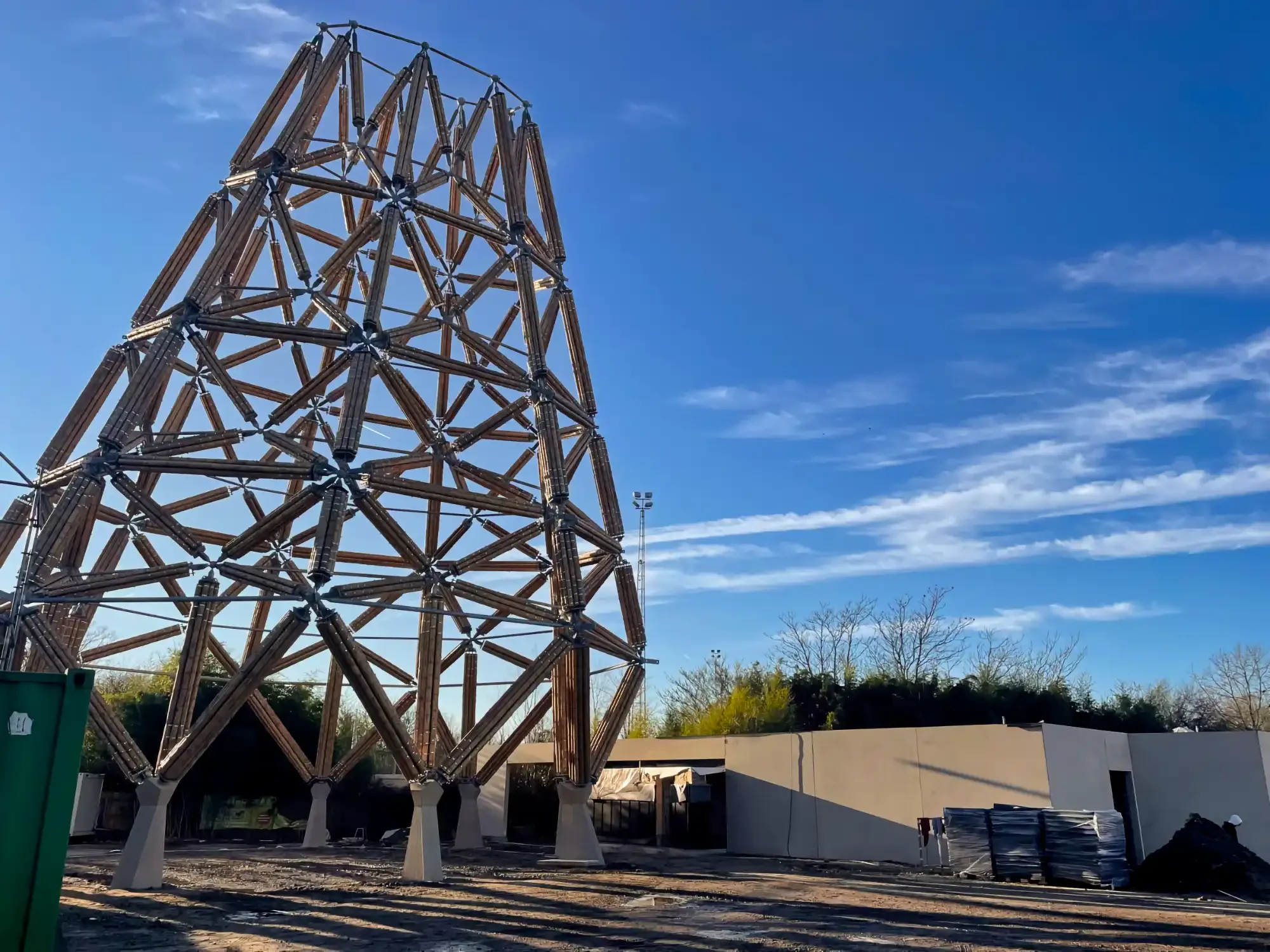
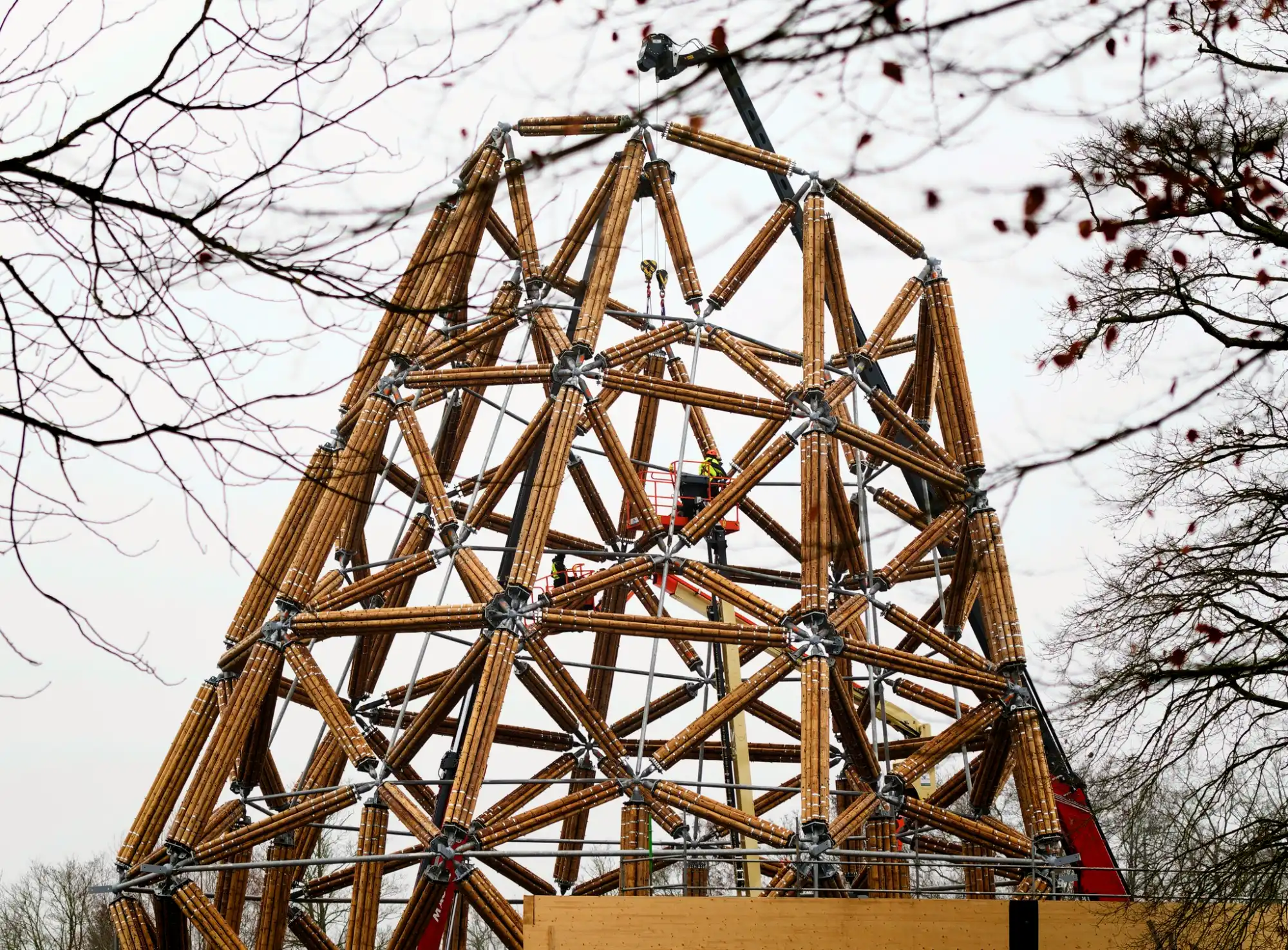
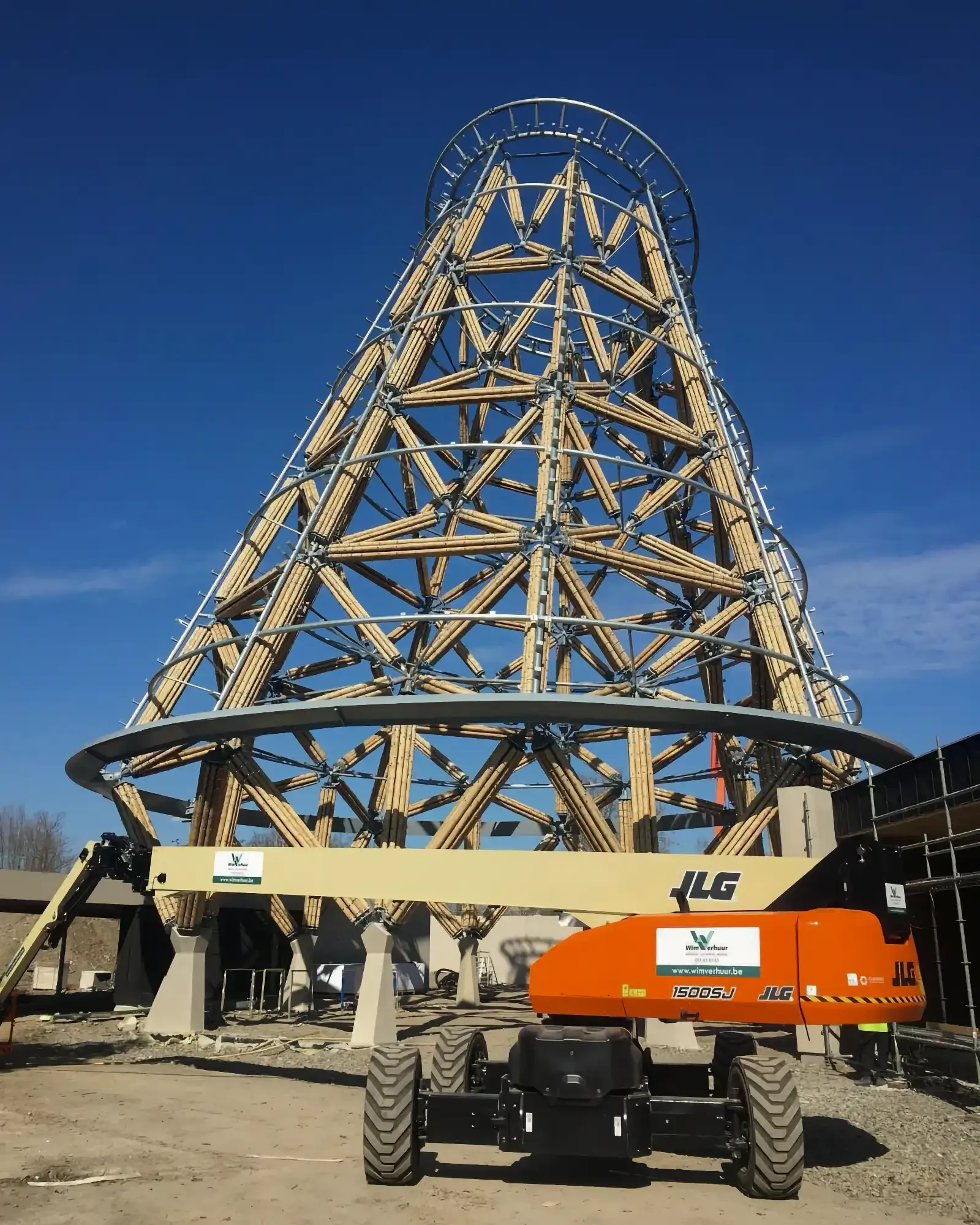
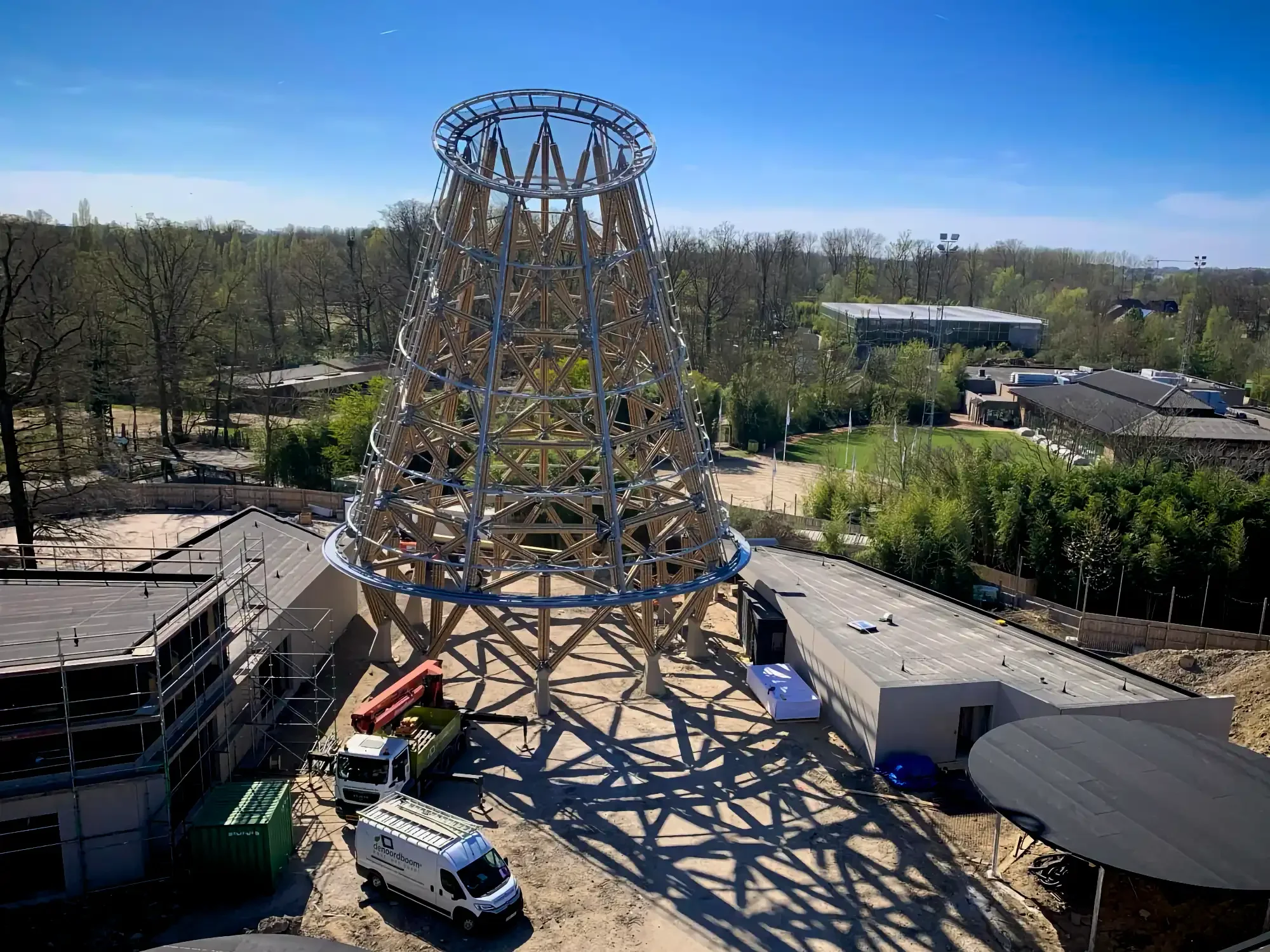
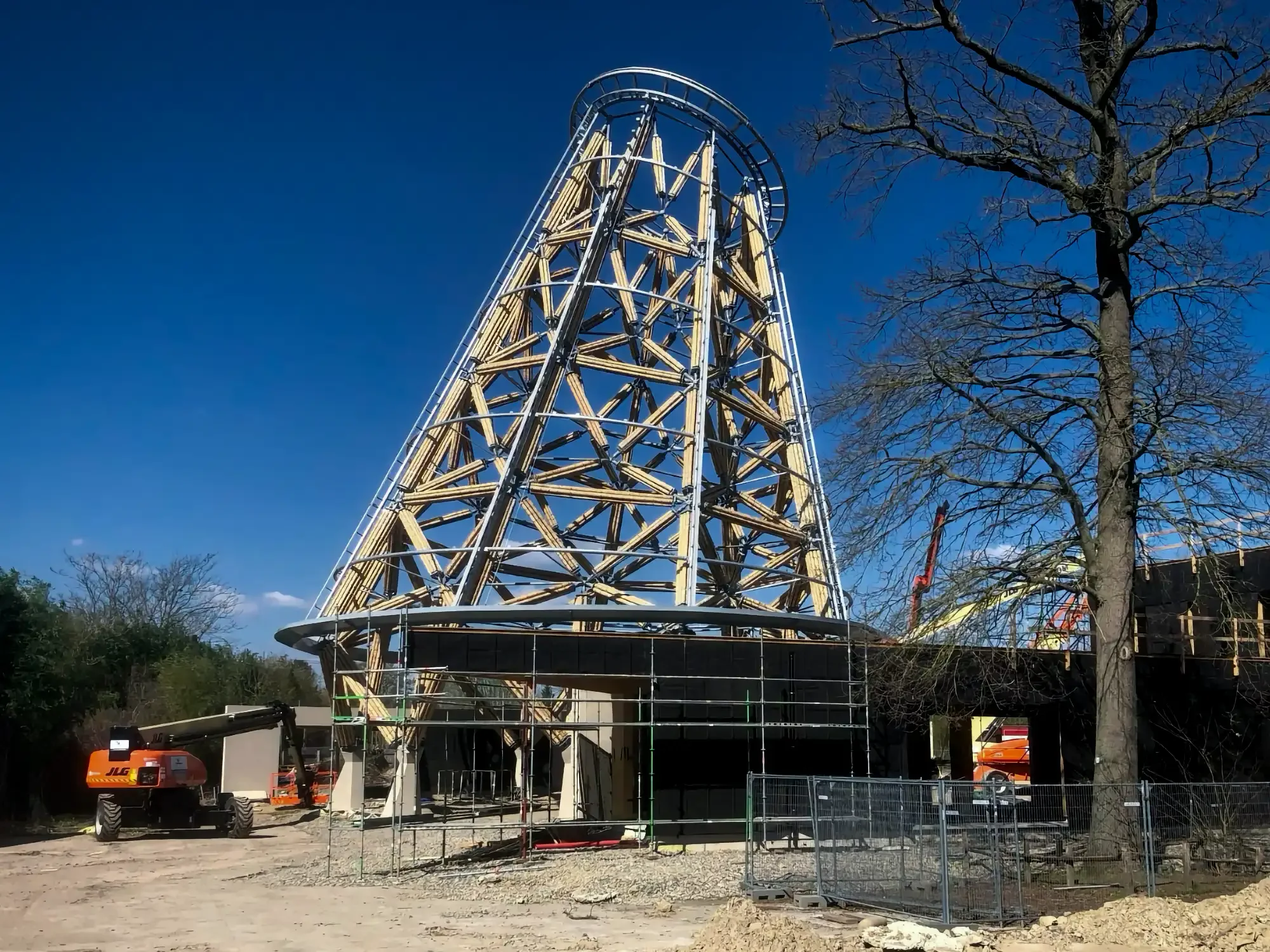
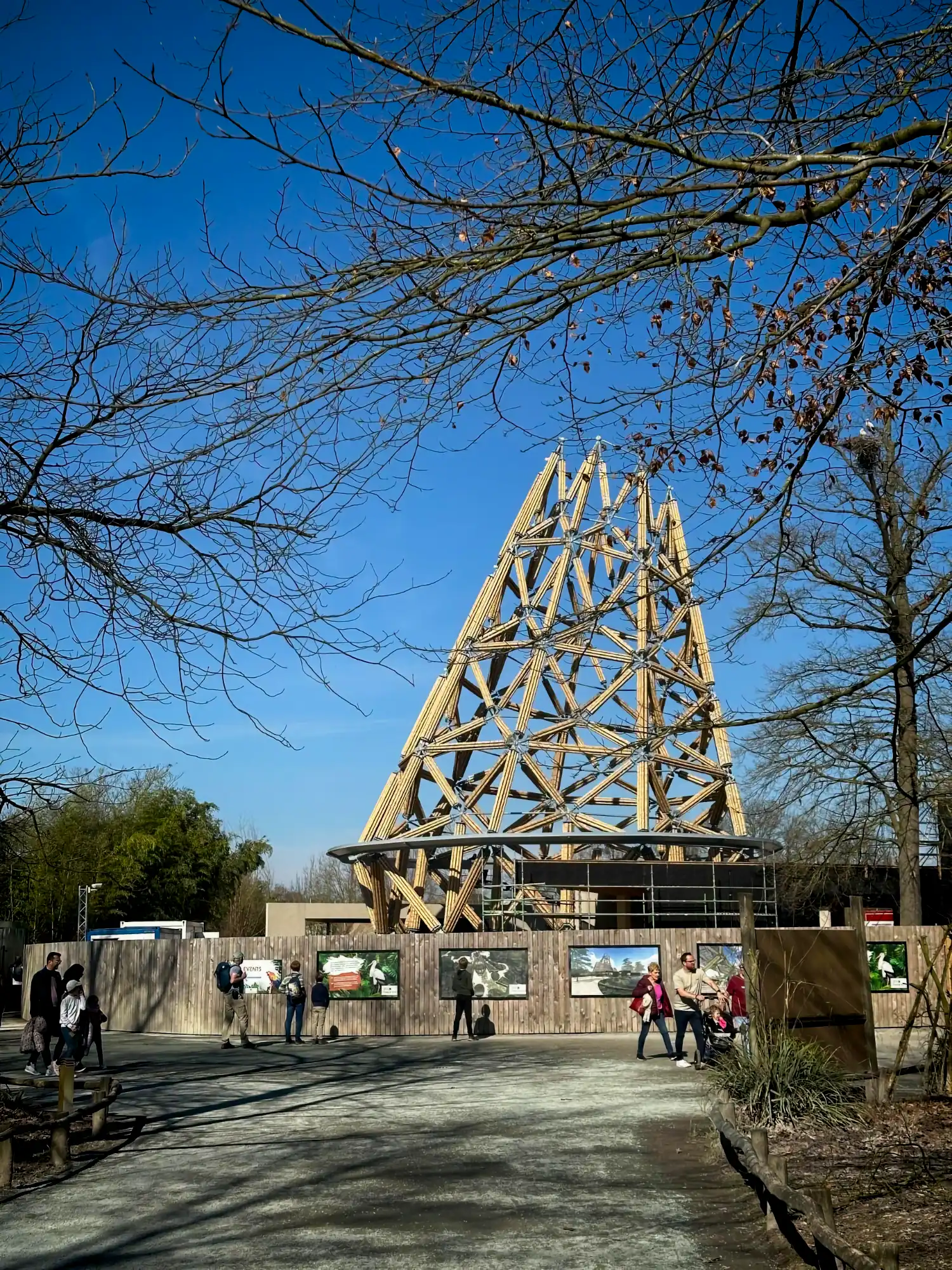
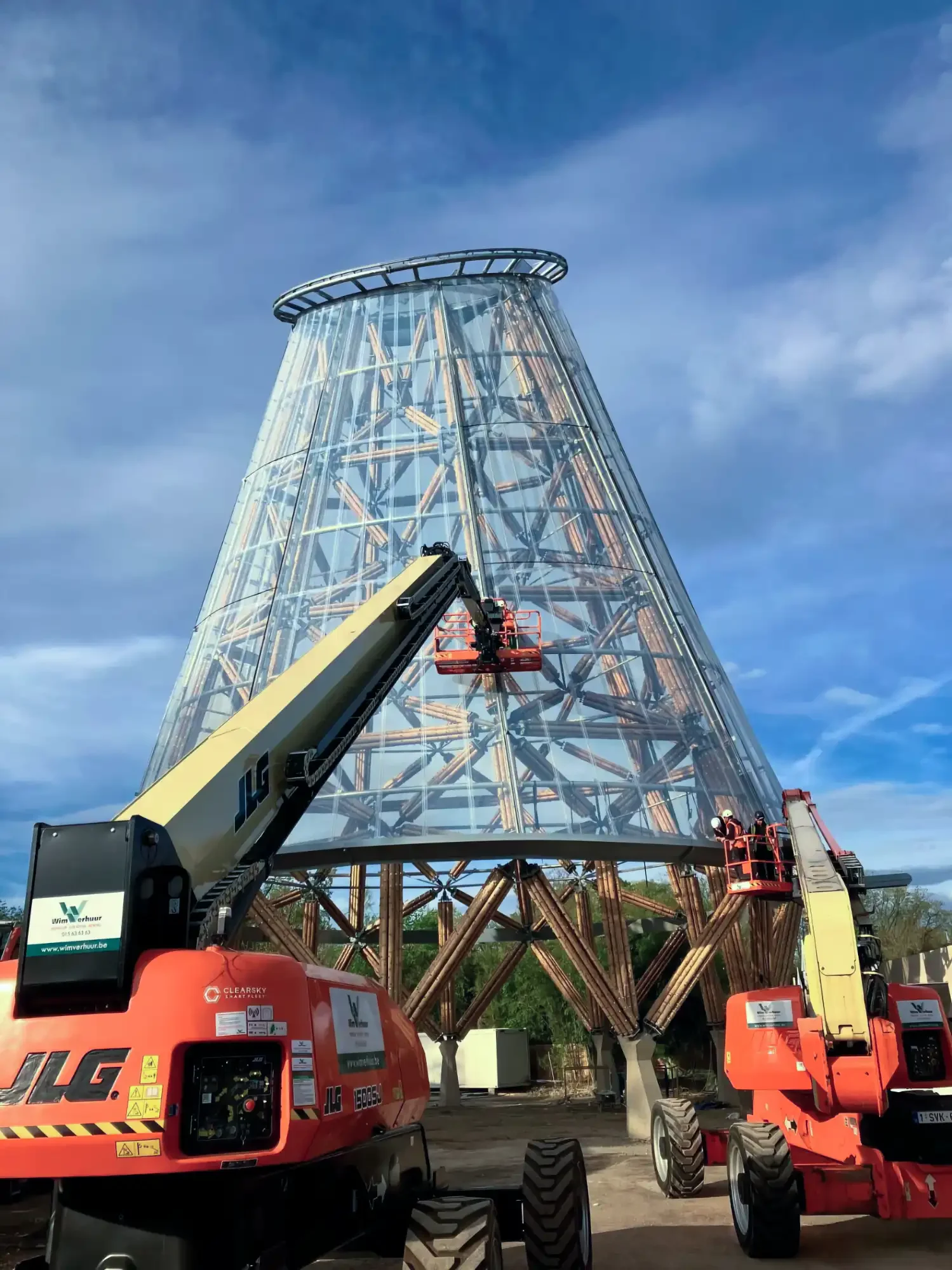
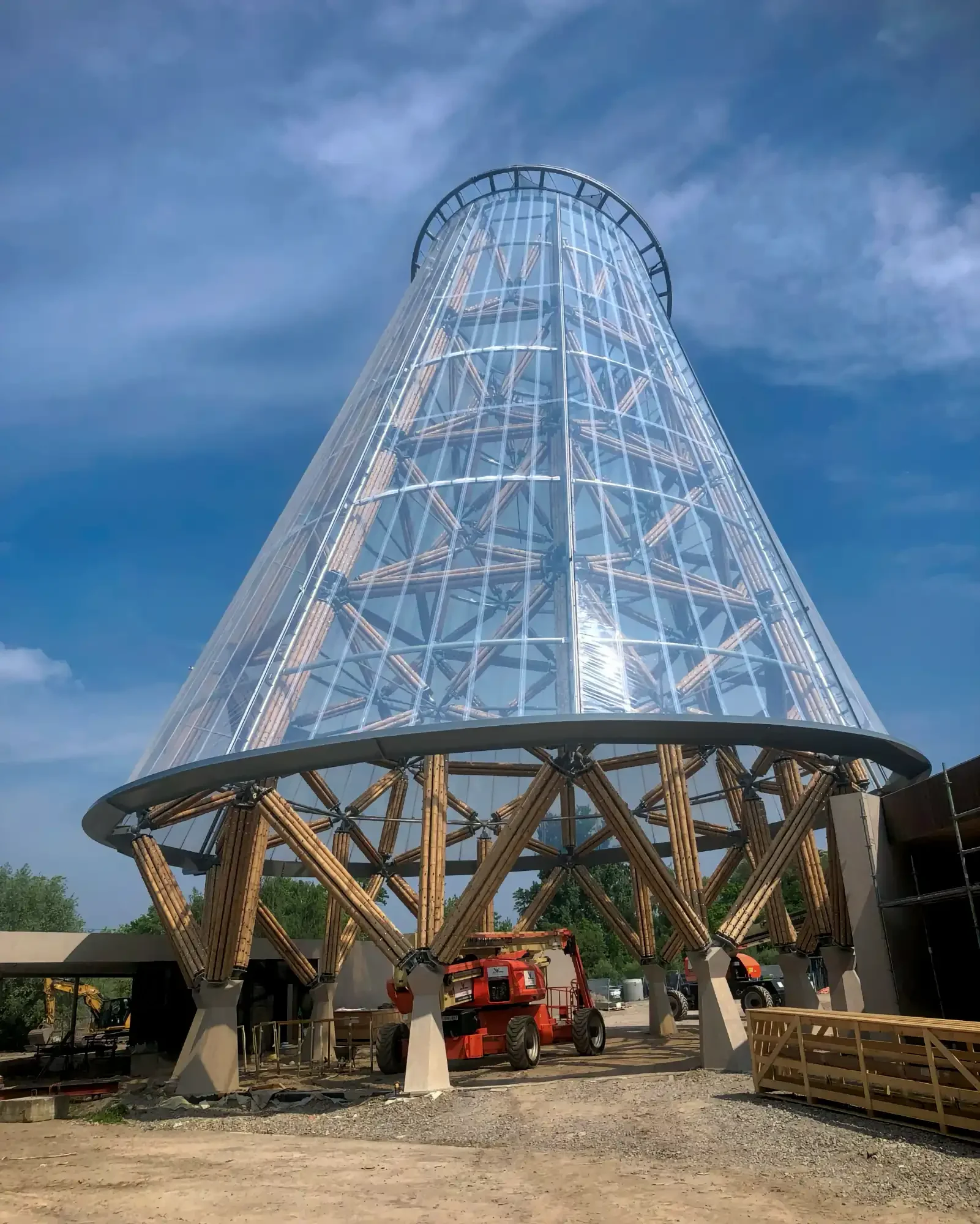
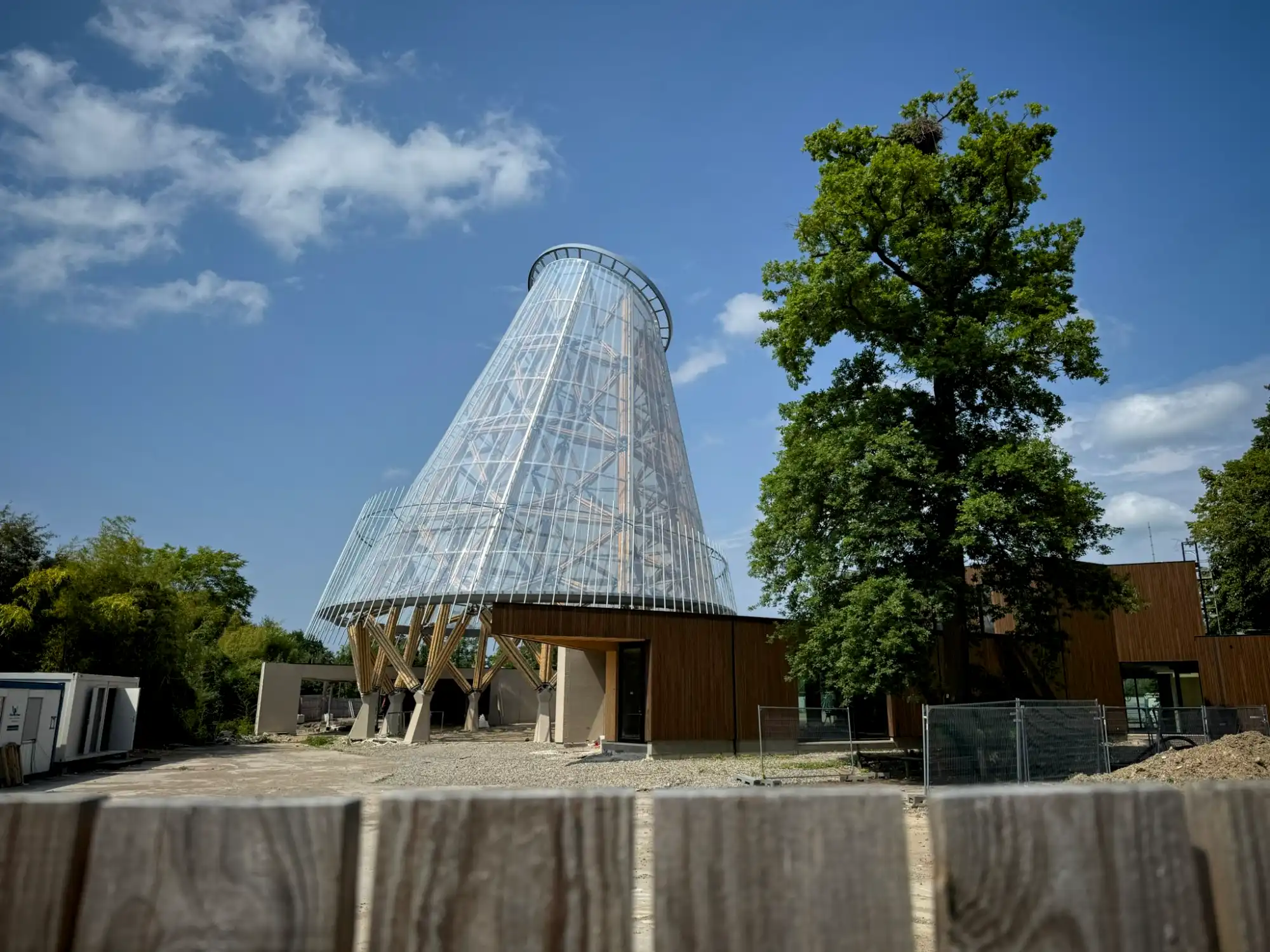
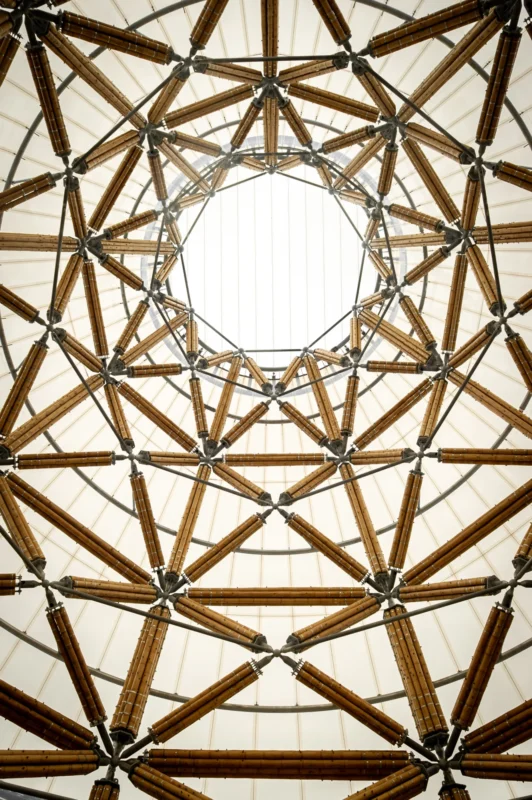
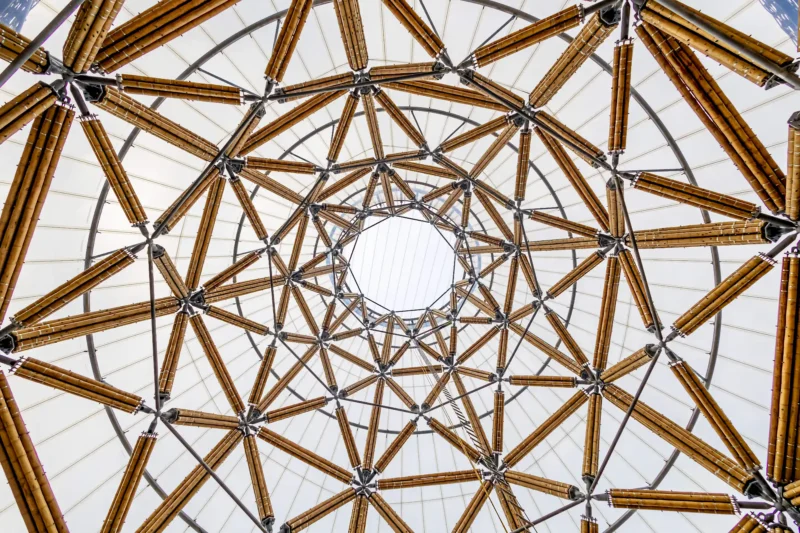
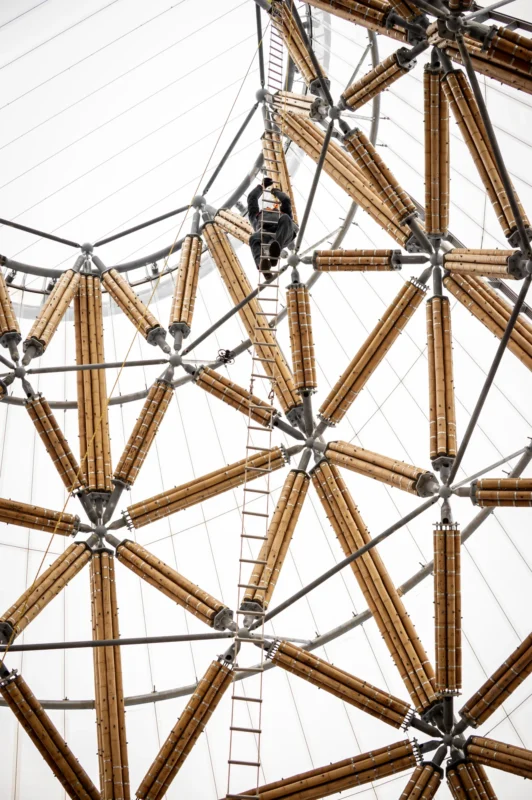
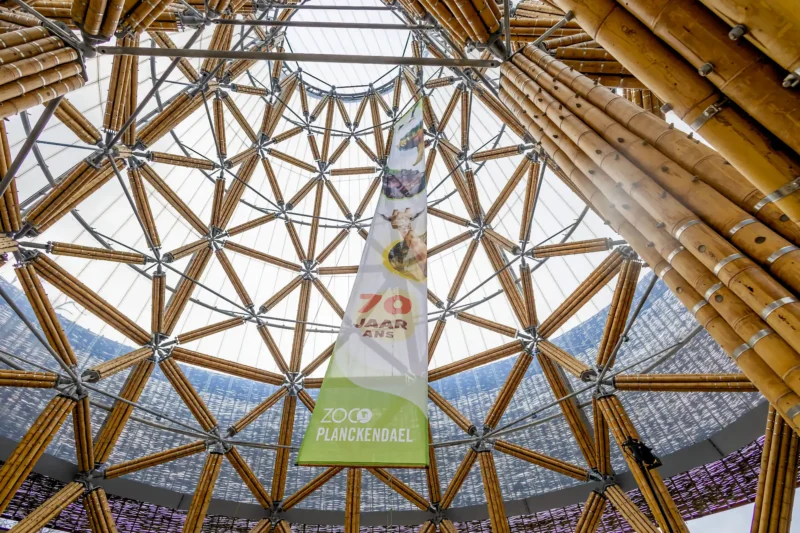
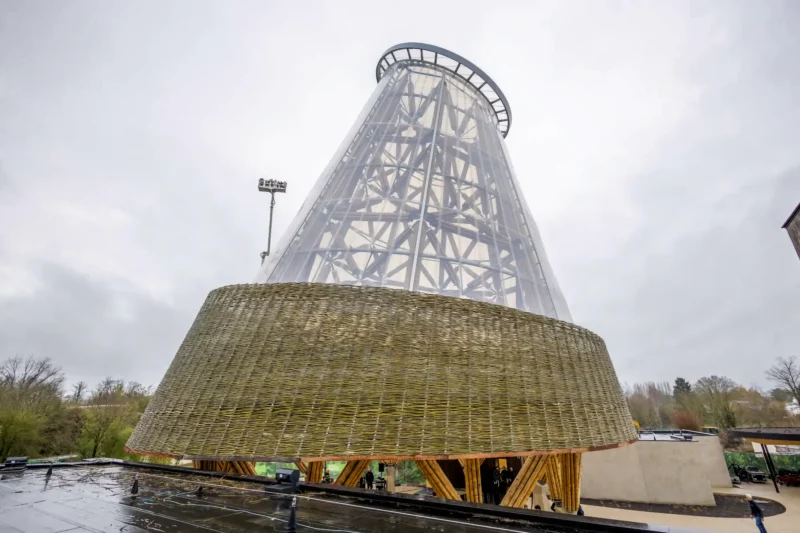
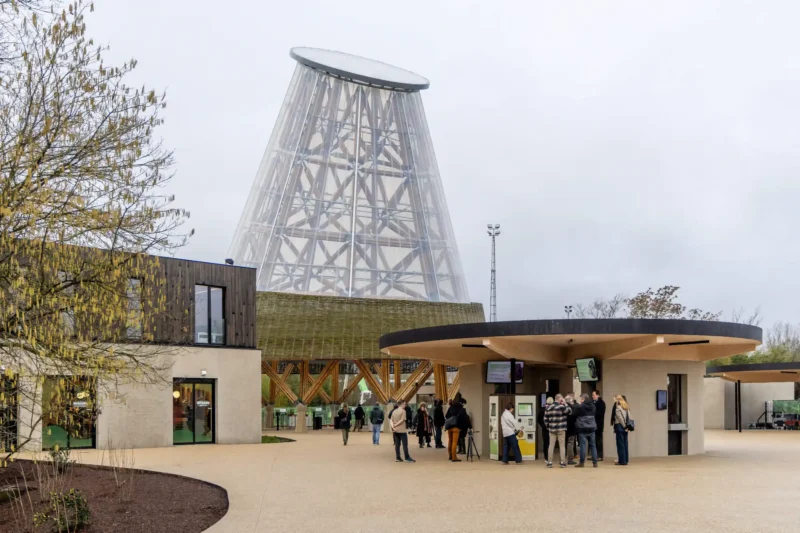
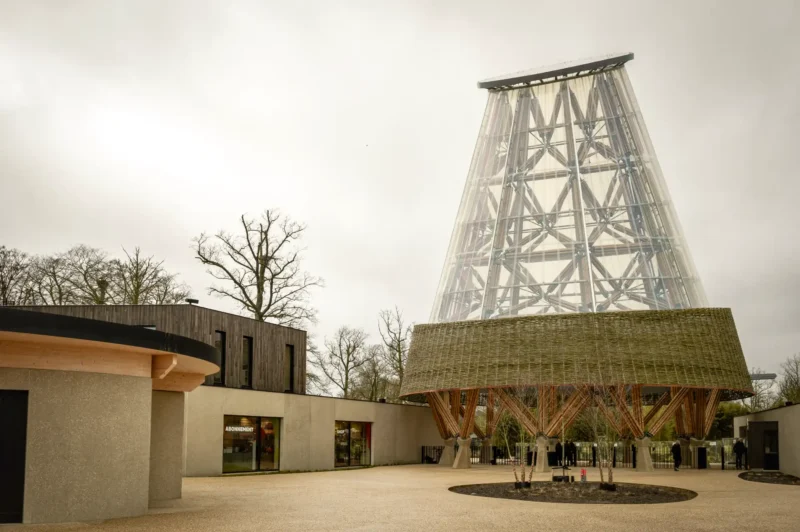
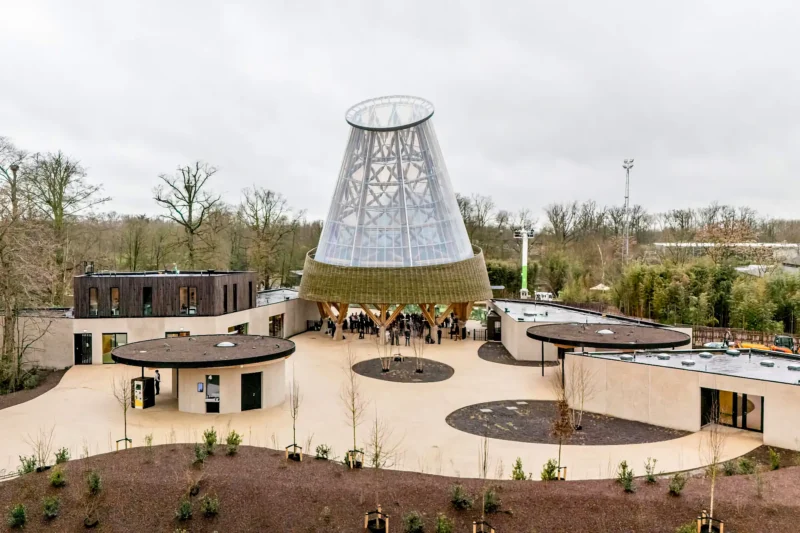
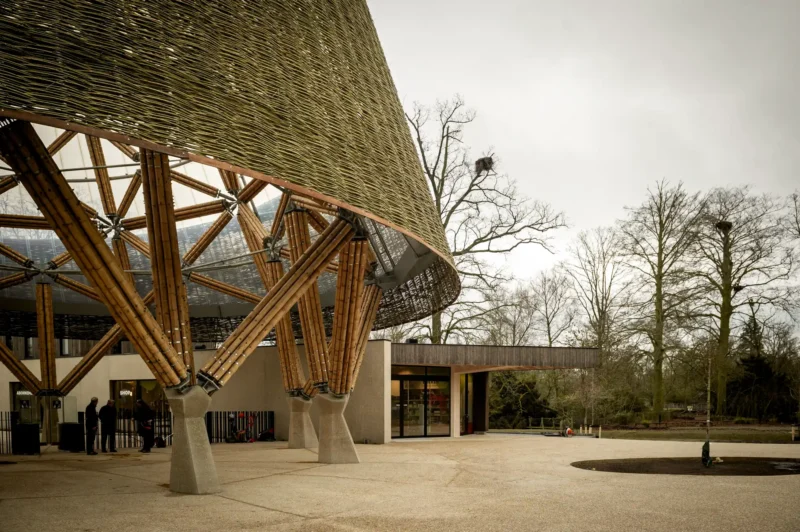
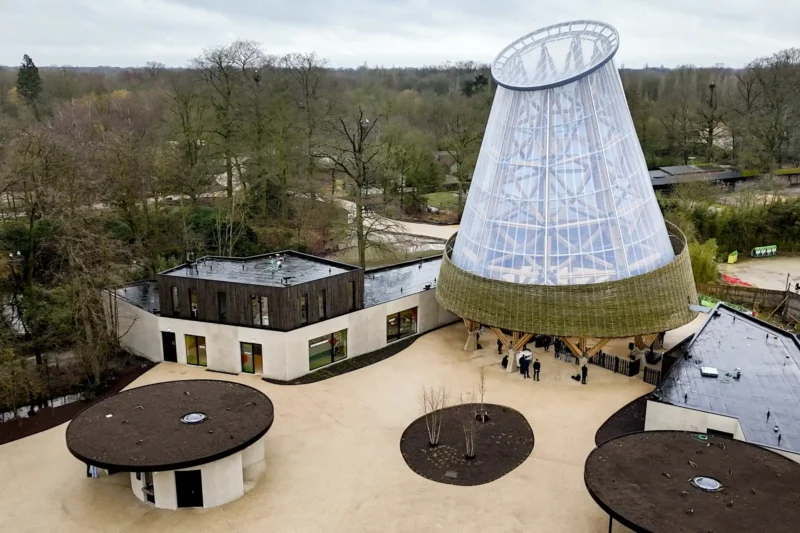
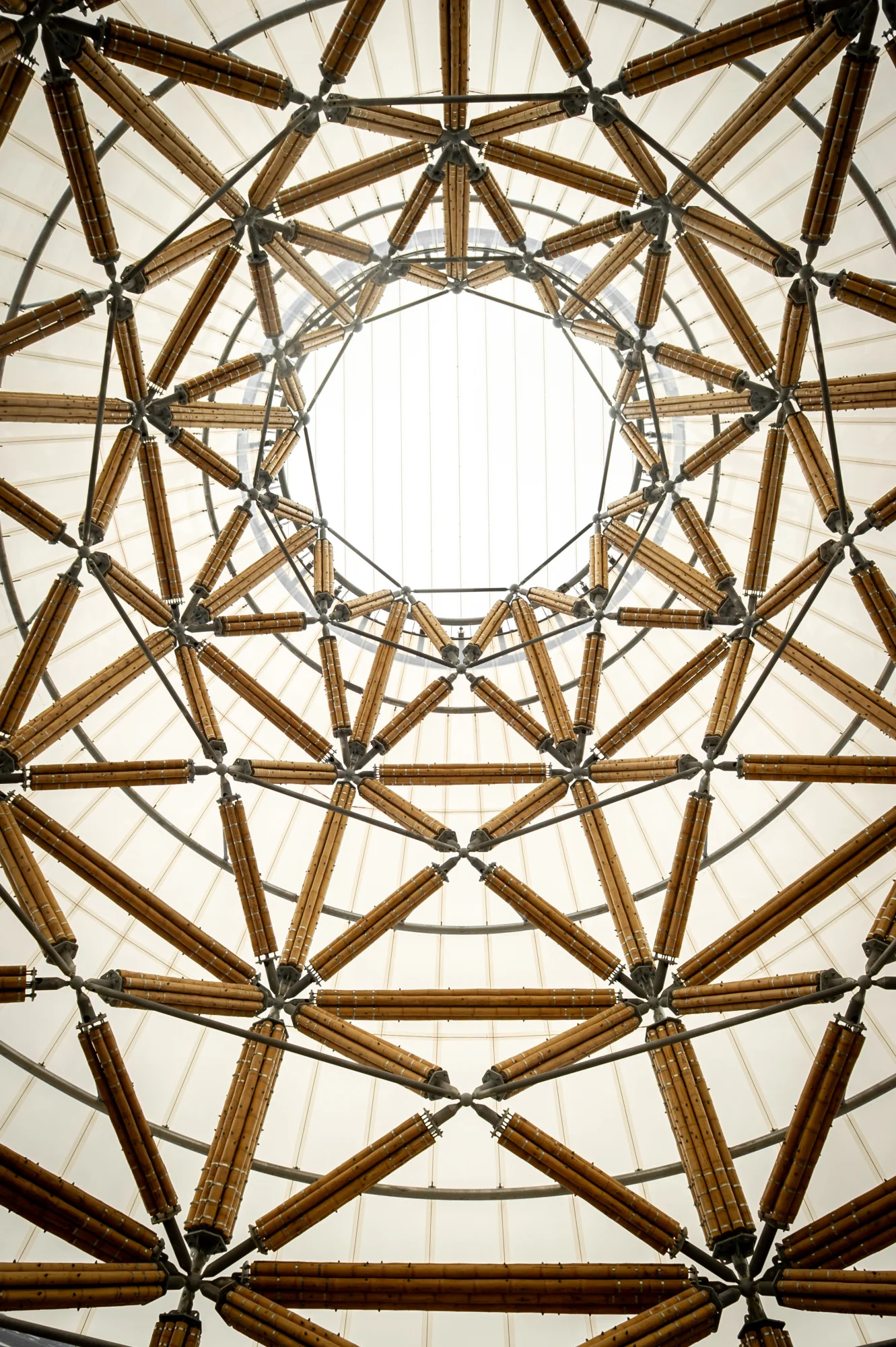
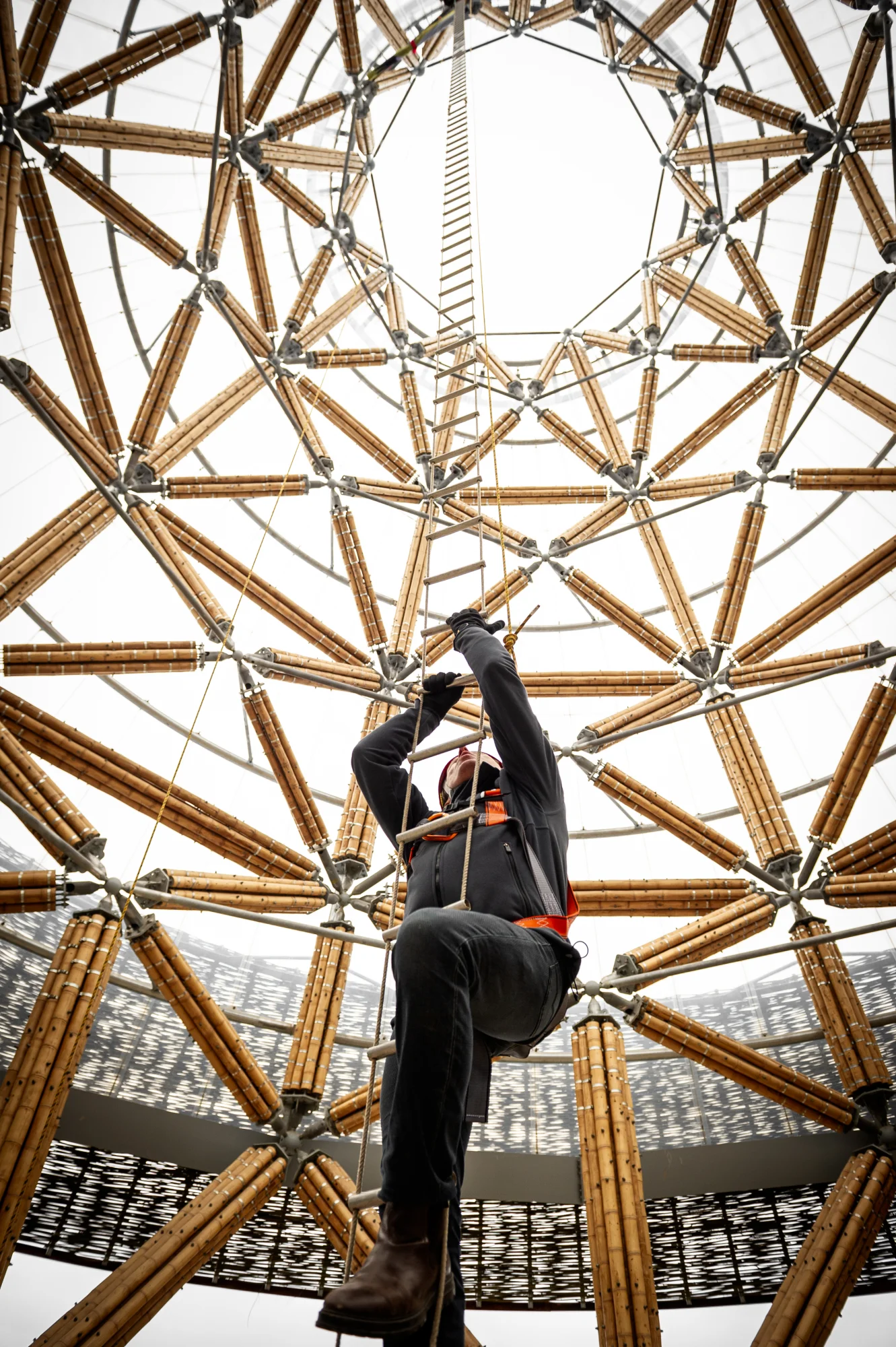
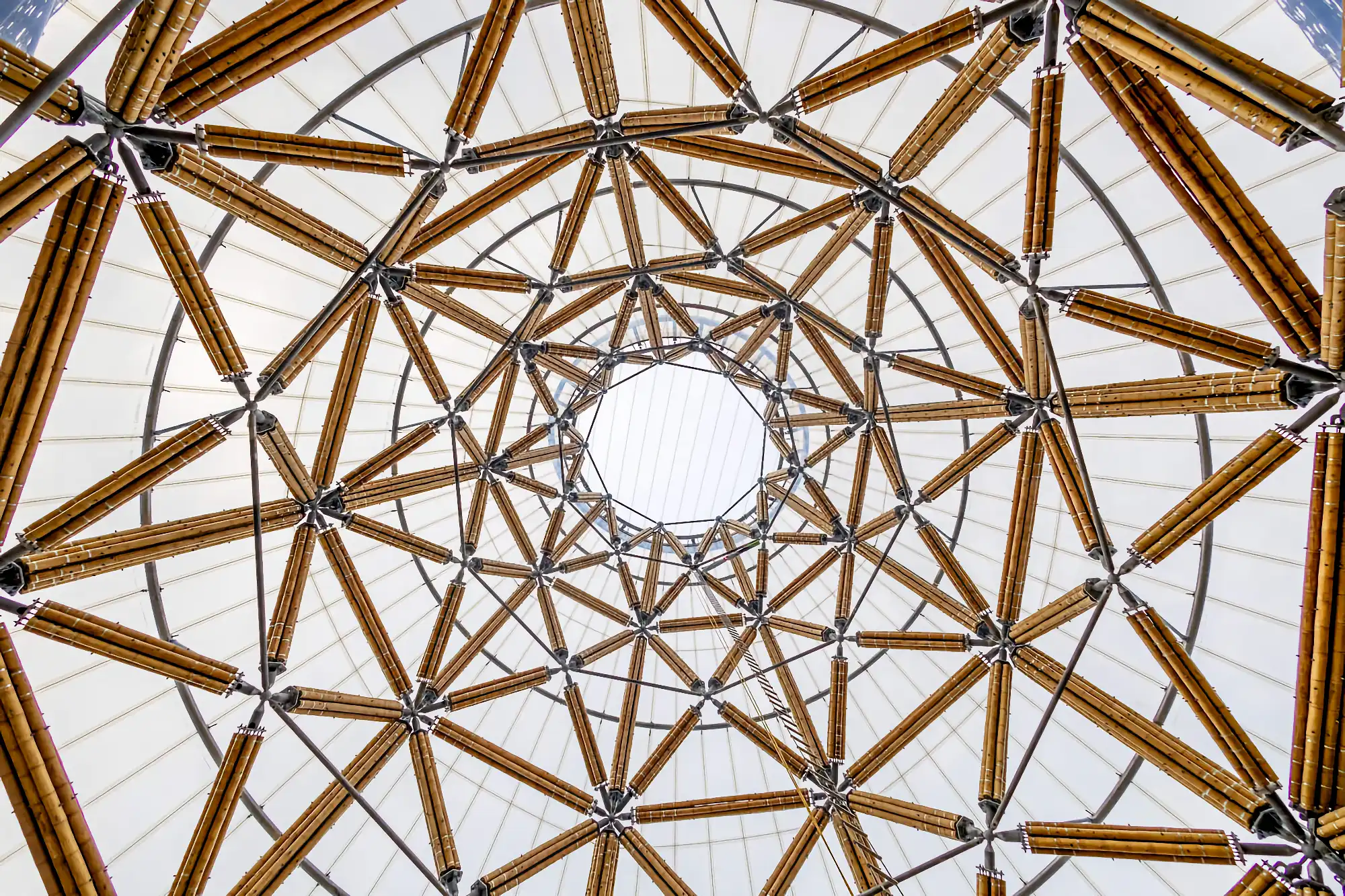
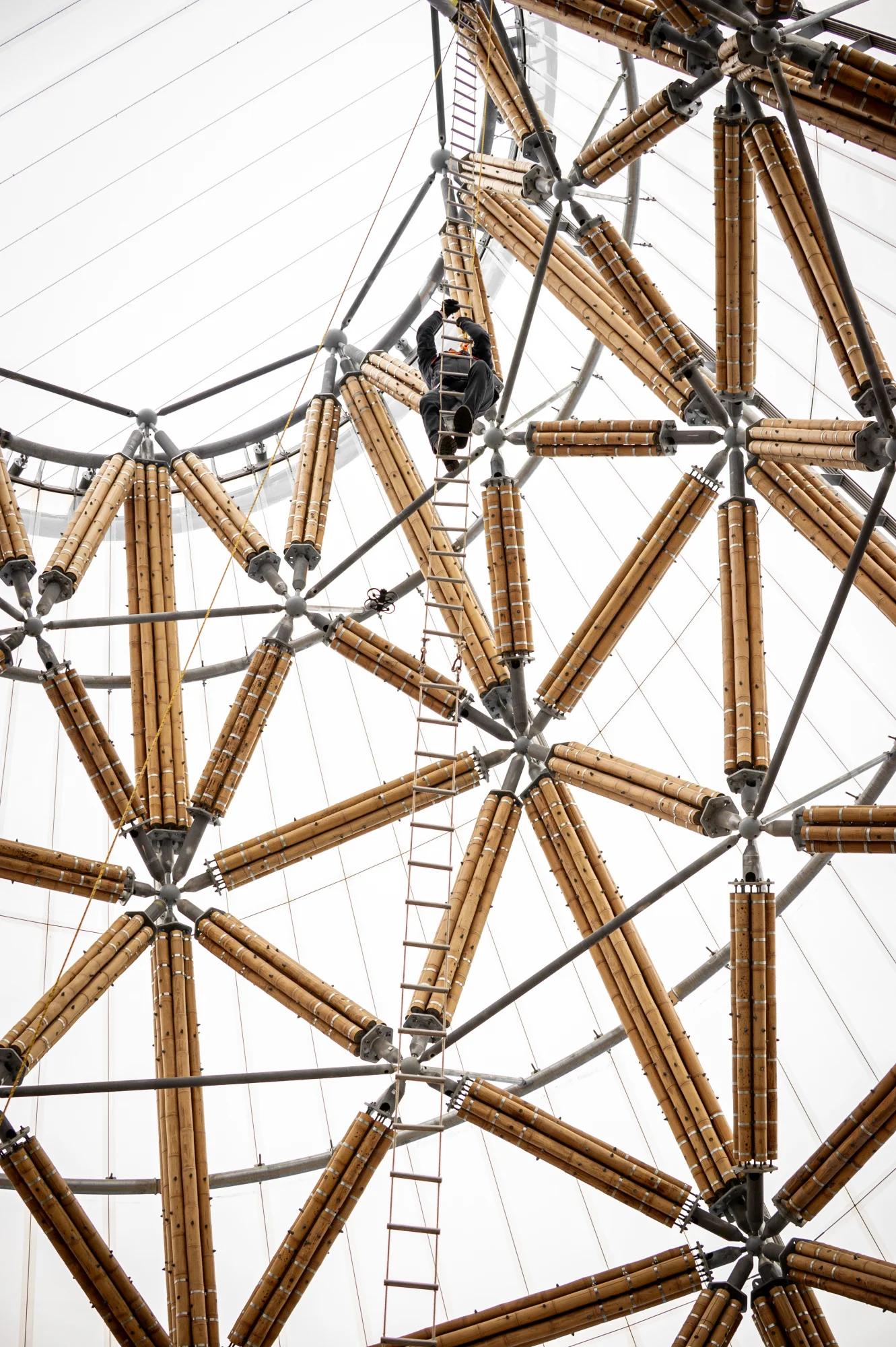
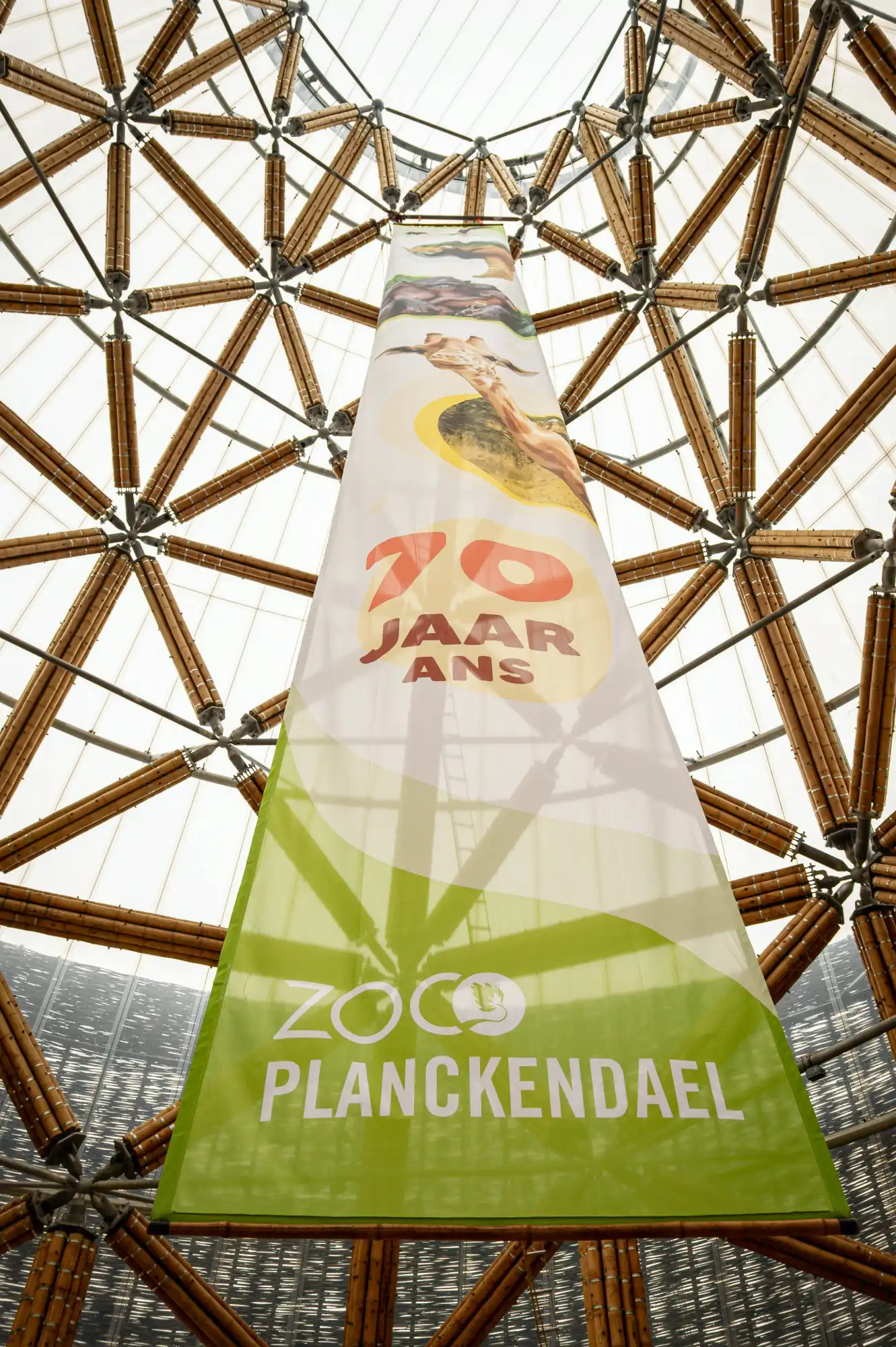
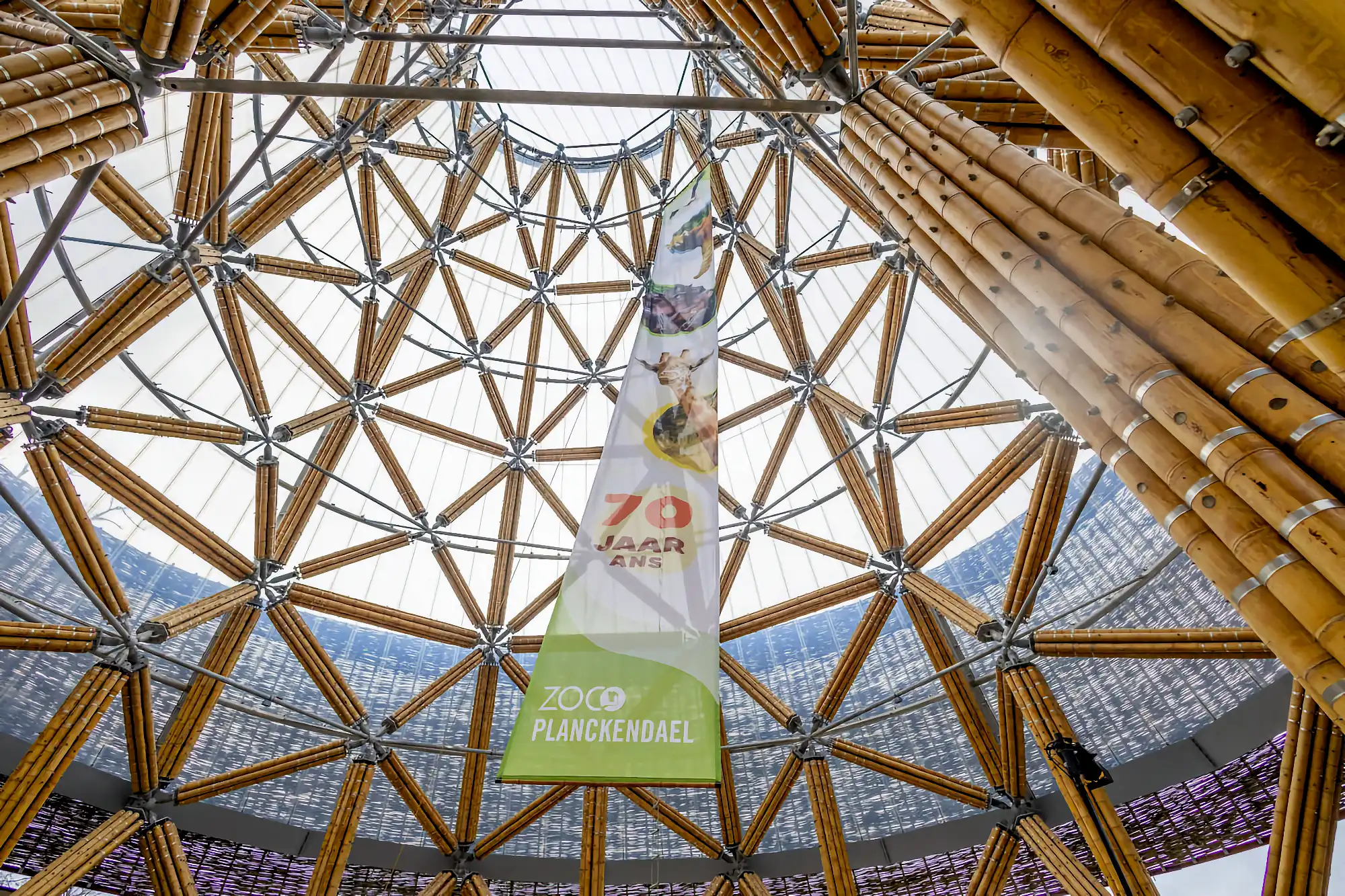
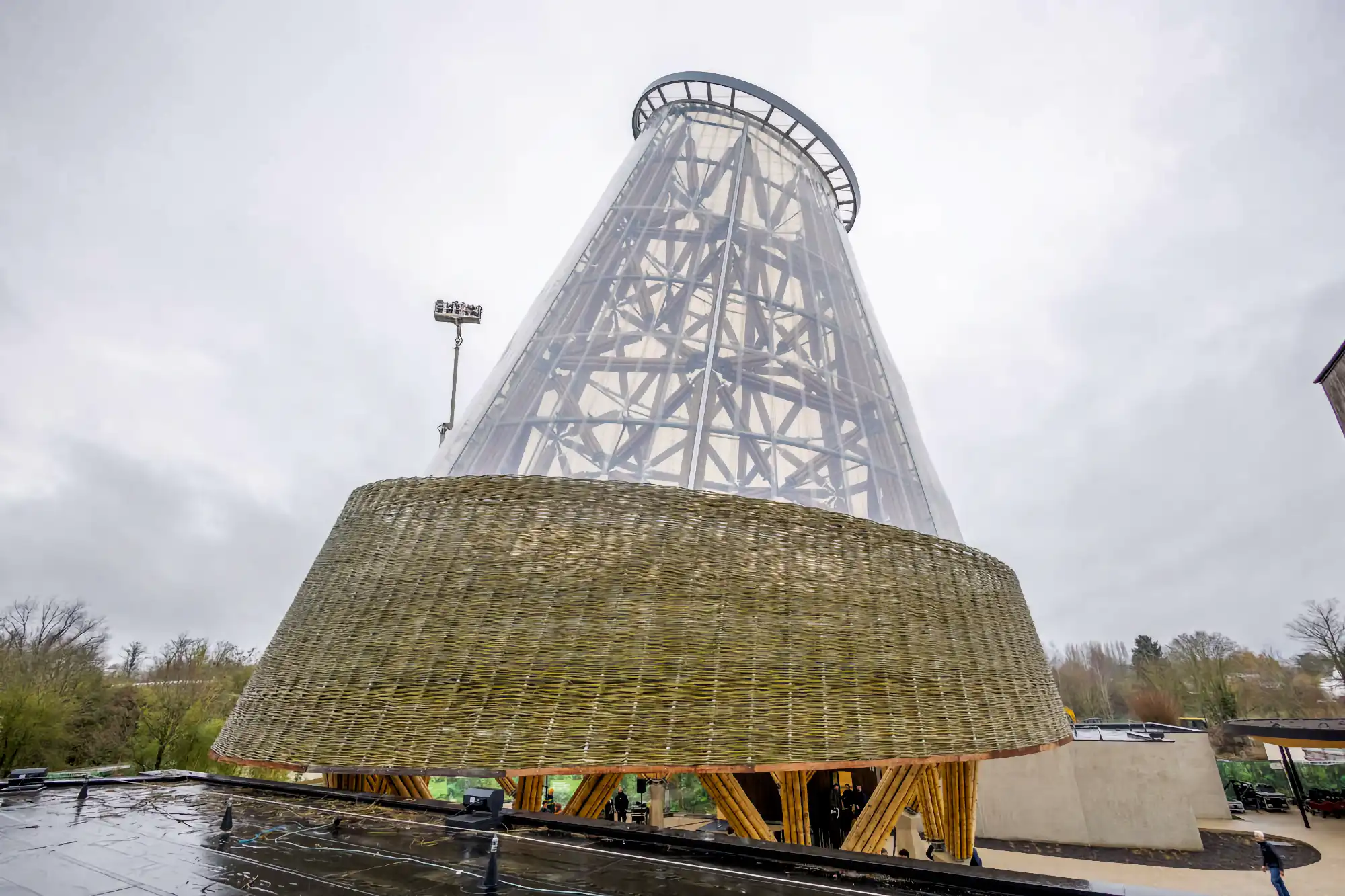
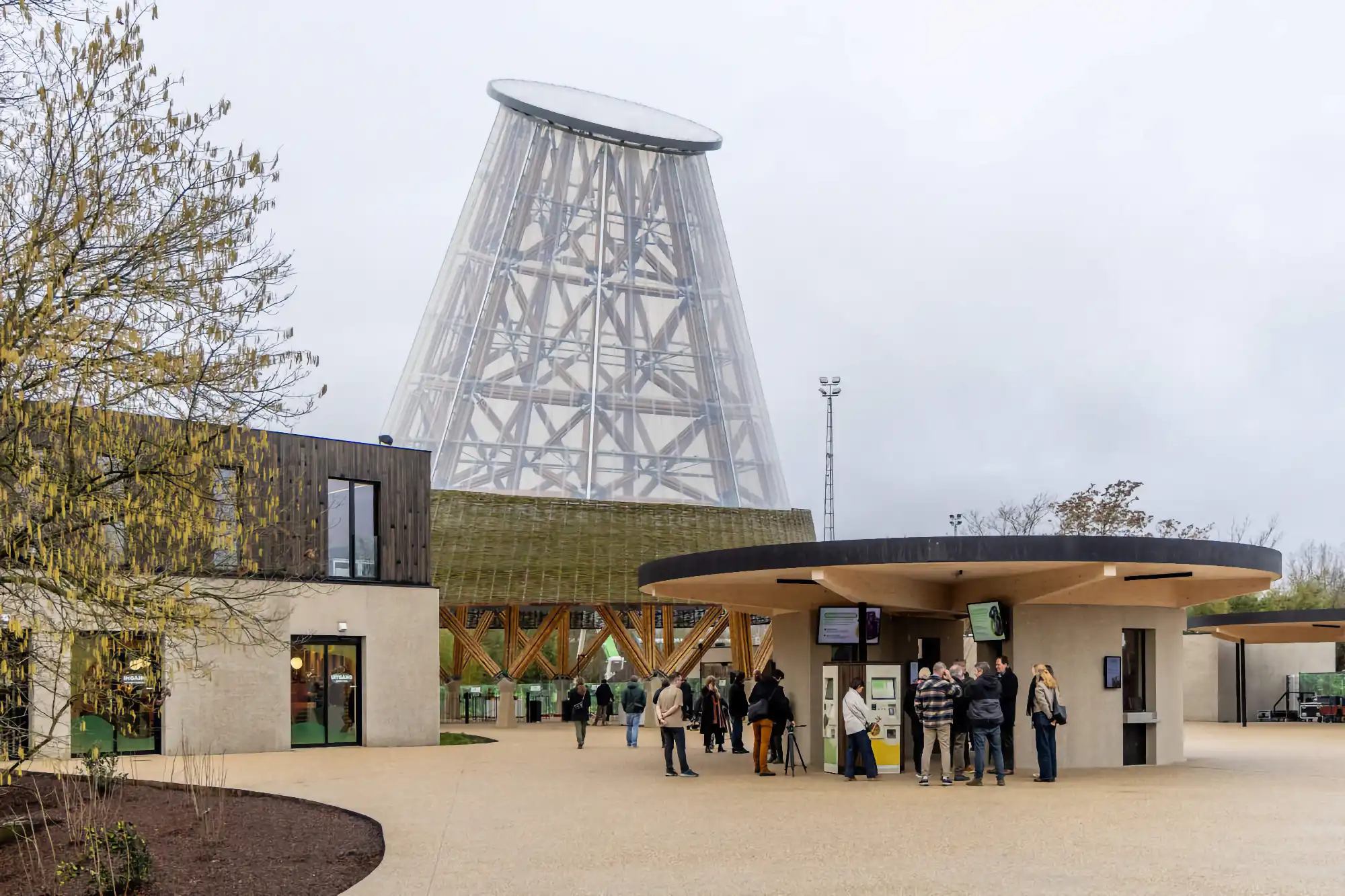
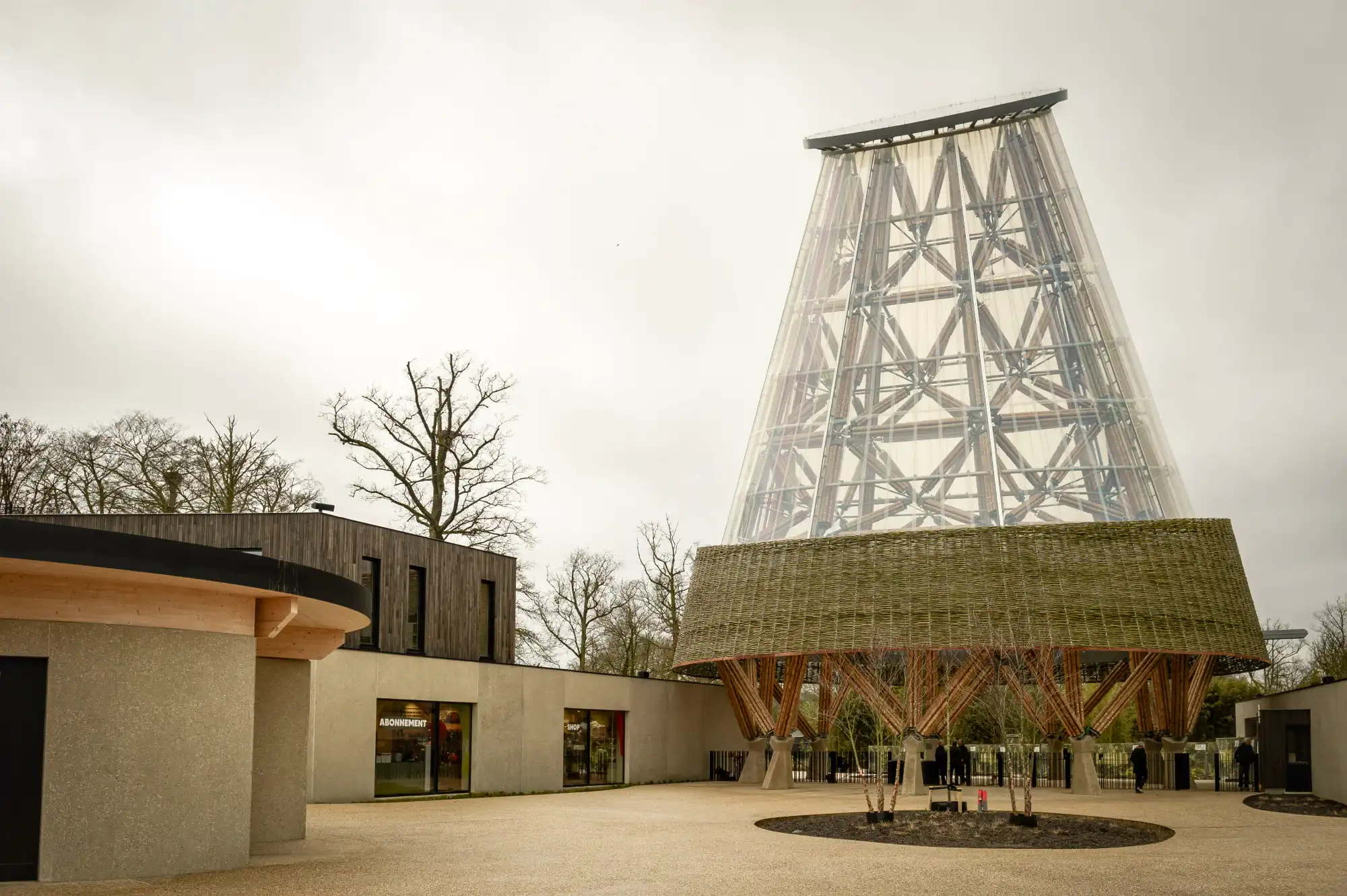
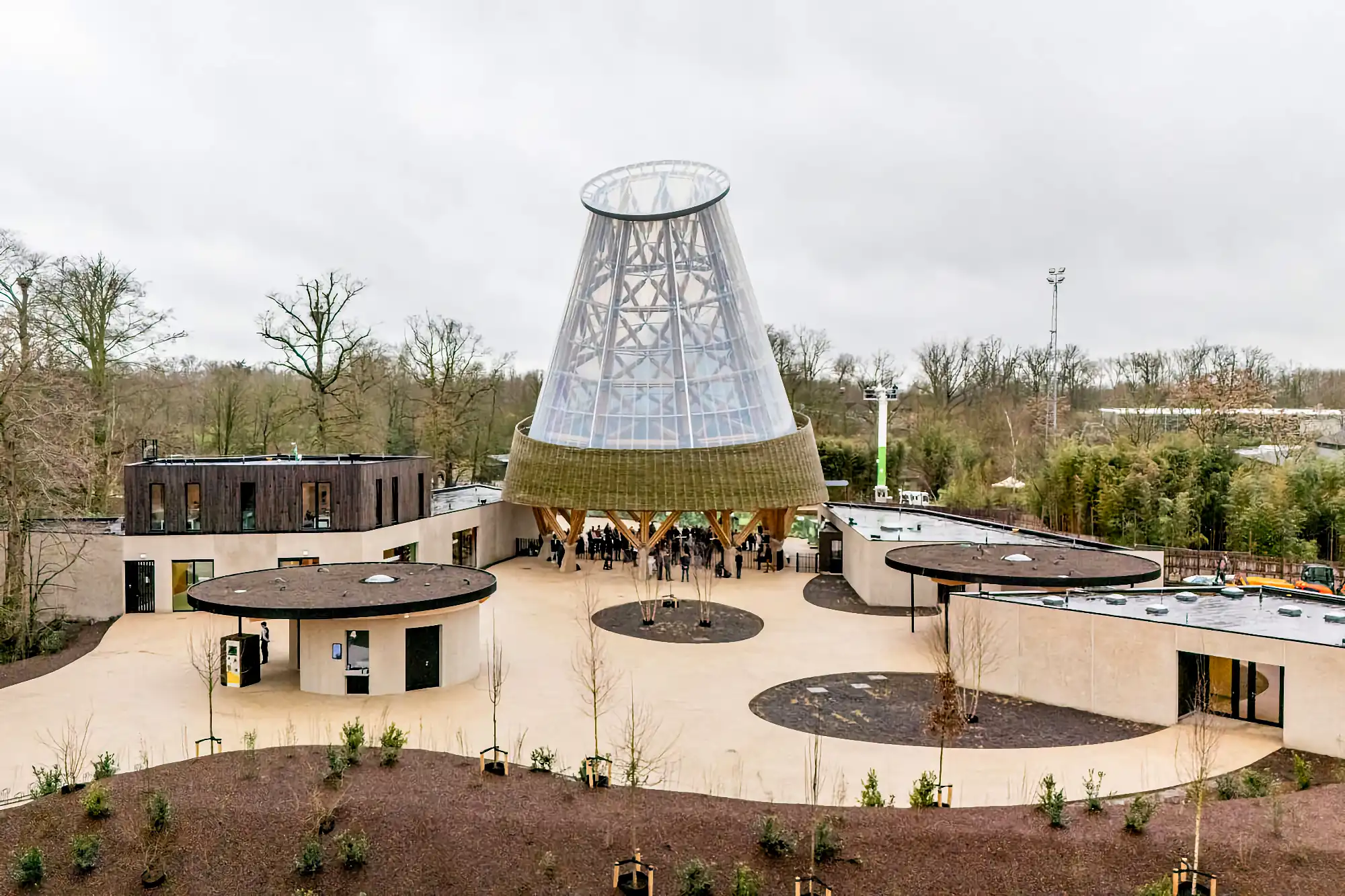
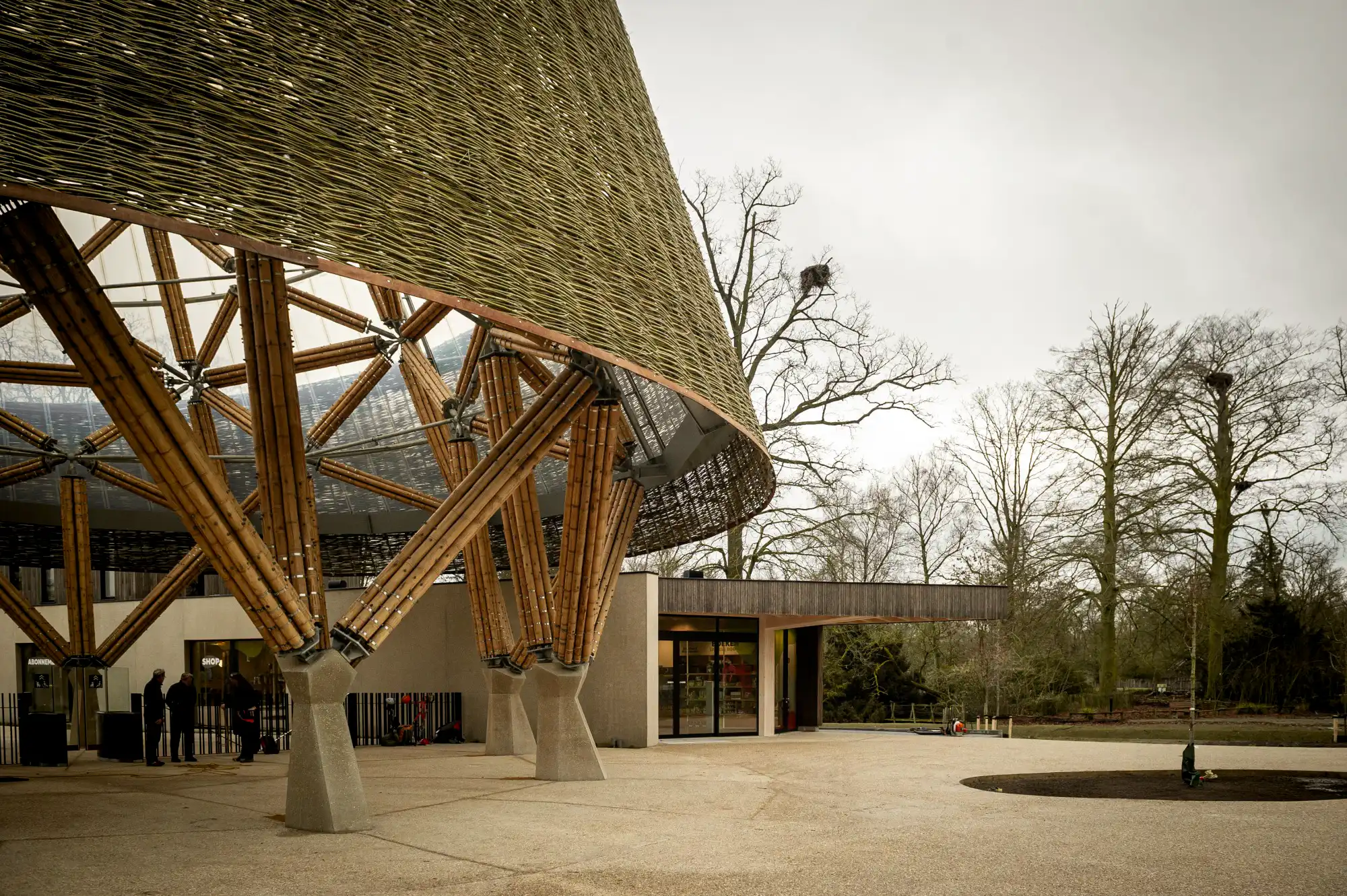
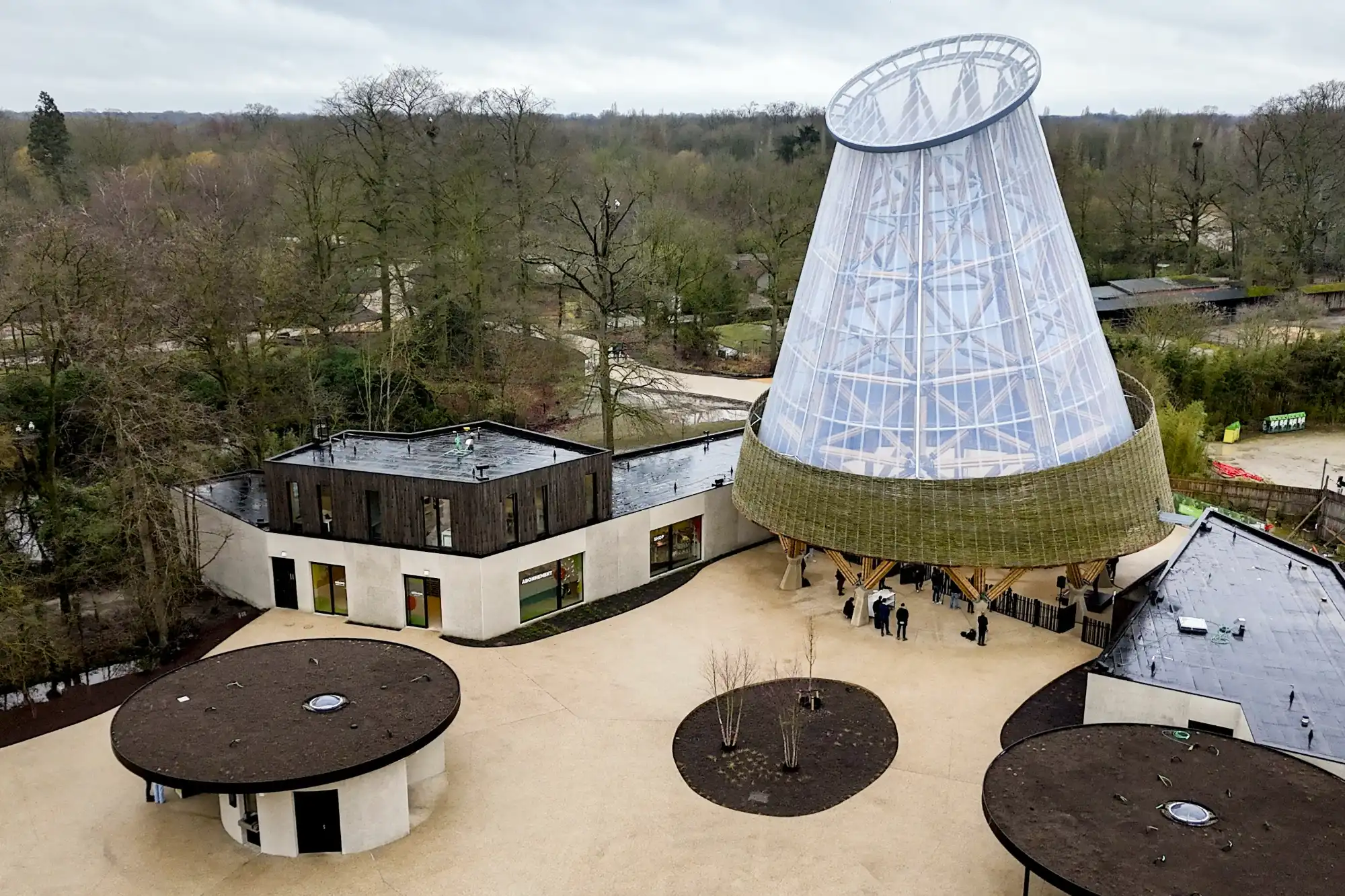
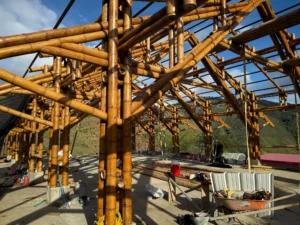
Standing at an impressive 28 meters, the new bamboo tower at Planckendael Zoo in Mechelen, Belgium, represents a historic milestone for sustainable architecture in Europe. This project is groundbreaking in more than one way. Never before has the continent seen a bamboo structure of this scale and complexity. The height is a direct tribute to the zoo’s iconic storks. These birds are known for their elevated nests and distinctive chatter. The structure draws the eyes of visitors skyward as they enter the park. This project serves as a world class showcase for the structural capabilities of Colombian Guadua angustifolia.
Visualizing Complex Geometries Through Precision Scale Models
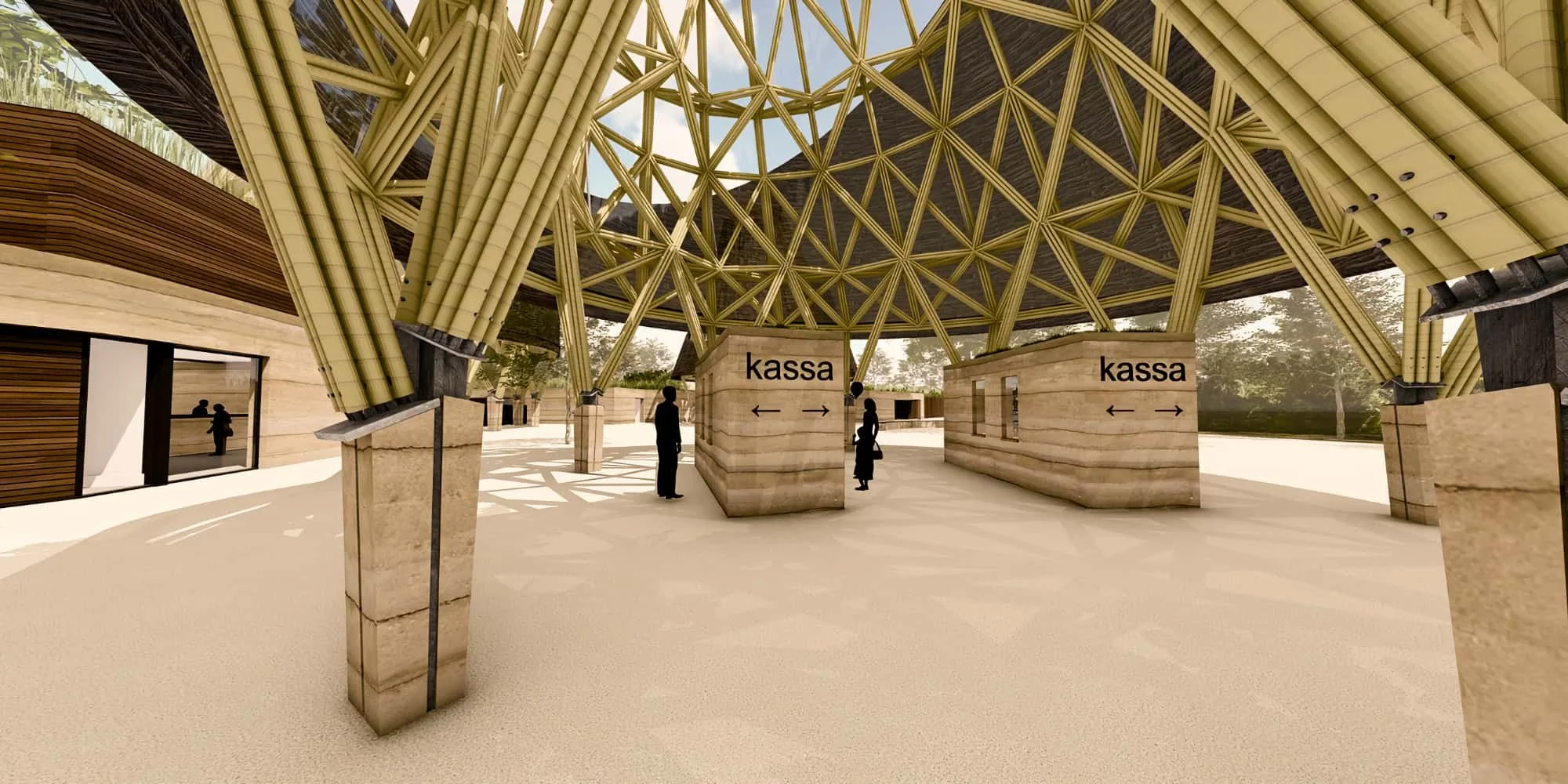
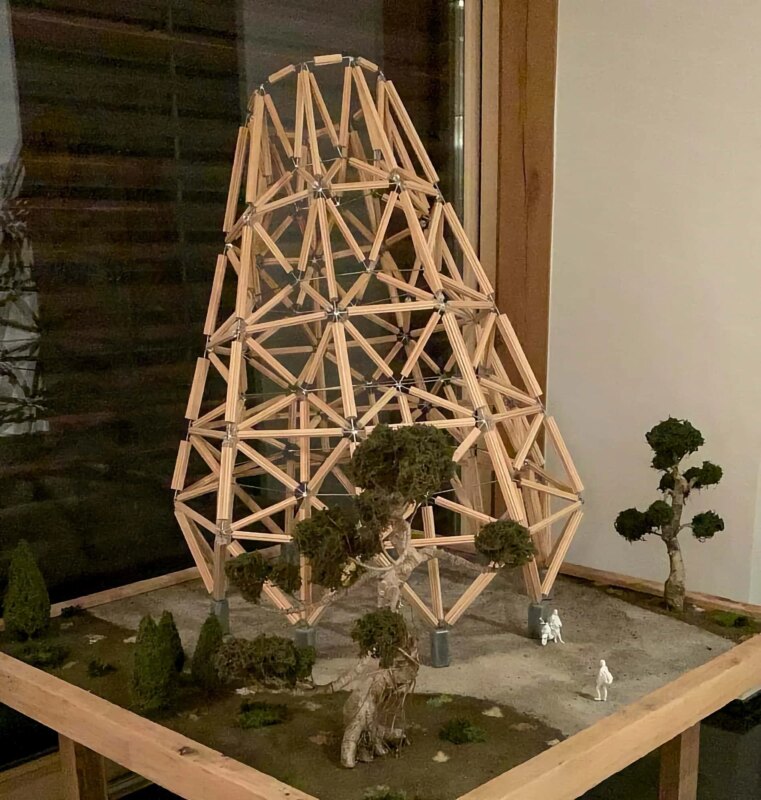
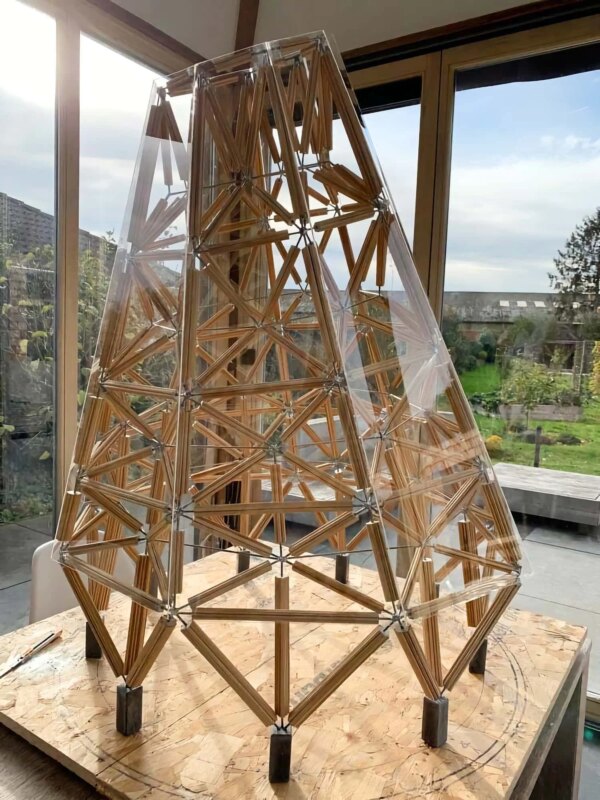
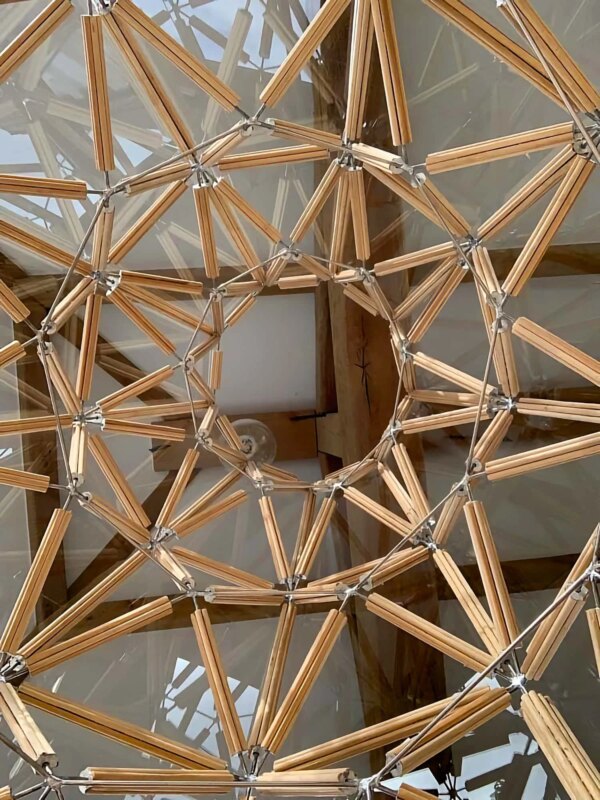
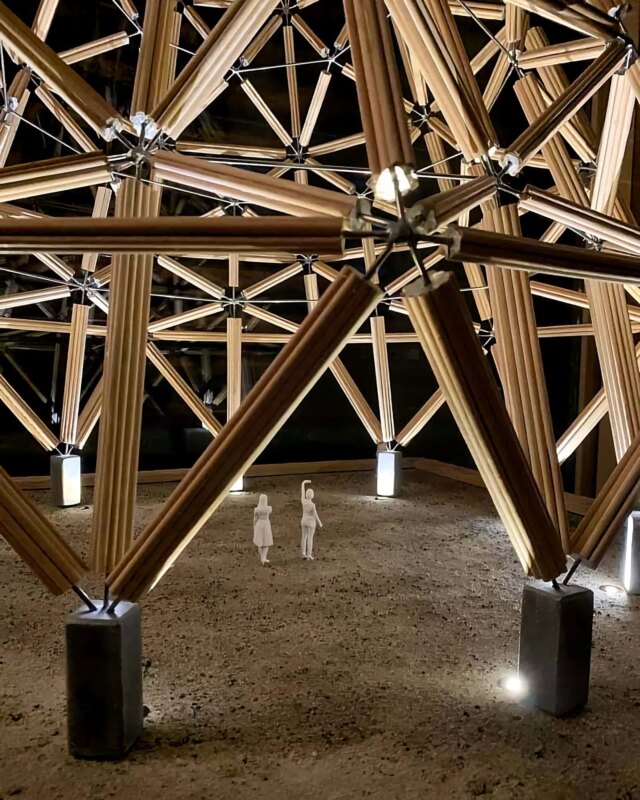
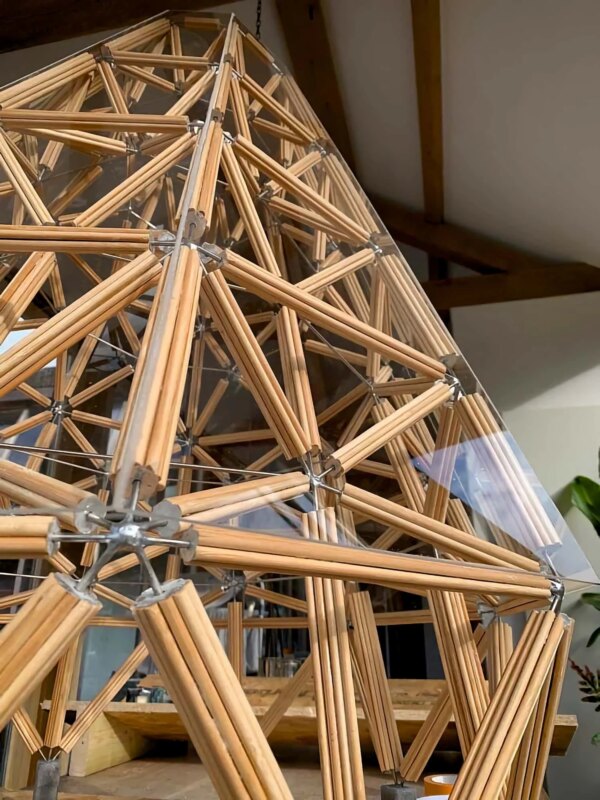
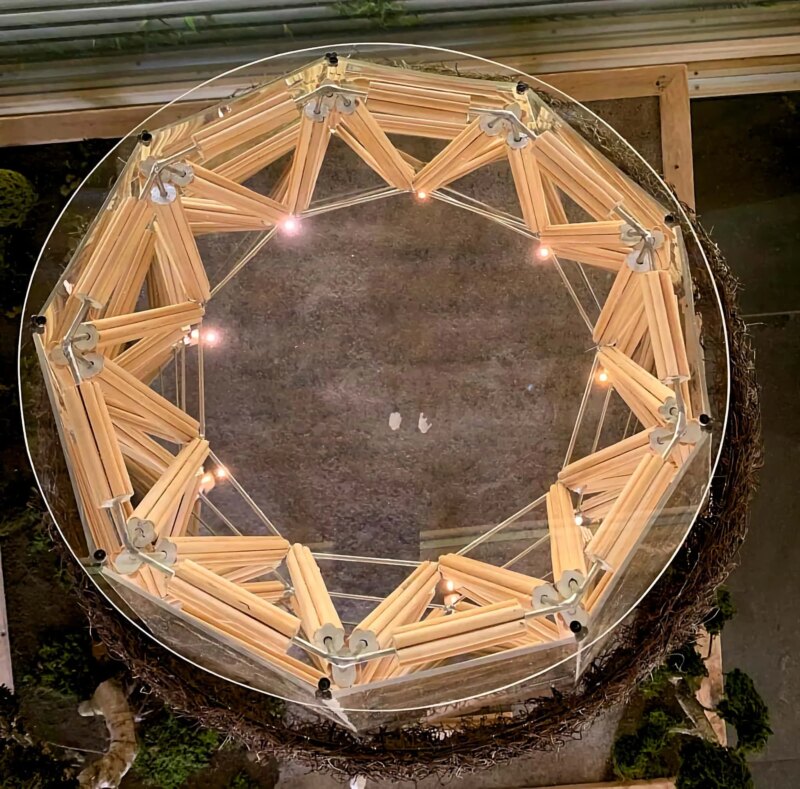
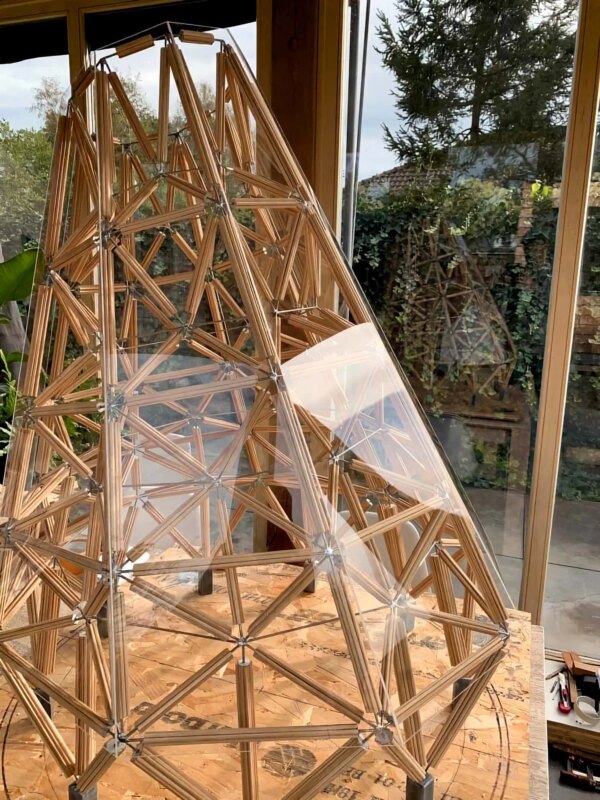
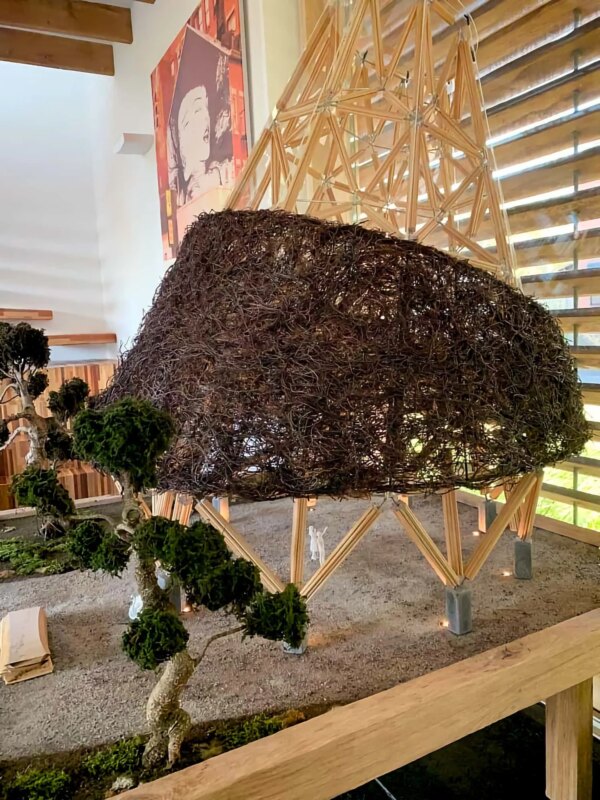
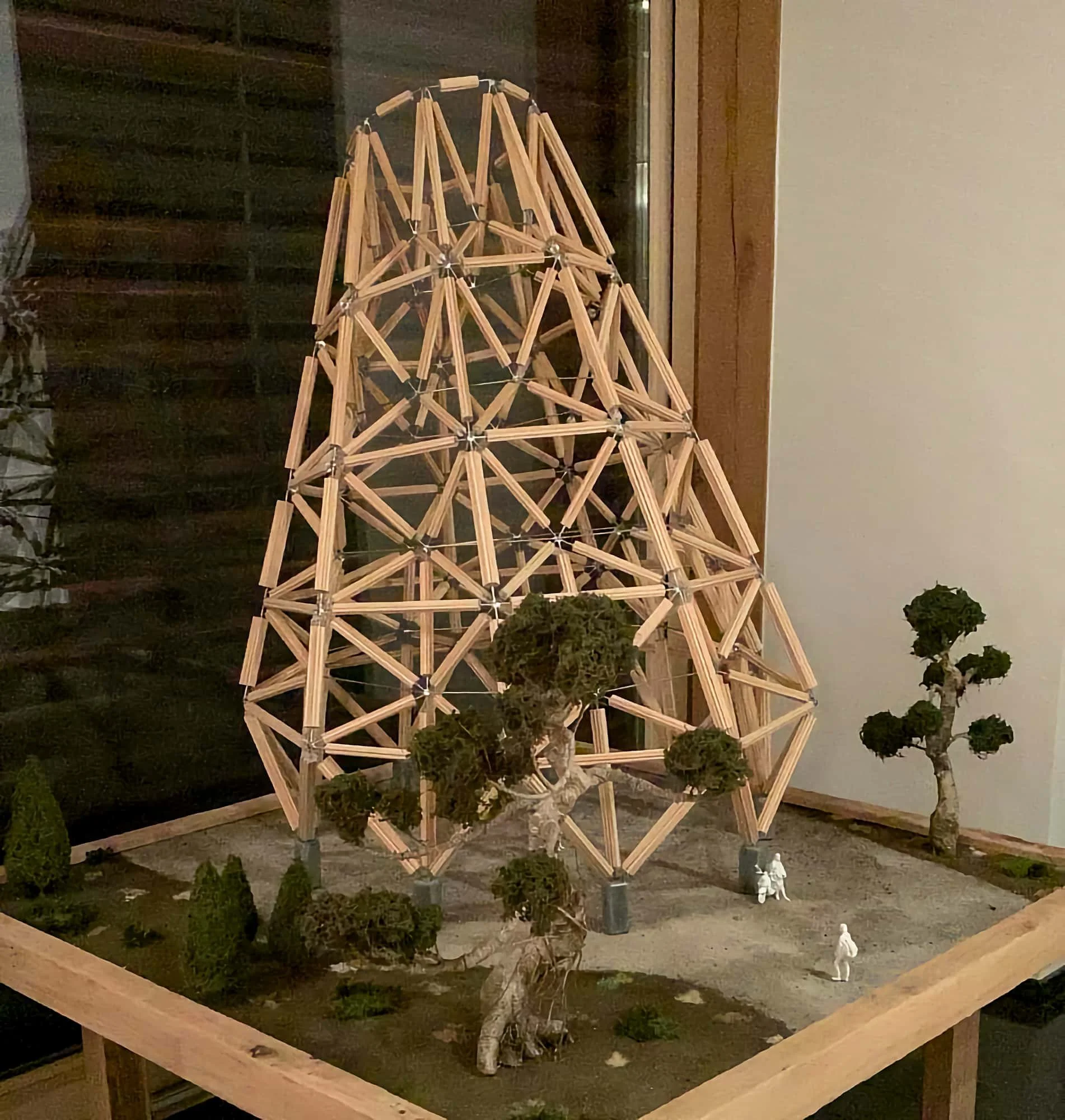
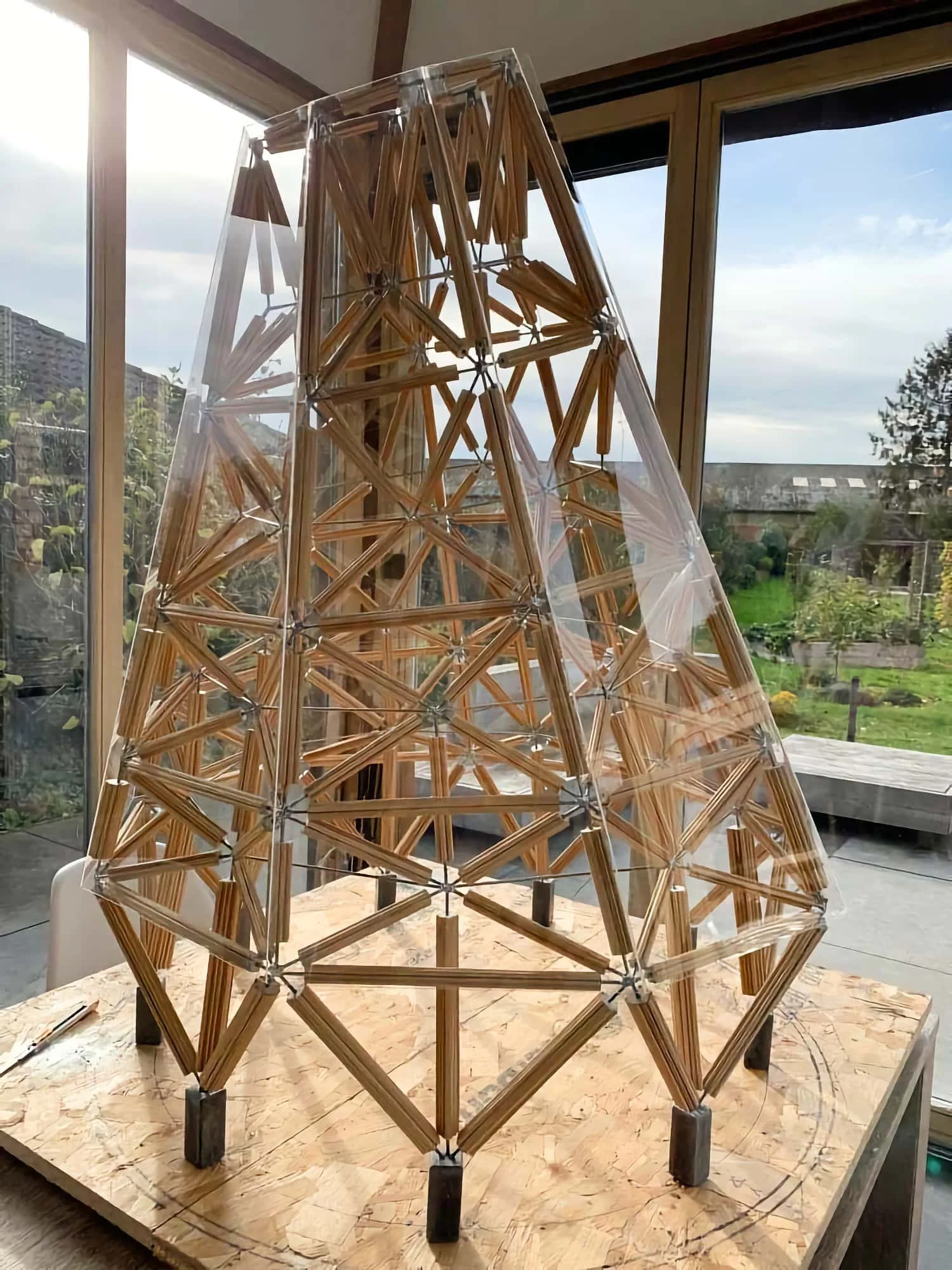
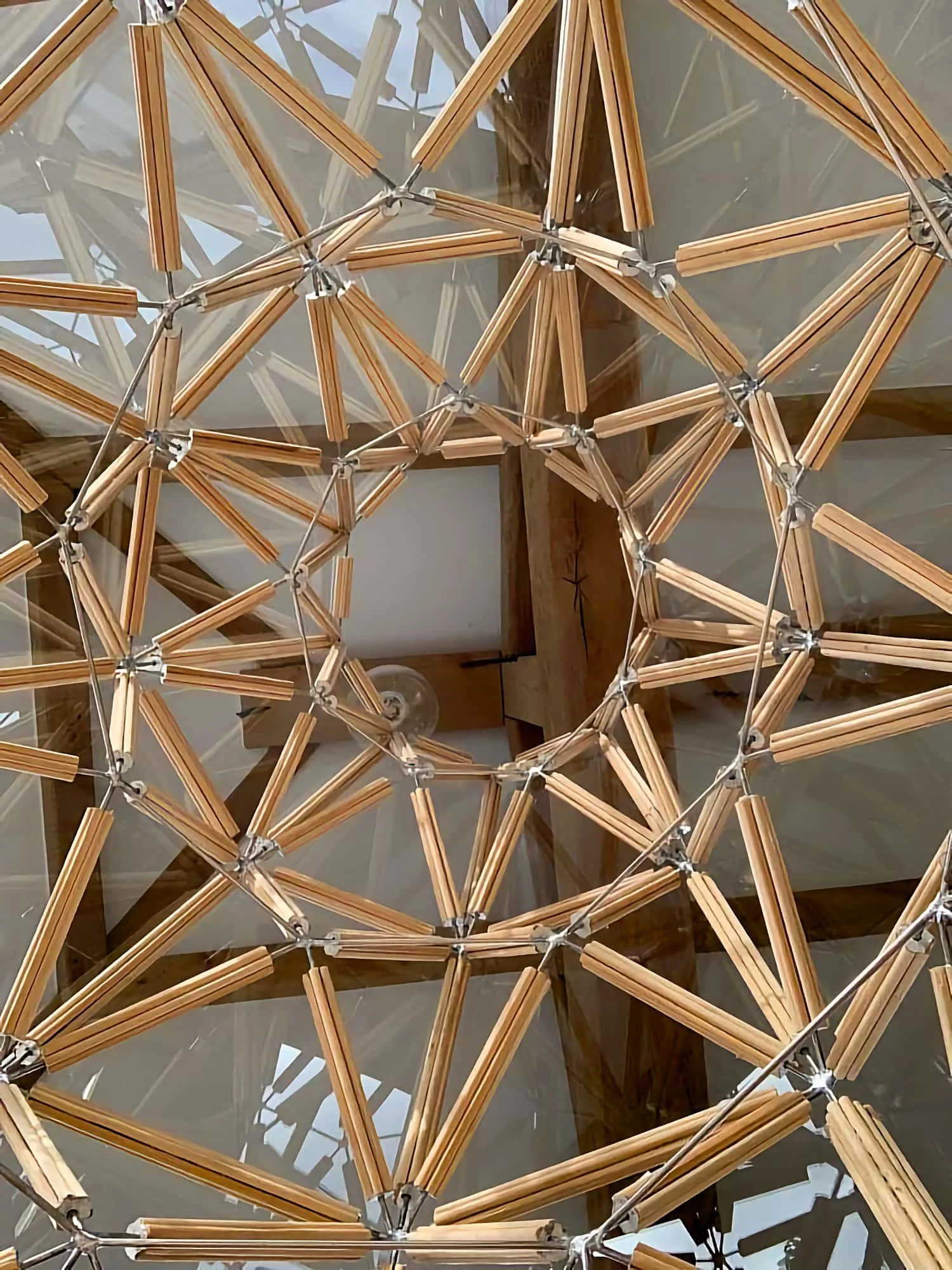
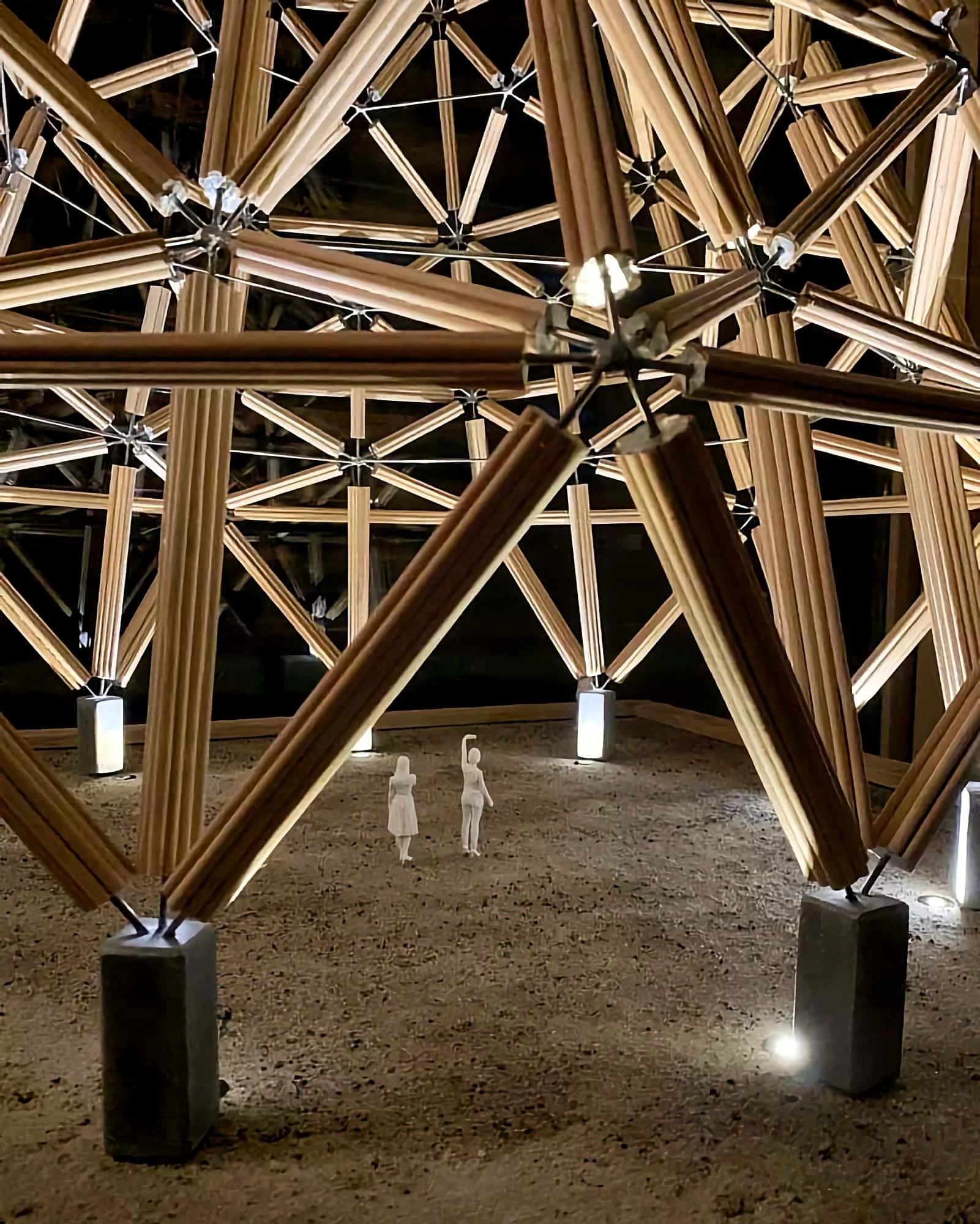
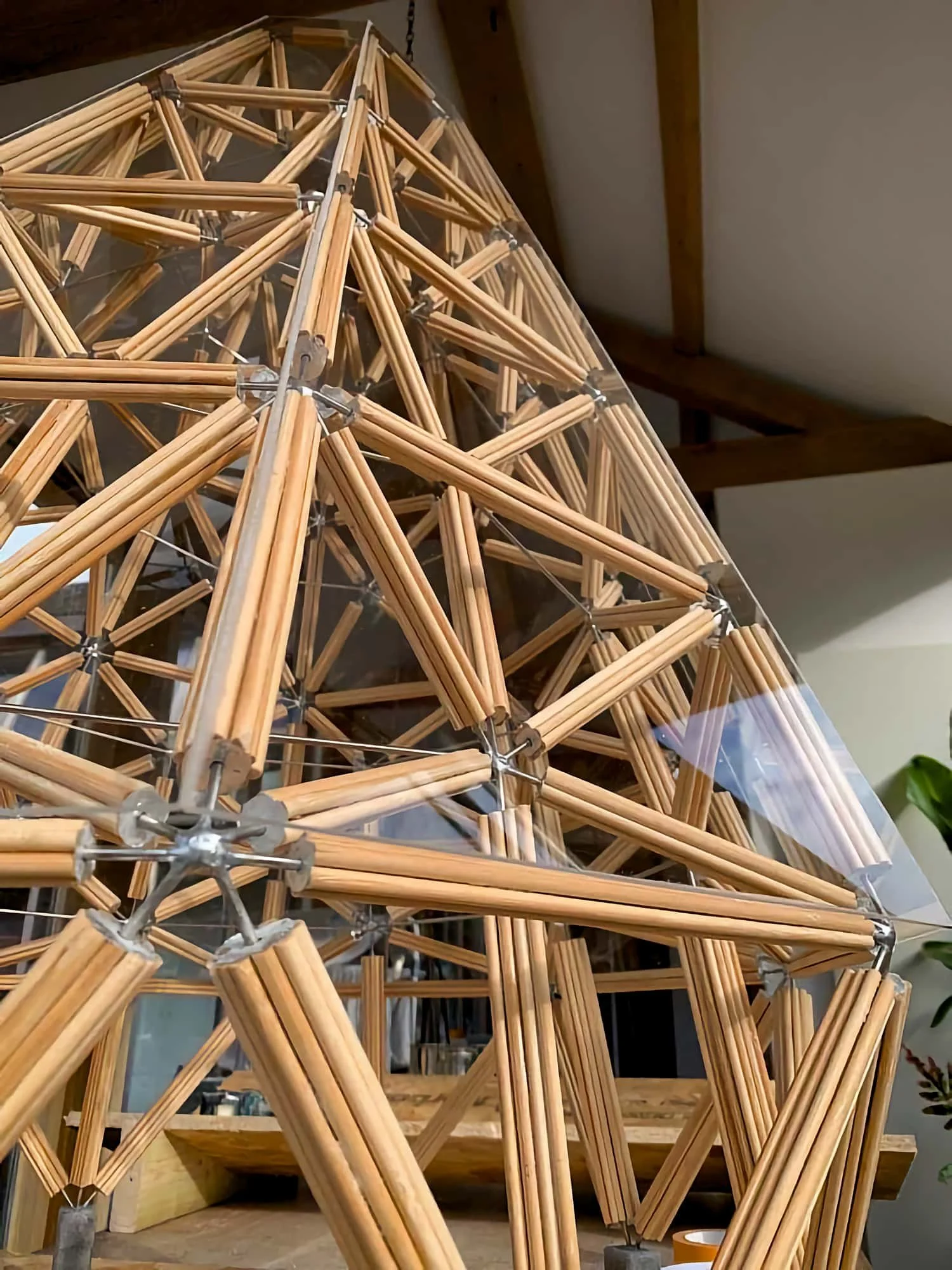
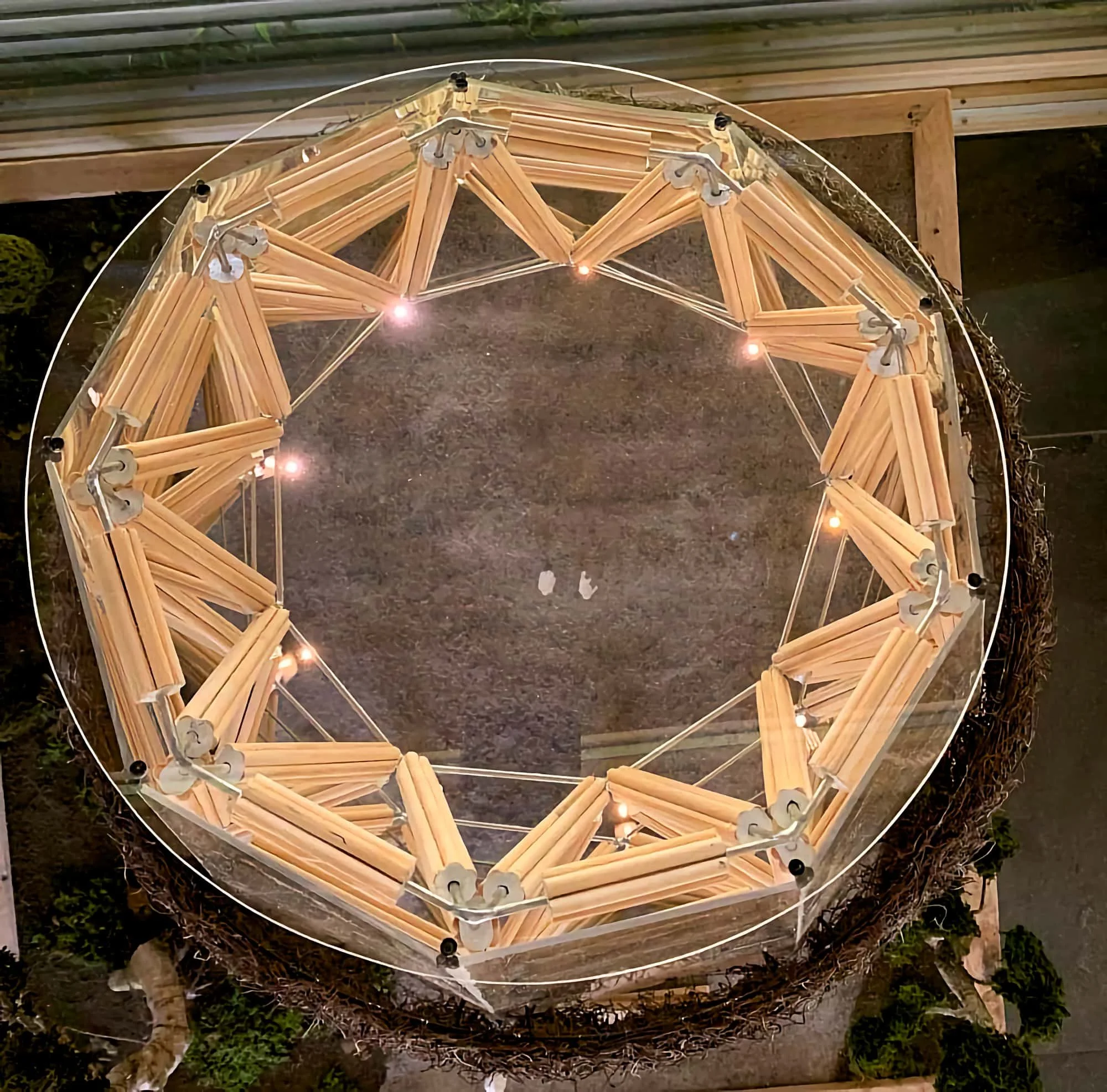
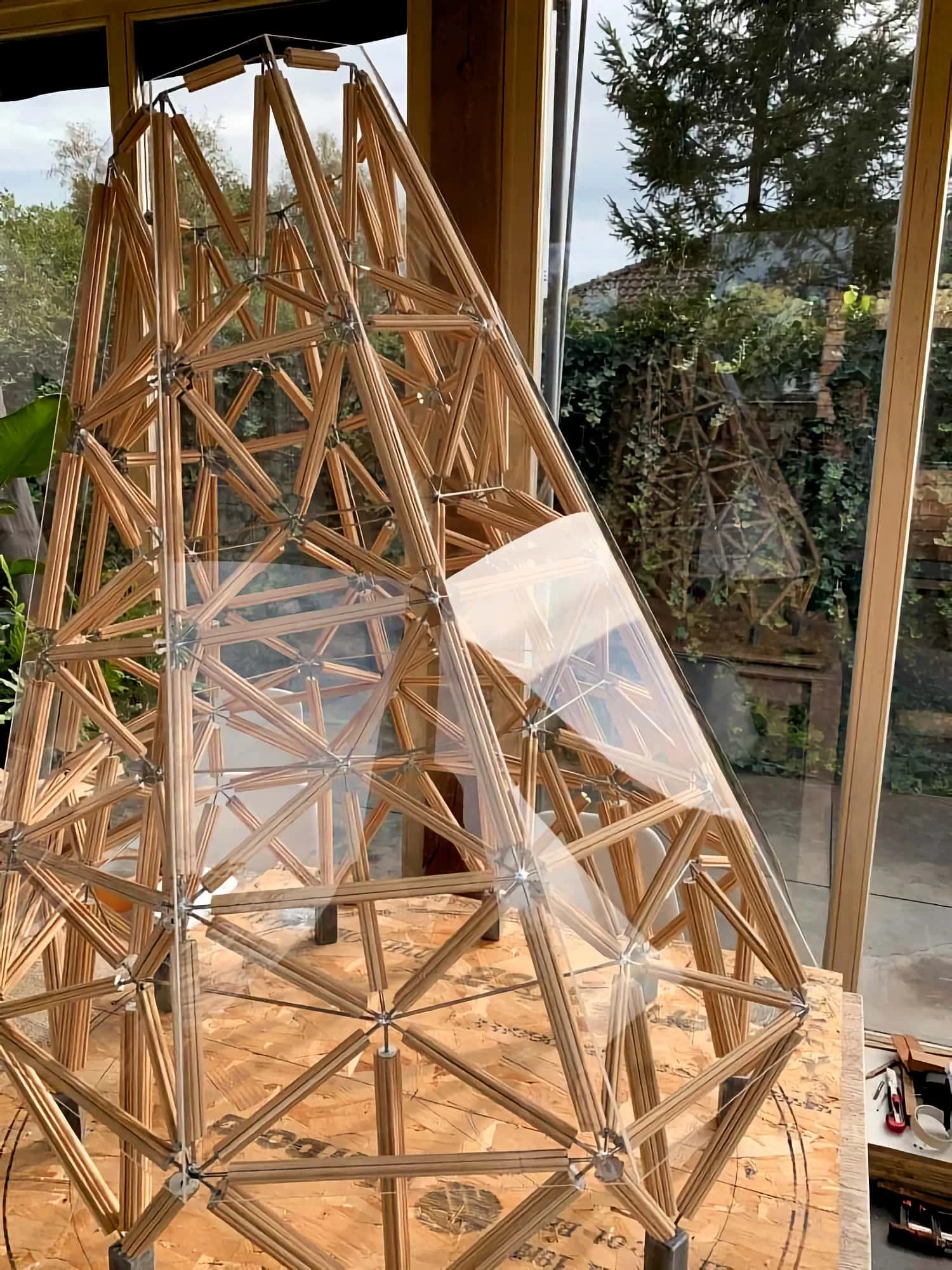
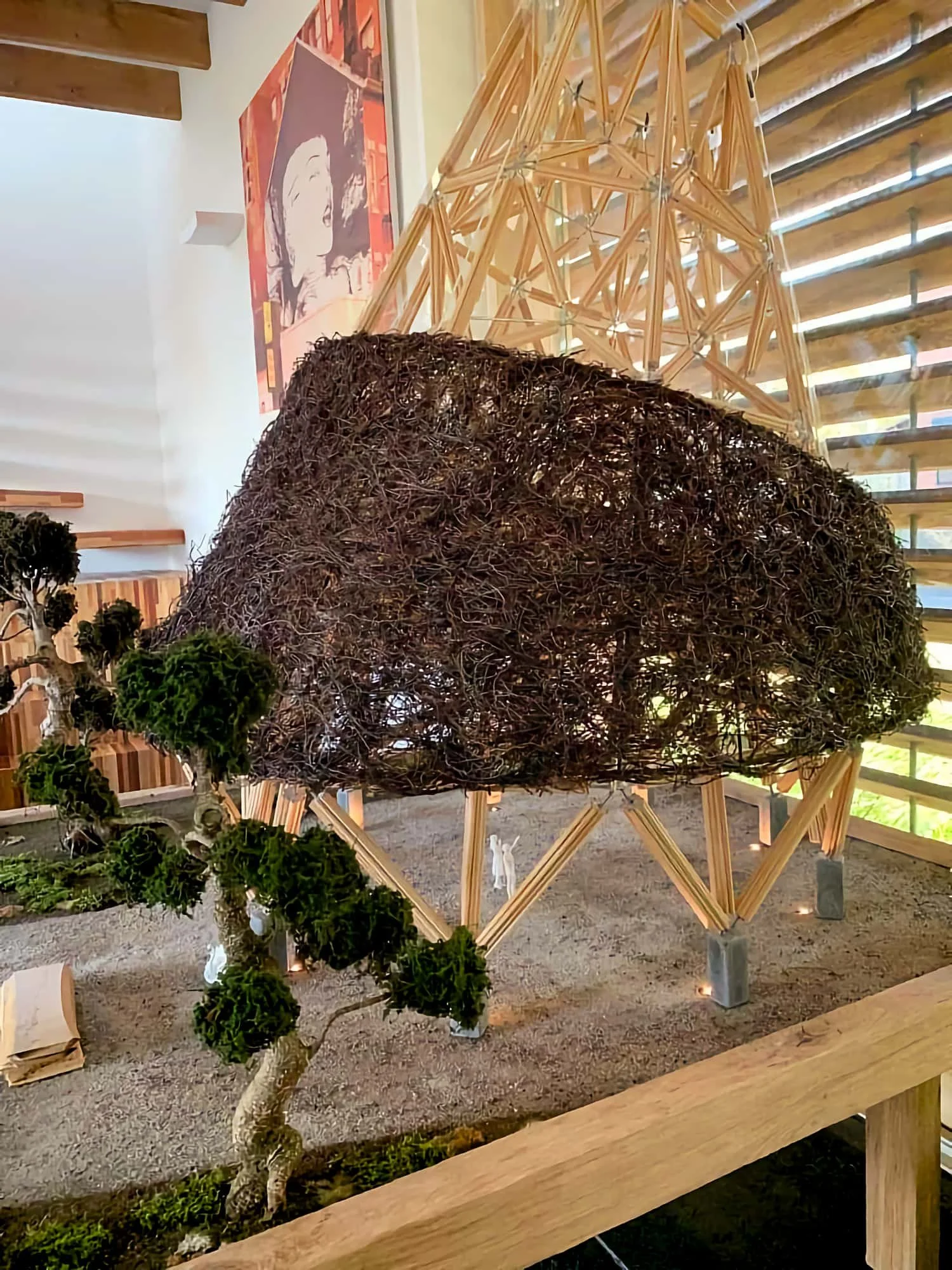
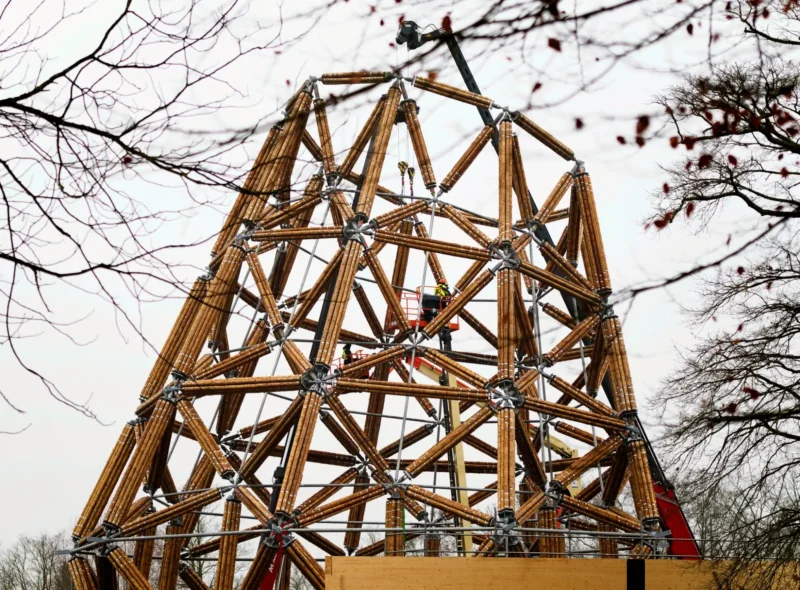
The success of such an ambitious project relied heavily on the ability to visualize complex geometries before construction began. We are grateful to the entire project team and especially to Thomas De Maeyer for his remarkable scale models. These physical representations played an important role in visualizing and executing the tower. By translating the digital engineering into tangible forms, these models ensured that every structural connection was understood by the assembly team. The models were essential for navigating the intricate spatial requirements of the 28 meter building.
From Colombian Harvest to European Certification
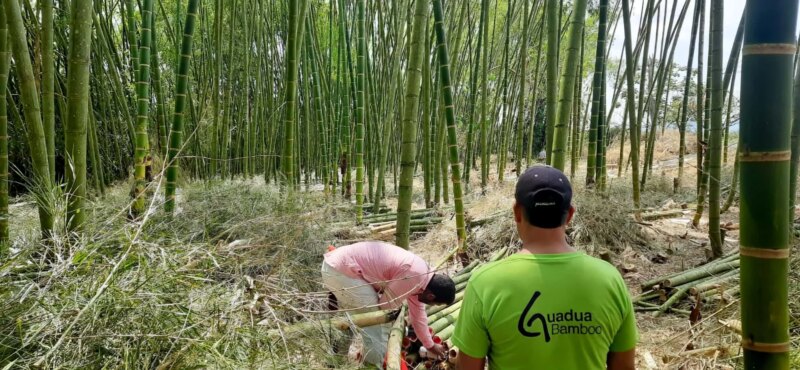
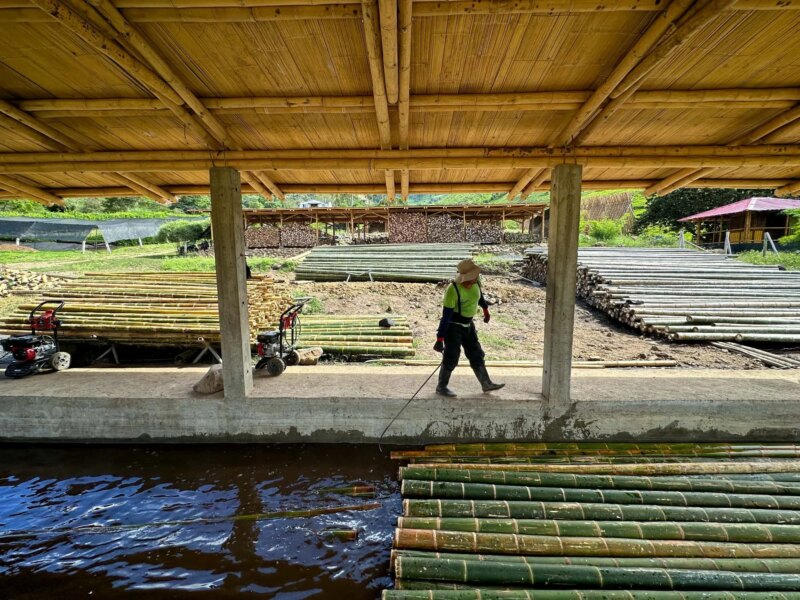
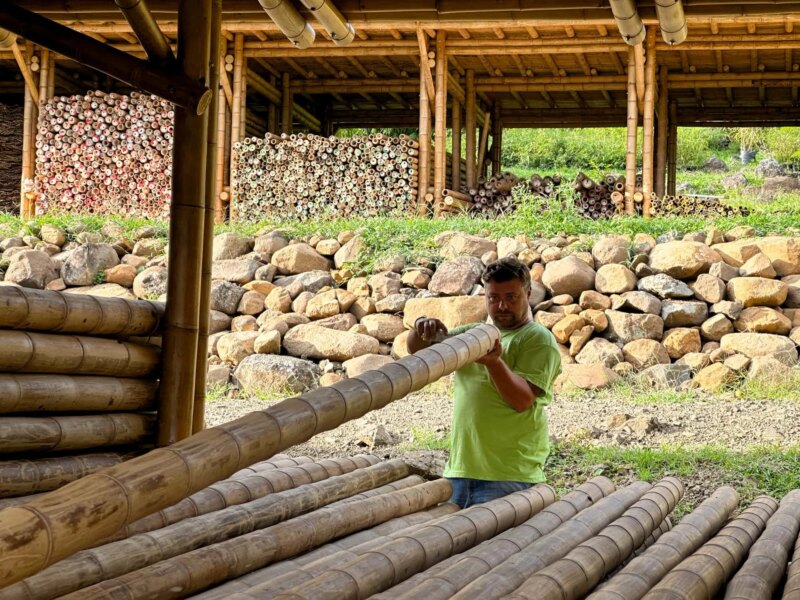
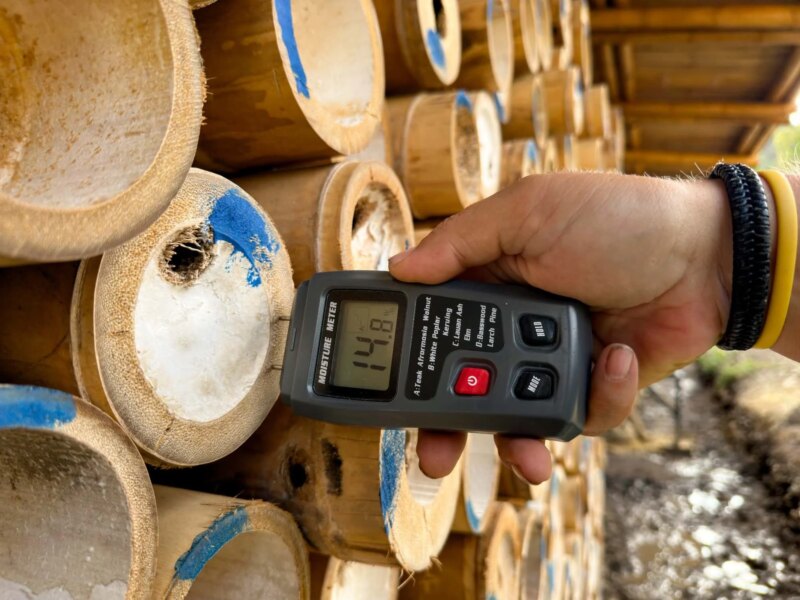
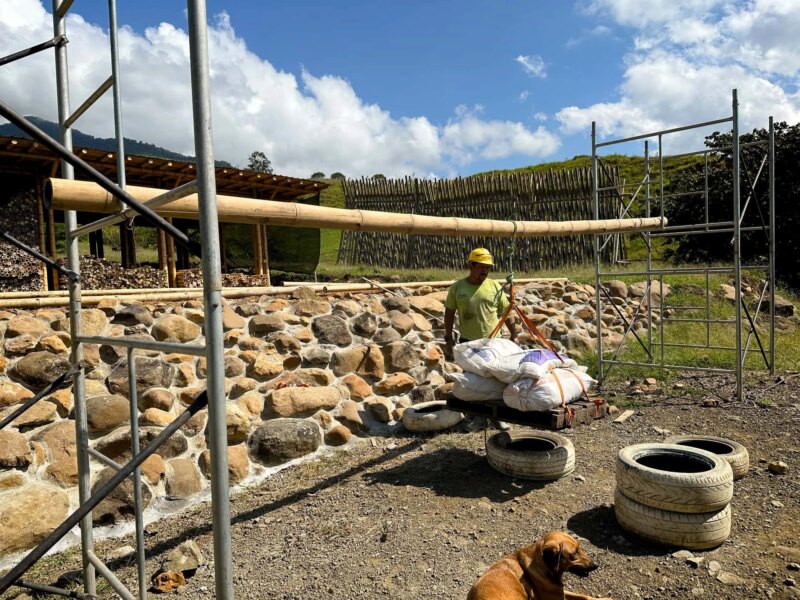
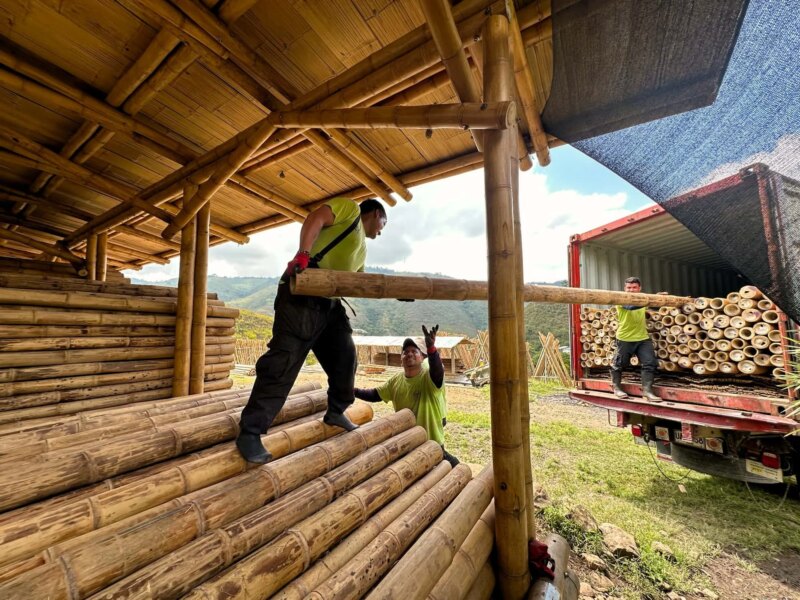
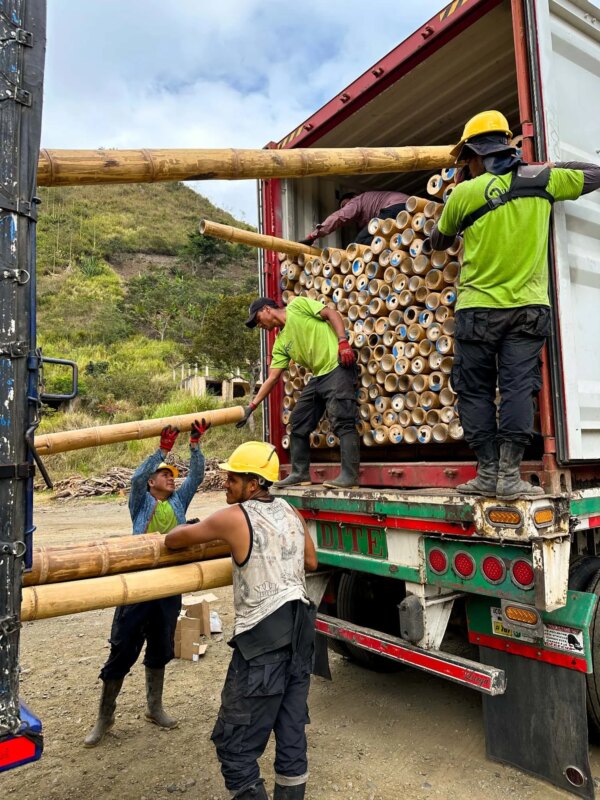
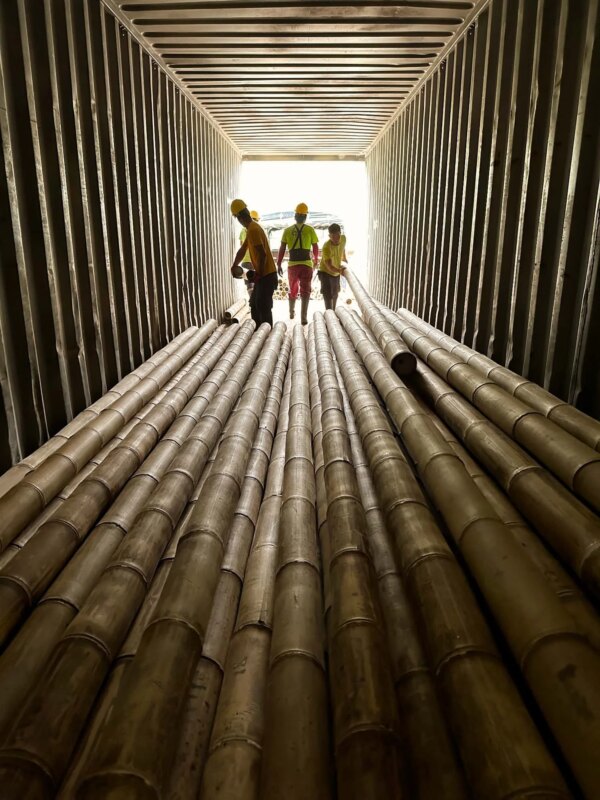
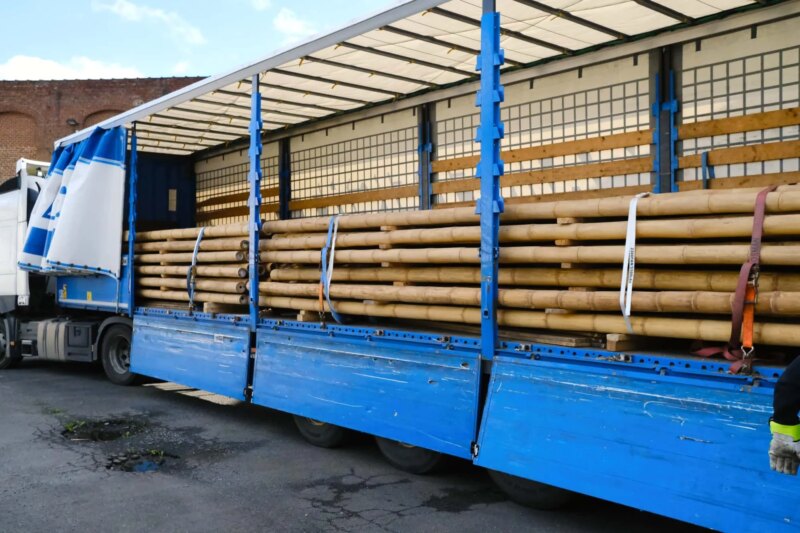
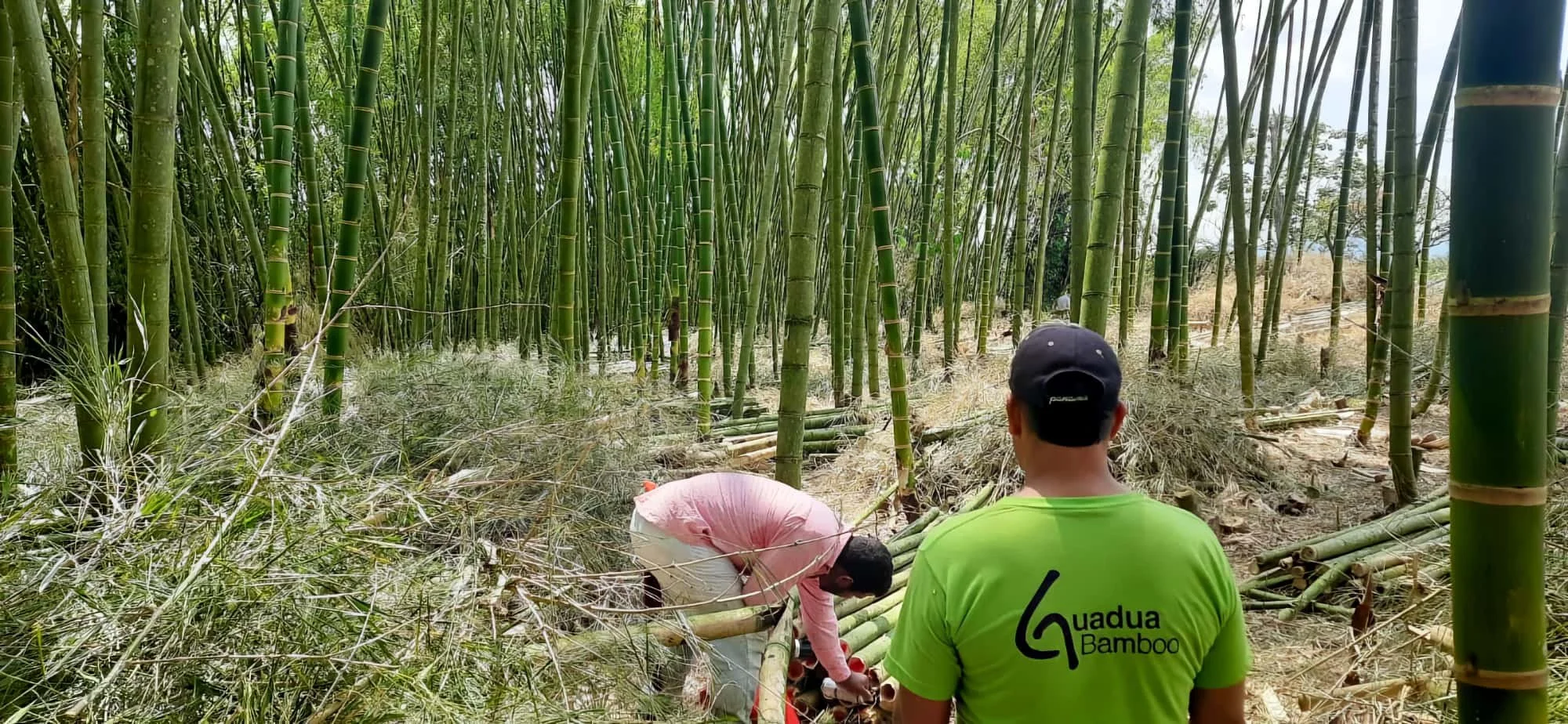
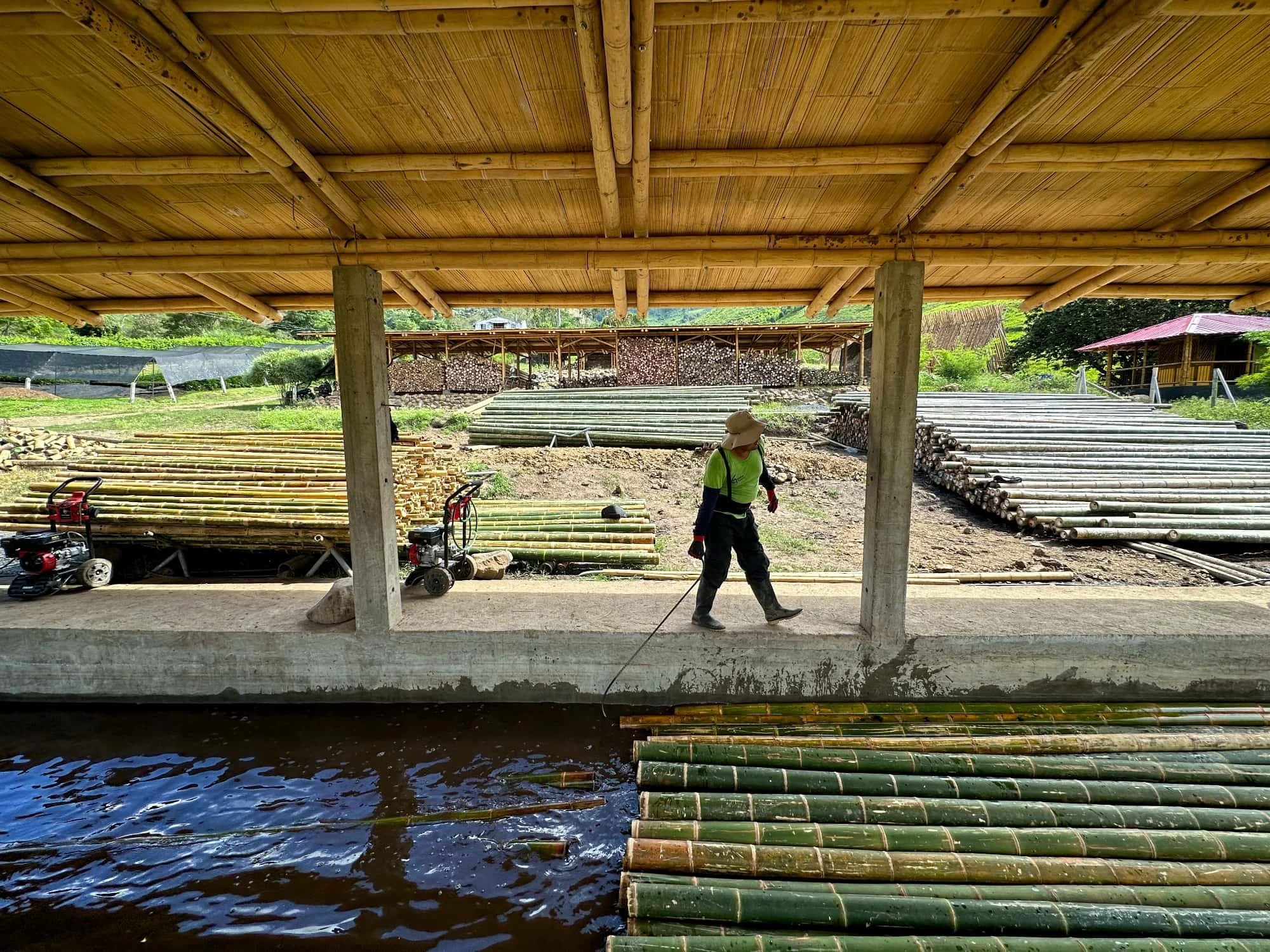
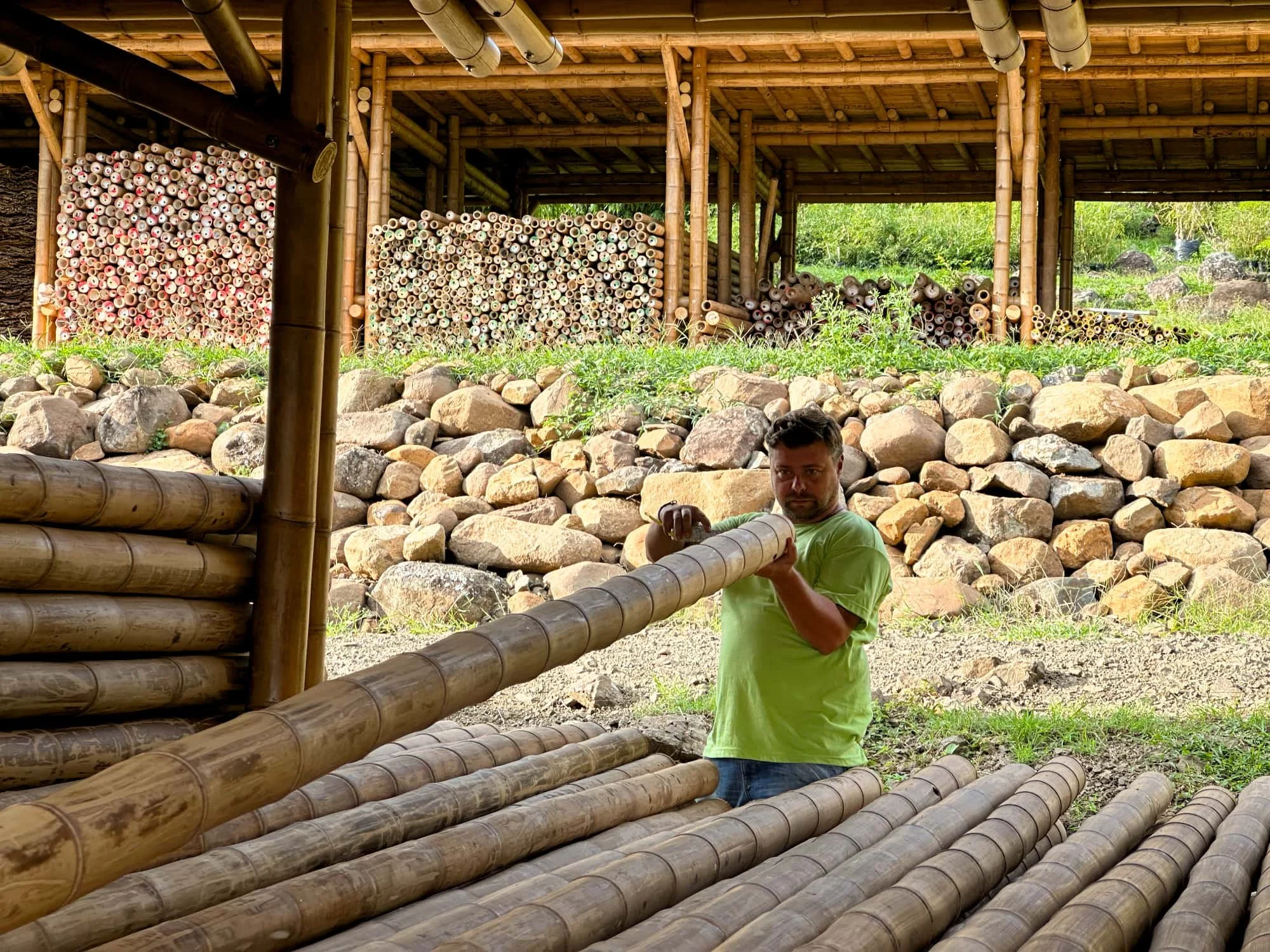
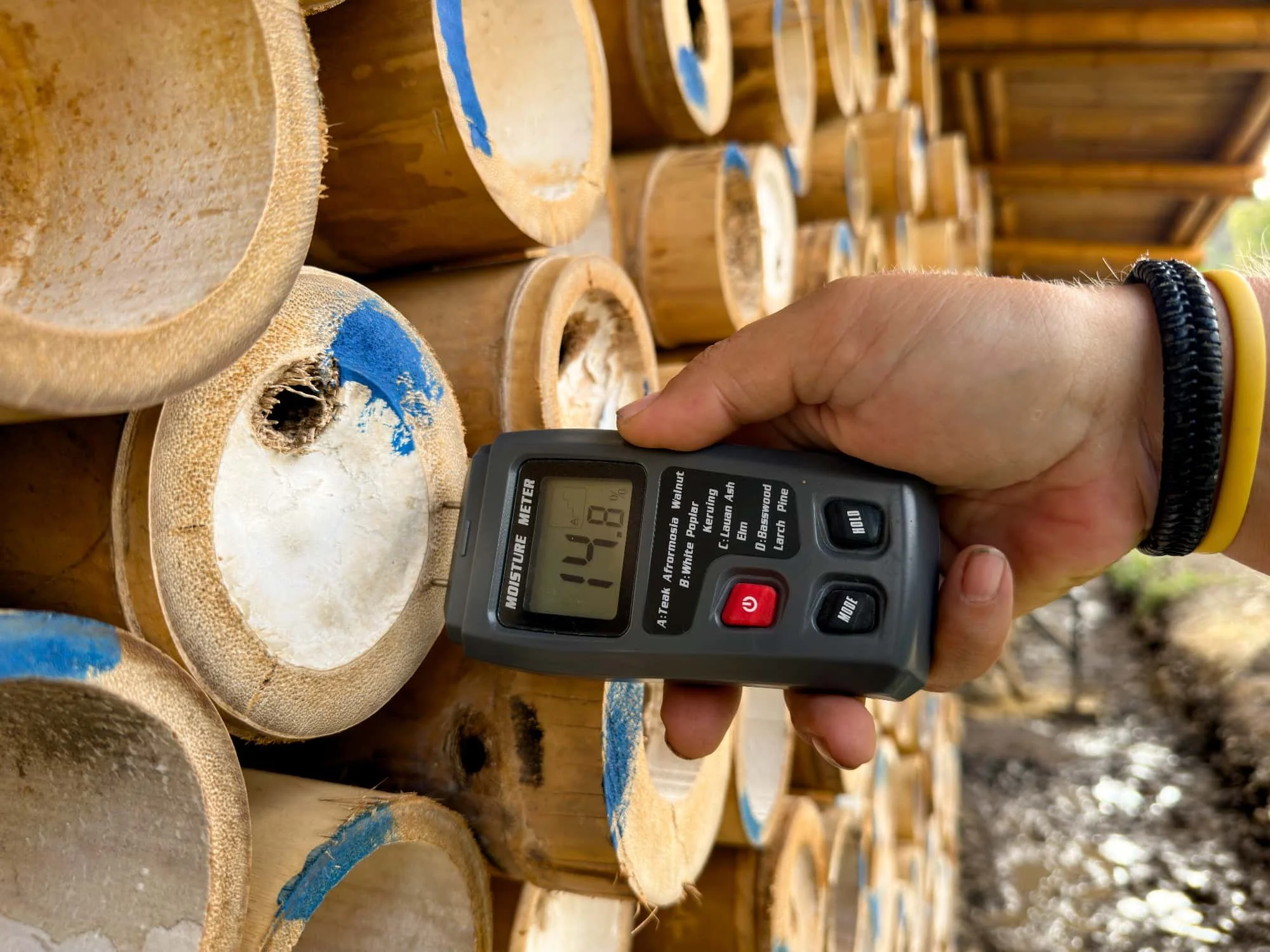
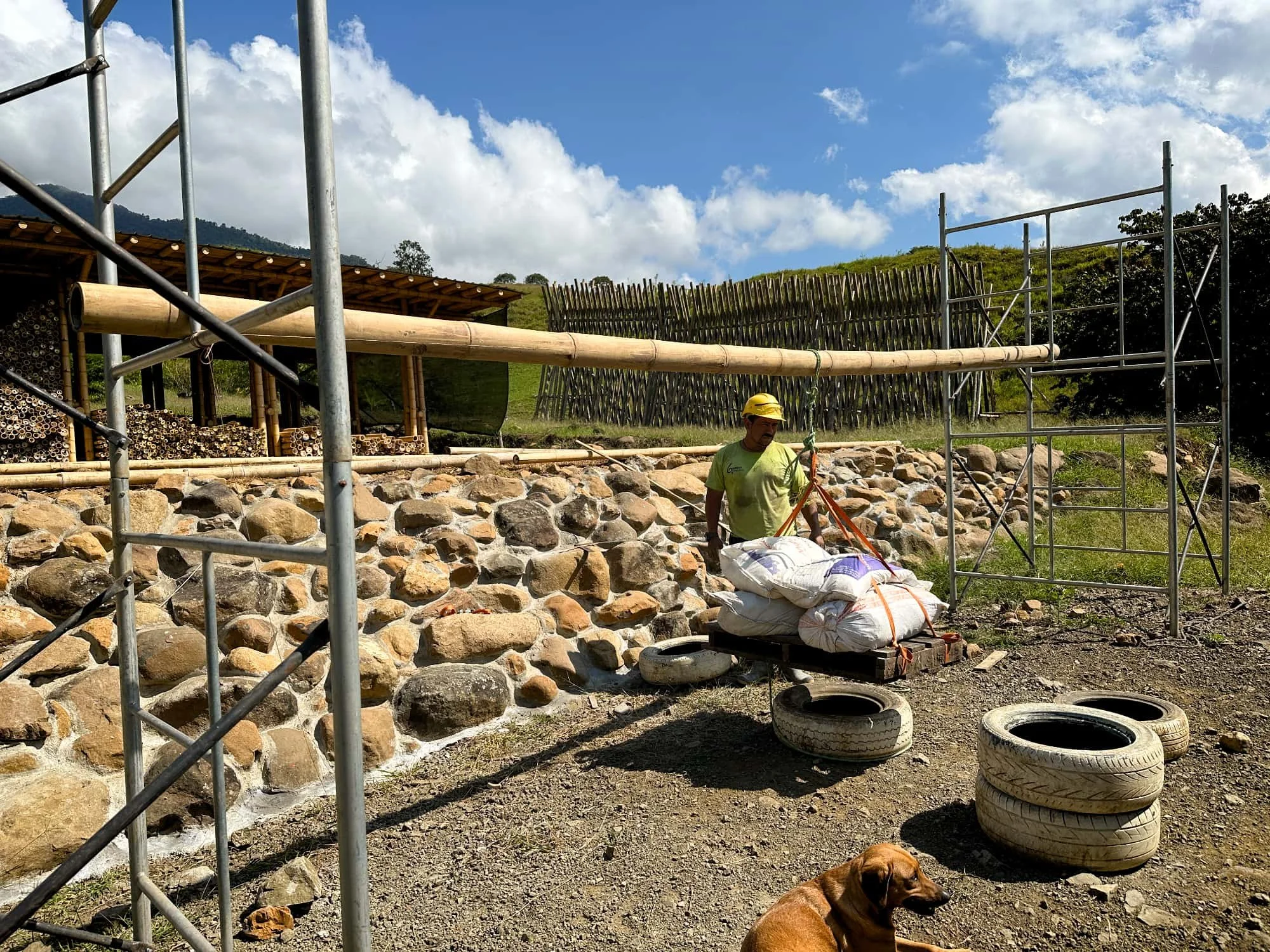
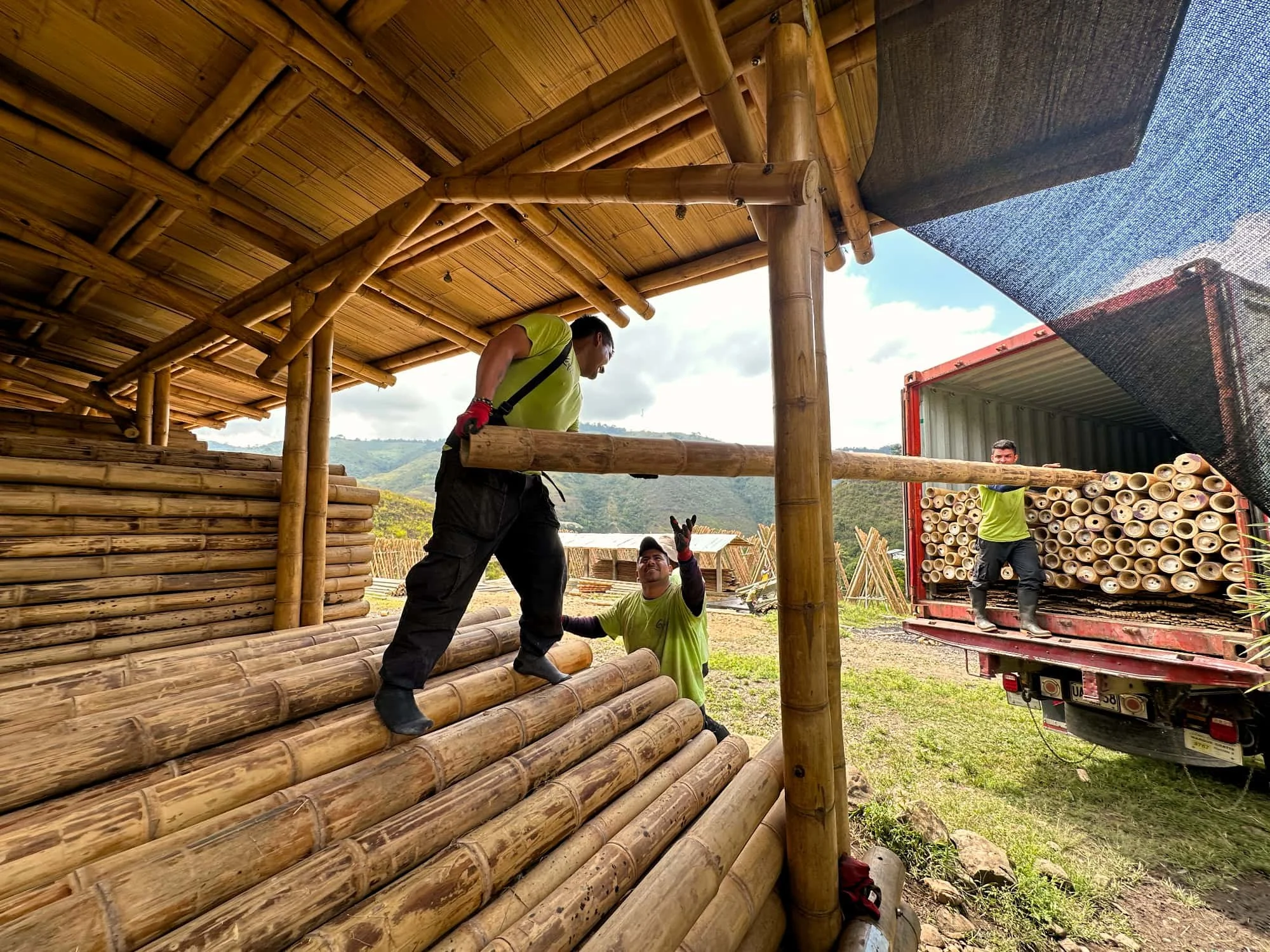
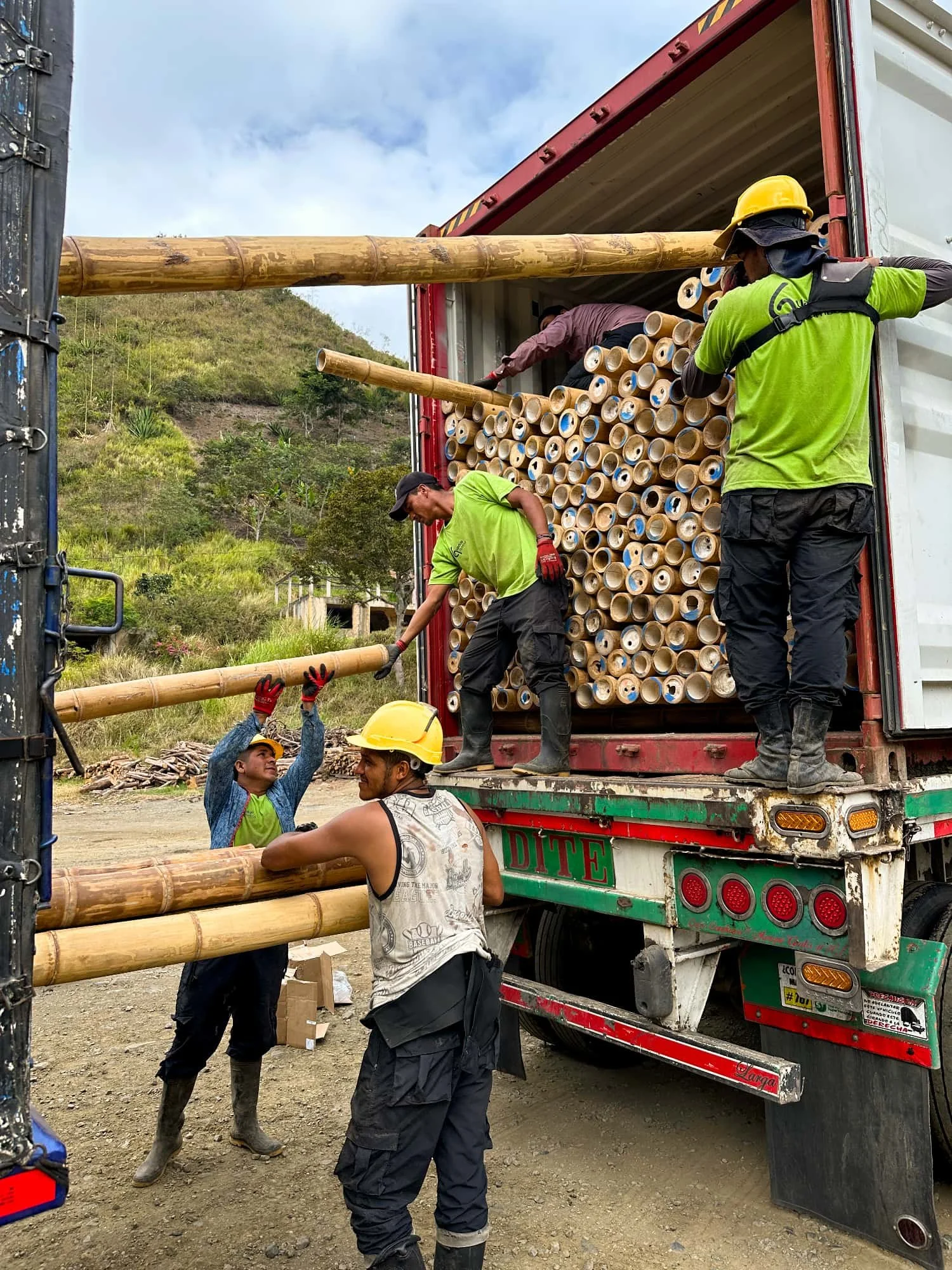
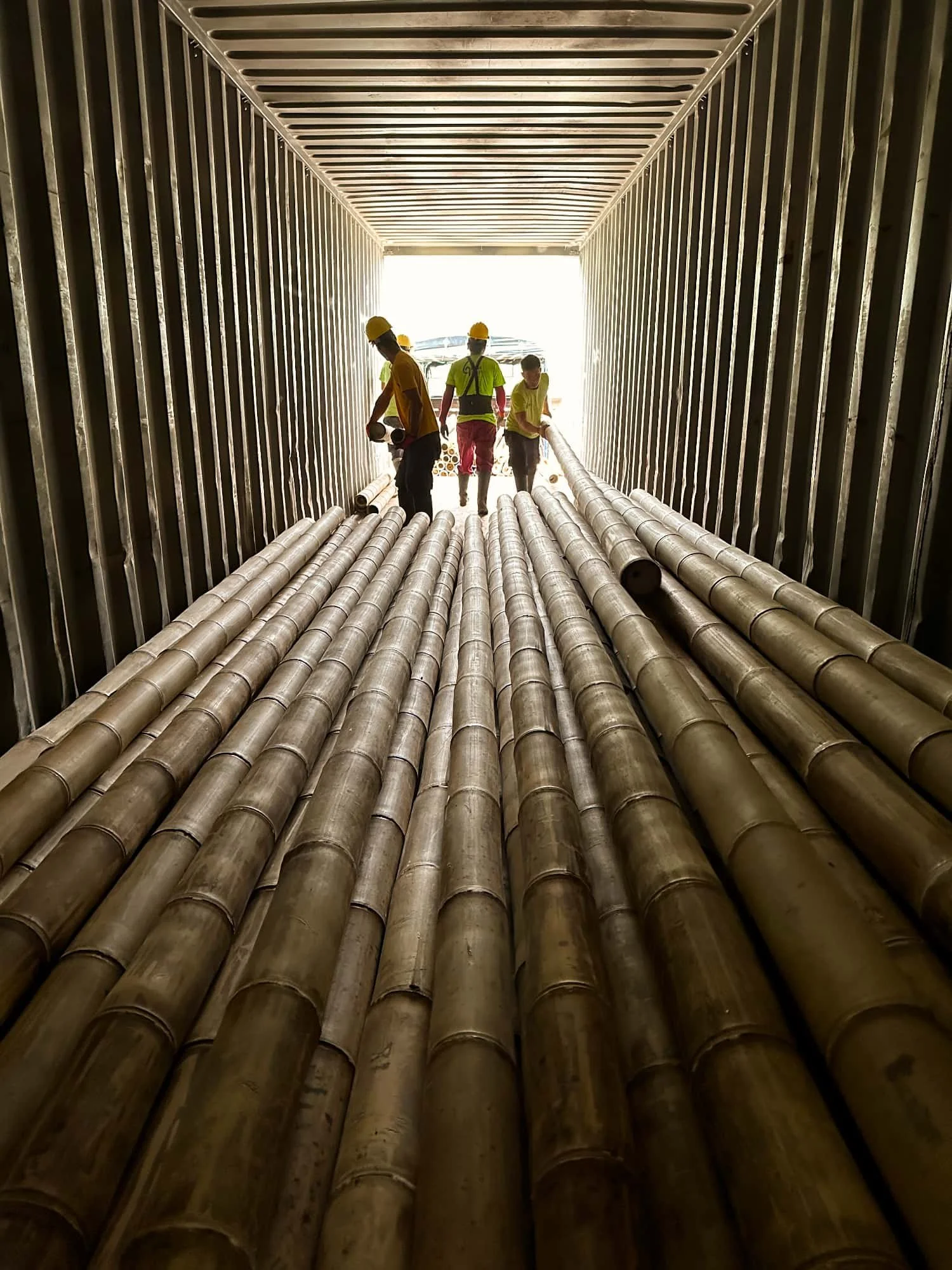
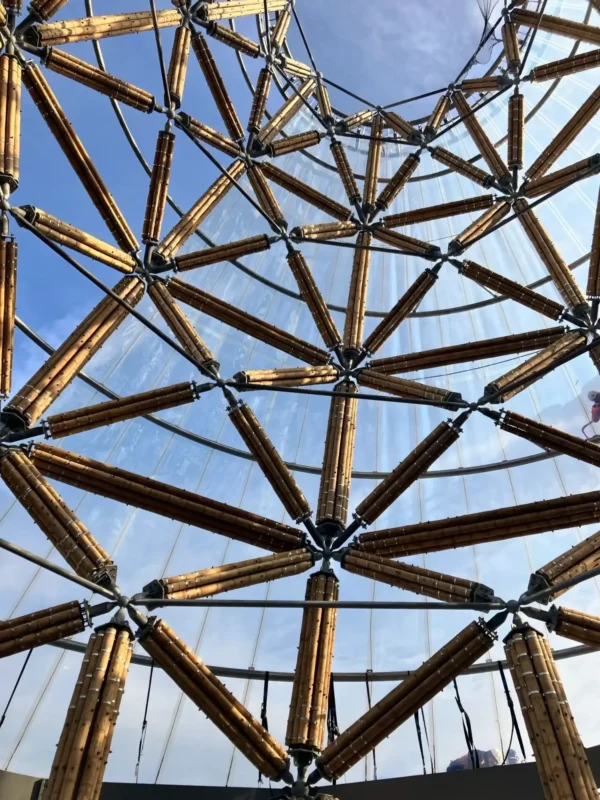
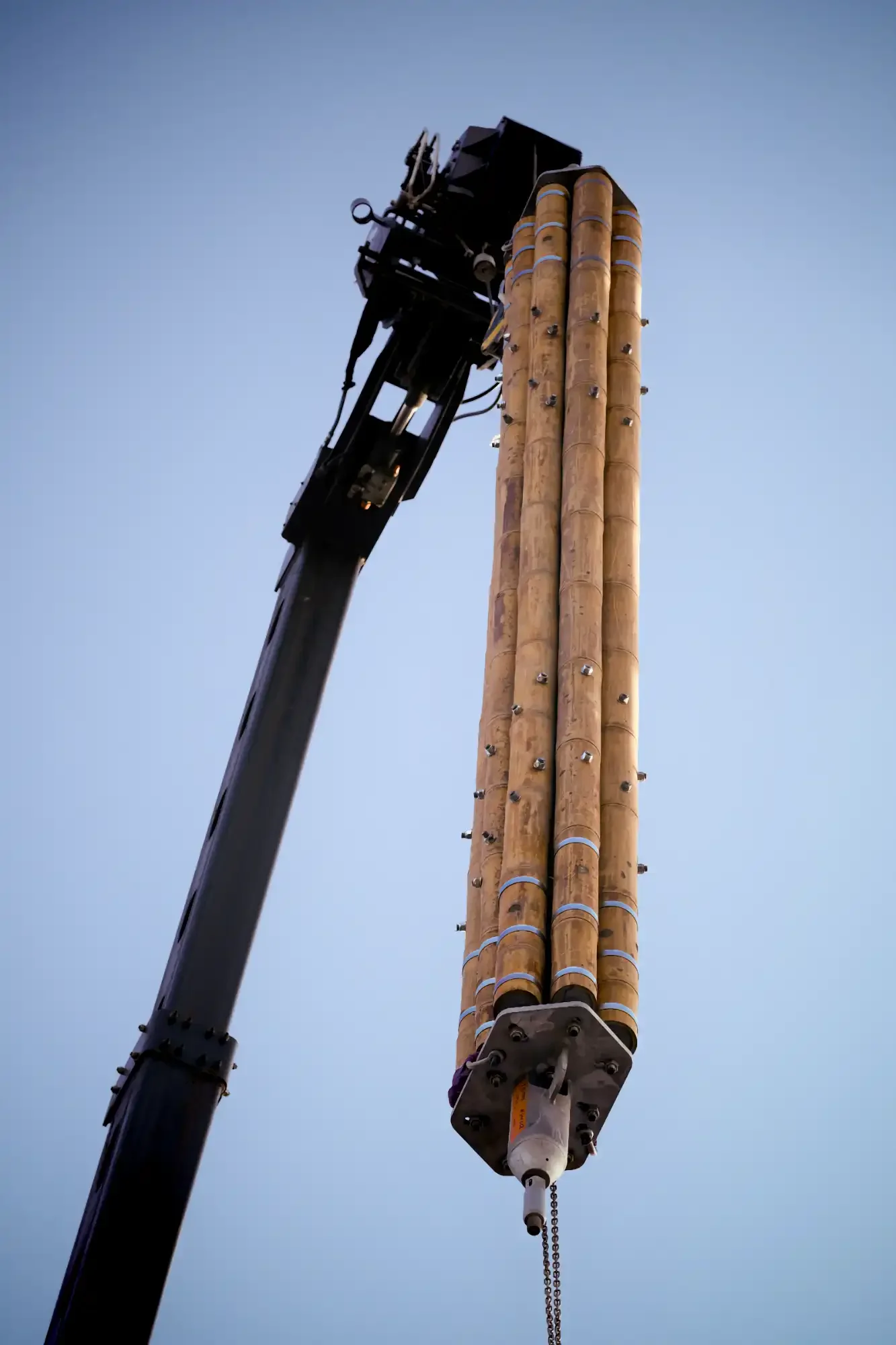
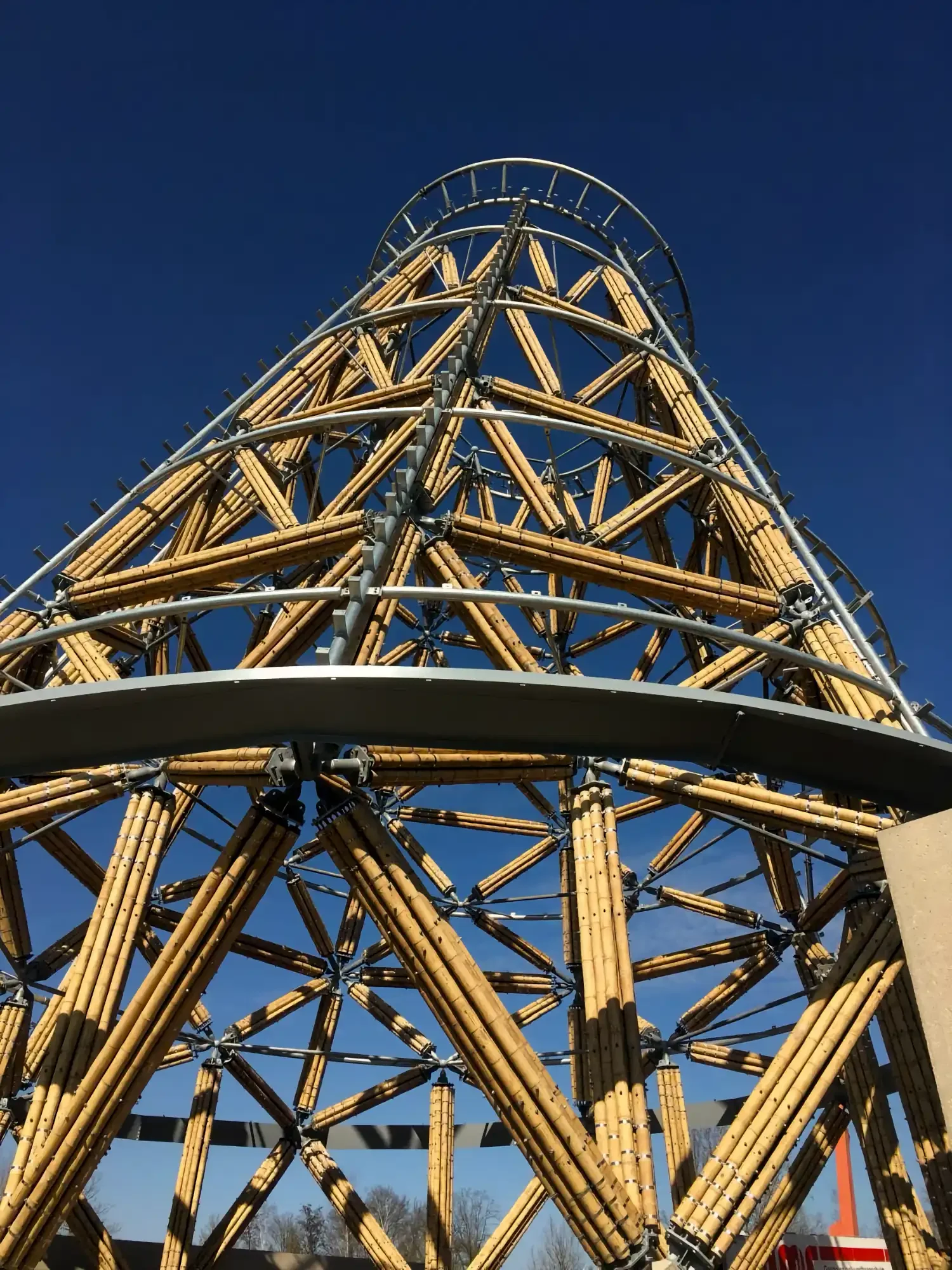
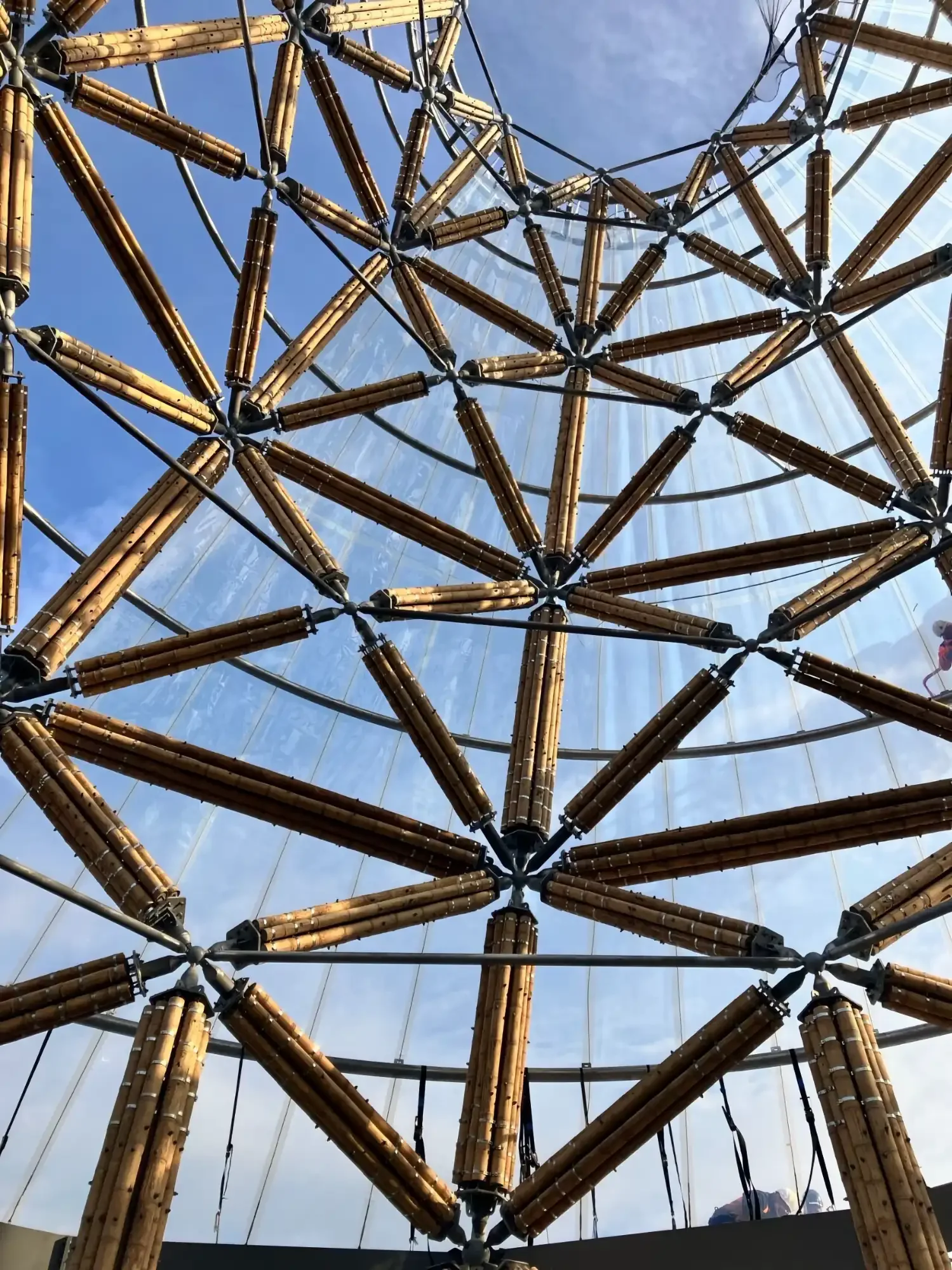
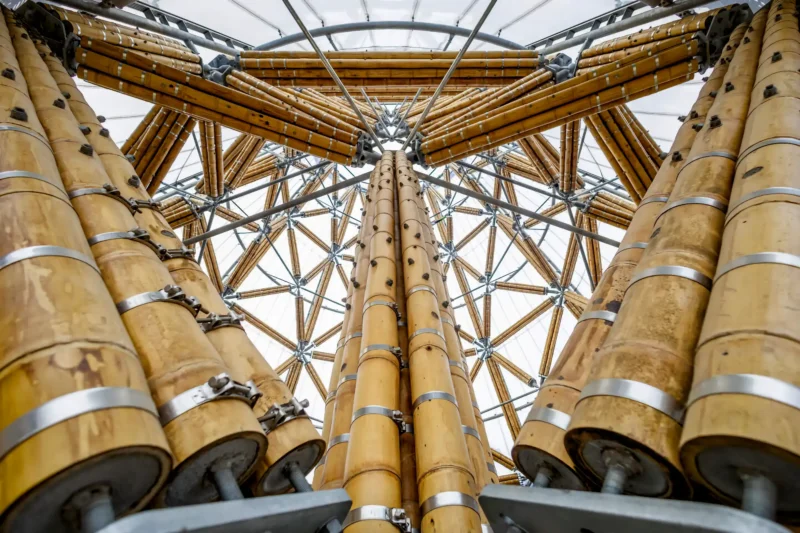
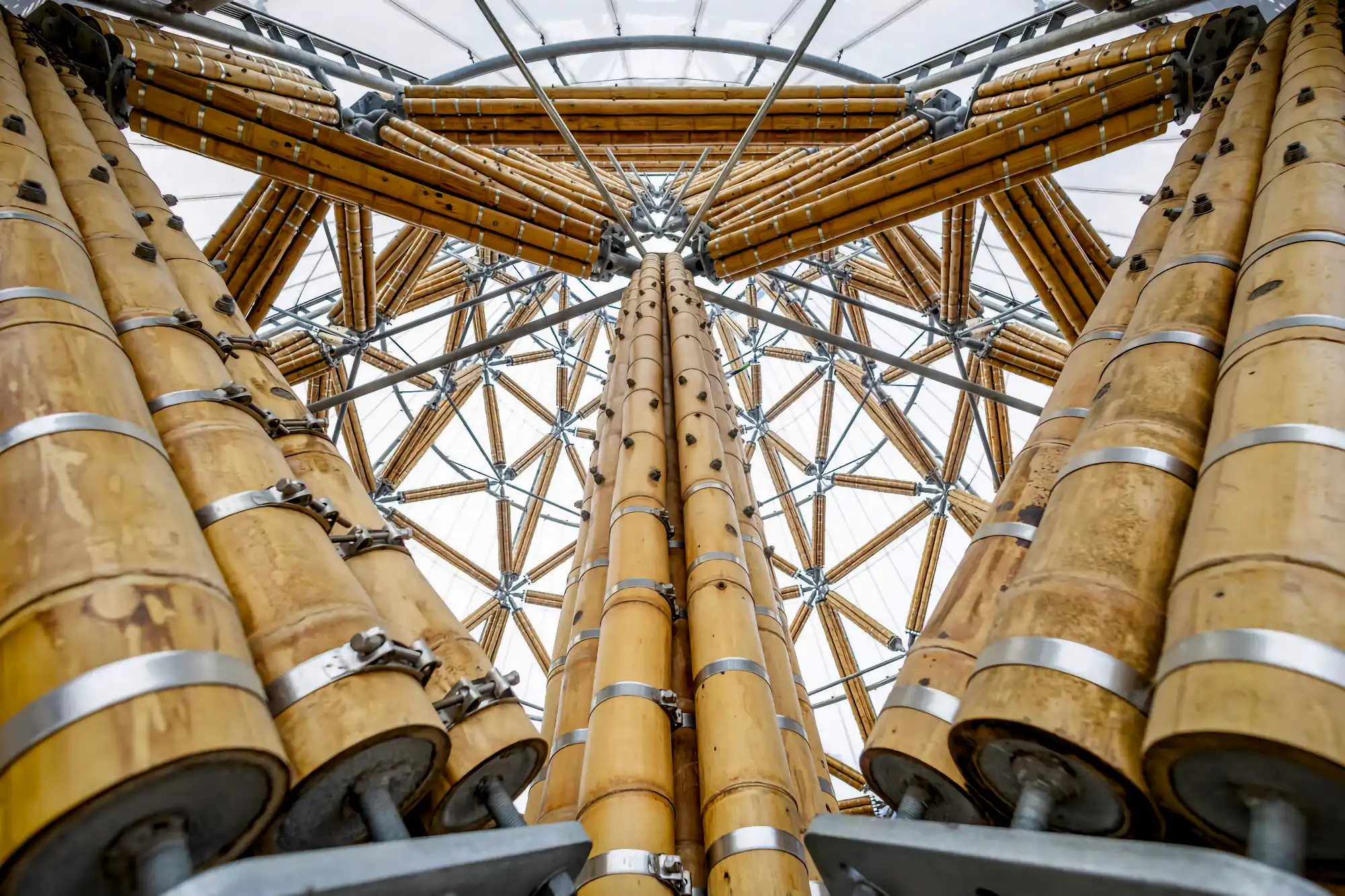
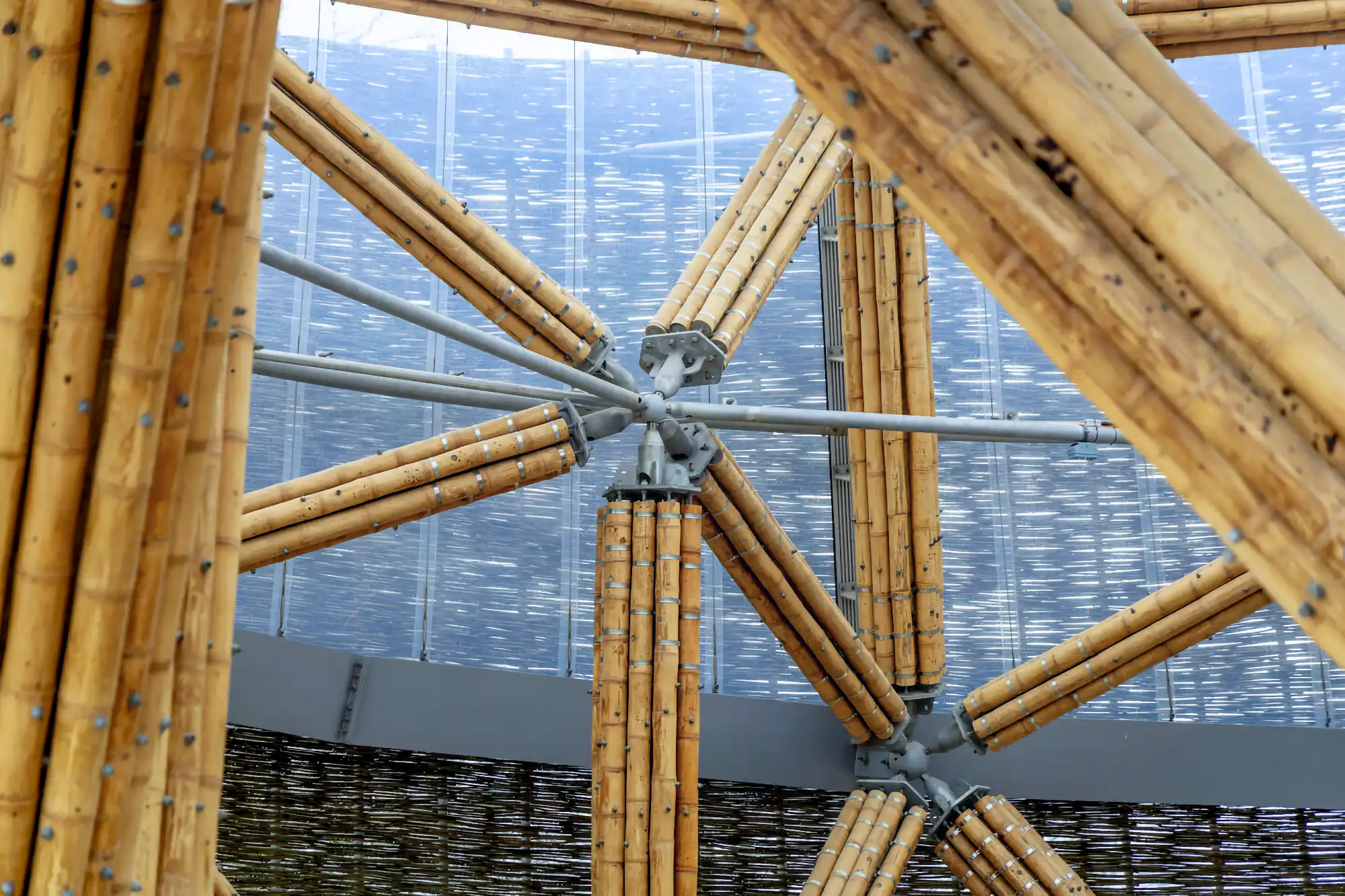
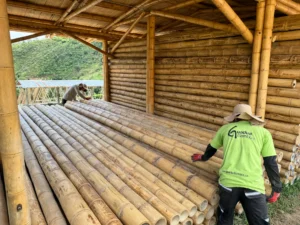
As the primary material supplier, Guadua Bamboo SAS provided the high grade structural poles from our facility in Valle del Cauca. Every pole was hand selected and calibrated to meet the exact specifications required for the structural assembly. An LCA analysis commissioned by CRU! Architects showed that this material has a more favorable environmental score compared to commonly used wood. This advantage outweighs the environmental cost of the sea transport required to bring the bamboo to Belgium.
To meet strict European safety and fire standards, the bamboo underwent rigorous structural testing at de Noordboom in collaboration with Ghent University. This pioneering work took the expertise of Ph.D. architect Sven Mouton and the dedicated team at MOUTON for structural design. They navigated a five year journey of groundbreaking calculations, testing, and certification. Their efforts paved the way for bamboo construction in Europe despite the absence of standardized building codes for the material. This work has now set the foundation for future bamboo projects across the continent.


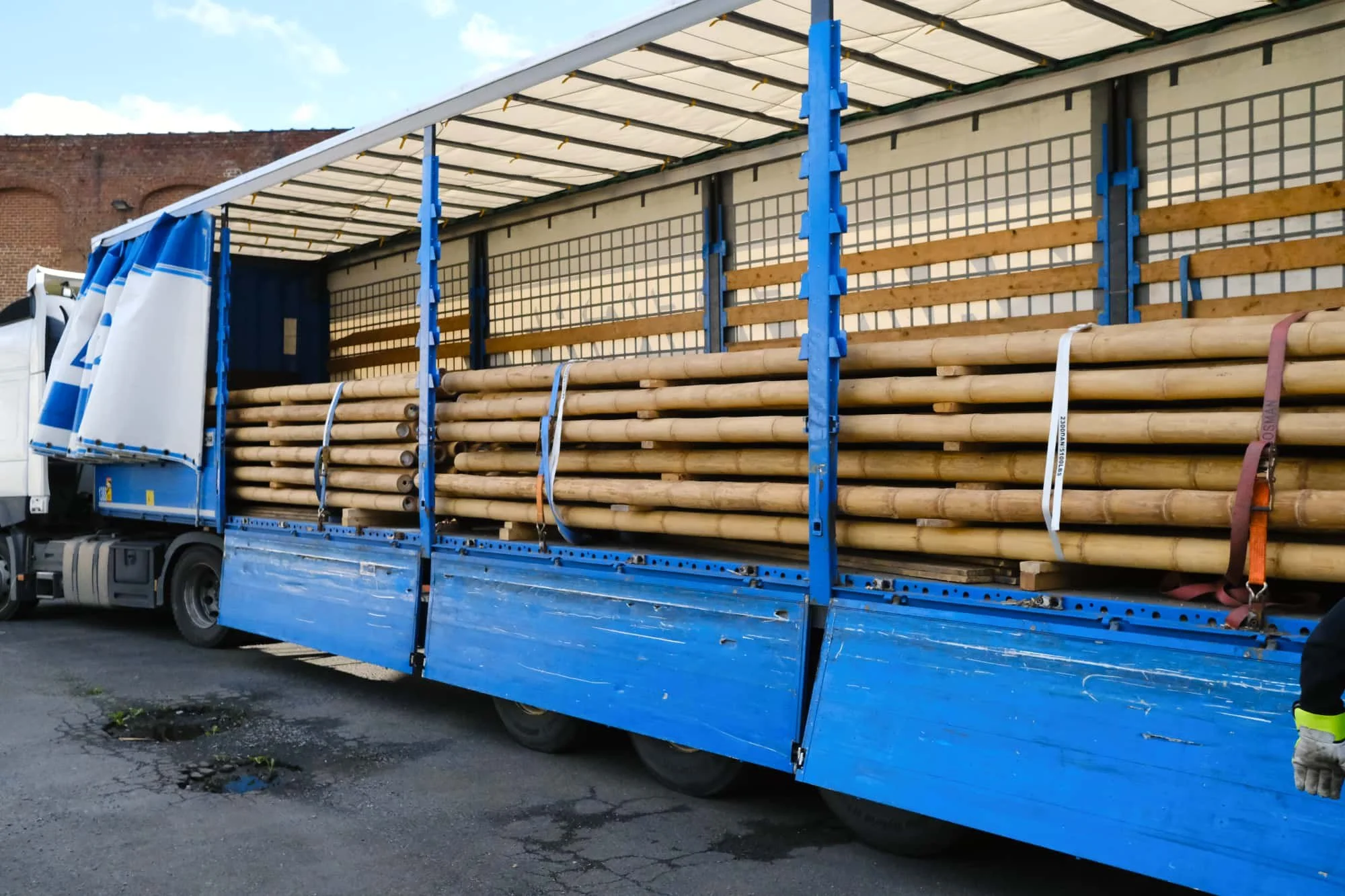
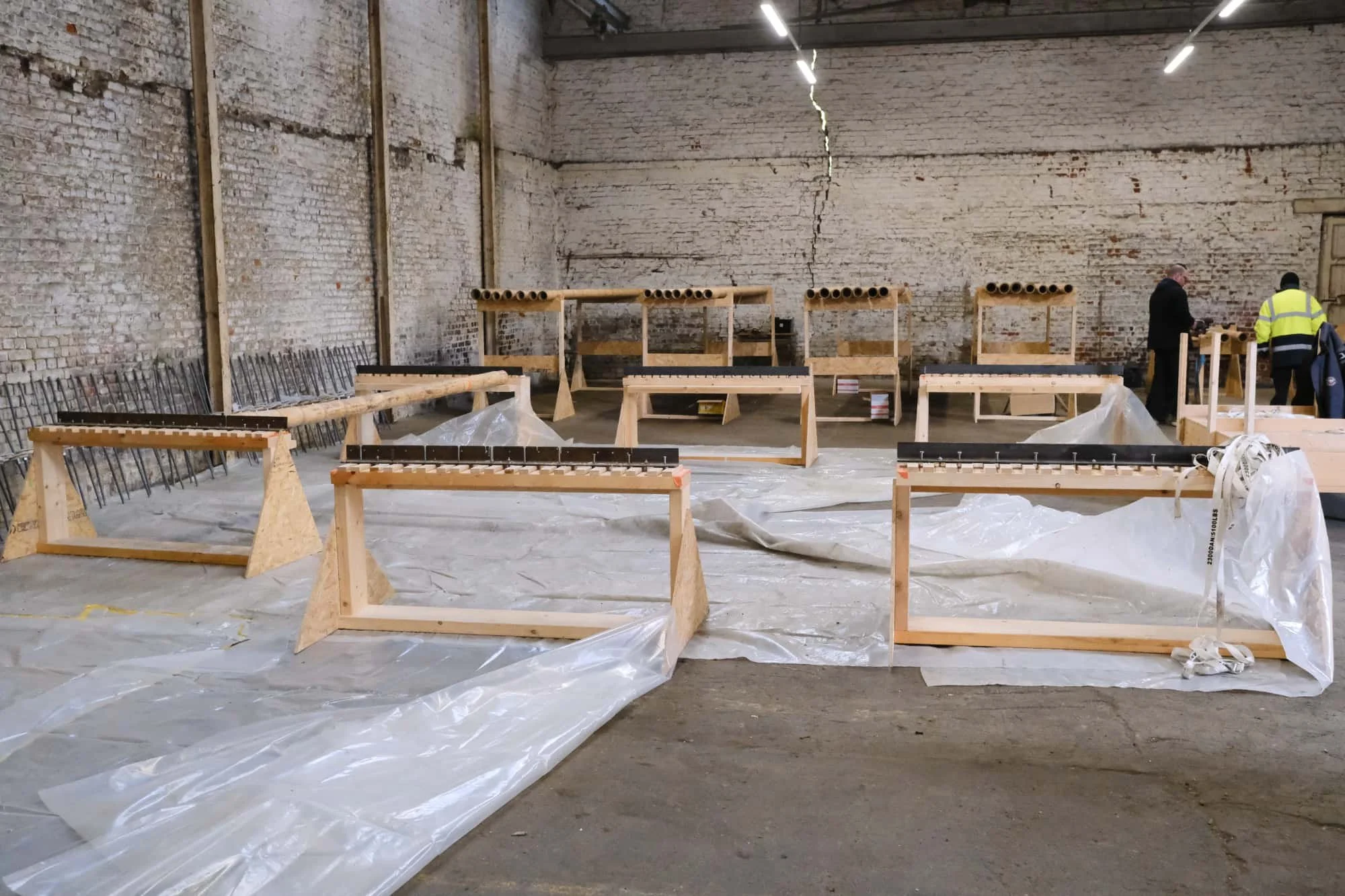
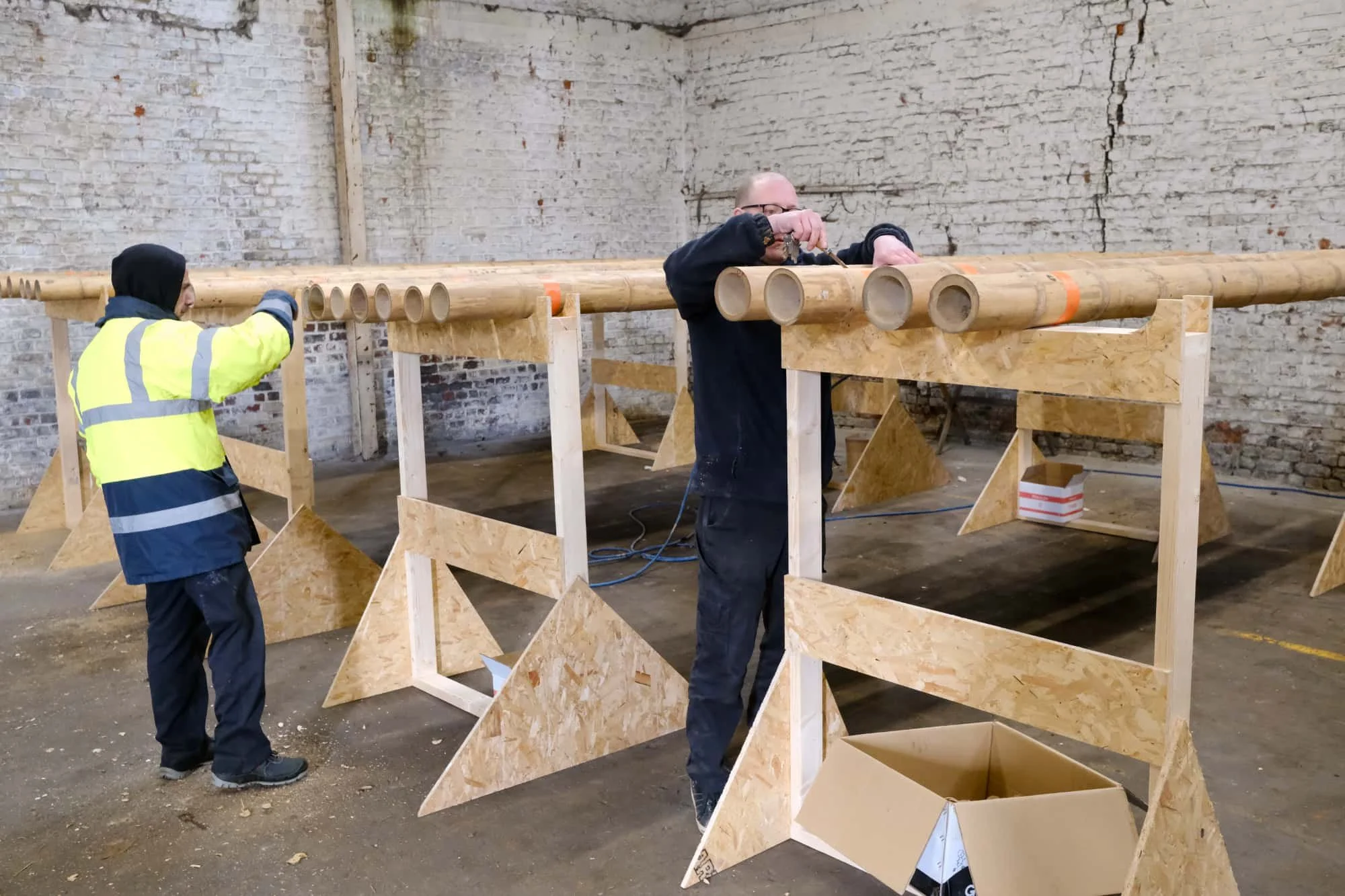
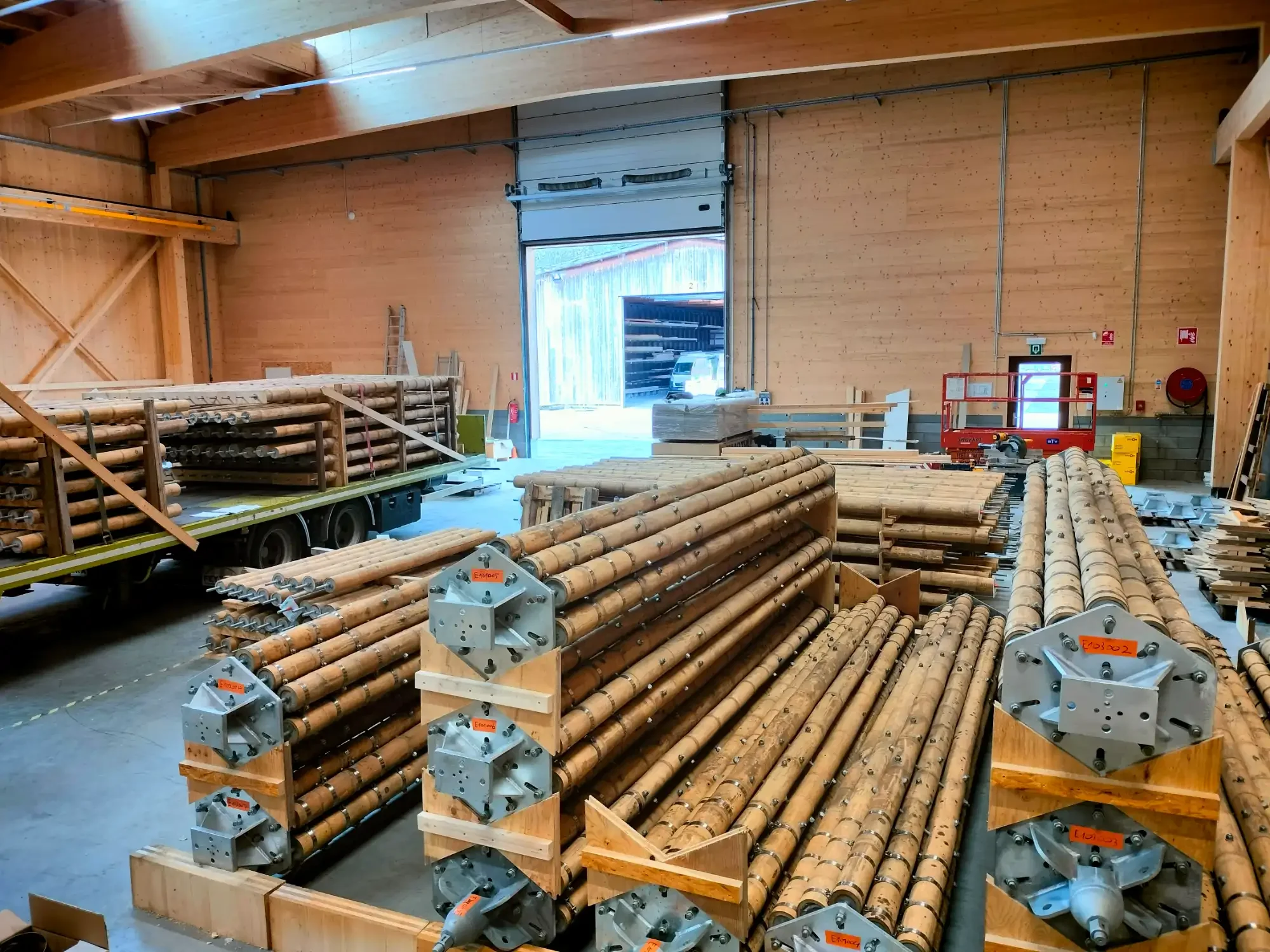

Structural Assembly and Site Construction
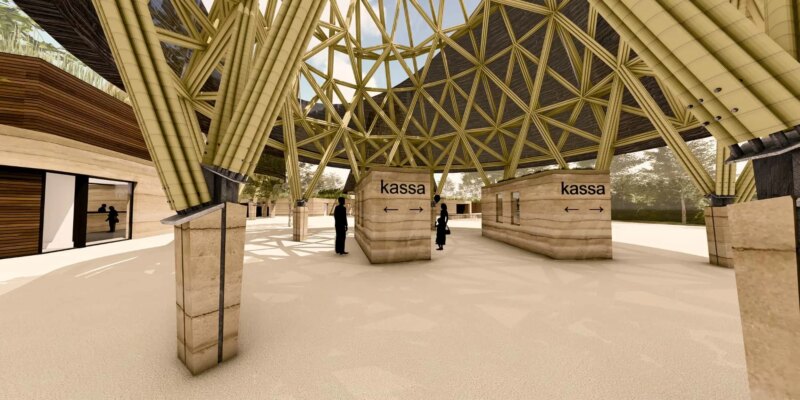
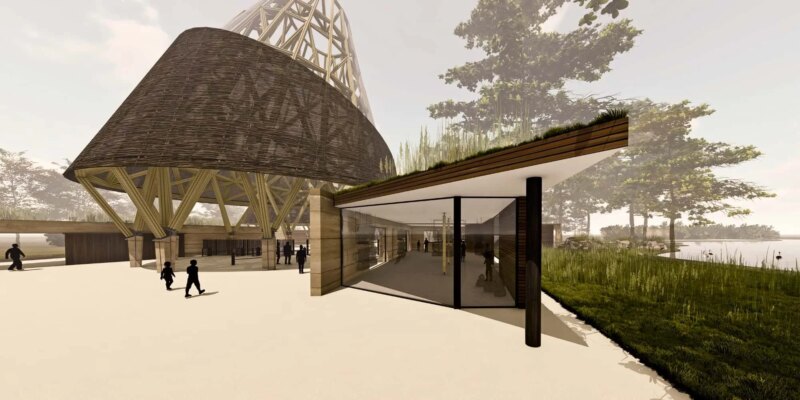
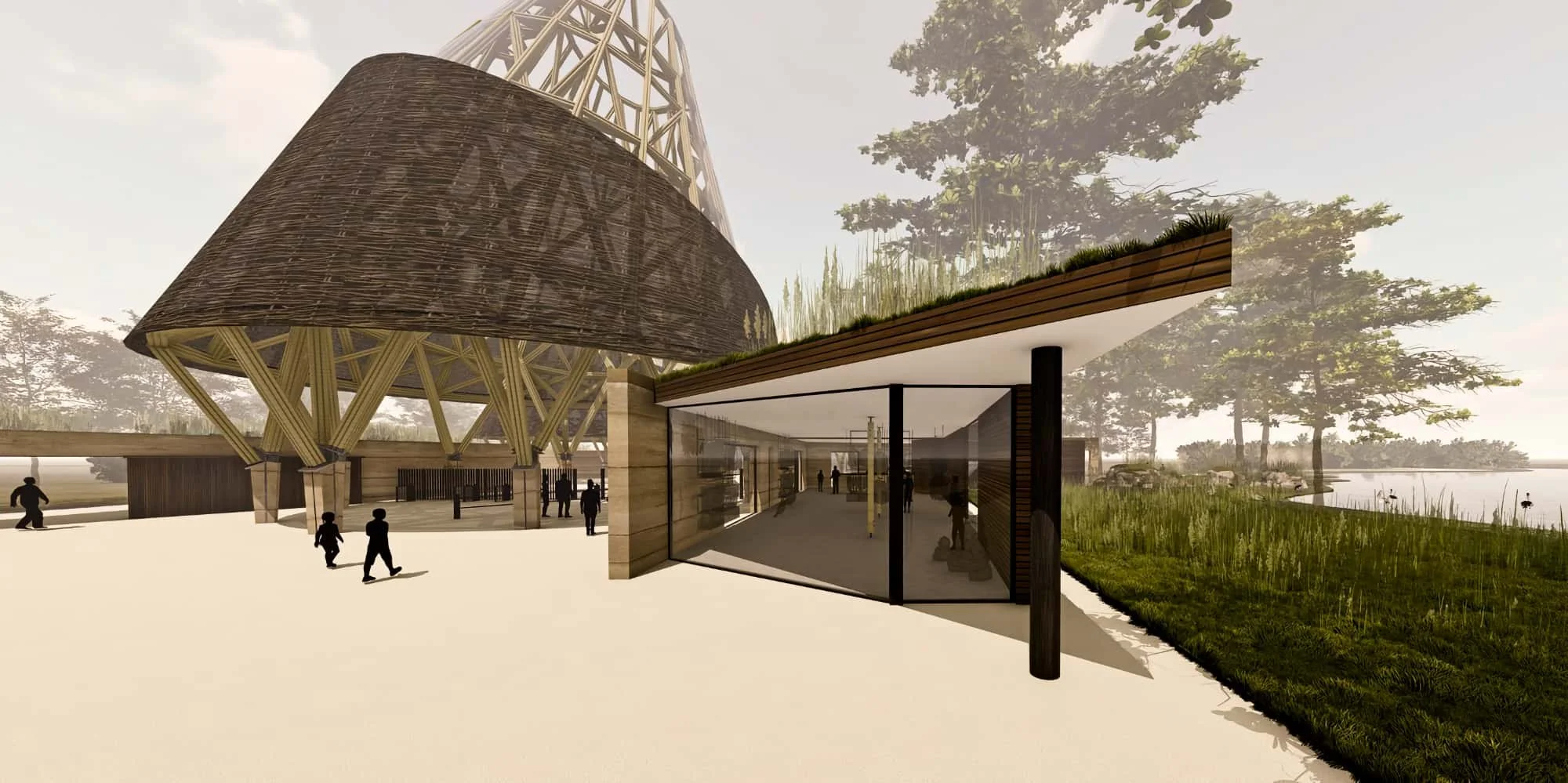
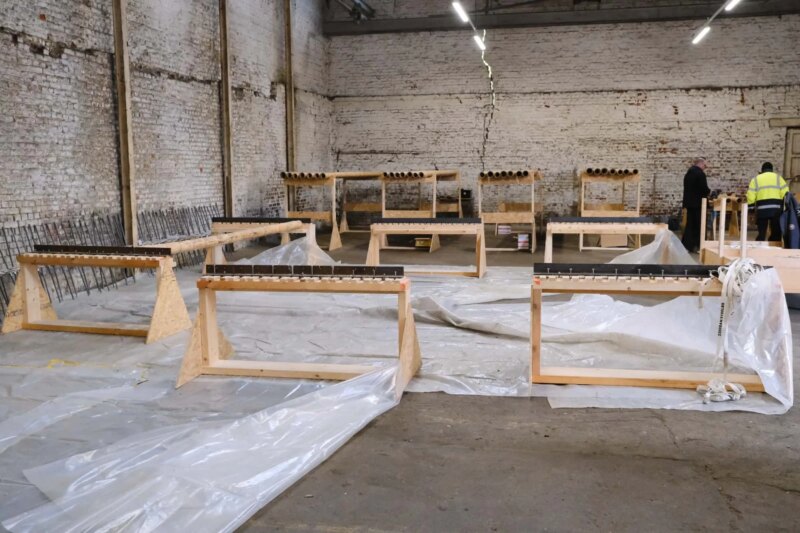
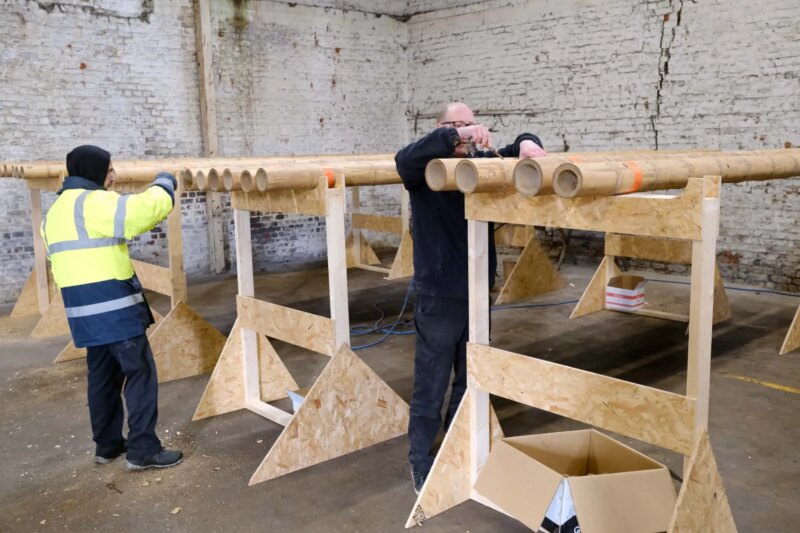
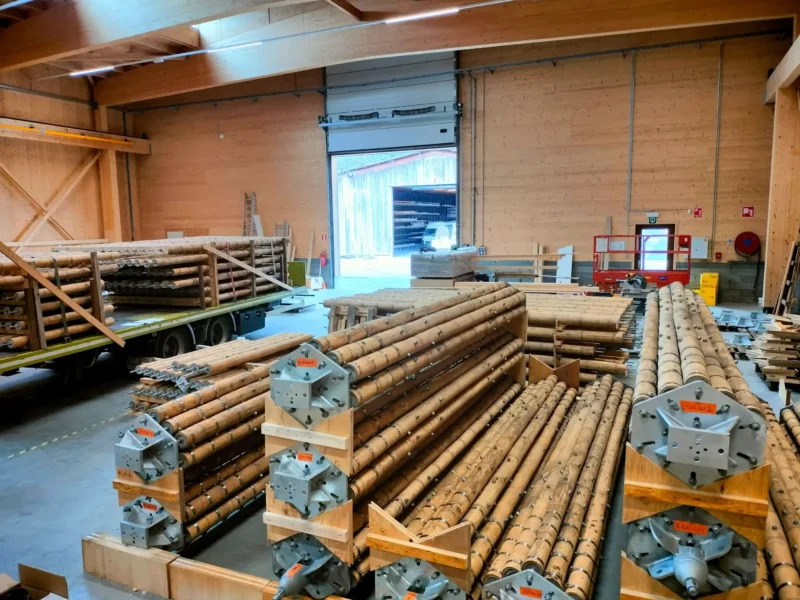
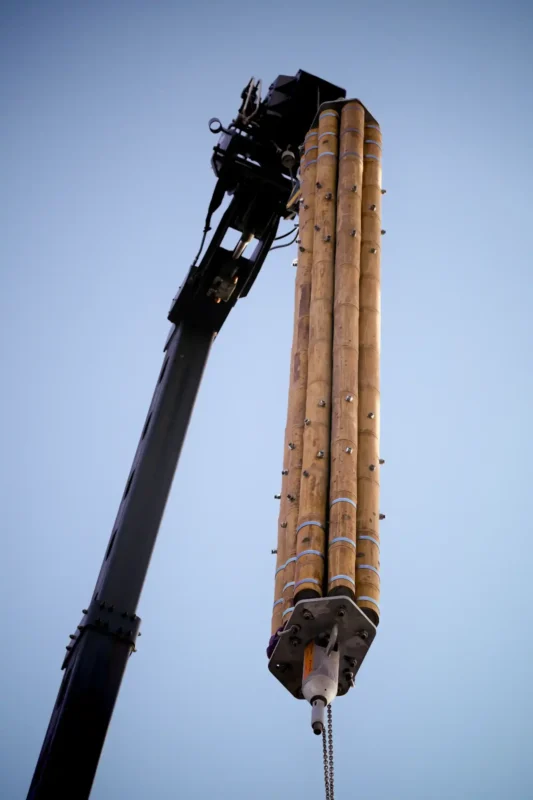
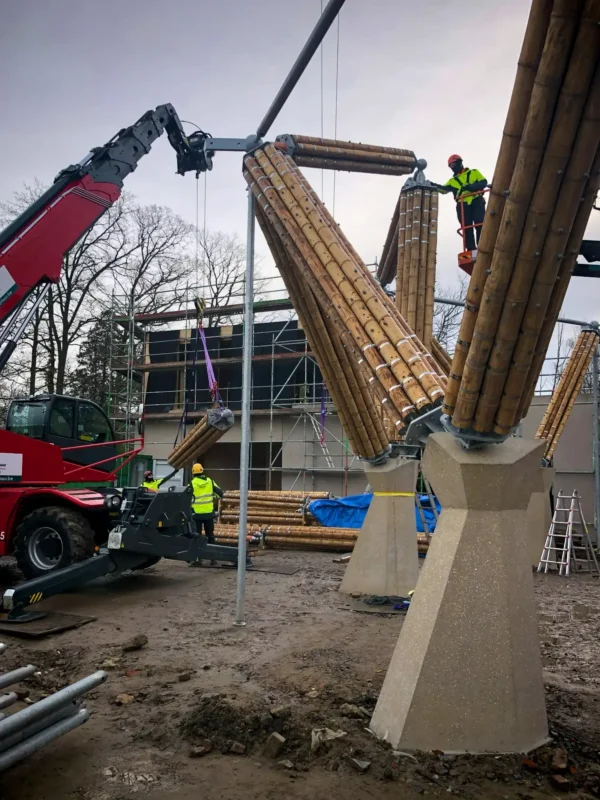
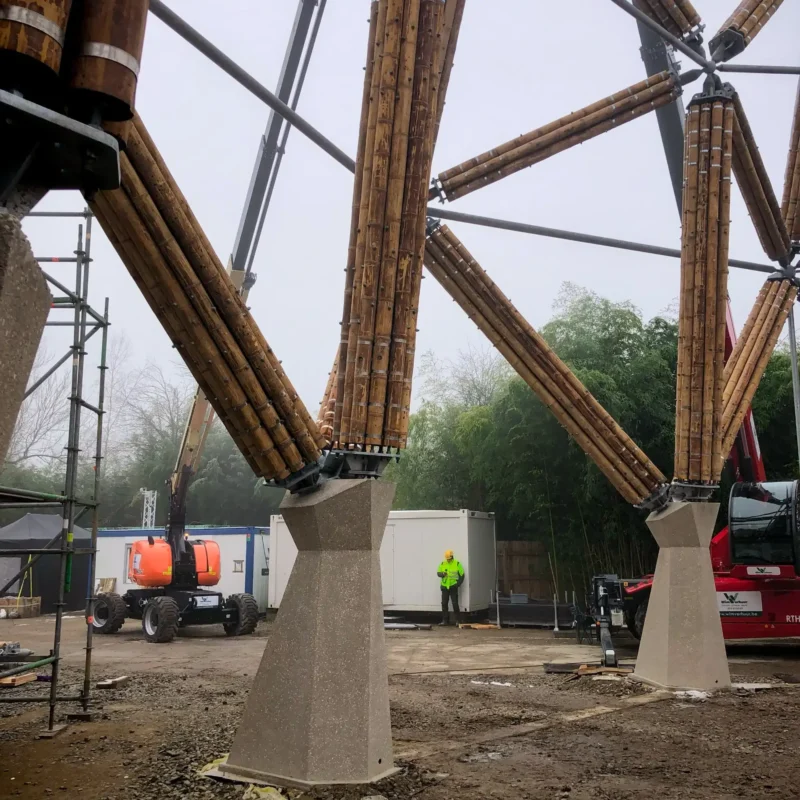
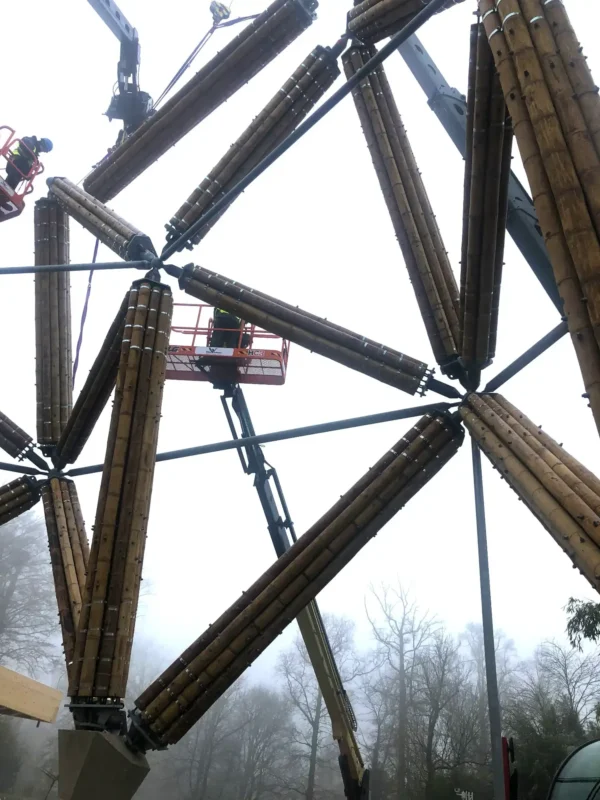
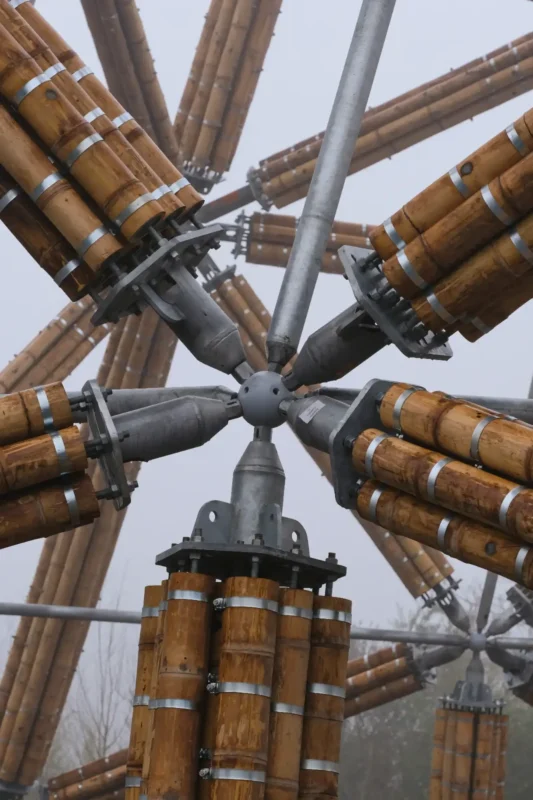
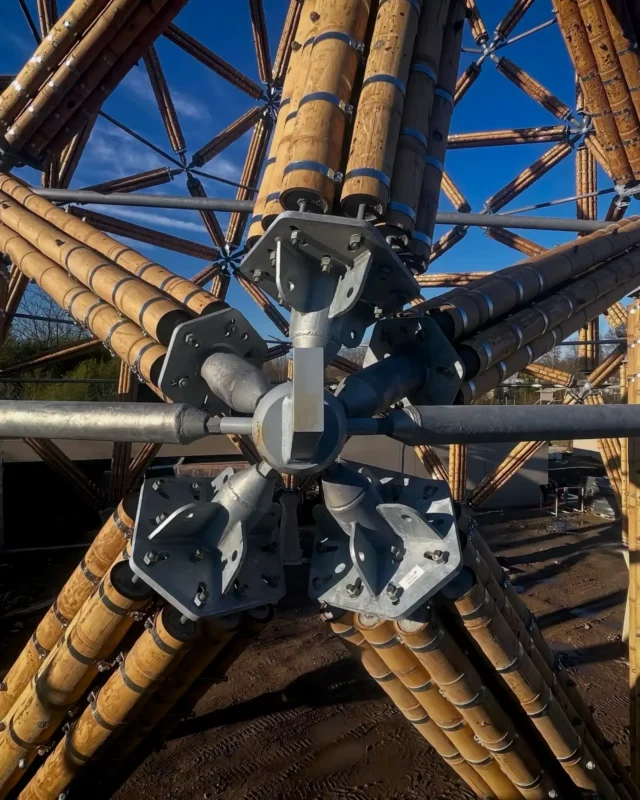
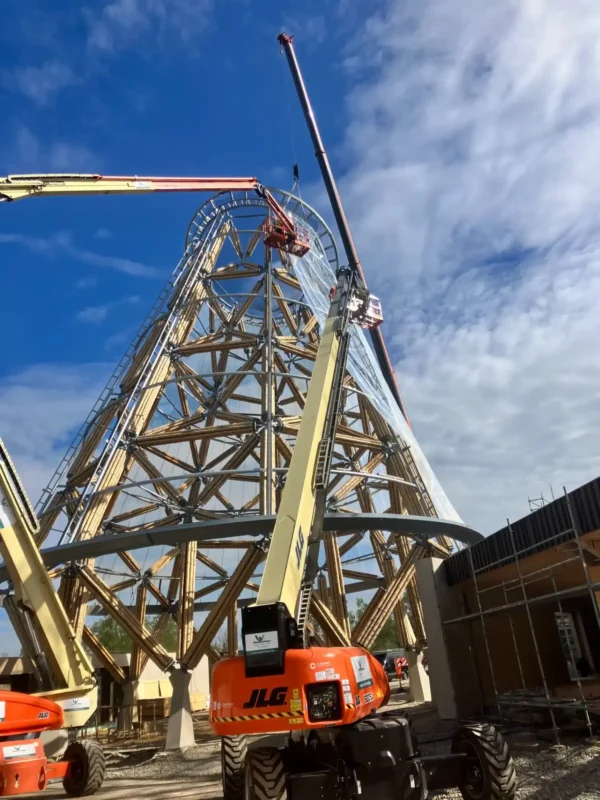
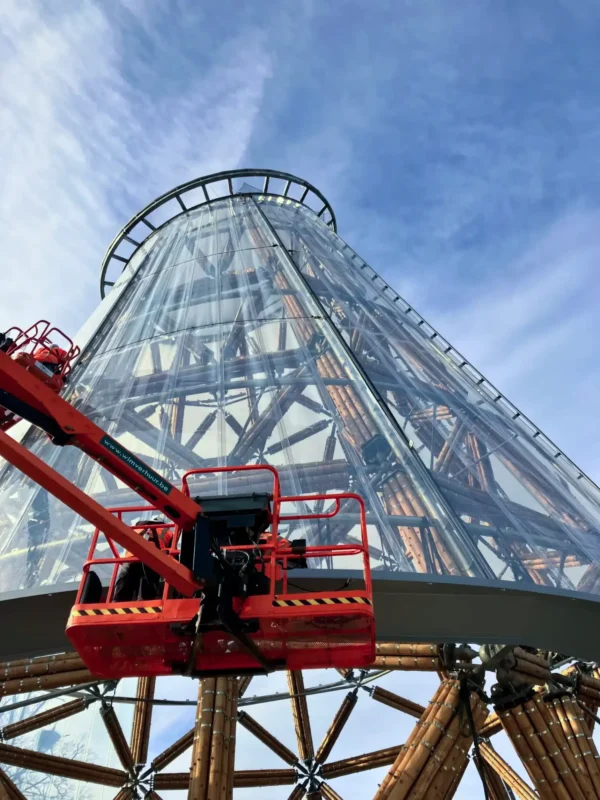
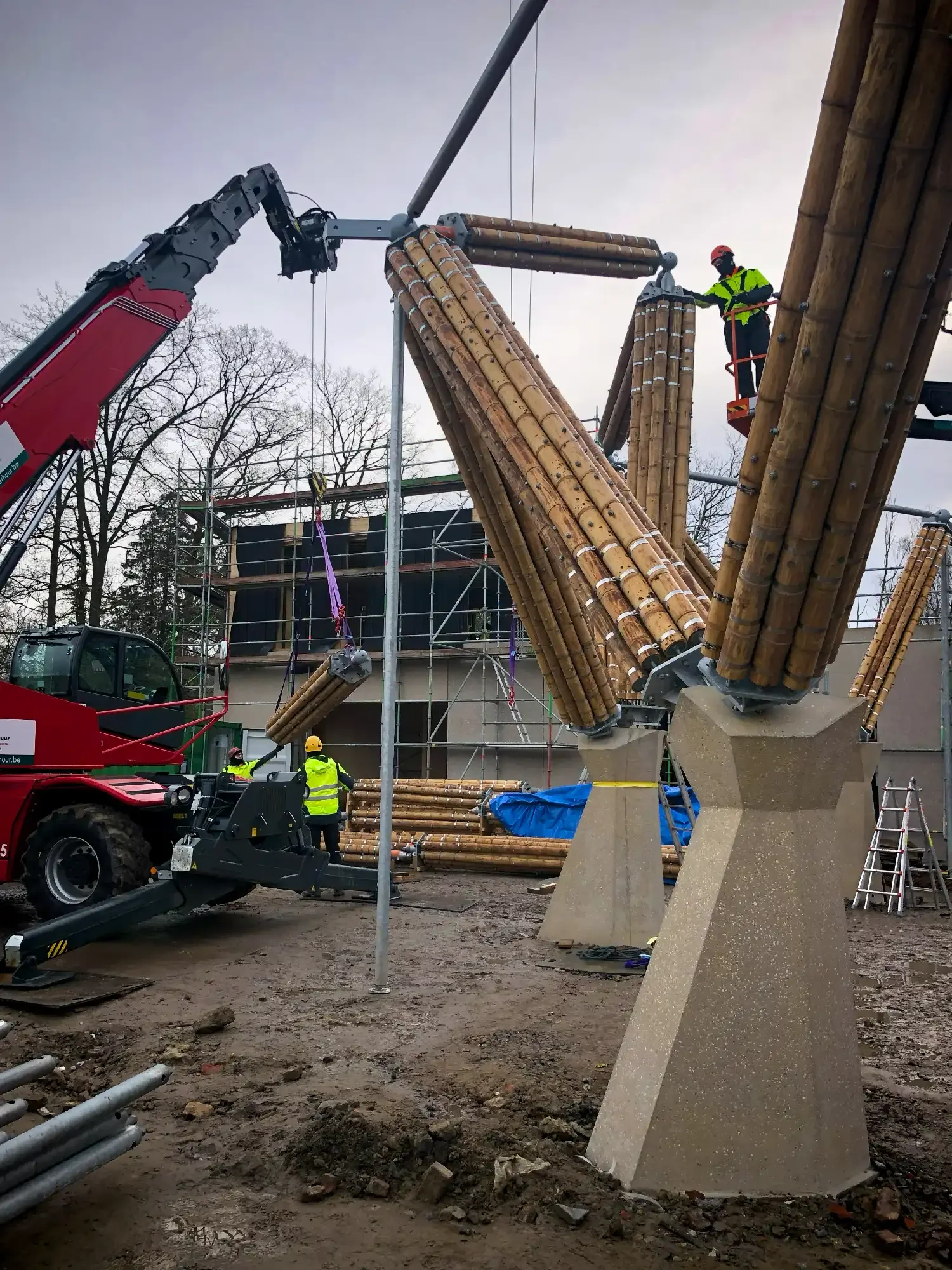
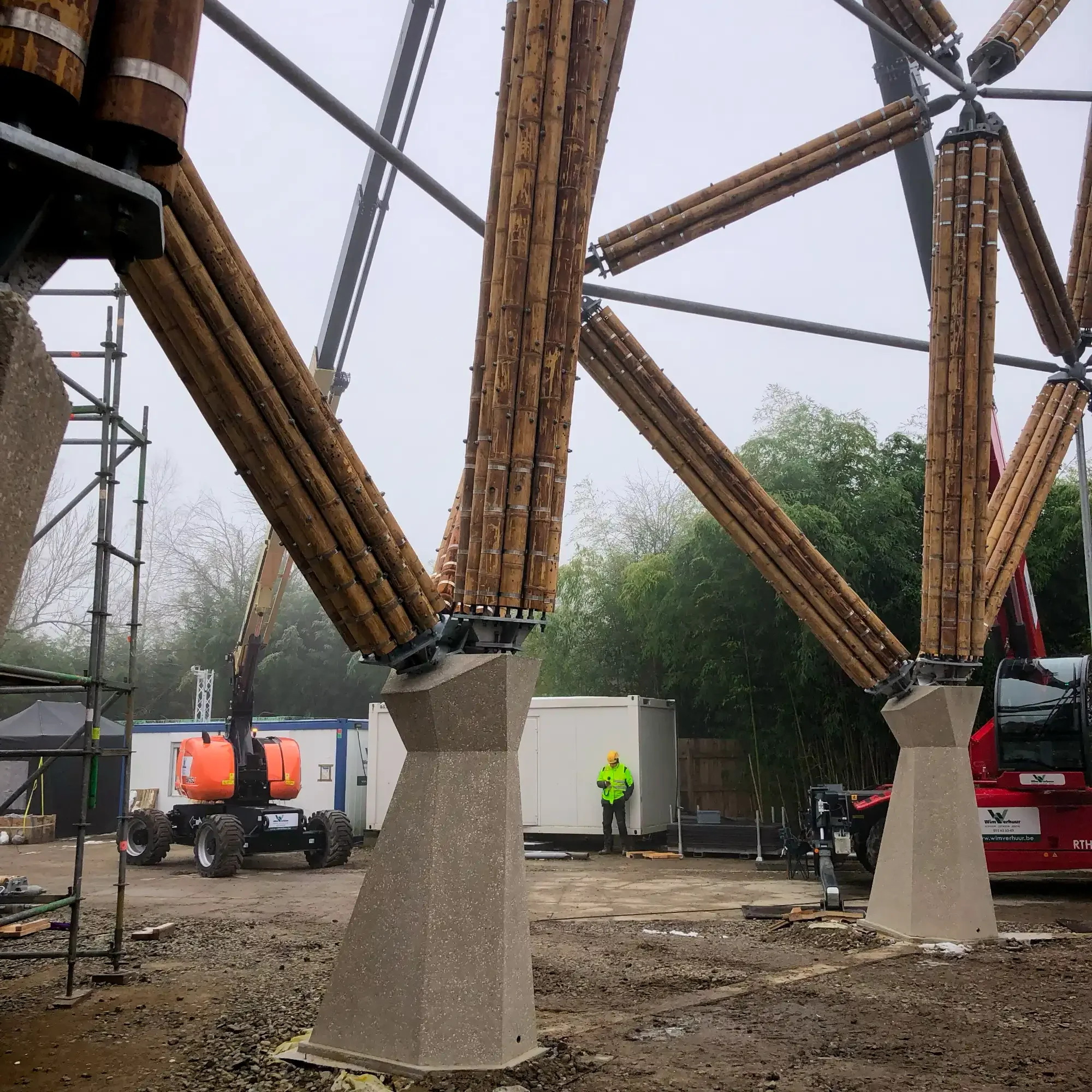
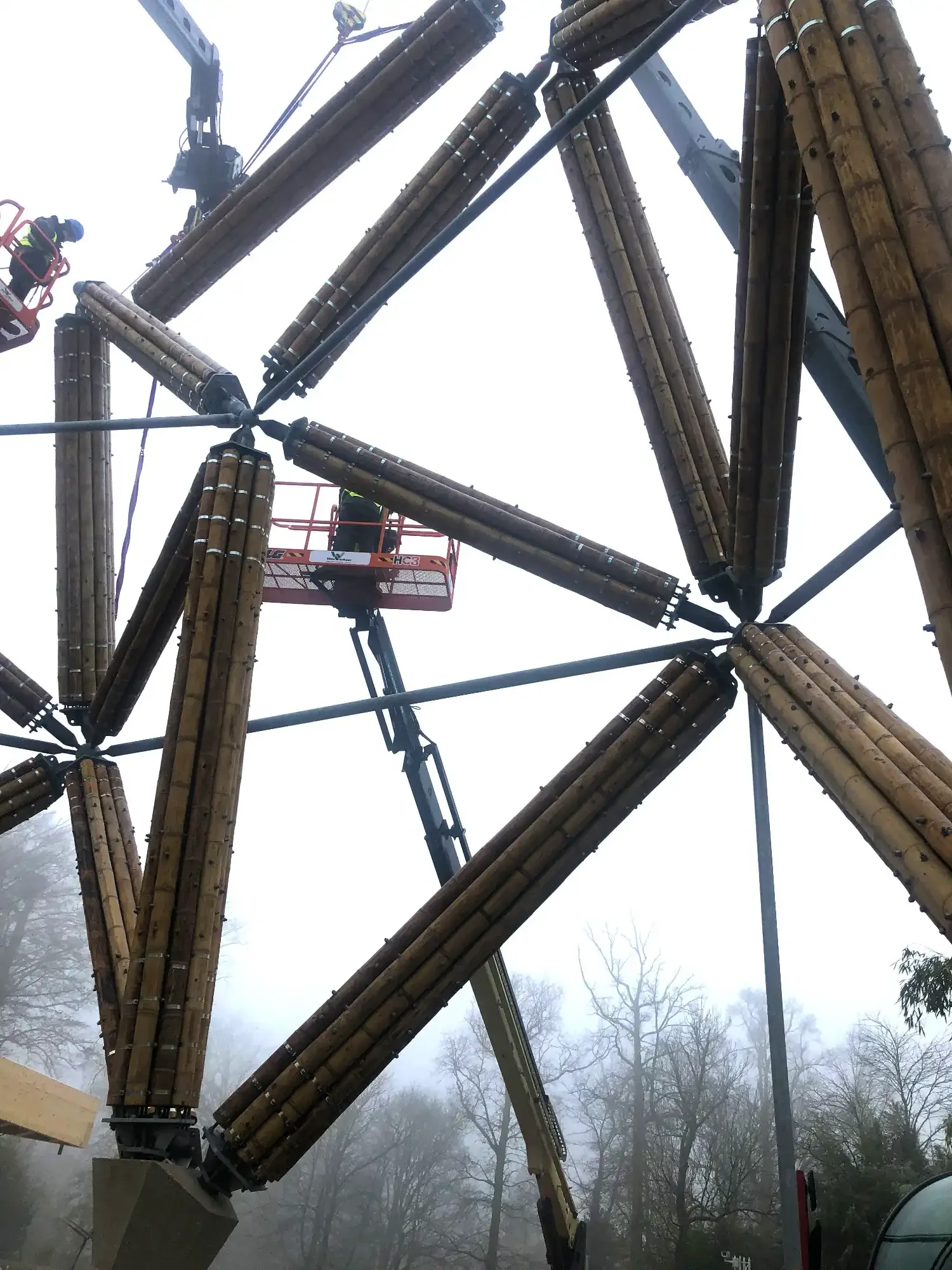
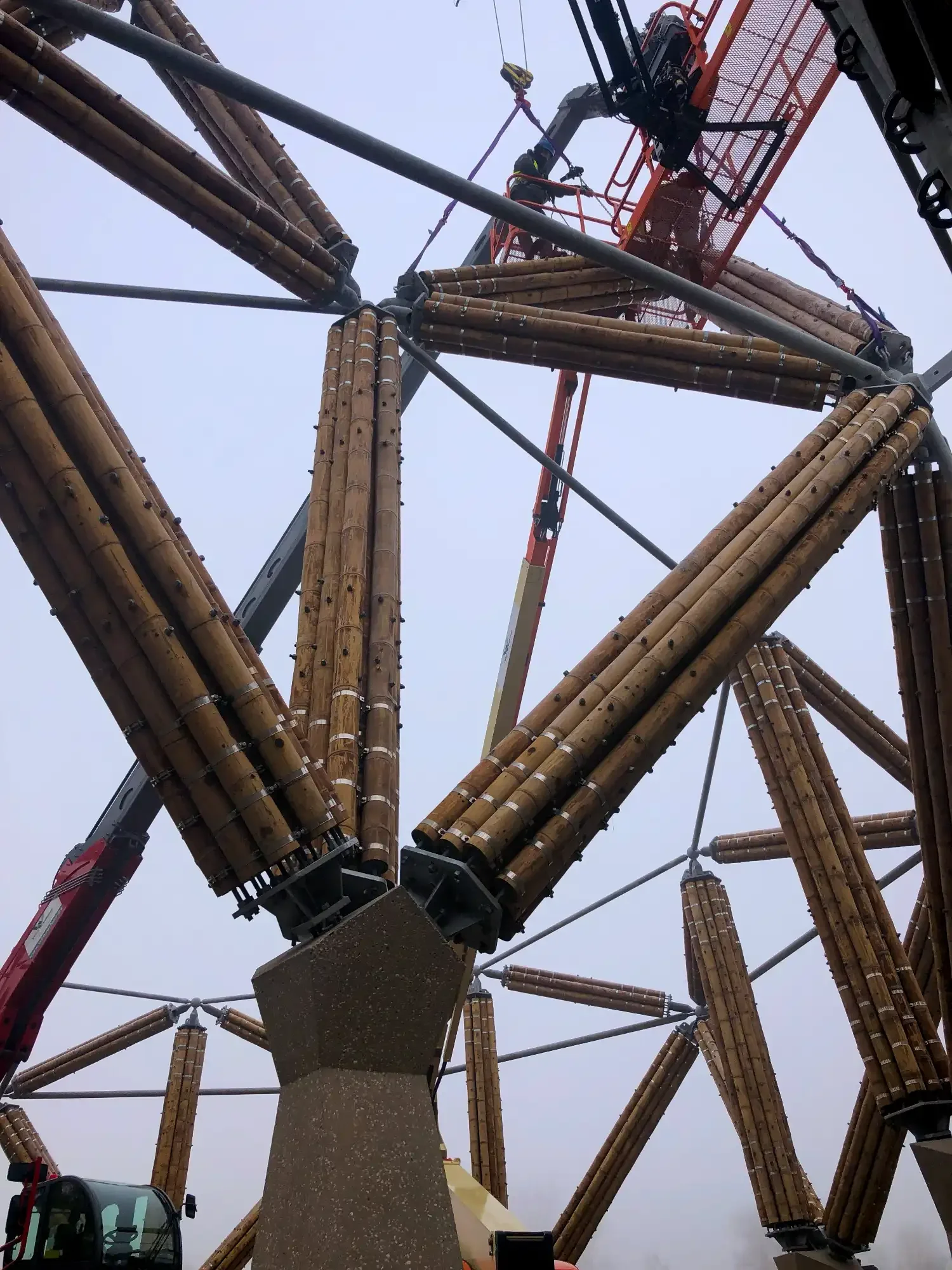
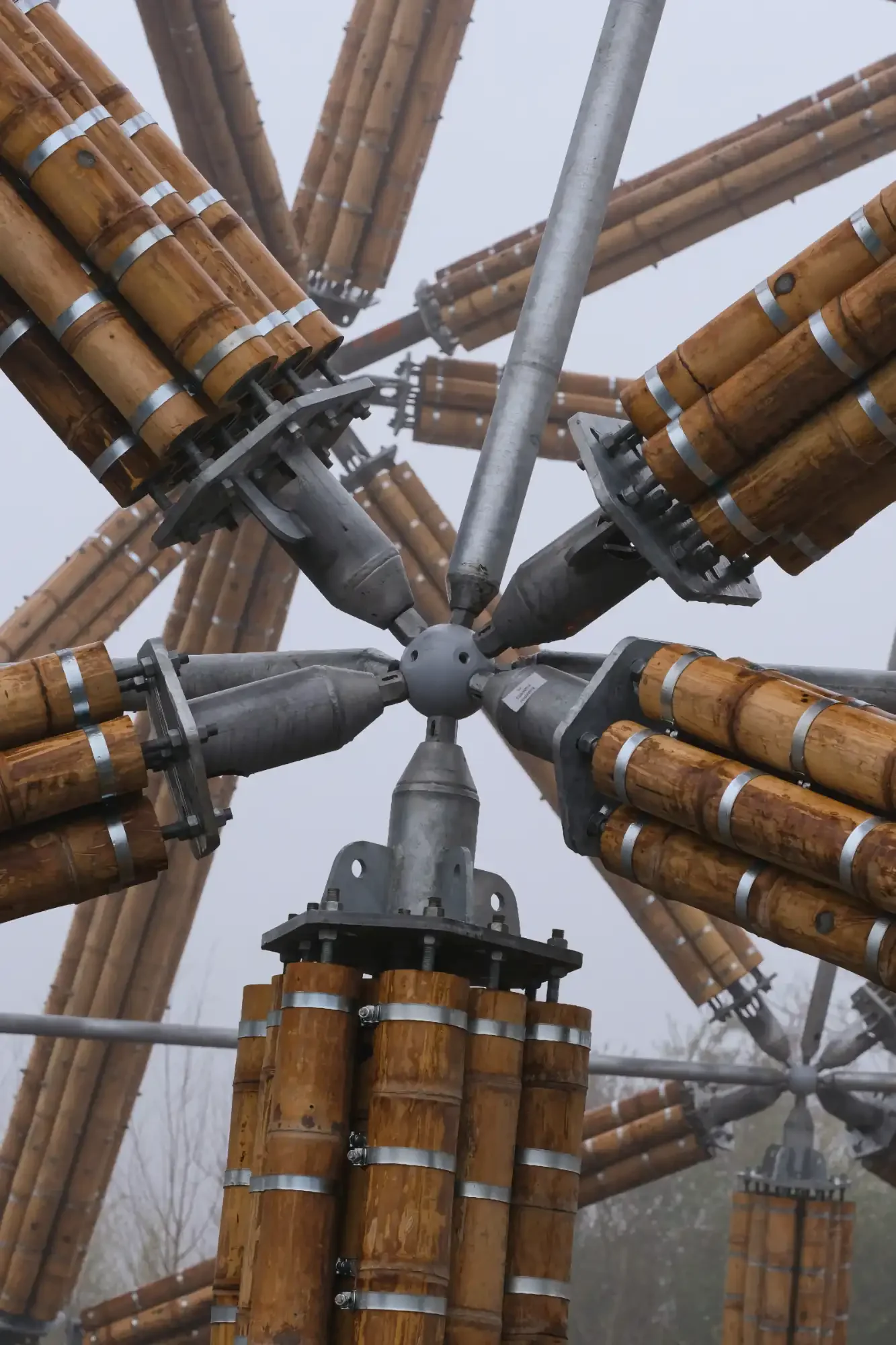
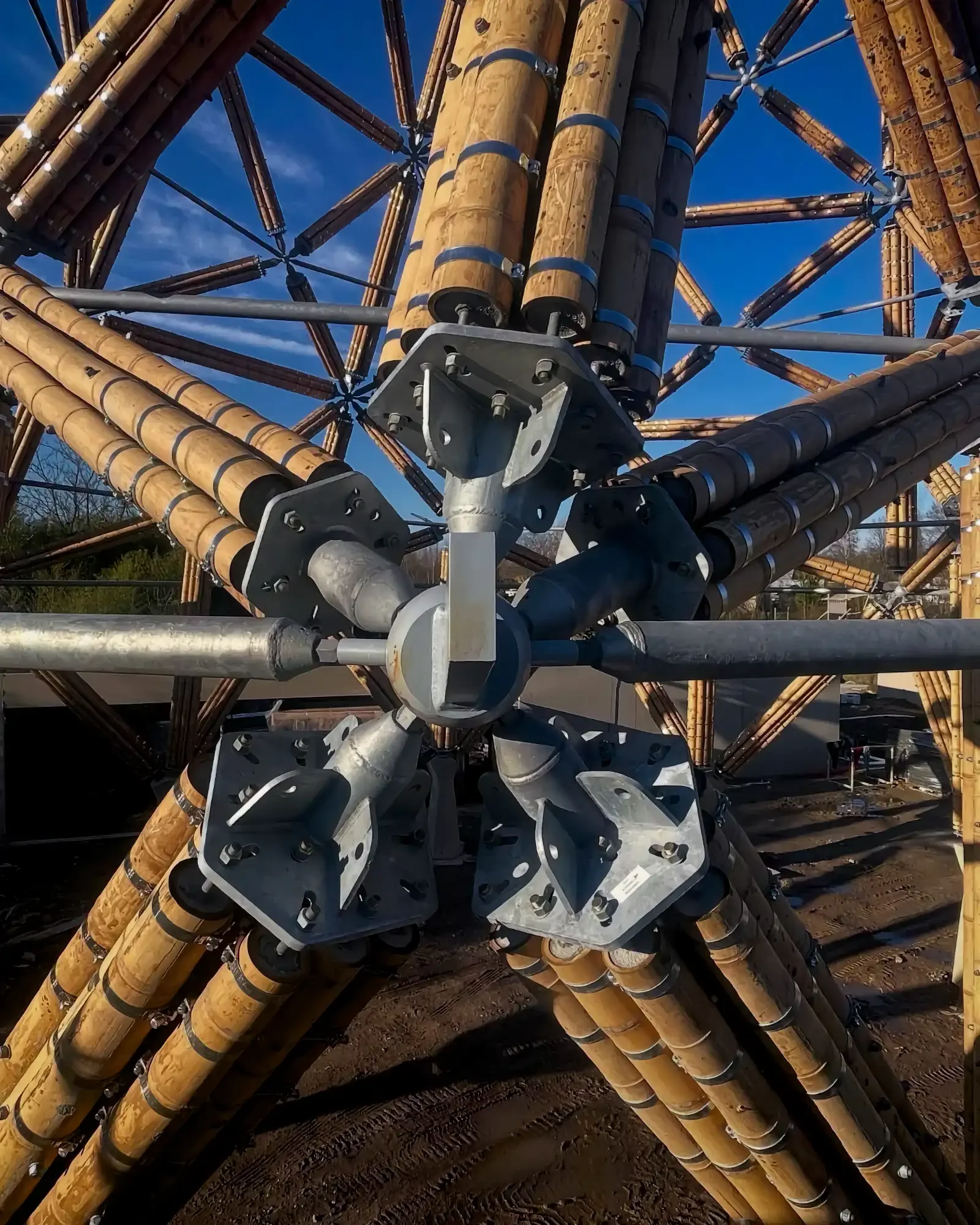
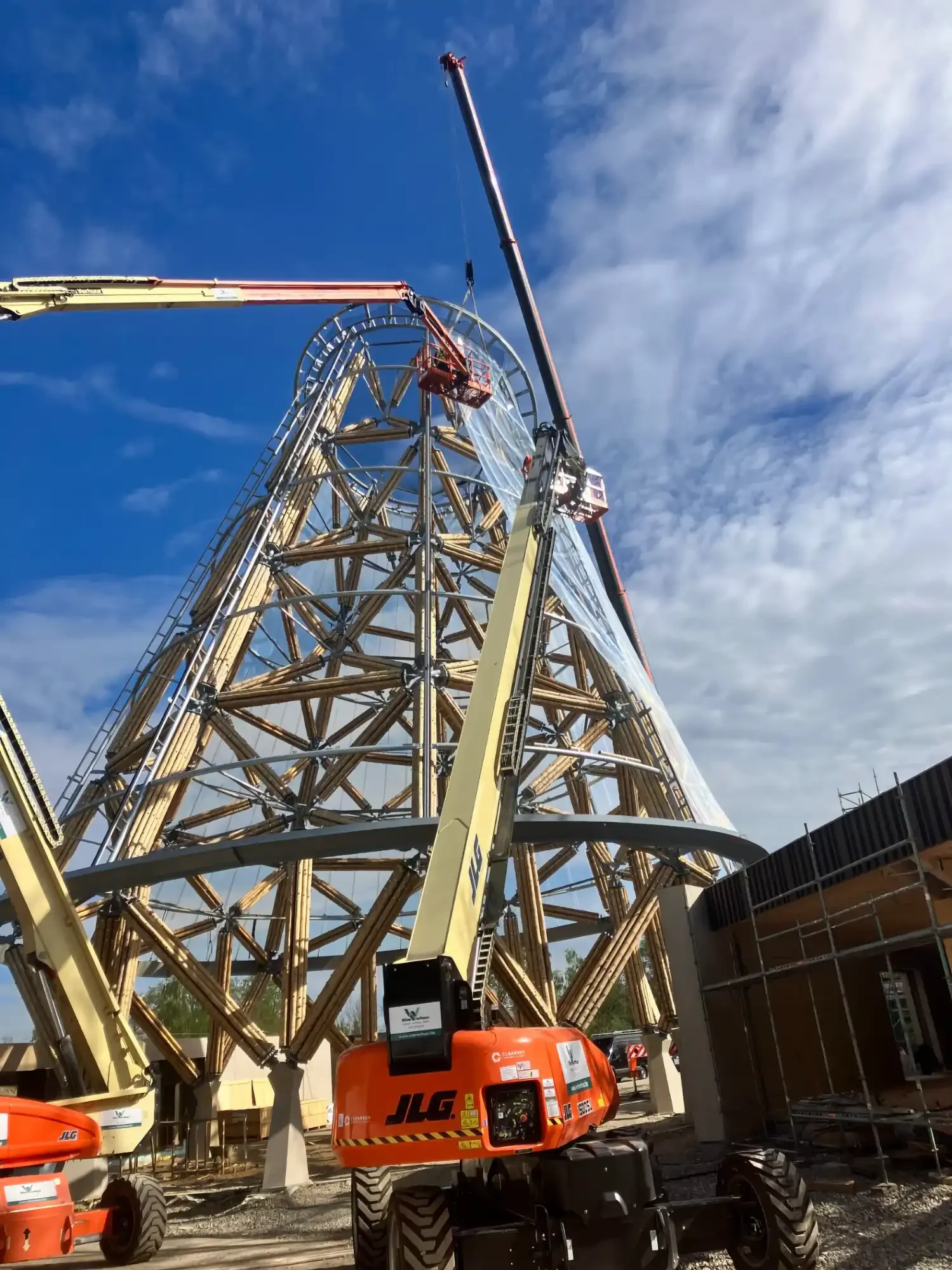
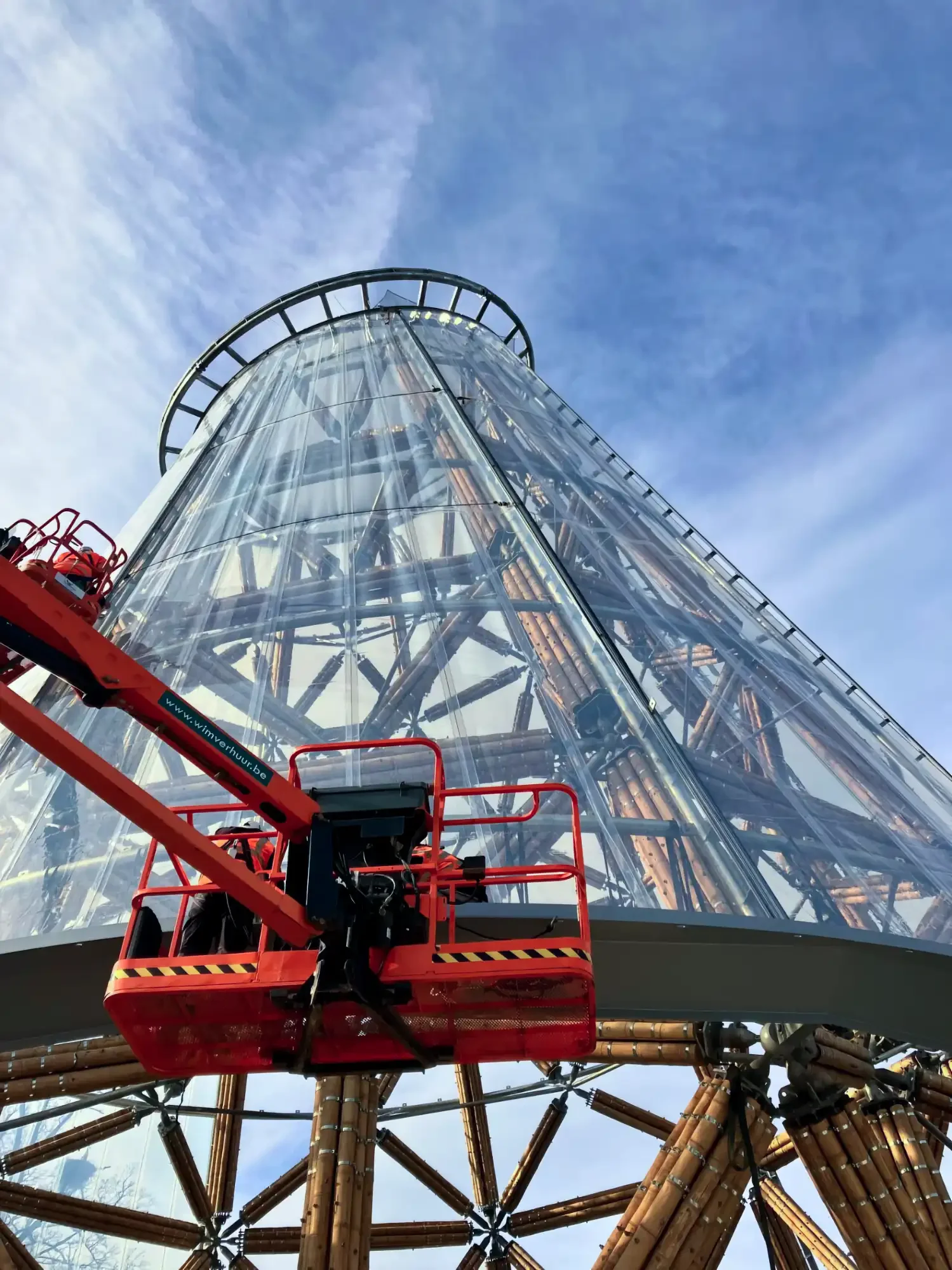
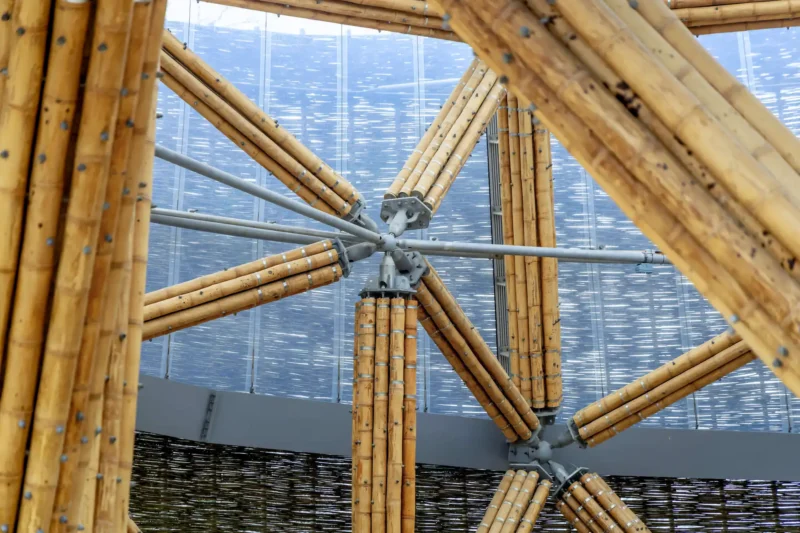
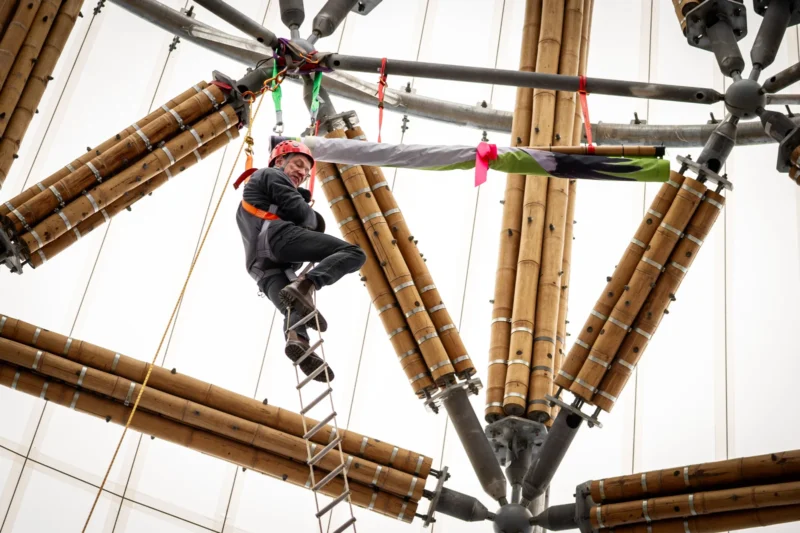
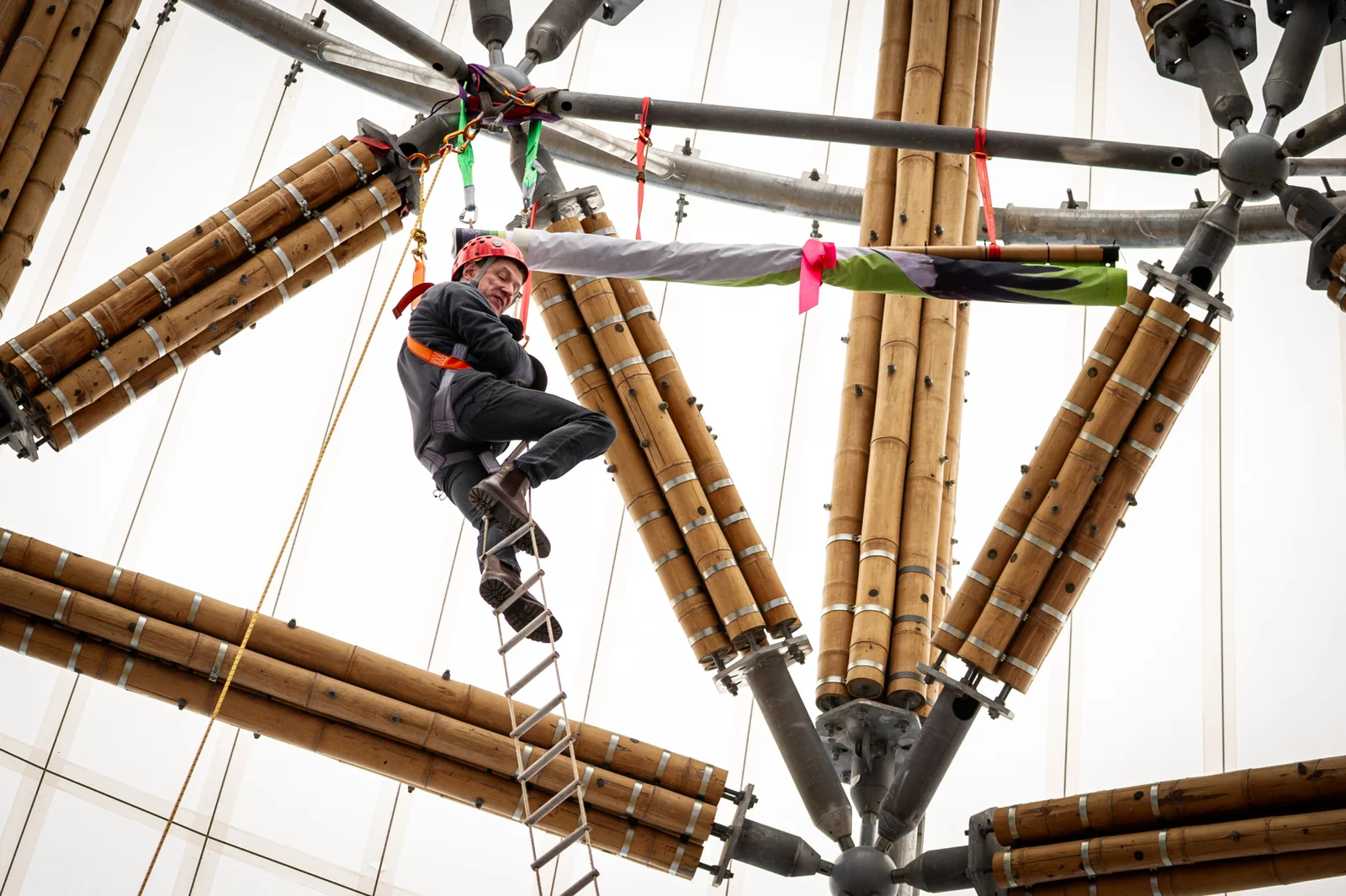
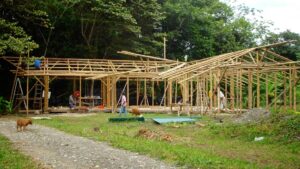
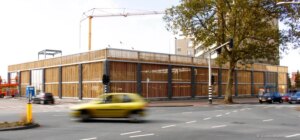
The physical realization of this complex design was managed by the contractor de Noordboom. Their team worked alongside CRU! Architects to transform the raw bamboo components into a cohesive structural landmark. The assembly utilized a custom steel joinery systems to secure the poles without compromising their natural integrity. Every element of the entrance was designed with sustainability at its core. CRU! Architects excluded non-circular building materials from the design. The buildings, constructed by de Noordboom, are wooden skeleton structures insulated with ecological materials like cellulose, wood wool, and flax. The facades are finished with pressed bamboo panels.


Official Inauguration: Celebrating 70 Years of Innovation
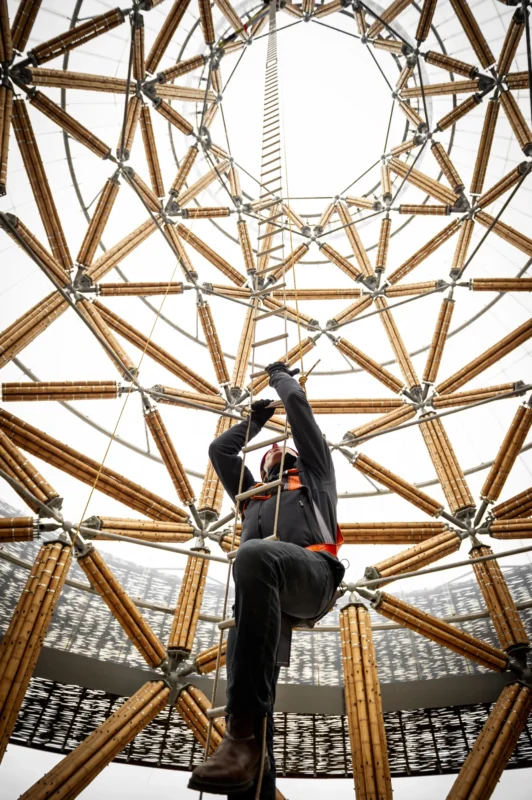
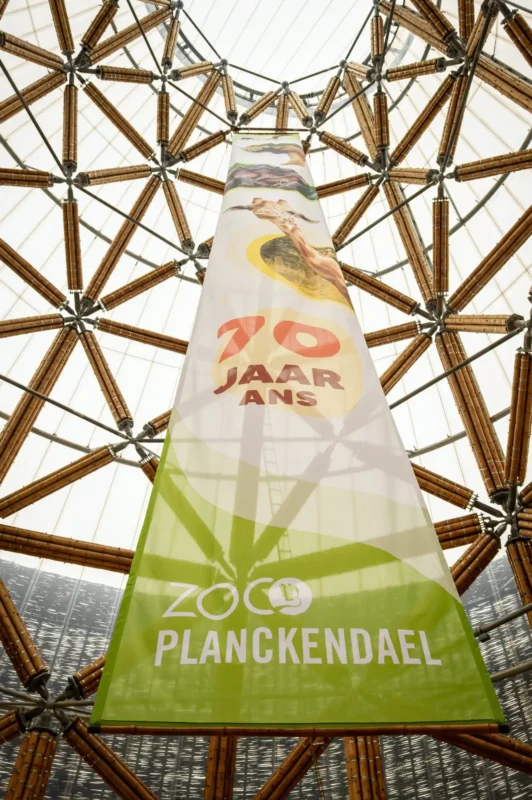
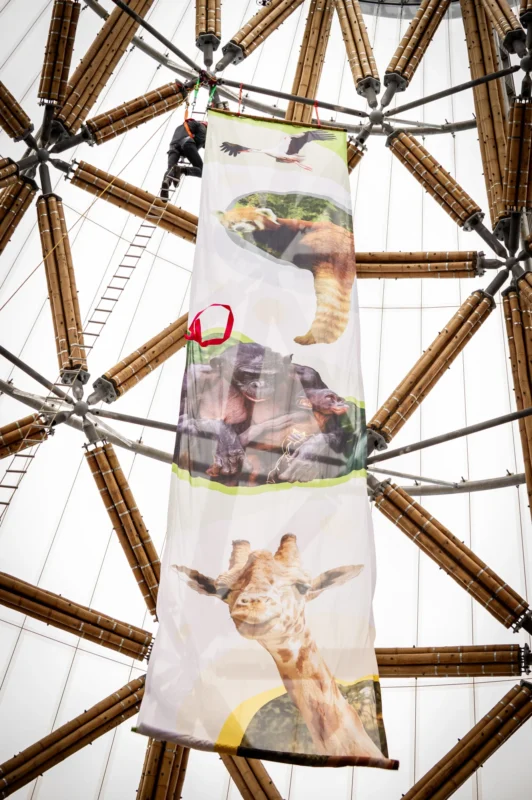
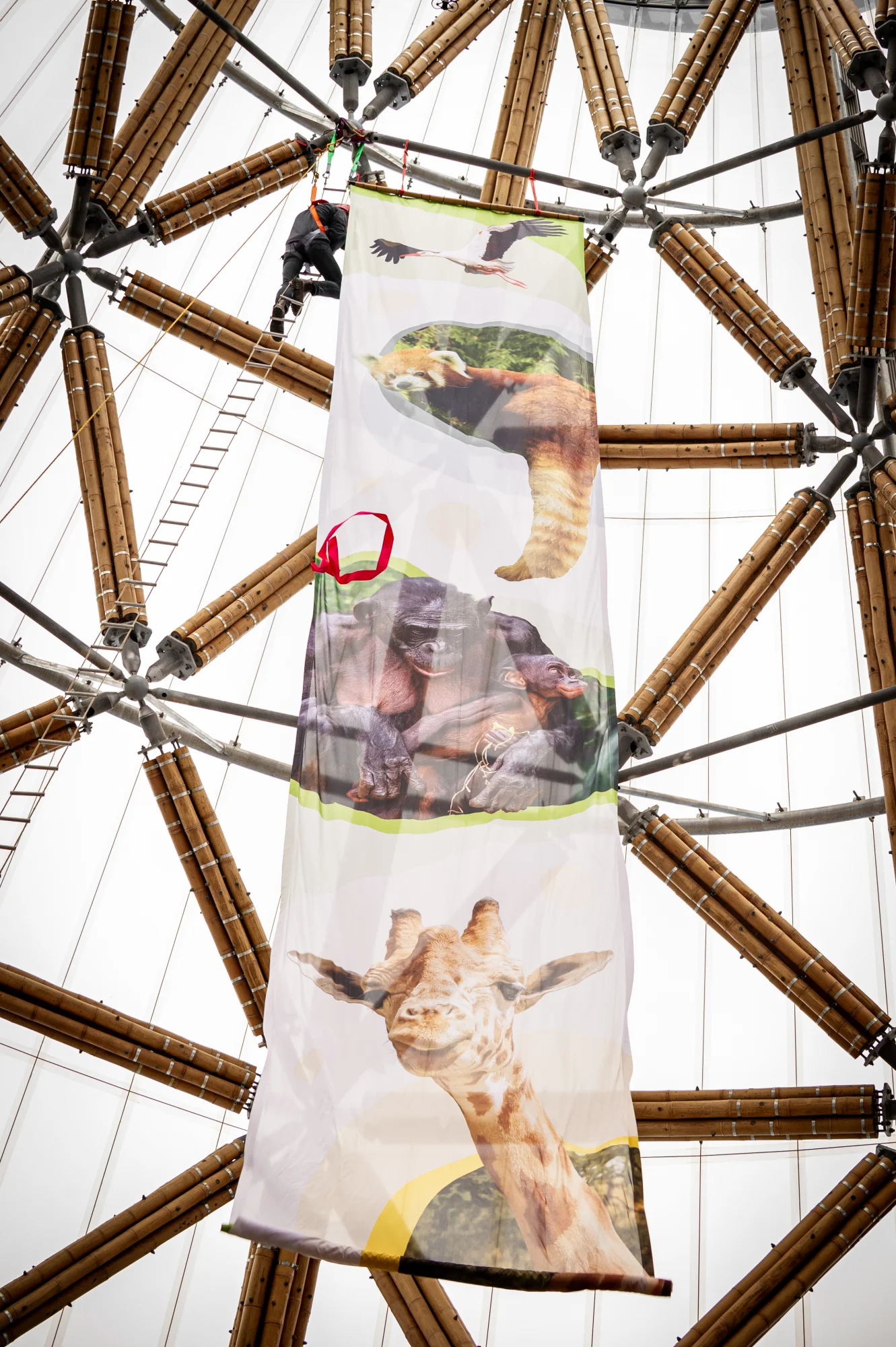
On February 11, 2026, Zoo Planckendael officially inaugurated the renovated entrance area. General Director Dries Herpoelaert ascended the 28 meter tower to symbolize the beginning of a new chapter for the park. This event celebrated an architectural masterpiece while marking the 70th anniversary of the zoo. It highlights the evolution of the park into a modern reference for sustainable design. At Guadua Bamboo SAS, we are proud to see our bamboo standing as the centerpiece of this historic Belgian landmark.






Congrats Stéphane Schröder that you as Belgian from Antwerp were on the basis of this Bamboo project with your whole team in Colombia!!!