Bamboo Construction: Technical Guides and Resources
From Structural Engineering Standards to Professional Joinery Techniques
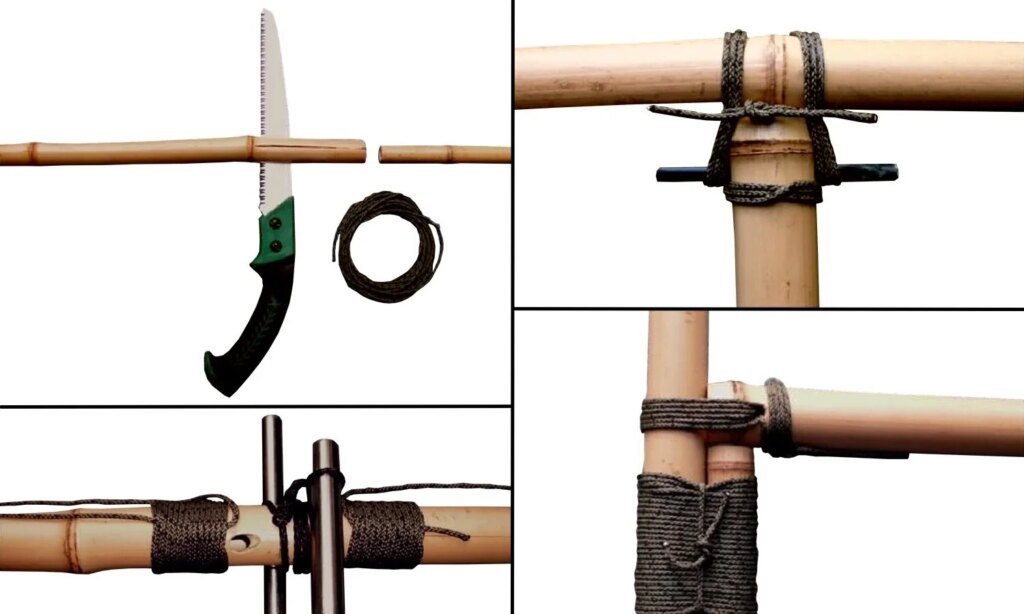
This section serves as a comprehensive knowledge base for the technical and structural application of bamboo in modern architecture. It bridges the gap between traditional craftsmanship and rigorous industrial standards, providing data on mechanical properties, species selection, and international building codes. Whether you are researching joinery techniques, lashing methods, or structural engineering requirements, these resources offer the practical specifications needed for high-quality, durable bamboo construction.
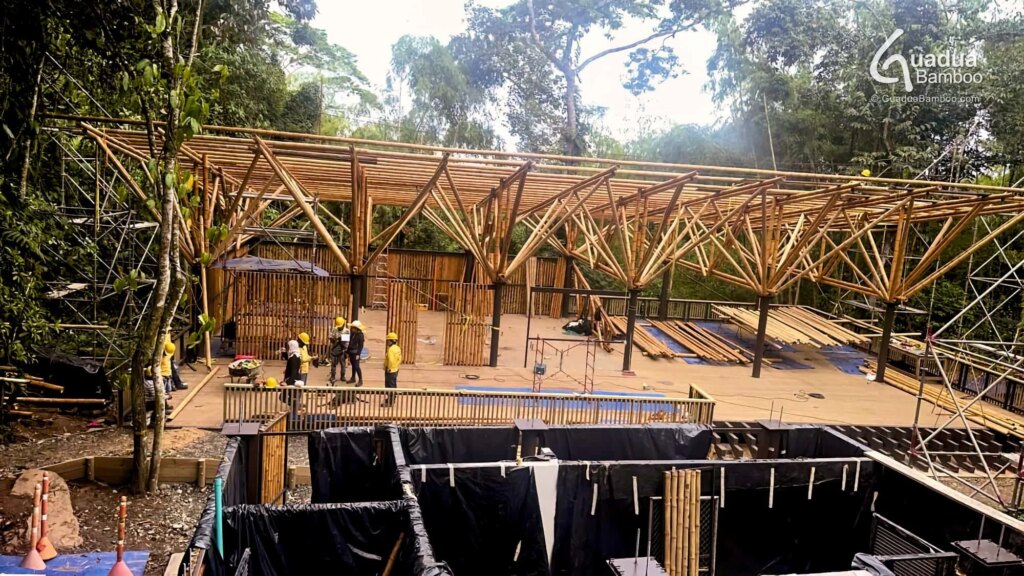
In Colombia, bamboo construction is governed by strict building codes that demand high standards in material selection, treatment, and quality control—especially for public works.
The best bamboo species for building and construction are found in the tropics, more specifically within the genera: Guadua, Dendrocalamus and Bambusa.
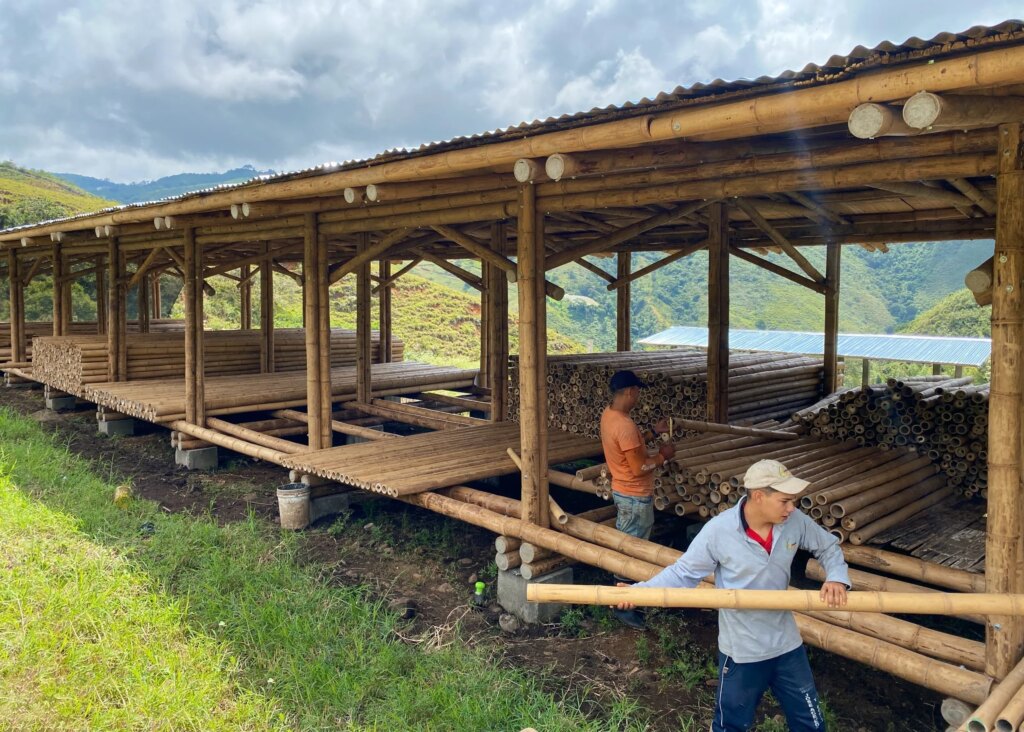
Without any protective treatment, most bamboo species have an average natural durability of less than 2 years. Stored under cover, untreated bamboo may last 4-7 years.
Bamboo is one of the most useful plants as it can be used to make houses, traps, cages, furniture, tools, weapons, bridges, rafts, towers, fences, water wheels, irrigation pipes, and thousands of other items. The challenge however, is learning how...
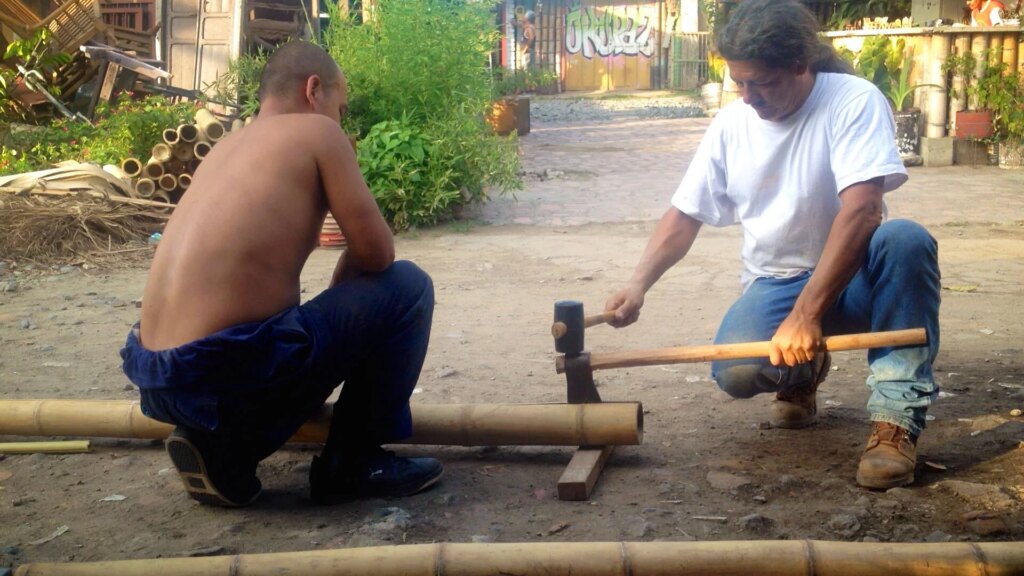
Splitting bamboo poles, is another basic technique when working with bamboo. Split bamboo is often used in bamboo fences, wall decoration, furniture, etc. The applications are endless and it basically all depends on your own creativity.
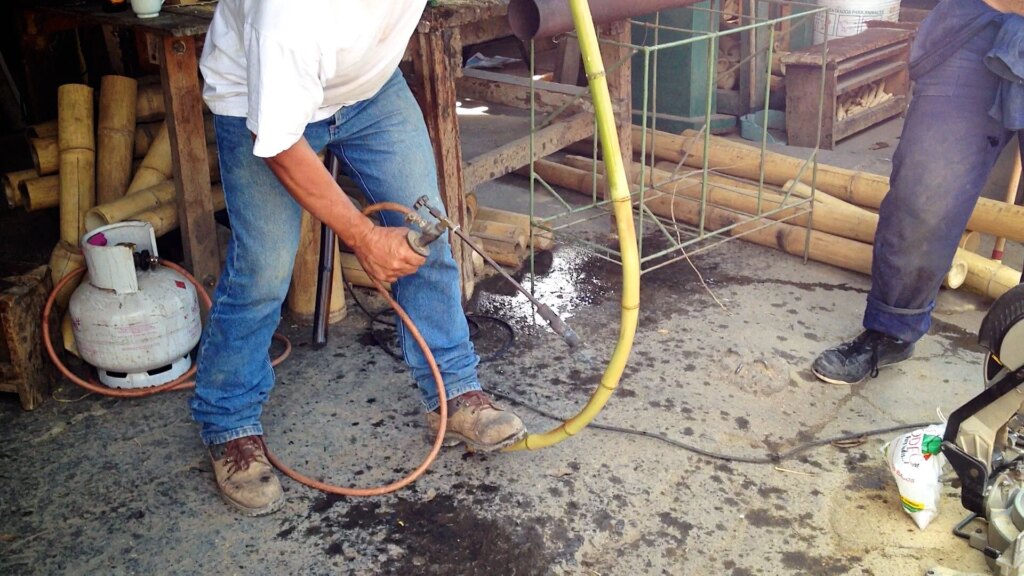
Bending bamboo, isn't that difficult. In case of freshly cut, green bamboo you could even dry bamboo in a mold to adjust the shape, or by applying heat. However, once dry, bamboo cannot be bend anymore (in a permanent lasting...
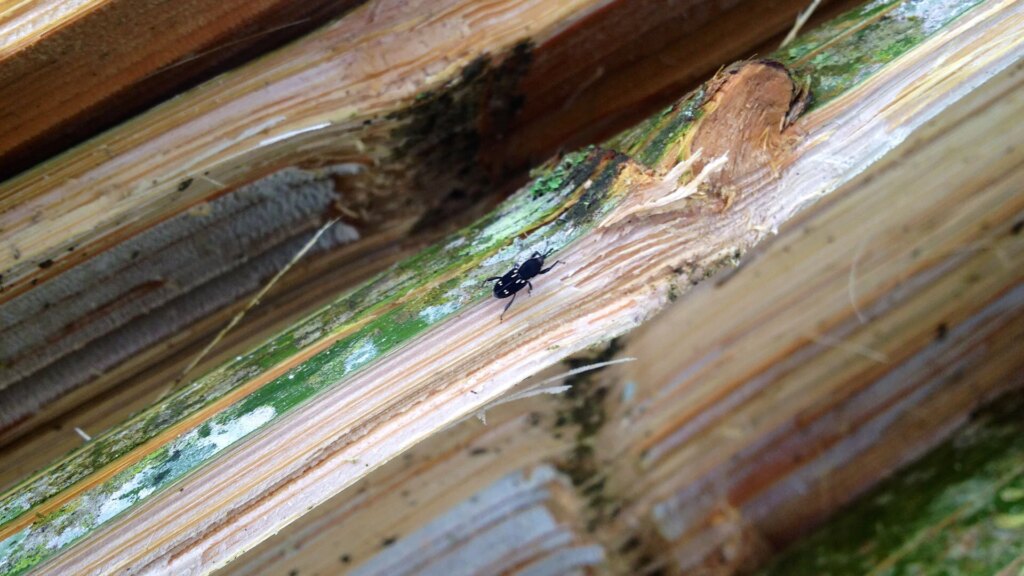
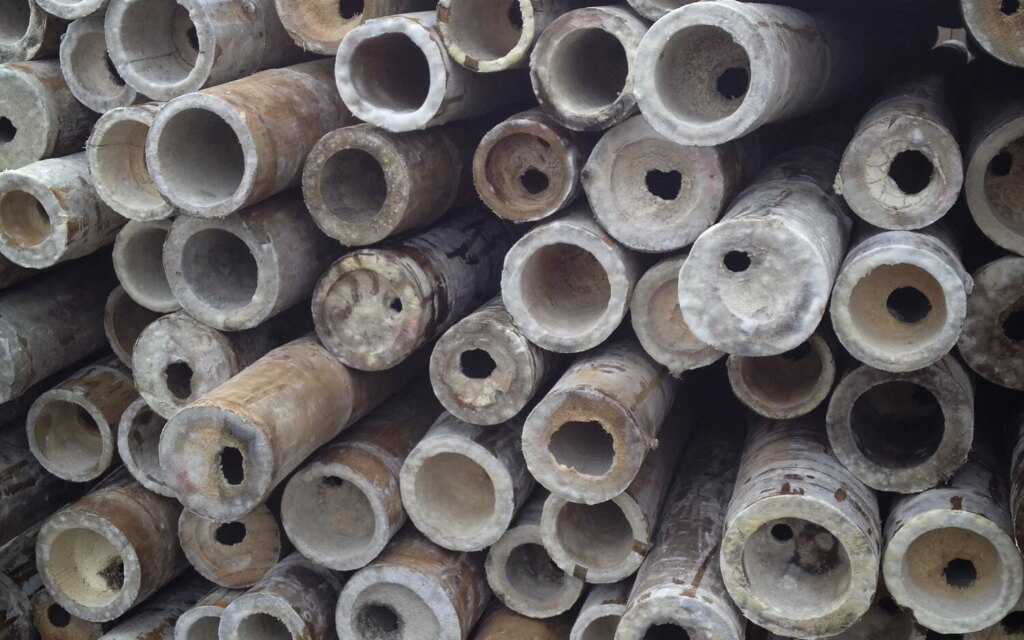
Untreated bamboo, just like almost any other wood, has a high chance of being attacked by insects. Bamboo insect infestation occurs due to the presence of starch and other carbohydrates. Insects obtain their food supply from the bamboo and degrade...
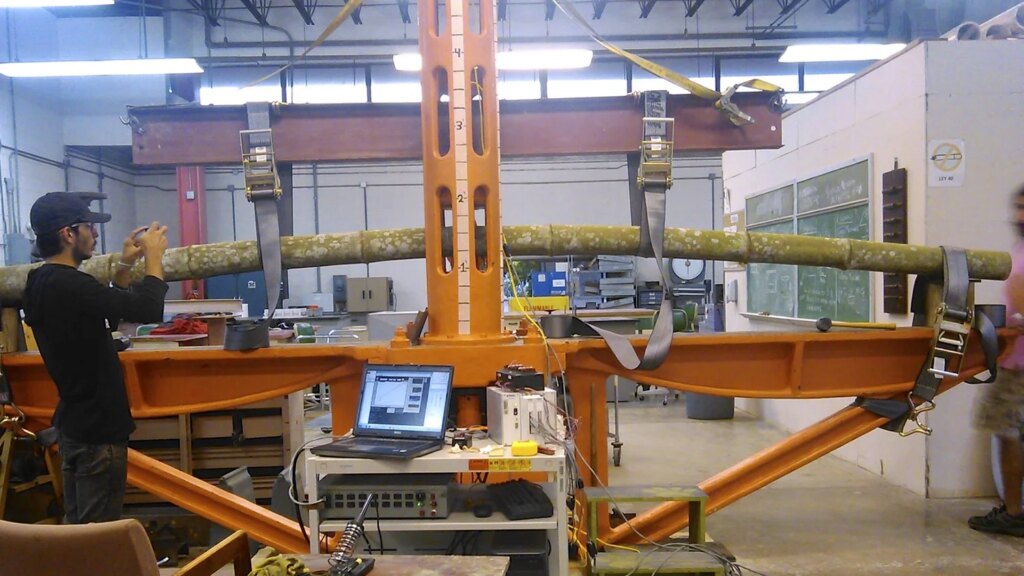
What are the mechanical properties of bamboo? It is propably one of the most frequently asked questions among European or American architects, engineers and builders. Such information is easily found and available for wood, steel, concrete or even engineered bamboo products such...
The forming of mold, spores and mildew on the surface of bamboo canes is not uncommon, especially when bamboo is not 100% dry, or when products are shipped internationally in ocean freight containers.
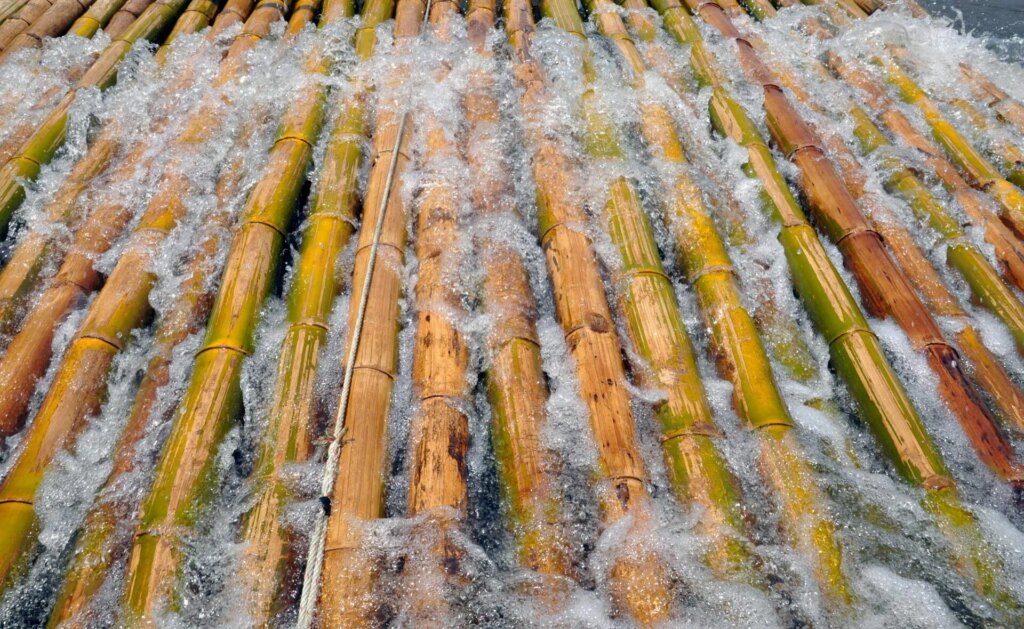
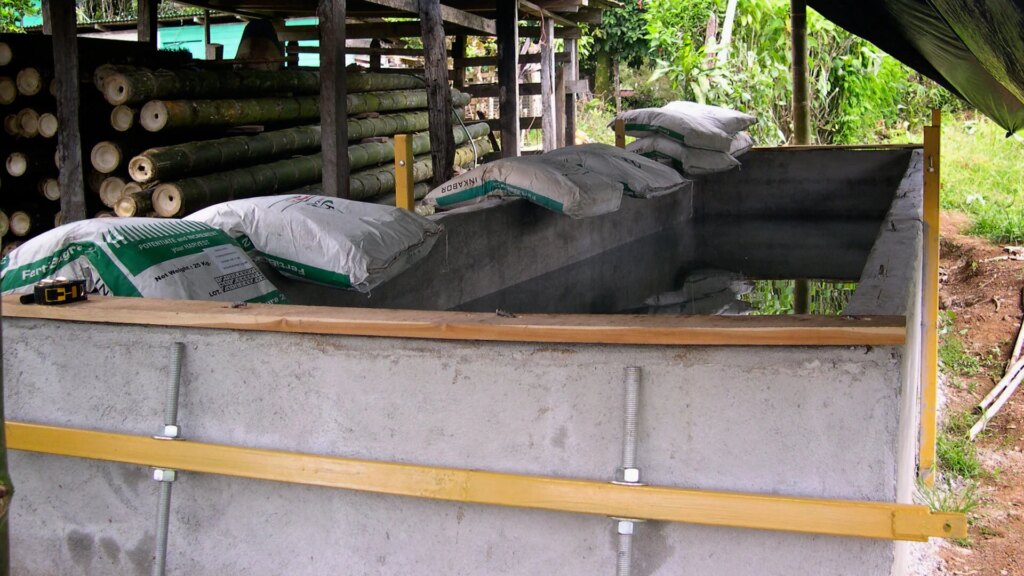
Storing bamboo in water or "leaching bamboo" is a traditional bamboo preservation method, used by indigenous communities and farmers of several Asian and Latin American regions. In Latin America it has been the tradition to transport bamboo from the mountain...
Chemical preservation (with or without the help of special equipment) ensures long term protection. Depending upon the method of bamboo treatment, chemical preservatives can impart short term or long term protection.
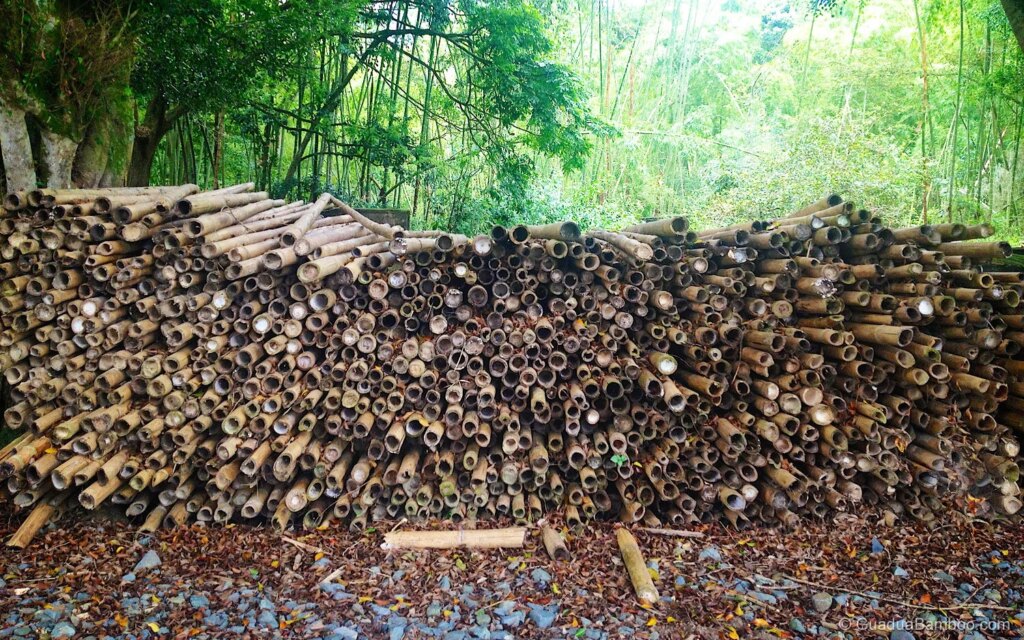
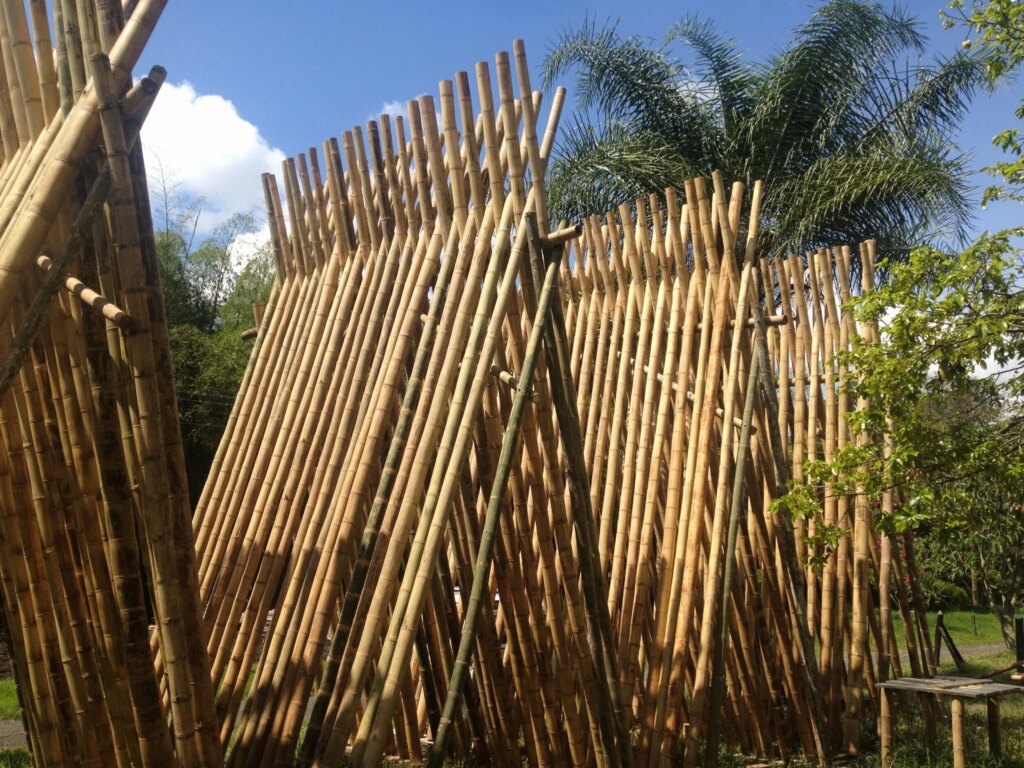
Drying bamboo poles requires more time than wood of similar density. This because bamboo possess hygroscopic materials (compound that easily absorbs moisture) that may contain 50-60% moisture content, depending on the felling season, area of growth and species.
Guadua Bamboo SAS is your trusted global partner for premium structural bamboo, with over 20 years of experience. From our specialized processing facilities in Colombia to iconic international projects, we provide and export the most reliable, graded, and treated bamboo building materials for designs that demand maximum durability and professional standards.