Bamboo Preservation & Treatment
Bamboo preservation is the essential process that ensures the long-term structural integrity and beauty of the material. This section serves as a comprehensive guide to protecting bamboo from its natural vulnerabilities including moisture, fungi, and insect attack. We explore a wide range of solutions from traditional curing and sustainable leaching to advanced industrial bamboo treatment protocols. These resources provide the professional standards required to create durable and high-quality bamboo building materials.
Without any protective treatment, most bamboo species have an average natural durability of less than 2 years. Stored under cover, untreated bamboo may last 4-7 years.

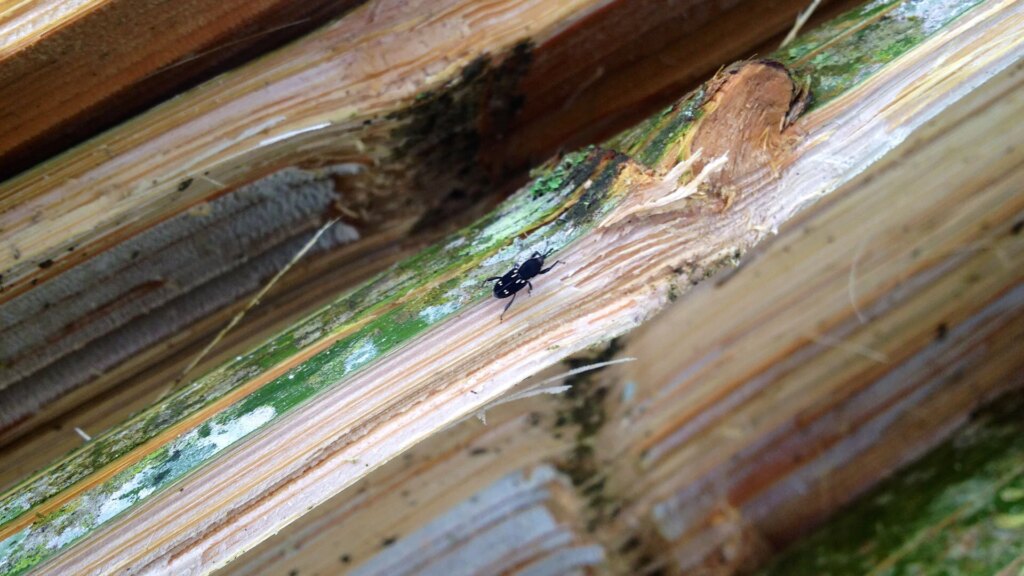
Bamboo Insect Infestation
Untreated bamboo, just like almost any other wood, has a high chance of being attacked by insects. Bamboo insect infestation occurs due to the presence of starch and other carbohydrates. Insects obtain their food supply from the bamboo and degrade...
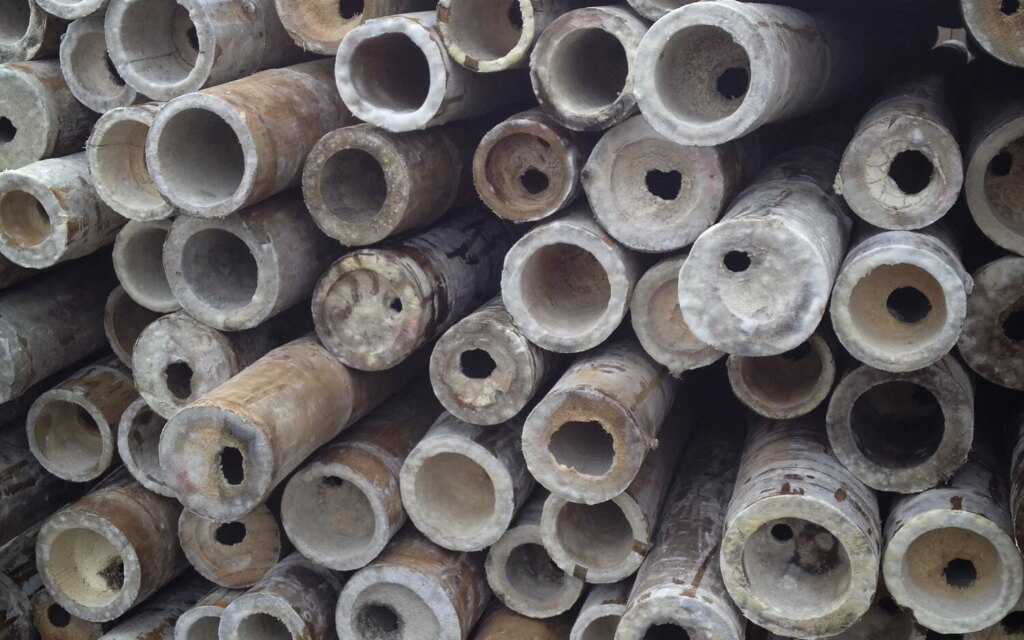
How to Remove Bamboo Mold
The forming of mold, spores and mildew on the surface of bamboo canes is not uncommon, especially when bamboo is not 100% dry, or when products are shipped internationally in ocean freight containers.
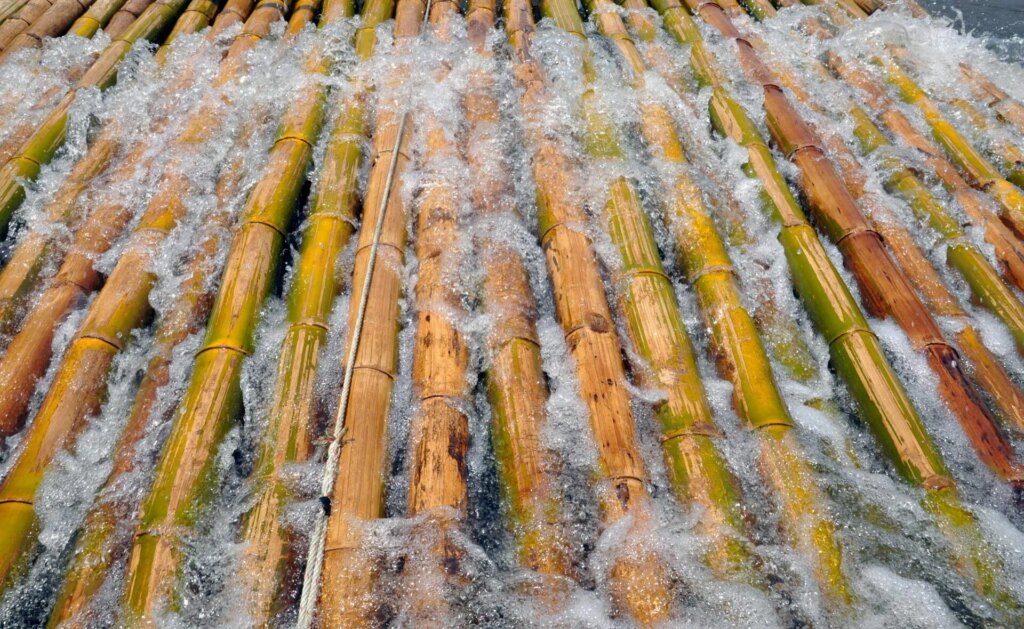
Leaching Bamboo
Storing bamboo in water or "leaching bamboo" is a traditional bamboo preservation method, used by indigenous communities and farmers of several Asian and Latin American regions. In Latin America it has been the tradition to transport bamboo from the mountain...
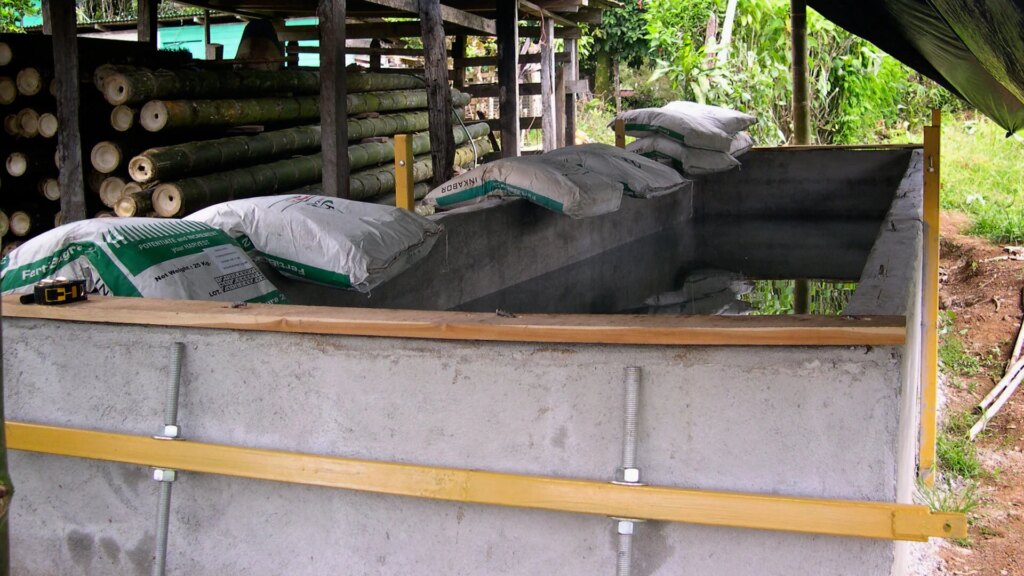
Chemical Bamboo Preservation
Chemical preservation (with or without the help of special equipment) ensures long term protection. Depending upon the method of bamboo treatment, chemical preservatives can impart short term or long term protection.
Drying Bamboo Poles
Drying bamboo poles requires more time than wood of similar density. This because bamboo possess hygroscopic materials (compound that easily absorbs moisture) that may contain 50-60% moisture content, depending on the felling season, area of growth and species.